Zenfo Auto Services · Mussafah
Professional Jeep Malfunction Repair & Diagnostic Service in Musaffah
Zenfo Auto Services delivers complete Jeep malfunction diagnosis and repair in Musaffah, covering ECU fault code retrieval, sensor replacement, wiring harness inspection, powertrain control module (PCM) recalibration, and system-level restoration using OEM-grade components and certified automotive technicians.
- Open daily (Mon – Sun): 09:00 – 21:00
- Musaffah Industrial Area, M9, Abu Dhabi
- Years of Experience
- 10+Years of Experience
- Satisfied Clients
- 100%Satisfied Clients
- Pickup & Delivery Service
- 24/7Pickup & Delivery Service
- Quick Service
- 2xQuick Service
- 4.9 ★ Google reviews
- Free pick-up & delivery
- OEM-grade parts
- 12-month repair warranty
- Written estimate before any work
- Jeep-specific diagnostic software
- Certified Jeep technicians
- 24/7 breakdown assistance
- Same-day slots available
Why Choose Zenfo Auto Services for Jeep Malfunction Repair in Musaffah?
MIL illumination reflects active faults stored across the PCM, TCM, BCM, or ABS module. Unresolved faults affect fuel delivery, emissions compliance, and safety response. Every repair follows OEM diagnostic procedures, wiring tolerances, sensor calibration thresholds, and module programming specifications to restore correct system behaviour.
Certified Jeep Diagnostic Technicians
Technicians hold manufacturer-level certifications covering Jeep electronic architectures across petrol, diesel, and 4xe hybrid configurations. Diagnostic protocols run from DTC retrieval through live data monitoring. Scan tools record PID data at 10 ms intervals to identify intermittent faults.
Genuine OEM Parts & Specialist Diagnostic Equipment
Only OEM-approved sensors, fuel injectors, ignition coils, catalytic converters, and control modules are used. The workshop operates J2534-compliant scan tools, calibrated multimeters, oscilloscopes, and smoke detectors. Factory-level Jeep StarScan and wiTECH 2.0 platforms support all diagnostic and repair work.
Efficient Malfunction Repair Turnaround
Single sensor replacements are completed within 1 to 3 hours. Multi-system diagnostic work covering wiring and module calibration takes 3 to 6 hours. PCM reprogramming combined with multiple sensor replacements and harness restoration requires 1 to 2 working days.
Clear and Consistent Pricing
All repair costs, covering diagnostics, parts, labour, and verification, are confirmed in writing before work begins. No additional charges apply once the repair is authorised. A written report listing fault codes, components, resistance readings, and post-repair scan data is provided at handover.
Jeep Malfunction Repair Services We Provide
Check Engine Light (MIL) Diagnosis & Repair
The PCM monitors over 200 engine and emission parameters, triggering the MIL after two consecutive fault cycles. OBD-II scan tools retrieve active and pending DTCs. Freeze frame data records engine load, coolant temperature, fuel trim, and vehicle speed at fault detection.
Oxygen (O2) Sensor & Air-Fuel Ratio Sensor Replacement
Jeep petrol engine O2 sensors operate between 300 and 850 degrees Celsius. They produce a switching voltage of 0.1 to 0.9 V. A heater circuit resistance outside 4 to 40 ohms triggers DTCs P0130 to P0167. OEM sensors are matched to the engine management calibration.
Mass Airflow (MAF) Sensor Service & Replacement
The MAF sensor uses a heated wire element held at 70 degrees above ambient to measure incoming air mass. Oil or dust contamination pushes LTFT beyond ±10%, triggering DTCs P0100 to P0104. Replacement occurs when the idle output voltage deviates more than 0.3 V from specification.
Throttle Body & Electronic Throttle Control (ETC) Service
Drive-by-wire ETC systems use TPS1 and TPS2 sensors producing opposing signals within 0.02 V. Carbon deposits on the throttle plate trigger DTCs P0121 to P0123. Cleaning uses OEM-approved solvent. Throttle position is recalibrated through the wiTECH 2.0 platform after every service.
Fuel Injector Diagnosis & Replacement
Port injectors operate at 3 to 10 bar and GDI injectors at 100 to 350 bar. A flow deviation above 5% triggers misfires on DTCs P0300 to P0308. OEM injectors are fitted, and balance rates are verified through live data post-installation.
Ignition System Diagnosis & Coil-on-Plug (COP) Replacement
Each COP unit delivers a primary voltage of 12 to 14 V and a secondary output exceeding 40,000 V. Primary resistance outside 0.5 to 2.0 ohms causes type A or B misfires. Cylinder contribution tests confirm firing efficiency after every replacement is completed.
Catalytic Converter Efficiency & Exhaust Emission Repair
Euro 5 and Euro 6 standards require downstream sensor switching below 0.5 Hz under steady throttle. DTCs P0420 and P0430 indicate converter efficiency below the 0.985 threshold. The fault source is confirmed before replacement to rule out upstream sensor or oil contamination causes.
Evaporative Emission Control (EVAP) System Repair
The EVAP charcoal canister stores up to 200 grams of hydrocarbon vapour. A purge circuit leak of 0.020 inches triggers DTCs P0440 to P0457. A smoke machine pressurises the system to 14 inches of water column to locate the exact leak point before repair.
Engine Coolant Temperature (ECT) & Thermostat System Repair
The ECT sensor produces a 0 to 5 V signal, reading approximately 2,500 ohms at 20 degrees Celsius. A stuck-open thermostat triggers DTC P0128 and raises fuel consumption by 2 to 4%. The ECT sensor and thermostat are replaced together when the deviation exceeds 5 degrees.
Transmission Control Module (TCM) Fault Diagnosis & Repair
The TCM processes solenoid duty cycle, TCC slip speed, and gear position signals at under 10 ms cycle time. DTCs P0700 to P0799 cover solenoid failures and clutch slip above 50 RPM. Valve body solenoids and shift calibration are addressed using live solenoid current data.
Anti-Lock Braking System (ABS) & Electronic Stability Control (ESC) Fault Repair
Wheel speed sensors require an air gap of 0.4 to 1.2 mm between the sensor tip and tone ring. DTCs C0031 to C0050 indicate sensor circuit faults. Yaw rate sensor and lateral accelerometer recalibration is performed after any suspension repair altering sensor orientation.
Tyre Pressure Monitoring System (TPMS) Sensor Service
Direct TPMS sensors transmit at 433 MHz, reporting tyre pressure and temperature every 60 seconds. Sensor battery depletion after 7 to 10 years triggers DTCs C0750 to C0800. Replacement sensors receive the correct ID through a dedicated programmer, and the TPMS module is relearned via OBD-II.
Body Control Module (BCM) Fault Diagnosis & Reprogramming
The BCM manages lighting, door locks, window motors, and comfort systems across a CAN bus at 500 kbit/s. Corrupted calibration data produces multiple warning lamps and erratic accessory operation. A network scope scan confirms CAN bus voltage between 2.5 and 3.5 V before any reprogramming proceeds.
Battery & Charging System Malfunction Repair
A correctly functioning charging system holds alternator output between 13.8 and 14.8 V with ripple below 0.5 V AC. Battery capacity below 70% CCA triggers DTC B1000 and causes false module faults. The alternator diode bridge and voltage regulator are tested separately before any replacement decision.
4xe Plug-In Hybrid Malfunction & High-Voltage System Fault Repair
Jeep 4xe models operate on a 400 V high-voltage system requiring IEC 60900-certified technicians before diagnostic access. DTCs P1E00 to P1EFF cover BMS cell voltage deviation, cooling pump failures, and contactor relay faults. Insulation resistance testing above 500 V confirms HV circuit integrity before and after every repair.
Wiring Harness Inspection & Fault Repair
Insulation breakdown above 120 degrees Celsius generates resistance faults that trigger intermittent sensor DTCs without a full open-circuit condition. Harness inspection uses a 500 V megohmmeter at every connector terminal. Damaged sections are restored using OEM wire gauge, correct crimp specs, and heat-shrink sealant rated to 150 degrees Celsius.
How to Book a Jeep Malfunction Repair Service at Zenfo Auto Services?
Booking a Jeep malfunction repair at the Musaffah workshop involves three straightforward steps.
Book a slot
Talk to a Jeep technician, not a contact form
Call or message the workshop and you will speak to someone who works on Jeeps every day. You get a written, itemised estimate before any work starts, and nothing is charged beyond it.
What to send us
- Your Jeep model and year, such as Wrangler JL or Grand Cherokee WK2
- The fault or service you need, plus any warning lights or noises
- Photos or a short video of the problem, if you have them
- Your preferred drop-off day; same-day slots are usually available
- WhatsApp+971 52 515 0820Fastest reply; send photos of the fault
- Call the workshop+971 52 515 0820Same-day slots for oil, brakes, battery and AC
- Emailinfo@zenfoautoservices.aeWritten response within 4 business hours
- Walk in, no appointment neededNear 21, As Salami 8 St, Musaffah Industrial Area, M9, Abu Dhabi, United Arab EmiratesGet directions on Google Maps
Share Your Jeep Details
Provide your Jeep model, model year, current mileage, fuel type or hybrid configuration, and a description of any warning lamps, fault symptoms, or unusual behaviour you have observed. This information allows technicians to prepare the correct OEM components, diagnostic software versions, and calibration files before the vehicle arrives at the workshop.
Make a Booking
Select a date and time that suits your schedule. Same-day and next-day appointments are available, and a free pickup and delivery service is offered across Musaffah for customers who prefer not to drive the vehicle in directly.
We Repair
Certified technicians carry out the complete malfunction diagnosis and repair, then provide a written inspection report at job completion. You receive status updates at each stage of the repair process, including any additional fault findings identified during the full-system scan.
What you get
Key Features We Provide
- Experienced & Certified Mechanics
- 24/7 Breakdown Assistance
- Timely & Efficient Delivery
- Instant Price Quotes
- Free Pickup & Delivery
- Repair Warranty on All Services
When Does Your Jeep Need Professional Malfunction Repair?
The following indicators suggest that your Jeep's electronic or mechanical systems require a professional inspection. Addressing these symptoms early prevents escalating damage to connected modules, sensors, and mechanical components.
| Issue | Symptoms / Signs | Possible Cause | Recommended Solution |
|---|---|---|---|
| Check Engine Light (MIL) On | Steady or flashing MIL; reduced engine performance; increased fuel consumption | Active DTC stored in PCM; O2 sensor fault; misfire above OBD-II threshold of 2% misfire rate | Full OBD-II scan, freeze frame review, and component-level testing to confirm root cause |
| Rough Idle or Engine Misfire | Engine shaking at idle below 650 RPM; stuttering under light throttle; DTC P0300 to P0308 | Worn ignition coils; contaminated fuel injectors; intake air leak above 3 g/s unmetered airflow | Cylinder contribution test, injector balance rate check, and intake smoke test |
| Transmission Warning Lamp | Gear shifts delayed or absent; transmission stays in limp mode at third gear; DTC P0700 present | TCM solenoid fault; TCC slip above 50 RPM; transmission fluid temperature above 150 degrees Celsius | TCM scan, solenoid current test, and transmission fluid condition assessment |
| ABS or ESC Warning Lamp | ABS or ESC lamp remains on after startup; reduced braking stability on wet surfaces | Wheel speed sensor signal loss; tone ring damage; HCU pump motor fault | Wheel speed sensor resistance check, tone ring inspection, and HCU functional test |
| Battery or Charging Warning | Battery lamp illuminated; electrical accessories dimming at idle; voltage below 13.0 V at cruise | Alternator voltage regulator fault; battery capacity below 70% CCA rating | Alternator output and ripple test, battery conductance test, and charging circuit inspection |
| TPMS Warning Lamp | TPMS lamp steady or flashing; one or more tyre pressures not displayed on the dashboard | Sensor battery depleted after 7 to 10 years; sensor frequency not recognised by TPMS module | Sensor identification, battery replacement or new sensor programming, and TPMS module relearn |
| Multiple Unrelated Warning Lamps | Several unrelated lamps illuminate simultaneously; random accessory malfunctions | BCM calibration corruption; CAN bus fault; low battery voltage causing module resets | CAN bus network scan, BCM data integrity check, and supply voltage verification |
| Coolant Temperature Warning | Coolant temperature gauge above 110 degrees Celsius; heater output reduced in winter | ECT sensor resistance deviation; thermostat stuck open or closed; coolant level below MIN mark | ECT sensor resistance test, thermostat flow test, and cooling system pressure check |
Our services
Our Jeep Services in Mussafah
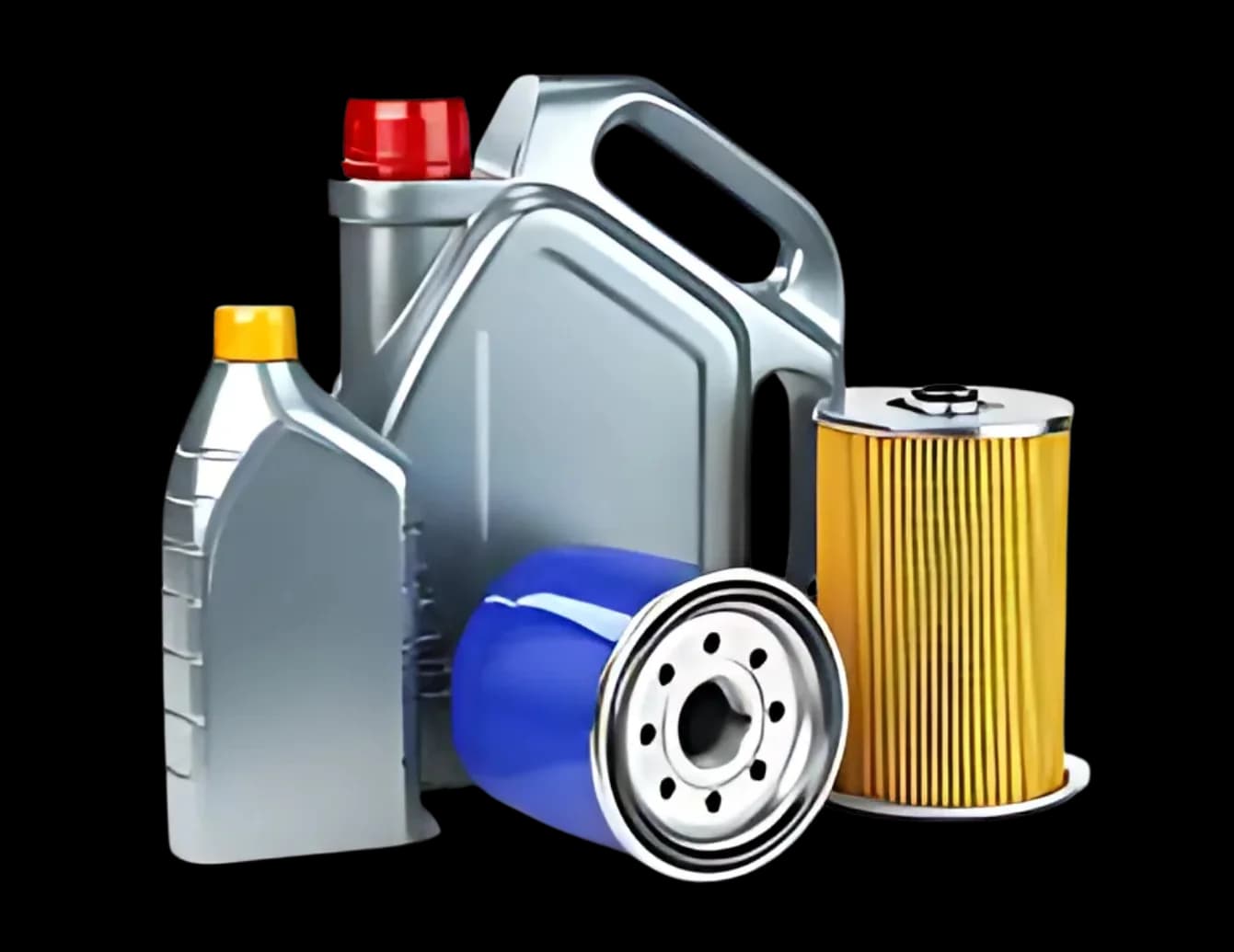
Major and Minor Services
Don't wait until it's too late! Book your Jeep major or minor service at Zenfo Auto Services, Musaffah. Genuine parts, transparent pricing & fast turnaround guaranteed.
Learn more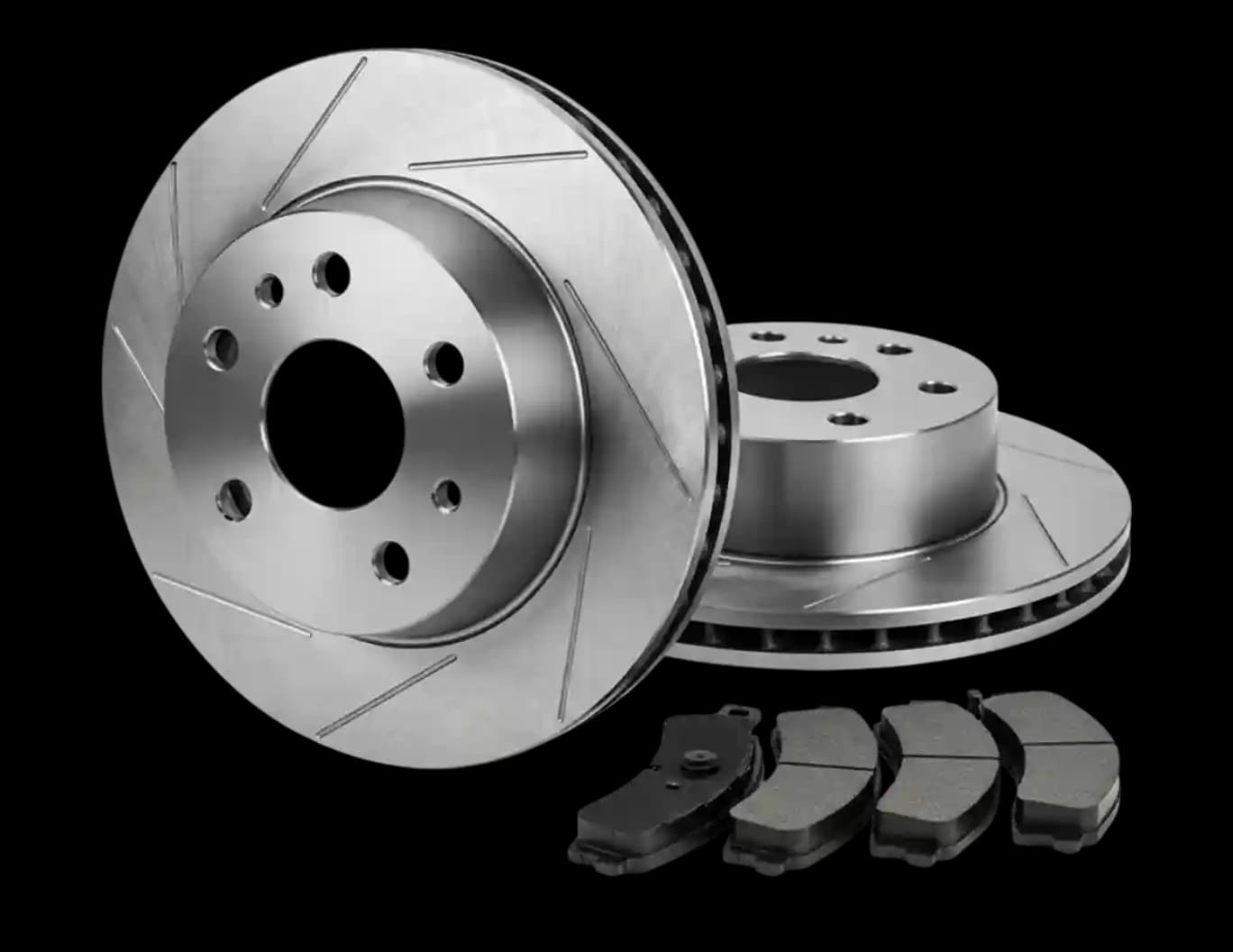
Brake Pad Replacement
Get professional Jeep brake pad replacement and full brake system servicing at Zenfo Auto Services, Musaffah. OEM parts, certified technicians, and transparent pricing.
Learn more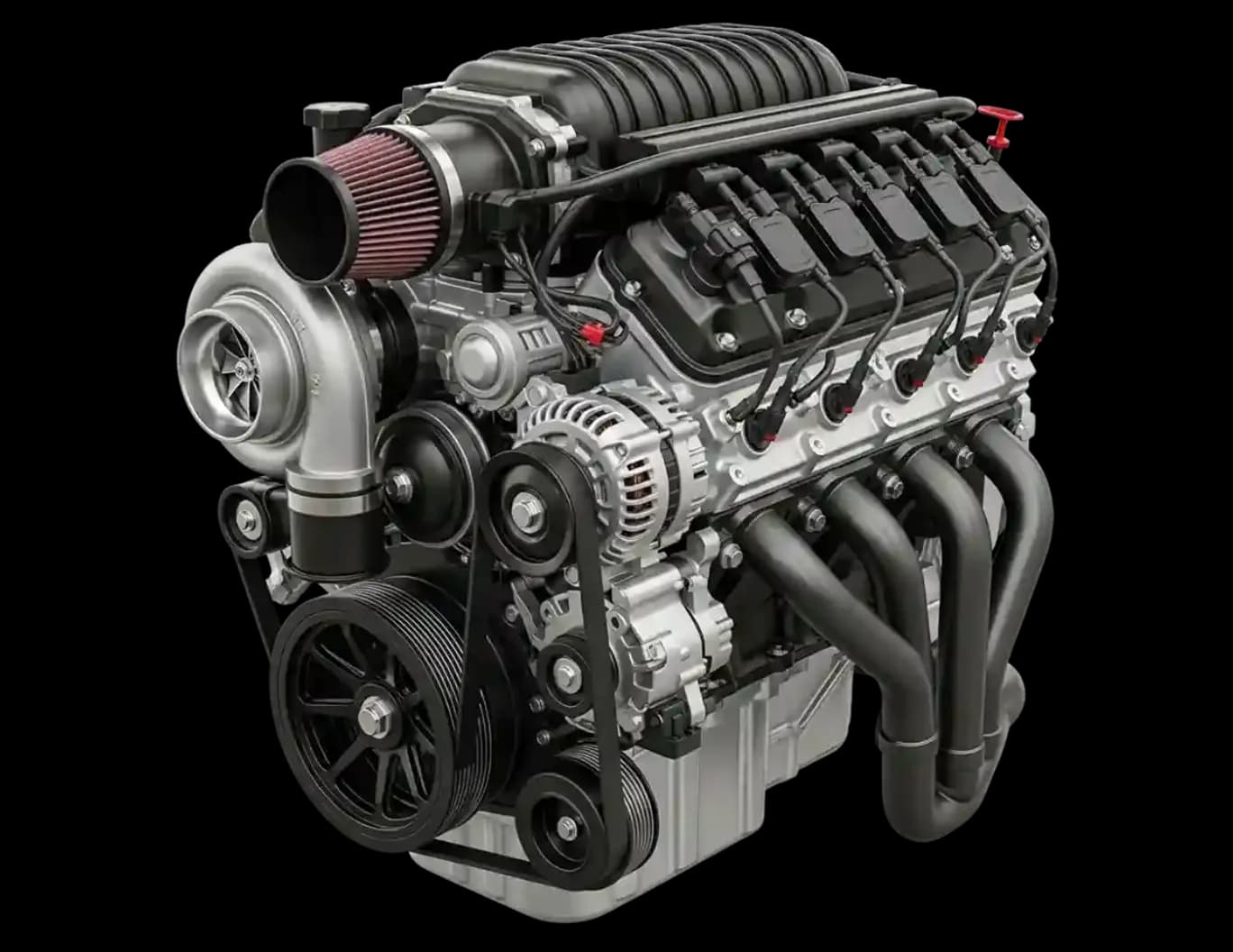
Engine Repair
Zenfo Auto Services provides certified Jeep engine repair in Musaffah, covering diagnostics, timing chain service, rebuilds, and overhauls. Book Now!
Learn more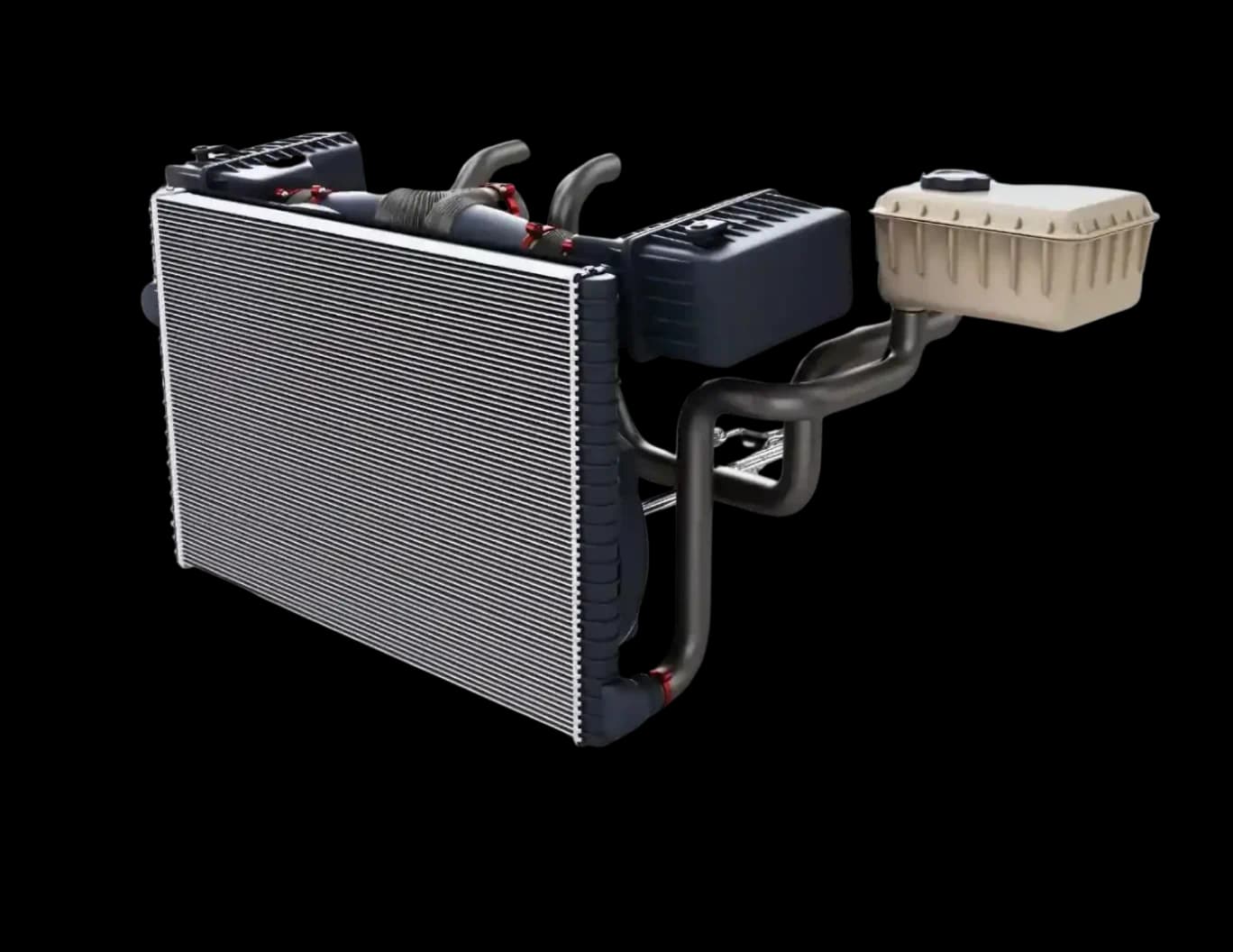
Radiator Repair
Zenfo Auto Services offers Jeep radiator repair in Musaffah, covering leak detection, coolant flush, and full cooling system diagnostics. Book your slot now!
Learn more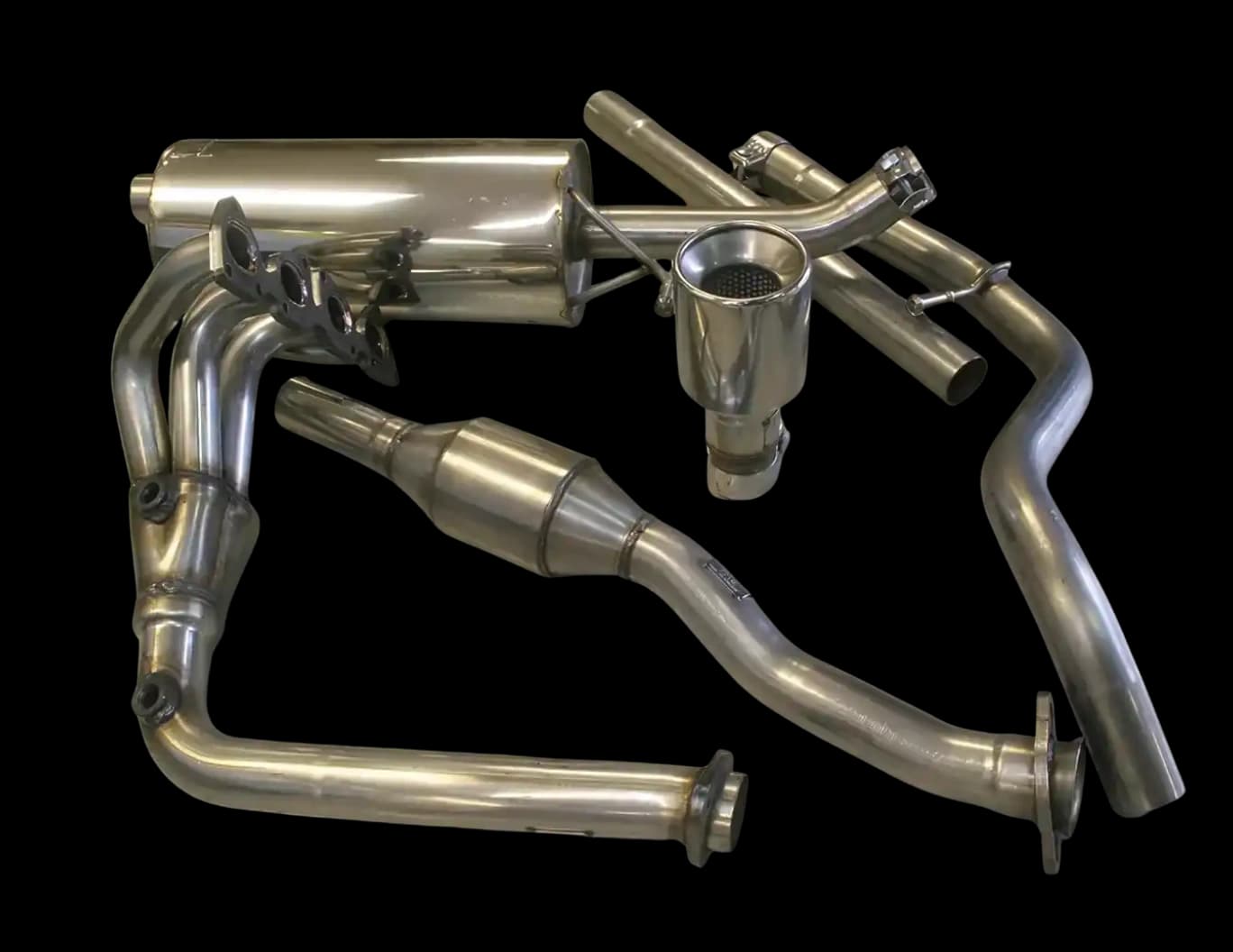
Exhaust Repair
Zenfo Auto Services offers complete Jeep exhaust repair in Musaffah, covering catalytic converters, DPF cleaning, manifold replacement, and full diagnostics.
Learn more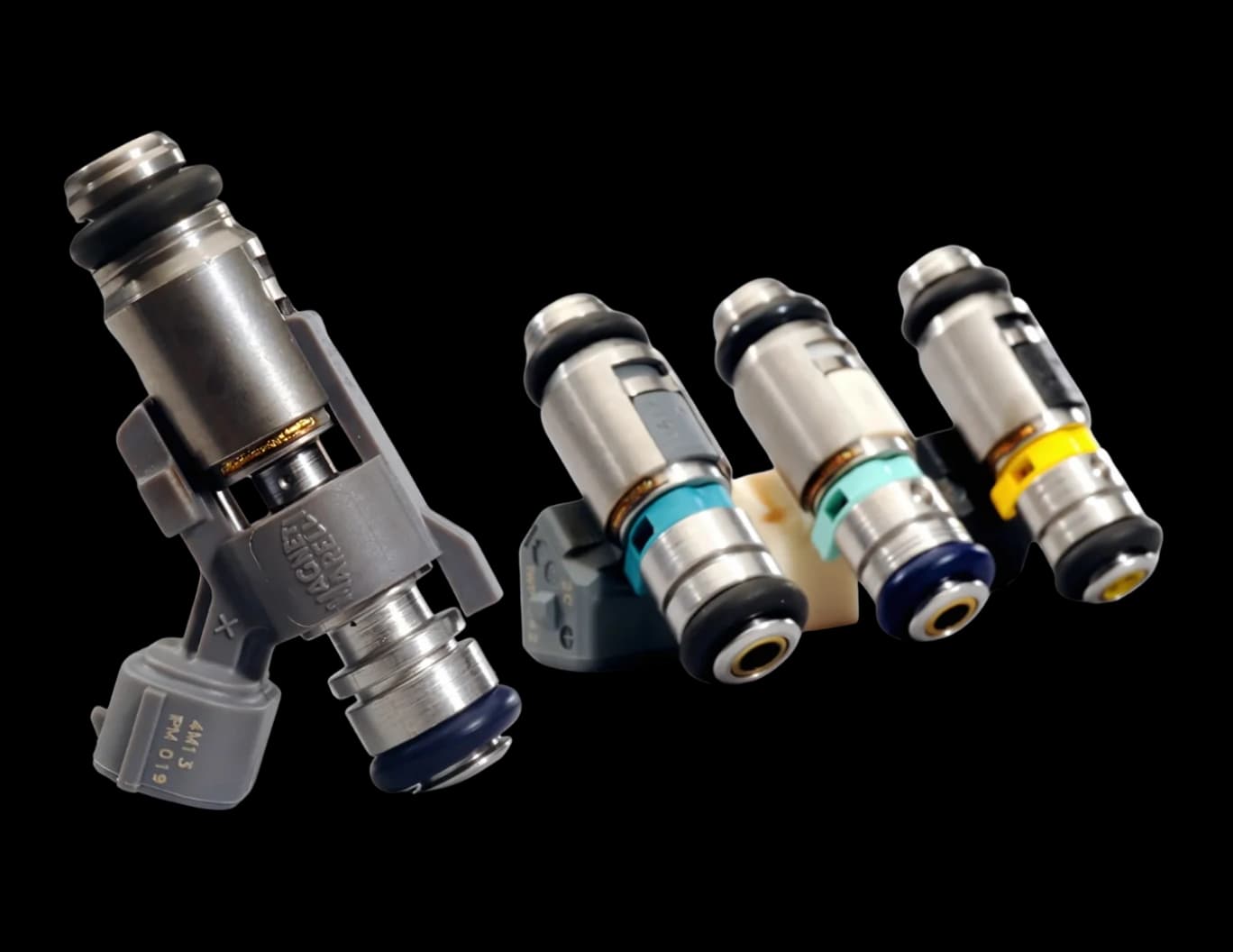
Fuel Injector Cleaning
Professional Jeep fuel injector cleaning and full fuel system servicing at Zenfo Auto Services, Musaffah. OEM parts, certified technicians, and upfront pricing.
Learn more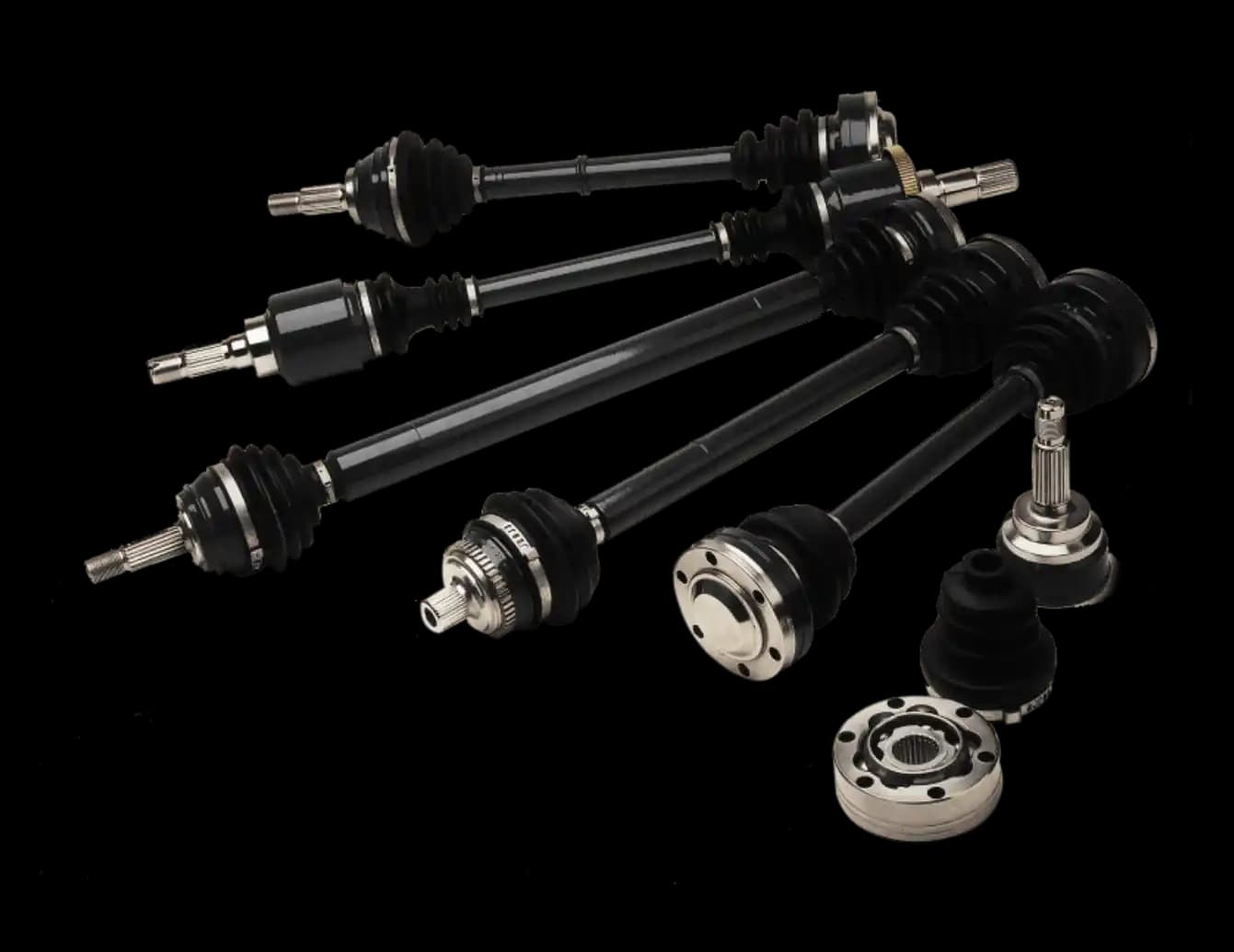
Driveshaft Repair
Zenfo Auto Services provides complete Jeep driveshaft repair in Musaffah, covering CV joint replacement, U-joint overhaul, prop shaft balancing, and diagnostics.
Learn more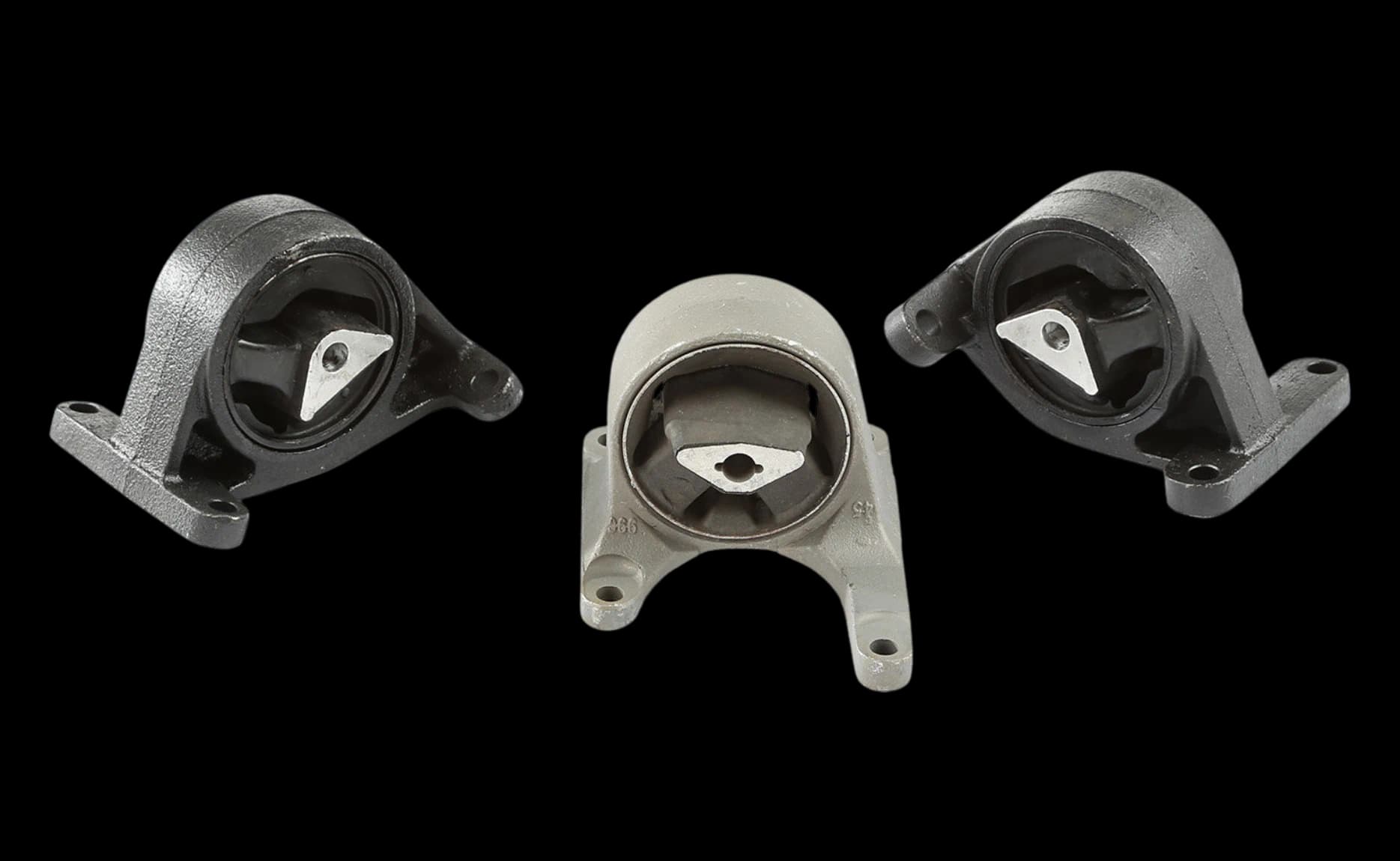
Engine Mount Replacement
Zenfo Auto Services provides certified Jeep engine mount replacement in Musaffah. OEM-grade rubber and hydraulic mounts, torque-spec installation, and inspection.
Learn more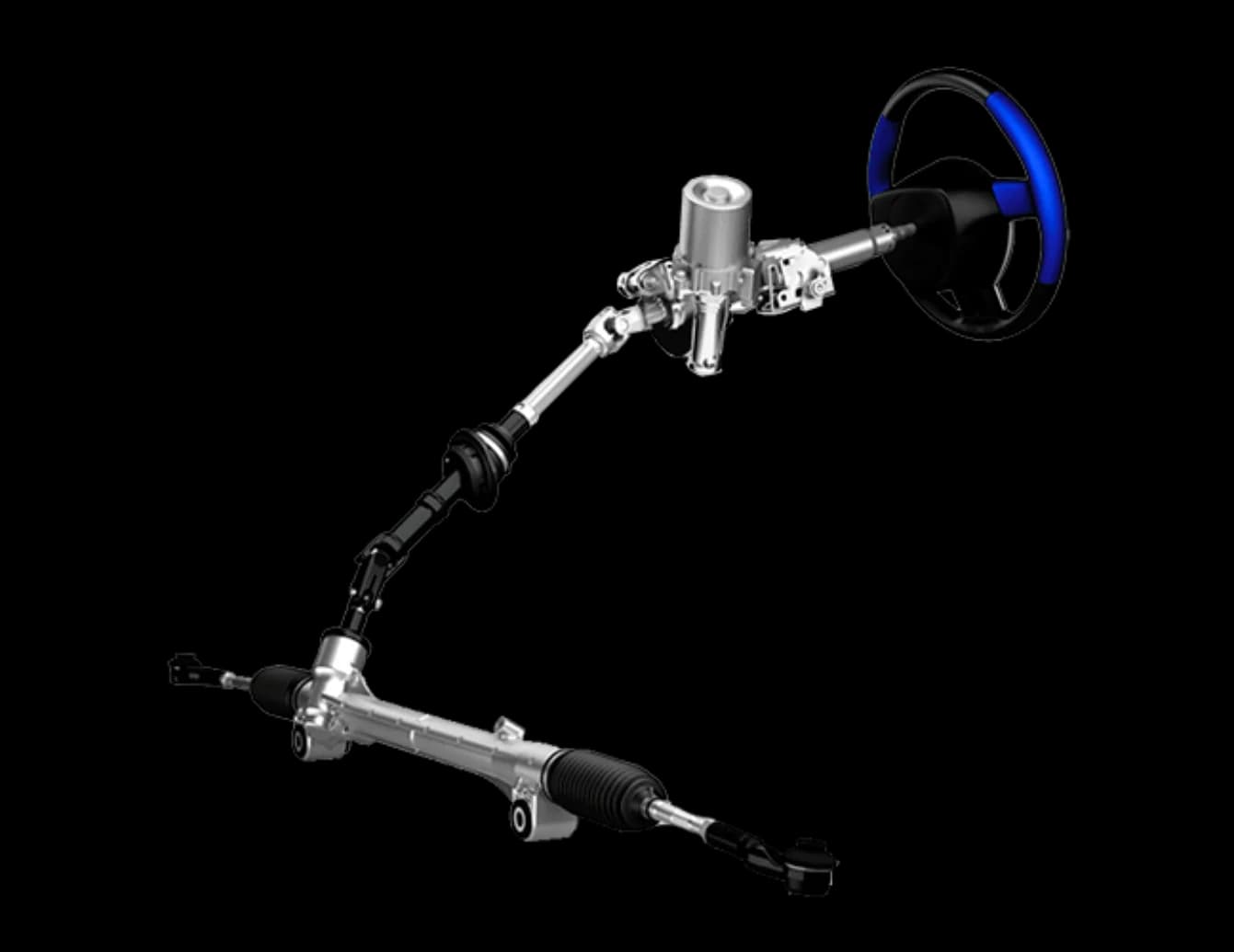
Steering Repair
Zenfo Auto Services provides Jeep steering repair in Musaffah, covering rack and pinion, EPS faults, tie rod replacement, and steering diagnostics. Book now!
Learn more
Leak Repair
Certified Jeep leak repair in Musaffah at Zenfo Auto Services. Engine oil, coolant, transmission and power steering leaks diagnosed by pressure testing.
Learn more
Benefits of Professional Jeep Malfunction Servicing
| Benefit | Description | Impact |
|---|---|---|
| Accurate Root-Cause Diagnosis | OBD-II freeze frame data, live PID monitoring, and oscilloscope testing identify the actual fault rather than replacing parts based on the warning lamp alone | Correct first-time diagnosis reduces unnecessary parts expenditure by up to 40% compared to symptom-based replacement without data confirmation |
| Restored Engine Performance | Correcting fuel trim deviations caused by faulty MAF or O2 sensors returns the air-fuel ratio to the stoichiometric target of 14.7:1 for petrol engines | Restoring correct fuelling recovers engine output to within 2% of the manufacturer's rated power and torque figures |
| Reduced Fuel Consumption | Resolving EVAP leaks, correcting long-term fuel trim beyond plus or minus 10%, and replacing a stuck-open thermostat reduce excess fuel delivery | Addressing a single fuel trim fault can reduce fuel consumption by 5 to 8% compared to a vehicle operating continuously in open-loop mode |
| Extended Component Life | Early fault repair prevents secondary damage caused by a lean misfire, overheating catalytic converter substrates above 1,100 degrees Celsius or a rich misfire washing oil from cylinder walls | Timely ignition fault repair prevents catalytic converter damage that would otherwise require replacement at a cost significantly higher than the original ignition repair |
| Maintained Safety System Function | Correct ABS, ESC, and TPMS operation depends on accurate sensor signals and properly calibrated control modules | A functioning ESC system reduces single-vehicle accident risk by up to 35% on wet or loose surfaces, according to published NHTSA vehicle dynamics studies |
| Emissions Compliance | Repairing EVAP leaks above 0.020 inches and restoring catalytic converter efficiency above the 0.985 OSC threshold ensures the vehicle meets Euro 5 or Euro 6 standards | A correctly functioning emission system avoids failed periodic technical inspection (Muroor) and associated re-registration delays |
| Preserved Resale Value | Complete malfunction repair records with OBD-II scan data and OEM parts documentation confirm full system functionality to prospective buyers | Documented malfunction-free service history supports resale value retention and satisfies UAE Muroor inspection requirements across all Jeep model categories |
Maintenance Tips After Jeep Malfunction Repair
Following these practices between service intervals helps keep the repaired systems reporting correctly and prevents avoidable fault codes.
- Track Fuel Trim Readings at Every Service Interval: STFT must stay within ±5% and LTFT within ±10% at both idle and cruise conditions.
- Complete All OBD-II Readiness Monitors Before a Muroor Emissions Test: The PCM needs 2 to 5 full drive cycles to run catalyst, EVAP, O2, and EGR monitors.
- Set Correct Tyre Pressure Before Any TPMS Relearn Procedure: Baseline pressure must sit within 2 PSI of the door placard value for accurate sensor programming.
- Clean Battery Terminals Every 20,000 km to Prevent False Module Faults: Corrosion exceeding 0.5 mm raises contact resistance and triggers BCM and PCM errors without real component failure.
- Avoid Short Trips Below 8 km After Catalytic Converter Replacement: The converter needs exhaust temperatures above 400 degrees Celsius to build oxygen storage capacity for downstream O2 confirmation.
- Book a Follow-Up OBD-II Scan at 1,000 km After Any Repair: This confirms readiness monitors passed, no pending codes matured, and all sensor PID values remain within accepted programmed bands.
Jeep Models, We Service in Musaffah
Zenfo Auto Services provides malfunction repair for the complete range of Jeep models at our Musaffah workshop.
Portfolio
Our Recent Work
Tap any photo to view the full set.
Questions answered
Frequently Asked Questions
What does a Jeep malfunction repair service at your workshop include?
A standard malfunction repair service covers full OBD-II DTC retrieval from all control modules, freeze frame and live PID data analysis, component-level resistance and voltage testing, sensor calibration verification, wiring integrity checks at suspected harness locations, and a post-repair scan confirming all readiness monitors have returned to Ready status. A written report listing all fault codes, replaced components, measured values, and calibration confirmation is provided at handover.
How do technicians determine whether a warning lamp fault is a sensor fault or a genuine component failure?
Each fault code includes a freeze frame snapshot of operating conditions at the moment the fault was stored. Technicians compare live sensor PID values against the expected calibration range, measure component resistance and voltage output directly at the connector, and use oscilloscope waveform analysis to identify signal dropouts or distortion not visible in static voltage readings. A sensor fault that disappears at operating temperature but reappears on cold start is identified through a full cold-to-hot drive cycle data log rather than a static workshop test.
How long does a Jeep malfunction diagnosis and repair take?
A single fault code diagnosis and component replacement takes 1 to 3 hours. Multi-system faults involving wiring inspection, module calibration, or EVAP smoke testing take 3 to 6 hours. A complete electrical system overhaul covering PCM reprogramming, multiple sensor replacements, and post-repair readiness monitor completion takes 1 to 2 working days depending on fault complexity and parts availability for the specific Jeep model and engine configuration.
Can a Jeep malfunction lamp be cleared without repairing the underlying fault?
Code clearing without repair results in the fault returning within 2 drive cycles for a type A emission fault or within 3 drive cycles for a type B fault, at which point the MIL reilluminates. Some faults also impose a 40-warm-up-cycle counter before the MIL extinguishes naturally even after the fault is corrected, which is why post-repair verification through a completed OBD-II readiness monitor cycle is always performed before the vehicle is returned.
Do you service Jeep 4xe plug-in hybrid malfunction faults?
Yes. Zenfo Auto Services services all Jeep Wrangler 4xe and Grand Cherokee 4xe high-voltage system faults using technicians certified to IEC 60900 high-voltage safety standards. Diagnostics cover BMS cell voltage deviation, contactor relay function, cooling circuit integrity, and inverter module communication faults accessed through the wiTECH 2.0 platform. High-voltage system isolation is confirmed with an insulation resistance test above 1 megaohm before and after any HV circuit repair.
What causes multiple unrelated warning lamps to appear simultaneously on a Jeep?
Multiple simultaneous warning lamps most commonly originate from a failing battery below 70% CCA capacity causing voltage drop that causes module resets, a CAN bus network fault disrupting communication between control modules, or a wiring harness ground offset above 0.1 V introducing reference voltage errors across multiple sensor circuits. These conditions produce genuine DTCs in several modules simultaneously without any of those modules having an internal fault. CAN bus network scanning and battery load testing are performed before any module is replaced.
How often should Jeep electronic systems be scanned for pending fault codes?
A full OBD-II system scan is recommended at every 20,000 km service or 12-month interval. Pending codes that have not yet triggered the MIL are identified and addressed before they mature into active emission faults. Systems with known wear schedules, including O2 sensors at 80,000 km and ignition coils at 100,000 km, are assessed against their expected calibration values during the routine scan before a visible performance symptom appears.
Do you reset all fault codes after completing a Jeep malfunction repair?
Fault codes are cleared only after the specific root cause has been identified, repaired, and physically confirmed through component testing. Post-repair, the vehicle is driven through a complete OBD-II readiness drive cycle, and a final scan confirms that all monitors read Ready, no pending codes are present, and all live sensor PID values fall within the correct acceptance bands. Codes are not cleared before the repair is completed, as premature clearing removes the freeze frame data needed to confirm the repair was effective.
Need your Jeep looked at today?
Same-day slots for battery, oil service, brake pads, tyre fitting, AC recharge and ECU coding. Written estimate before any work begins.
Near 21, As Salami 8 St, Musaffah Industrial Area, M9, Abu Dhabi, United Arab Emirates