Zenfo Auto Services · Mussafah
Complete Jeep AC Repair & Air Conditioning Service in Musaffah
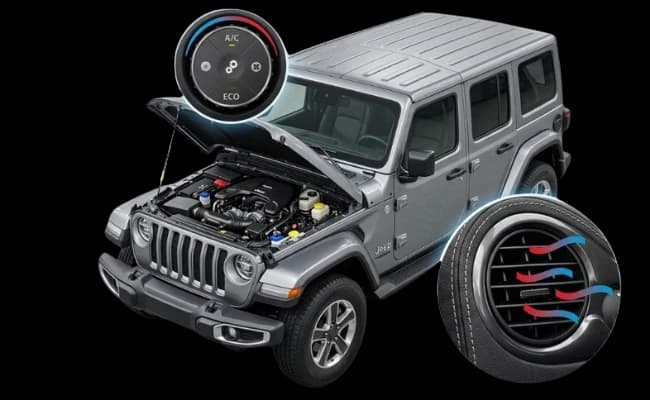
Zenfo Auto Services provides complete Jeep air conditioning diagnosis, repair, and servicing in Musaffah. Certified technicians handle all Jeep models using OEM-compatible components and specialised automotive HVAC tools and equipment.
- Open daily (Mon – Sun): 09:00 – 21:00
- Musaffah Industrial Area, M9, Abu Dhabi
- Years of Experience
- 10+Years of Experience
- Satisfied Clients
- 100%Satisfied Clients
- Pickup & Delivery Service
- 24/7Pickup & Delivery Service
- Quick Service
- 2xQuick Service
- 4.9 ★ Google reviews
- Free pick-up & delivery
- OEM-grade parts
- 12-month repair warranty
- Written estimate before any work
- Jeep-specific diagnostic software
- Certified Jeep technicians
- 24/7 breakdown assistance
- Same-day slots available
Why Choose Zenfo Auto Services for Jeep AC Repair in Musaffah?
Jeep AC repairs demand precise refrigerant handling, accurate leak detection, and a working knowledge of both manual and automatic climate control architectures. Every repair follows OEM refrigerant charge specifications, pressure calibration standards, and electronic climate control programming procedures to maintain factory-level cabin cooling performance across all operating conditions.
Certified Jeep HVAC Technicians
Technicians are trained on Jeep HVAC systems, including R-134a and R-1234yf refrigerant platforms. Every inspection covers compressors, condensers, blend door actuators, and expansion valves while following OEM cooling performance standards and structured diagnostic procedures throughout the repair process.
Genuine OEM-Compatible Parts & Advanced Workshop Equipment
Only OEM-compatible compressors, condensers, evaporators, and PAG oils are used during repairs. Advanced workshop equipment, including recovery stations, UV leak detectors, manifold gauges, and HVAC scan tools, confirms accurate refrigerant pressure, leak detection, and climate control system performance.
Efficient AC Service Turnaround
Standard refrigerant recharge services are completed within 60 to 90 minutes on most Jeep models. Compressor replacement and system flushing require additional time depending on component access. Multiple vehicles are serviced daily without reducing inspection quality or repair accuracy.
Clear and Consistent Pricing
All AC repair costs are confirmed before work begins, including labour, refrigerant charges, and replacement components. Customers receive a written service report listing completed repairs, refrigerant quantity, pressure readings, and all replaced HVAC system components after service completion.
Jeep AC Repair Services We Provide
AC Refrigerant Recharge (R-134a / R-1234yf)
Correct refrigerant quantity is essential for maintaining stable cabin cooling performance and evaporator efficiency. Existing refrigerant is recovered and measured before recharge. The system is filled according to Jeep pressure specifications using OEM-approved refrigerant for proper cooling operation.
AC Leak Detection & Repair
AC refrigerant leaks reduce cooling efficiency and increase compressor operating strain during use. Leak detection combines UV dye testing with electronic leak detectors to identify damaged fittings and seals. All leaks are repaired completely before refrigerant recharge procedures begin.
AC Compressor Replacement
The AC compressor generates the refrigerant pressure required for cabin cooling across the HVAC system. Compressor clutch voltage, current draw, and pressure output are tested before replacement. New compressors are installed with the correct PAG oil quantity and verified belt tension settings.
AC Condenser Replacement & Cleaning
The condenser removes heat from high-pressure refrigerant before it reaches the expansion valve assembly. Damaged fins, corrosion, and restricted flow reduce cooling efficiency significantly. The condenser is pressure-flushed, inspected carefully, and replaced when structural or internal damage is confirmed.
Evaporator Core Replacement
The evaporator absorbs cabin heat through refrigerant circulation inside the HVAC housing assembly. Replacement usually requires dashboard removal and HVAC case disassembly on most Jeep models. Drain tubes, sealing foam, and thermistor positioning are inspected before system reassembly and recharge.
Expansion Valve & Orifice Tube Replacement
Expansion valves regulate refrigerant flow entering the evaporator according to pressure and temperature conditions. Blocked valves reduce cooling performance and increase suction pressure inside the system. OEM-specification replacement components are installed after inspecting the inlet screens and refrigerant passages carefully.
Receiver-Drier & Accumulator Replacement
The receiver-drier removes moisture and contaminants from the refrigerant circuit during normal system operation. Saturated desiccant material reduces moisture absorption and increases compressor damage risk. Replacement is performed whenever the refrigerant circuit is opened for major component repair procedures.
Blend Door Actuator Replacement
Blend door actuators control cabin airflow temperature by adjusting heated and cooled air distribution. Faulty actuators create clicking noises or fixed temperature output from dashboard vents. Position feedback values and motor current readings are checked before replacement and recalibration procedures.
Blower Motor & Resistor Replacement
The blower motor circulates cabin air through the evaporator and heater core assembly. Worn motors reduce airflow volume and cooling efficiency. Electrical current draw and resistor resistance values are tested before replacing damaged blower motors or failed resistor components.
AC Compressor Clutch & Belt Service
The compressor clutch engages refrigerant compression when the AC system is activated during driving. An incorrect clutch air gap or worn drive belts reduce compressor engagement efficiency. Belt condition, pulley alignment, and clutch operation are inspected and adjusted during every service.
Cabin Air Filter Replacement
The cabin air filter removes airborne dust, pollen, and contaminants before air enters the passenger compartment. Restricted filters reduce airflow and increase evaporator freeze-up frequency. Replacement is completed using OEM-sized filters designed for proper airflow and filtration performance.
AC System Flush
AC system flushing removes contaminated oil, moisture, and metallic debris from refrigerant lines and HVAC components. Flushing is essential after compressor failure to prevent contamination of replacement parts. Refrigerant-compatible cleaning solvent is circulated and recovered completely before system recharge.
Climate Control Module (BCM / HVAC Module) Diagnosis & Programming
The climate control module manages temperature settings, compressor requests, and blend door positioning throughout the HVAC system. Software faults and calibration errors affect cooling operation and airflow distribution. Diagnostic programming restores correct system communication and climate control performance.
OBD-II HVAC Diagnostics & System Data Analysis
OBD-II diagnostics retrieve HVAC, BCM, and PCM fault codes affecting refrigerant pressure and cooling operation. Live data analysis checks evaporator temperature, compressor duty cycle, and pressure sensor readings. System values are compared with OEM operating ranges before vehicle delivery.
How to Book a Jeep AC Repair at Zenfo Auto Services?
Booking a Jeep AC repair at the Musaffah workshop is a clear and simple process. Follow these three steps to schedule a service appointment.
Book a slot
Talk to a Jeep technician, not a contact form
Call or message the workshop and you will speak to someone who works on Jeeps every day. You get a written, itemised estimate before any work starts, and nothing is charged beyond it.
What to send us
- Your Jeep model and year, such as Wrangler JL or Grand Cherokee WK2
- The fault or service you need, plus any warning lights or noises
- Photos or a short video of the problem, if you have them
- Your preferred drop-off day; same-day slots are usually available
- WhatsApp+971 52 515 0820Fastest reply; send photos of the fault
- Call the workshop+971 52 515 0820Same-day slots for oil, brakes, battery and AC
- Emailinfo@zenfoautoservices.aeWritten response within 4 business hours
- Walk in, no appointment neededNear 21, As Salami 8 St, Musaffah Industrial Area, M9, Abu Dhabi, United Arab EmiratesGet directions on Google Maps
Share Your Jeep Details
Provide the Jeep model, year, current mileage, and the AC concern observed - such as warm air from vents, an intermittent cooling fault, unusual noise during compressor engagement, or a dashboard warning related to the climate control system. This allows technicians to prepare the correct OEM-compatible parts and diagnostic tools before the vehicle arrives.
Make a Booking
Select a date and time that suits the schedule. Same-day and next-day appointments are available, and a free pickup and delivery service is provided across the Musaffah area for customers who cannot bring the vehicle in directly.
We Service
Certified technicians complete the AC repair or service and provide a written diagnostic and service report at the end of the job. Customers are informed throughout the process, including any additional findings identified during the HVAC inspection.
What you get
Key Features We Provide
- Experienced & Certified Mechanics
- 24/7 Breakdown Assistance
- Timely & Efficient Delivery
- Instant Price Quotes
- Free Pickup & Delivery
- Repair Warranty on All Services
When Does Your Jeep AC Need Repair?
The following signs indicate that the Jeep air conditioning or HVAC system requires professional inspection. Addressing these symptoms early prevents further damage to the compressor, condenser, and climate control module.
| Issue | Symptoms / Signs | Possible Cause | Recommended Solution |
|---|---|---|---|
| Warm Air from Vents | The AC system blows ambient or warm air despite the low temperature setpoint | Low refrigerant charge, failed compressor clutch, blocked expansion valve | Refrigerant pressure test, compressor clutch check, and expansion valve inspection |
| Intermittent Cooling | Cabin temperature fluctuates between cool and warm during normal operation | Refrigerant leak, faulty pressure sensor, cycling clutch fault | Leak detection test, pressure sensor replacement, clutch circuit diagnosis |
| Unusual Noise During AC Operation | Grinding, rattling, or squealing when the compressor engages | Worn compressor bearing, loose belt, damaged clutch plate | Compressor bearing test, belt tension check, clutch air gap measurement |
| AC Dashboard Warning Light | Climate control warning or MIL displayed on the instrument cluster | BCM or HVAC module fault code, refrigerant pressure fault, actuator error | Full OBD-II HVAC scan, fault code retrieval, actuator and sensor inspection |
| Clicking Noise Behind Dashboard | Repeated clicking from inside the dashboard, particularly when changing the temperature | Faulty blend door actuator, stripped actuator gear, and door obstruction | Actuator motor test, position feedback voltage check, and actuator replacement |
| Reduced Airflow from Vents | Weak airflow at all fan speed settings | Blocked cabin air filter, worn blower motor, collapsed duct | Cabin filter replacement, blower motor current test, duct inspection |
| Foul Odour from Vents | Musty or mildew smell when the AC or fan is active | Microbial growth on evaporator core, blocked condensate drain tube | Evaporator anti-bacterial treatment, drain tube clearing, and filter replacement |
| Water Inside the Cabin | Moisture on the floor mat or under the dashboard | Blocked evaporator condensate drain, cracked drain tube | Drain tube inspection, clearing, or replacement with HVAC case sealing check |
Our services
Our Jeep Services in Mussafah
Major and Minor Services
Don't wait until it's too late! Book your Jeep major or minor service at Zenfo Auto Services, Musaffah. Genuine parts, transparent pricing & fast turnaround guaranteed.
Learn more
Brake Pad Replacement
Get professional Jeep brake pad replacement and full brake system servicing at Zenfo Auto Services, Musaffah. OEM parts, certified technicians, and transparent pricing.
Learn more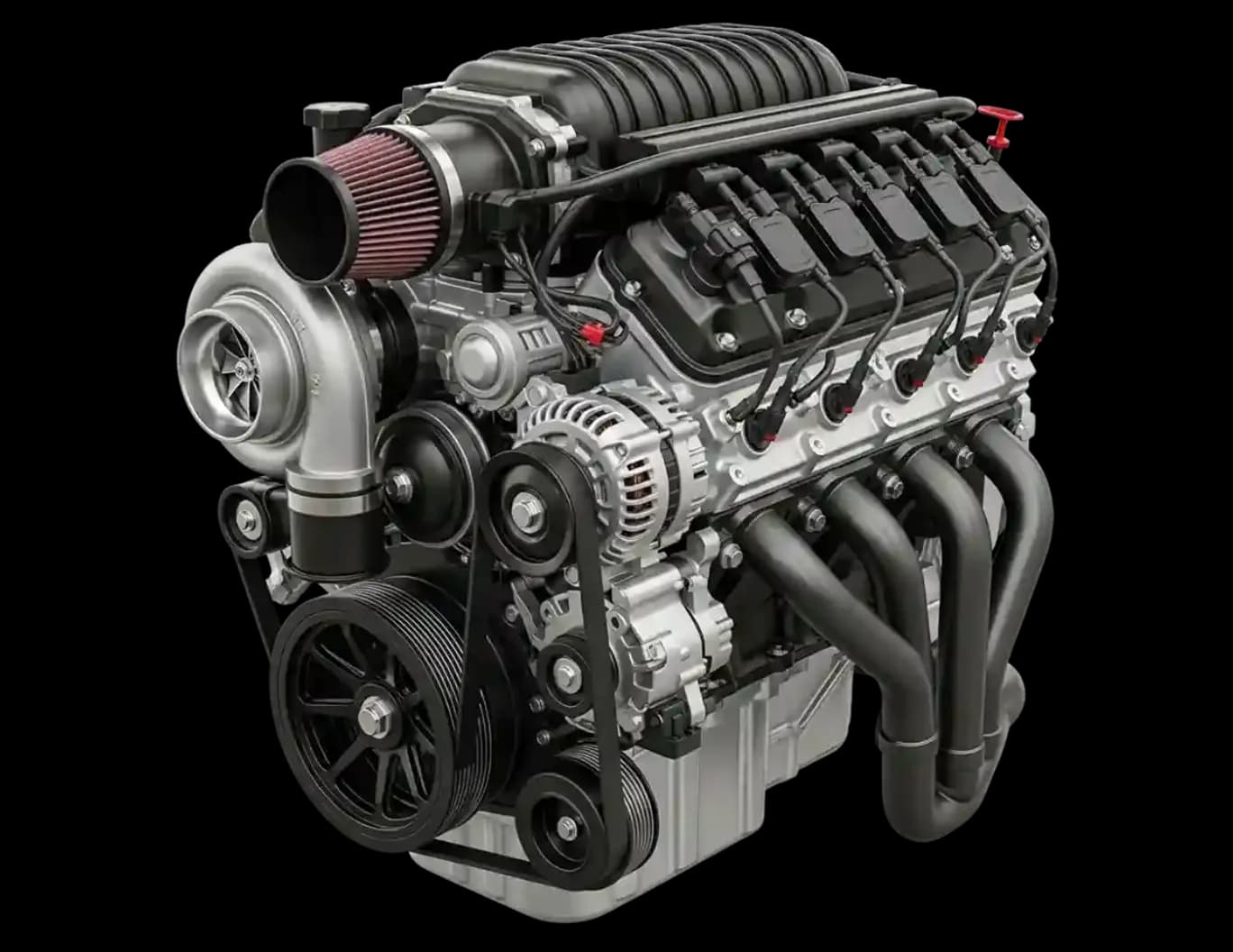
Engine Repair
Zenfo Auto Services provides certified Jeep engine repair in Musaffah, covering diagnostics, timing chain service, rebuilds, and overhauls. Book Now!
Learn more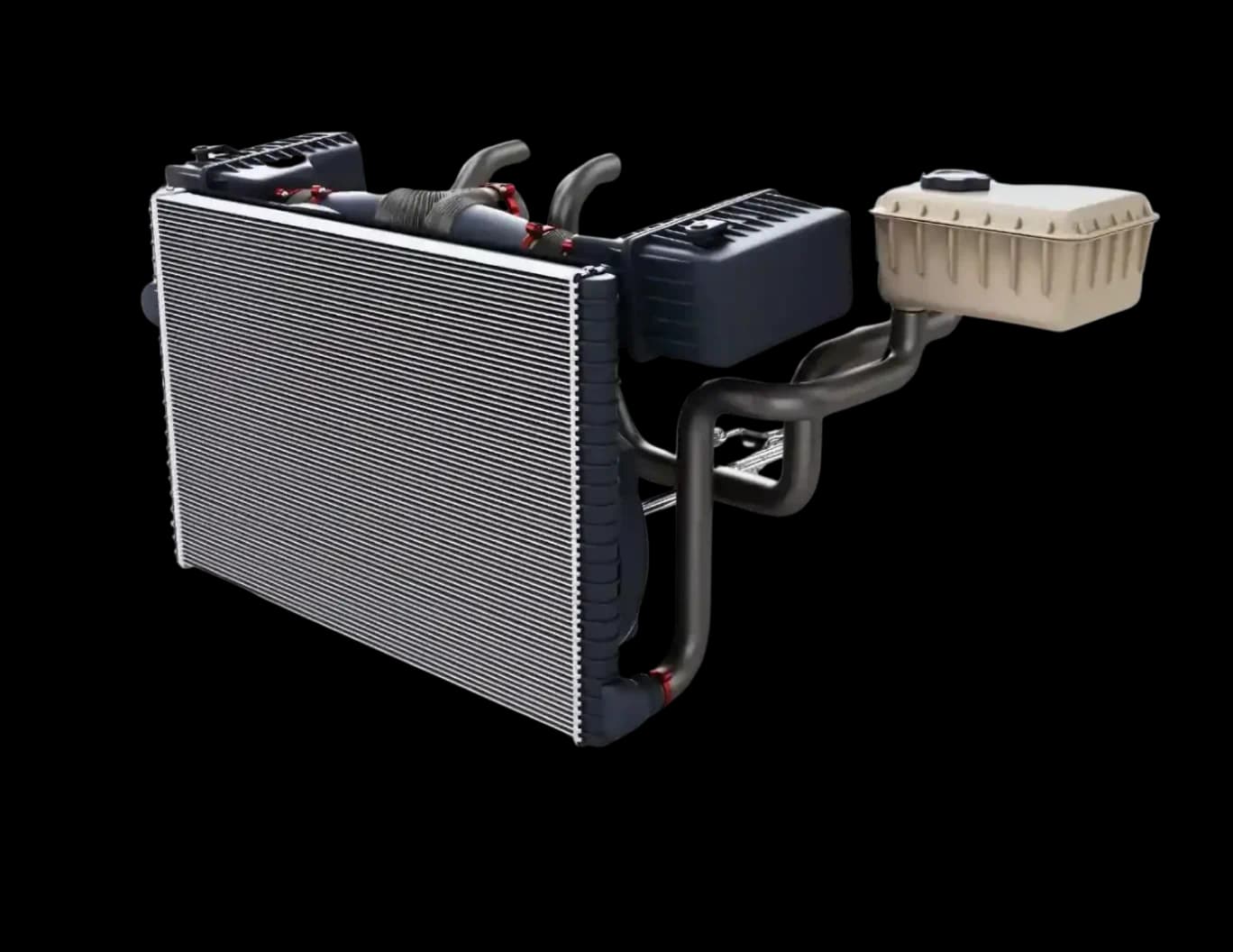
Radiator Repair
Zenfo Auto Services offers Jeep radiator repair in Musaffah, covering leak detection, coolant flush, and full cooling system diagnostics. Book your slot now!
Learn more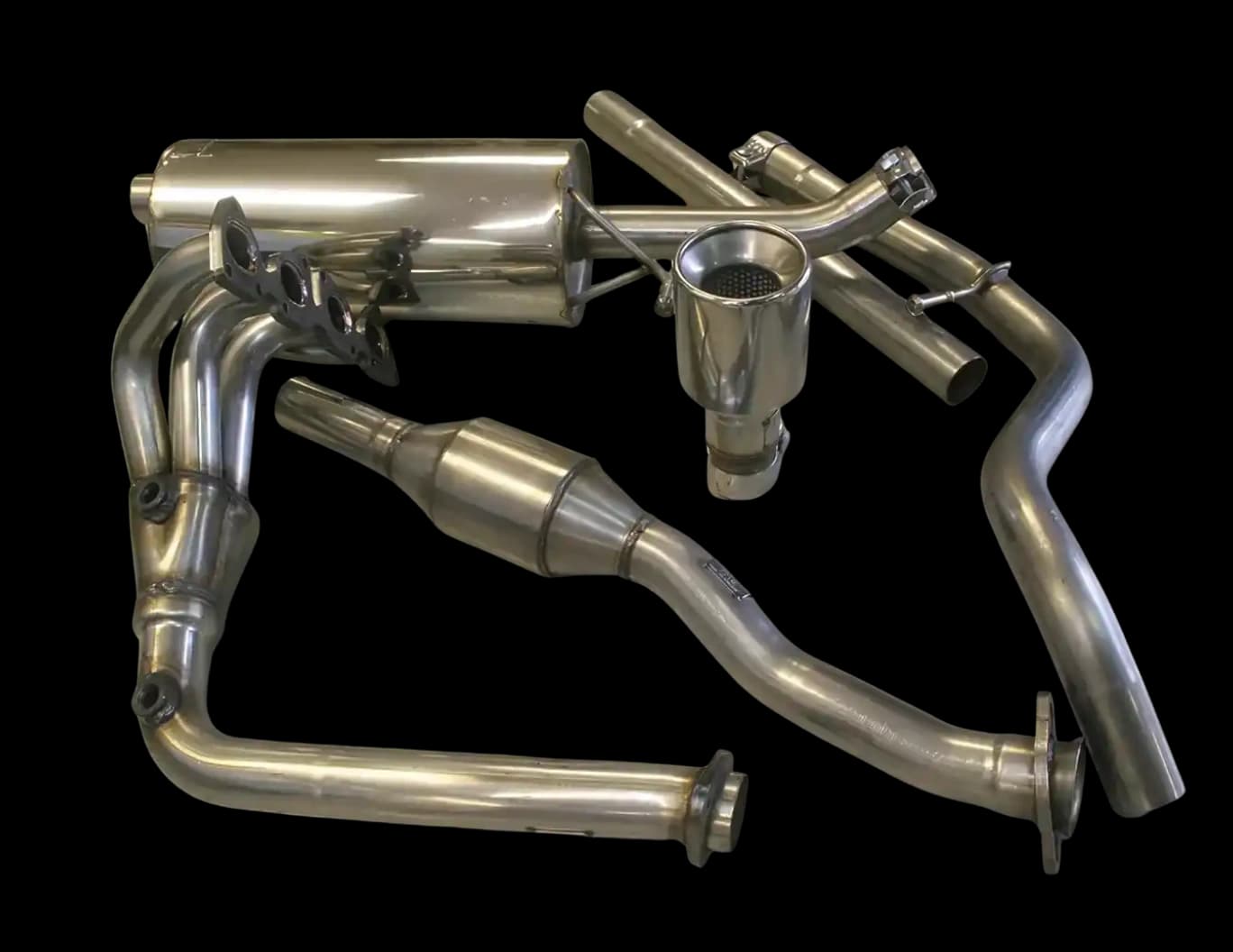
Exhaust Repair
Zenfo Auto Services offers complete Jeep exhaust repair in Musaffah, covering catalytic converters, DPF cleaning, manifold replacement, and full diagnostics.
Learn more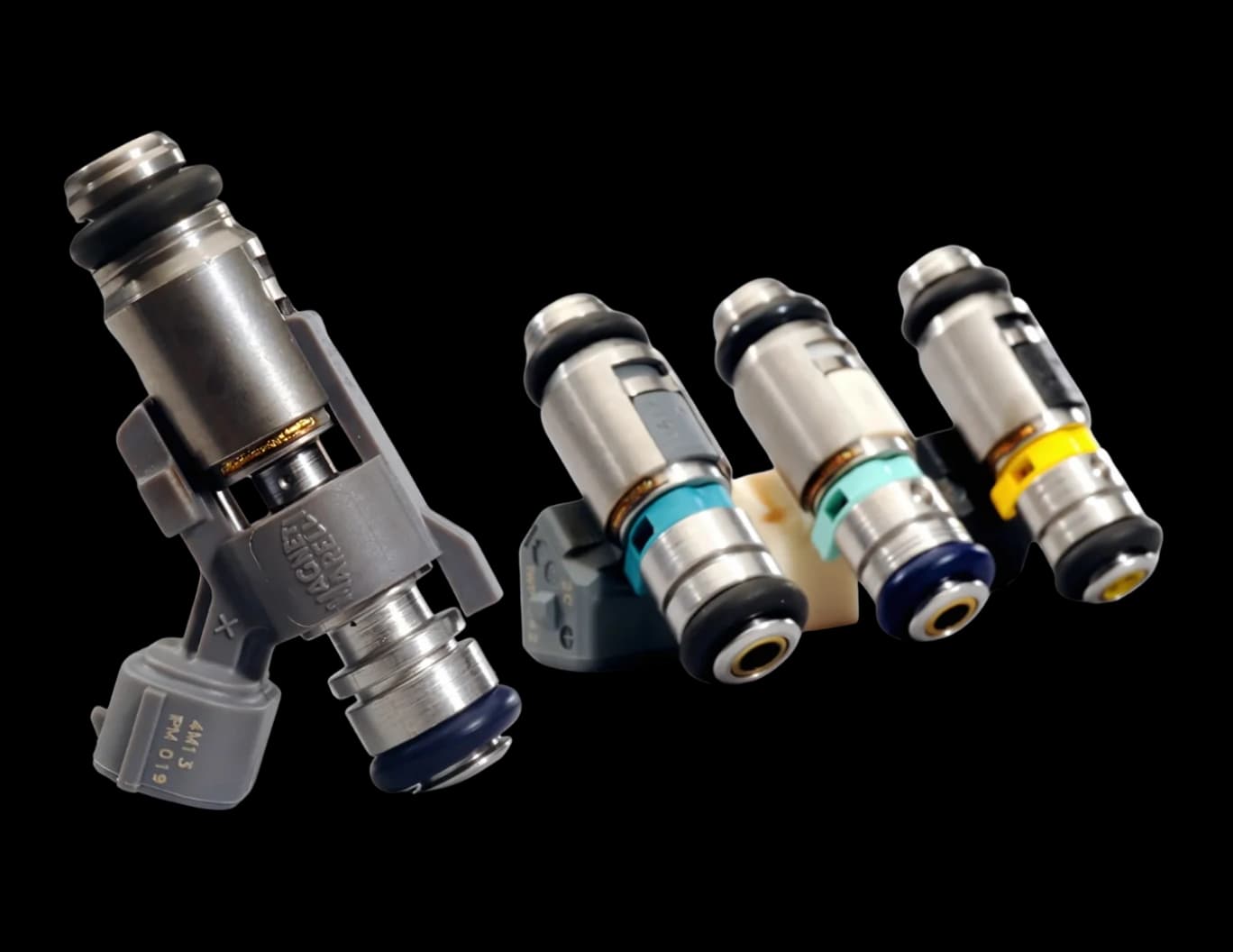
Fuel Injector Cleaning
Professional Jeep fuel injector cleaning and full fuel system servicing at Zenfo Auto Services, Musaffah. OEM parts, certified technicians, and upfront pricing.
Learn more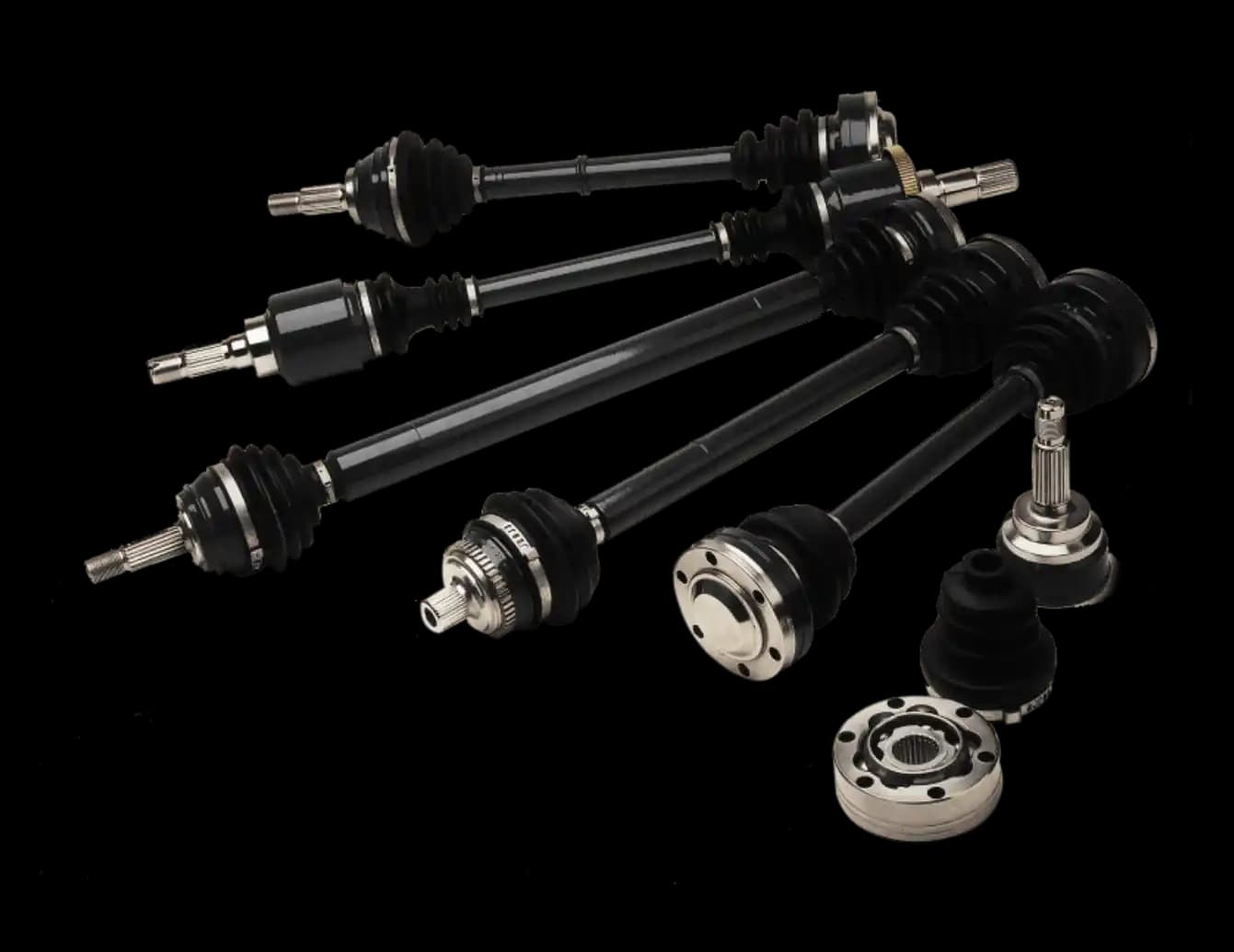
Driveshaft Repair
Zenfo Auto Services provides complete Jeep driveshaft repair in Musaffah, covering CV joint replacement, U-joint overhaul, prop shaft balancing, and diagnostics.
Learn more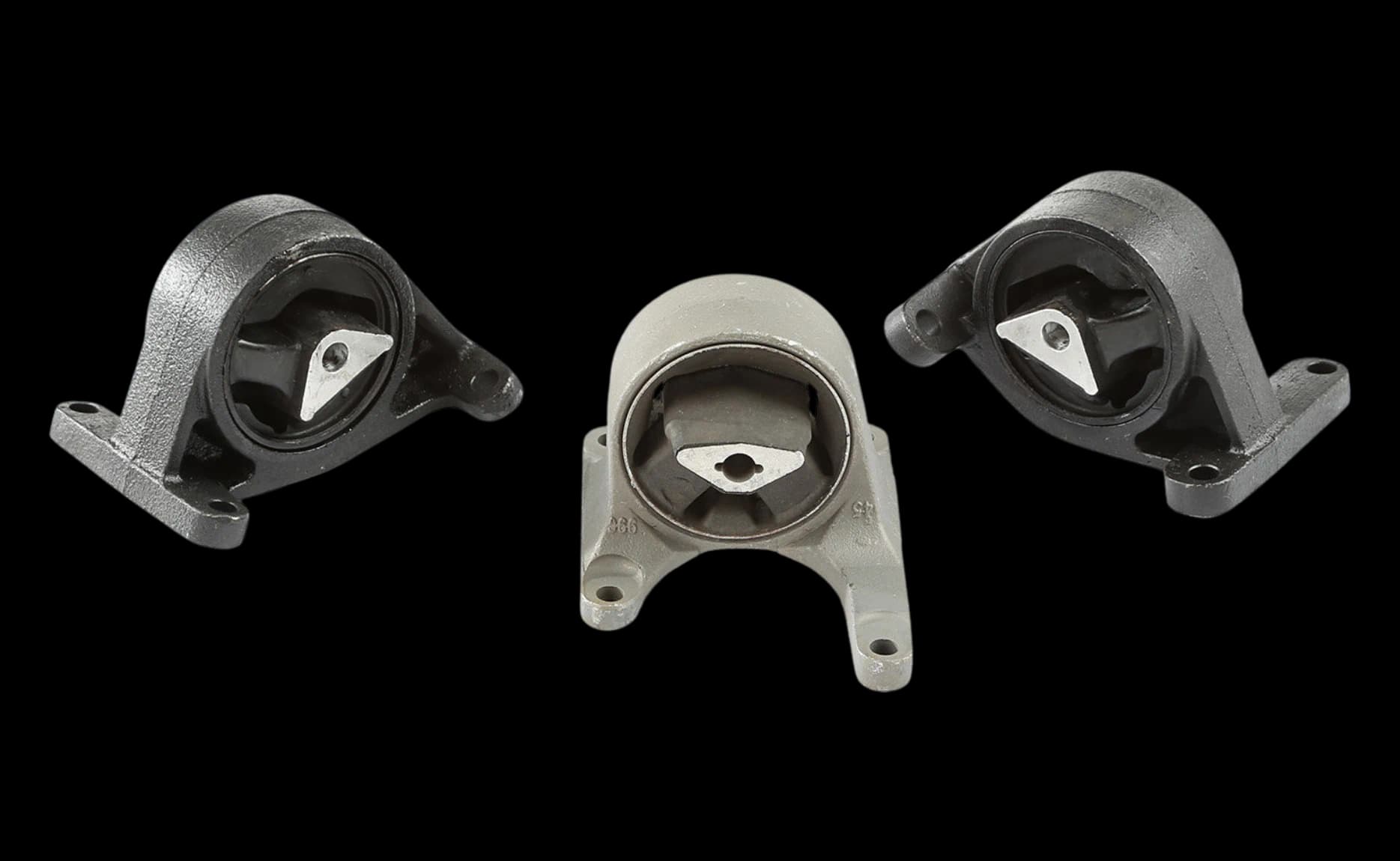
Engine Mount Replacement
Zenfo Auto Services provides certified Jeep engine mount replacement in Musaffah. OEM-grade rubber and hydraulic mounts, torque-spec installation, and inspection.
Learn more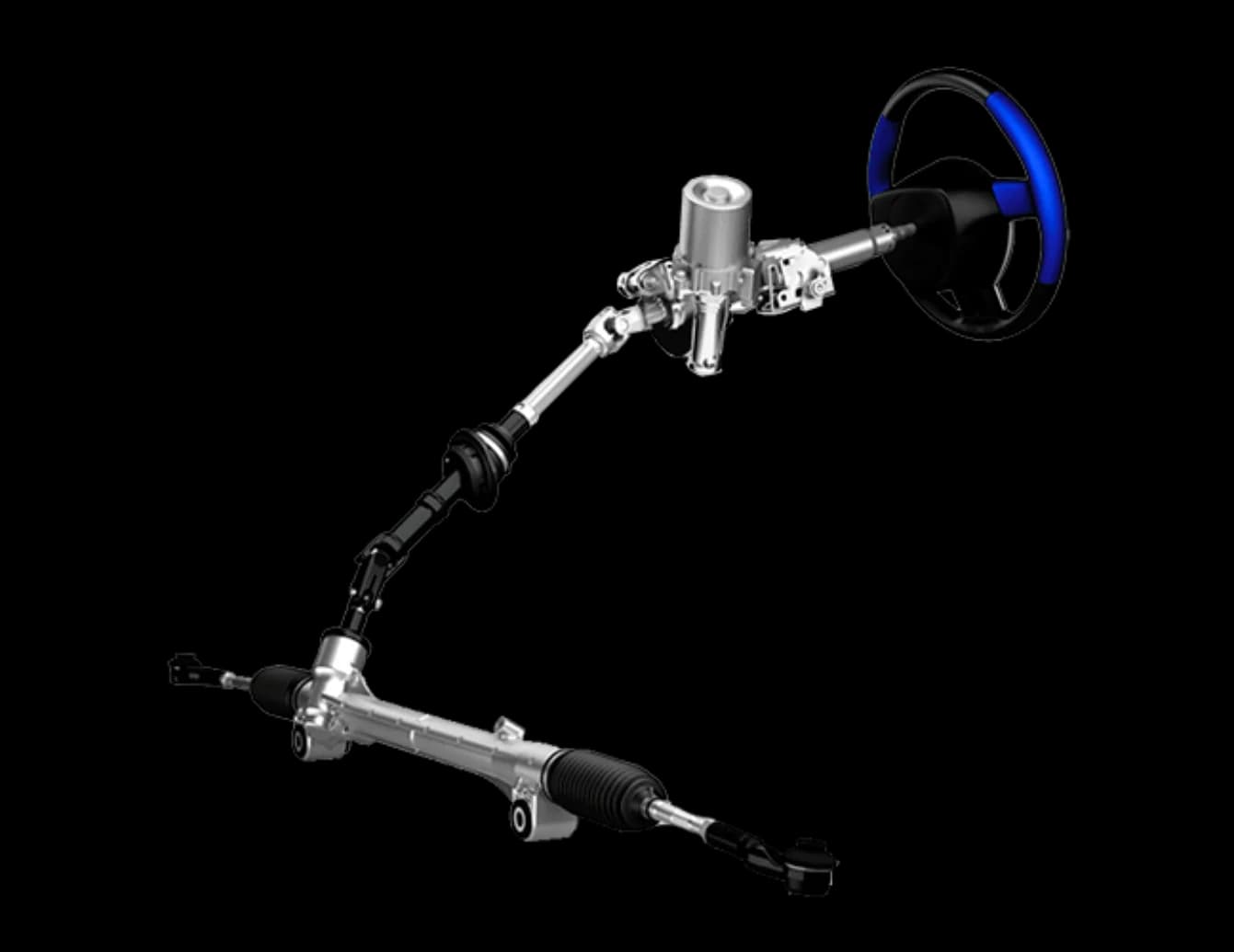
Steering Repair
Zenfo Auto Services provides Jeep steering repair in Musaffah, covering rack and pinion, EPS faults, tie rod replacement, and steering diagnostics. Book now!
Learn more
Leak Repair
Certified Jeep leak repair in Musaffah at Zenfo Auto Services. Engine oil, coolant, transmission and power steering leaks diagnosed by pressure testing.
Learn more
Benefits of Professional Jeep AC Repair & HVAC Servicing
Regular AC maintenance and timely repair at correct service intervals provide measurable comfort, safety, and cost benefits for the Jeep over its full service life.
| Benefit | Description | Impact |
|---|---|---|
| Restored Cabin Cooling Performance | Correct refrigerant charge and matched component replacement restore evaporator outlet temperature to OEM specification | A correctly charged system achieves evaporator discharge temperatures of 2°C to 6°C at 38°C ambient, matching factory cooling benchmarks |
| Improved Fuel Efficiency | A properly functioning compressor operating within its rated pressure range reduces parasitic load on the engine | An overcharged or undercharged AC system increases engine load by 3 to 8% compared to a correctly charged circuit |
| Extended Compressor Service Life | Removing moisture and metallic debris through regular flushing and drier replacement prevents internal compressor scoring | Timely receiver-drier and fluid service extends compressor service life by up to 40% compared to unmaintained systems |
| Reduced Cabin Odour & Air Quality Issues | Evaporator anti-bacterial treatment and cabin filter replacement eliminate microbial contamination from the air distribution path | Regular evaporator cleaning reduces airborne particulate count in the cabin by up to 70% over a 12-month service interval |
| Safer Windscreen Demisting | A correctly functioning AC system dehumidifies recirculated cabin air, reducing windscreen mist formation during rainfall | A fully operational AC-assisted demist system clears a fogged windscreen up to 3 times faster than heating alone |
| Lower Long-Term Repair Costs | Identifying refrigerant leaks, desiccant saturation, and clutch wear early prevents compressor seizure and full system contamination | Addressing minor AC faults at inspection intervals reduces total HVAC repair costs by up to 55% over the vehicle's service life |
| Correct BCM / HVAC Calibration | A correctly programmed HVAC module maintains accurate temperature setpoints, compressor request logic, and blend door positioning | Correct module calibration eliminates incorrect fault code storage and prevents unnecessary compressor cycling damage |
Maintenance Tips After Jeep AC Repair
Following these practices between service intervals helps maintain AC performance and extends the service life of recently repaired or replaced HVAC components.
- Run the AC System Regularly: Operating the AC for at least 10 minutes per week, even during cooler months, circulates PAG oil through the compressor shaft seals and prevents seal shrinkage from extended inactivity.
- Replace the Cabin Air Filter at Correct Intervals: The cabin filter should be replaced every 15,000 to 20,000 km, or annually. A restricted filter reduces evaporator airflow and increases the frequency of evaporator icing events.
- Do Not Set the Temperature to Maximum Cold Continuously: Operating the system at the lowest setpoint for extended periods without recirculation mode increases evaporator freeze risk and raises compressor cycling frequency beyond the designed duty cycle.
- Inspect for Refrigerant Leaks at Routine Service Visits: Schrader valves, condenser inlet fittings, and hose crimps are the most frequent leak points on high-mileage Jeep models. Early detection before the system pressure drops below 150 kPa prevents compressor dry-running damage.
- Address AC Warning Lights Without Delay: A stored HVAC fault code or dashboard AC warning indicates an active system condition. Continued operation without diagnosis can cause a pressure fault to disable compressor engagement entirely, leading to a warm cabin and potential refrigerant circuit moisture ingress.
- Use Recirculation Mode in Heavy Traffic: Recirculation mode reduces the thermal load on the evaporator by recycling pre-cooled cabin air rather than drawing in hot ambient air. This lowers evaporator outlet temperature by 2°C to 4°C and reduces compressor duty cycle during stop-and-go driving.
- Book an AC Inspection at Regular Intervals: Refrigerant pressure, compressor clutch condition, and HVAC module data should be reviewed every 20,000 km or before the summer season, whichever comes first.
Jeep Models, We Service in Musaffah
Zenfo Auto Services provides AC repair and full HVAC servicing for the complete range of Jeep models at the Musaffah workshop.
Portfolio
Our Recent Work
Tap any photo to view the full set.
Questions answered
Frequently Asked Questions
What does a Jeep AC repair service at your workshop include?
A standard AC service includes an OBD-II HVAC diagnostic scan for fault codes, refrigerant pressure test, compressor clutch current draw measurement, leak detection check, cabin filter inspection, blend door actuator function test, and a written service report with refrigerant weight and pressure readings recorded before and after the repair.
How do I know if my Jeep's AC needs repair?
Common indicators include warm or ambient-temperature air from the vents, intermittent cooling during normal driving, grinding or squealing noise when the compressor engages, a flashing AC warning light on the dashboard, reduced airflow at all fan settings, a musty smell from the vents, or water accumulating on the cabin floor.
How often should the AC refrigerant be checked on a Jeep?
Refrigerant pressure and system performance should be checked every 20,000 km or once per year before the summer season. Vehicles operating in high-ambient-temperature environments benefit from a shorter inspection interval, as thermal cycling accelerates seal degradation and increases the likelihood of slow refrigerant loss.
How long does a Jeep AC repair take?
A refrigerant recharge with leak check takes 60 to 90 minutes. Blend door actuator and cabin filter replacements typically require 1 to 2 hours. A full compressor replacement with system flush and recharge requires 3 to 5 hours. Total service time for any additional work, such as evaporator replacement or BCM reprogramming, is confirmed before the repair begins.
Do you repair both R-134a and R-1234yf refrigerant systems?
Yes. Both refrigerant types are handled with dedicated recovery and recharge stations to prevent cross-contamination. R-1234yf systems, fitted to newer Jeep Grand Cherokee and Wrangler 4xe models, require refrigerant-specific PAG oil and updated sealing components. The correct refrigerant type is confirmed from the vehicle identification plate before any service work begins.
Can you programme or replace the HVAC control module?
Yes. Where the BCM or HVAC module has stored non-recoverable configuration faults, failed compressor request logic, or corrupted temperature calibration data, reprogramming or replacement is completed using a VIN-matched software file and a compatible OBD-II programming interface. A full climate control function test across all modes is performed after module installation.
Do you service the AC system on Jeep hybrid models?
Yes. Jeep Wrangler 4xe models with plug-in hybrid powertrains use an engine-driven AC compressor supplemented by an electrically assisted HVAC circuit. Technicians follow the correct high-voltage isolation procedures before any HVAC component work begins on 4xe drivetrains, and all refrigerant handling follows the R-1234yf service specification for that platform.
What refrigerant types are used in common Jeep models?
Jeep models produced before 2018 typically use R-134a refrigerant. Grand Cherokee WL, Wrangler JL, and Wrangler 4xe models produced from 2018 onwards use R-1234yf refrigerant in line with global low-GWP regulations. The correct refrigerant type and charge weight are confirmed from the underbonnet AC specification label before any recharge procedure begins.
Need your Jeep looked at today?
Same-day slots for battery, oil service, brake pads, tyre fitting, AC recharge and ECU coding. Written estimate before any work begins.
Near 21, As Salami 8 St, Musaffah Industrial Area, M9, Abu Dhabi, United Arab Emirates