Zenfo Auto Services · Mussafah
Professional Jeep Fuel Injector Cleaning & Fuel System Service in Musaffah
Zenfo Auto Services delivers thorough fuel injector cleaning and complete fuel system servicing for all Jeep models in Musaffah, using OEM-compatible components, advanced ultrasonic and on-car cleaning equipment, and certified technicians trained in Jeep-specific fuel delivery systems.
- Open daily (Mon – Sun): 09:00 – 21:00
- Musaffah Industrial Area, M9, Abu Dhabi
- Years of Experience
- 10+Years of Experience
- Satisfied Clients
- 100%Satisfied Clients
- Pickup & Delivery Service
- 24/7Pickup & Delivery Service
- Quick Service
- 2xQuick Service
- 4.9 ★ Google reviews
- Free pick-up & delivery
- OEM-grade parts
- 12-month repair warranty
- Written estimate before any work
- Jeep-specific diagnostic software
- Certified Jeep technicians
- 24/7 breakdown assistance
- Same-day slots available
Why Choose Zenfo Auto Services for Jeep Injector Cleaning Services in Musaffah?
Our fuel system specialists handle every Jeep injector cleaning job with precision, following OEM flow rate specifications and fuel pressure calibration standards. Each service is performed using manufacturer-grade diagnostic and cleaning equipment to ensure fuel delivery performance meets factory emission and combustion benchmarks.
Certified Jeep Fuel System Technicians
Our technicians hold manufacturer-level certifications covering Jeep-specific fuel delivery systems, including GDI (Gasoline Direct Injection), MPI (Multi-Point Injection), and EVAP (Evaporative Emission Control) diagnostics. Continuous technical training keeps them current with evolving Jeep fuel injection technologies, and every service follows structured inspection protocols throughout the entire fuel circuit, from the fuel tank assembly to the injector nozzle tip.
Genuine OEM-Compatible Parts & Advanced Cleaning Equipment
Only OEM-compatible injector seals, O-rings, fuel filters, and manufacturer-approved cleaning solutions are used across all fuel system services. The workshop is equipped with ultrasonic injector cleaning baths, on-car pressurised flush systems, electronic fuel pressure testers, and OBD-II diagnostic interfaces, ensuring correct injector spray pattern restoration, accurate fuel trim readings, and full system compatibility with Jeep ECU parameters.
Efficient Fuel Injector Service Turnaround
A standard on-car injector cleaning service takes 60 to 90 minutes per vehicle, and a full off-car ultrasonic injector cleaning with flow testing takes 2 to 3 hours. Multiple vehicles are serviced simultaneously, keeping appointment times short without reducing diagnostic depth or cleaning quality.
Clear and Consistent Pricing
All fuel injector service costs are confirmed before work begins, covering parts, labour, and any findings from the full fuel system inspection. No additional charges are applied once the job starts, and a written service report documenting all work completed, parts used, and flow rate measurements is provided at vehicle handover.
Jeep Fuel Injector Cleaning Services We Provide
On-Car Fuel Injector Cleaning (Pressurised Flush Method)
A pressurised cleaning solution is introduced directly into the fuel rail at 45 to 65 PSI, dissolving carbon deposits, varnish, and gum residue from the injector pintle and nozzle holes. This method restores flow rates to within 5% of OEM specification without removing injectors from the engine.
Off-Car Ultrasonic Injector Cleaning & Flow Testing
Injectors are removed and placed in an ultrasonic cleaning bath operating at 40 kHz, removing hardened carbon deposits and crystallised fuel residue from internal passages. Each injector is flow-tested to verify delivery volume within a 2% OEM tolerance, and spray pattern is confirmed electronically before reinstallation.
Fuel Injector Replacement (OEM-Compatible Units)
Where flow testing identifies delivery volume outside the ±5% balance rate tolerance, or solenoid winding resistance deviates from the 12 to 16 ohms specification, replacement with a matched OEM-compatible unit is carried out. The fuel rail is pressure-tested to 6 bar after assembly before the engine starts.
Fuel Rail & Pressure Regulator Inspection
Rail pressure is tested at static and dynamic conditions using a calibrated gauge. GDI systems are verified between 100 and 200 bar, while MPI systems operate at 3 to 4 bar. Pressure decay testing confirms residual pressure retention above 2.5 bar for 30 minutes after engine shutdown.
Fuel Filter Replacement
The fuel filter removes particulate contamination above 10 microns before fuel reaches the high-pressure pump and injectors. A restricted filter raises pump current draw and accelerates commutator wear. Replacement is recommended every 40,000 to 60,000 KM, with system priming and pressure confirmation completed before the engine is restarted.
Fuel Pressure Testing & Pump Performance Diagnosis
Pump output is measured at the Schrader valve under static, idle, and dynamic conditions. A pump delivering below minimum rail pressure causes lean combustion and elevated LTFT values above +10%. Current draw measured via clamp ammeter above the 8 to 12 amp specification indicates internal motor wear or a blocked inlet strainer.
Throttle Body Cleaning
Carbon and oil residue from PCV vapours accumulate on the butterfly valve and bore walls, causing erratic idle fluctuations between 600 and 1,100 RPM on DBW throttle bodies. Cleaning is performed using a MAF-safe solvent, and the TPS zero-point is reset after reinstallation to restore correct ECU pedal-to-throttle correlation.
Intake Manifold & Port Carbon Cleaning (GDI Engines)
GDI engines accumulate carbon on intake valve stems within 60,000 to 80,000 KM because fuel injection bypasses the intake ports entirely. Buildup on the 2.0L turbocharged or 3.6L Pentastar engines restricts airflow, causing misfires and a rough idle. Cleaning is performed using walnut shell blasting or chemical intake cleaning equipment.
Oxygen Sensor (O2/Lambda Sensor) Inspection & Replacement
Upstream sensor output waveform is tested via OBD-II live oscilloscope data, with correct switching expected between 0.1V and 0.9V at a minimum of 0.5 Hz at idle. Sensors showing sluggish response or heater circuit resistance above 4 to 8 ohms are replaced with OEM-compatible units to restore accurate closed-loop fuel control.
MAF Sensor Cleaning & Calibration
A contaminated MAF sensor element produces a reduced airflow voltage signal, causing the ECU to under-fuel the engine and resulting in hesitation and increased fuel consumption. Cleaning uses a purpose-formulated electronic cleaner applied without contact, and sensor output at idle and 2,500 RPM is verified against OEM voltage specifications before clearing the diagnostic scan.
Idle Air Control (IAC) Valve Cleaning & Service
Carbon and varnish deposits on the IAC pintle and bore cause hunting idle, erratic RPM fluctuations, and stalling on deceleration. The valve is removed, cleaned with a parts-safe solvent, and pintle travel is confirmed before reinstallation. An idle relearn procedure is completed via scan tool to re-establish the correct base idle duty cycle.
EVAP System Inspection & Leak Testing
A failed purge valve or cracked vapour line allows unmetered fuel vapour into the intake, storing P0440 to P0457 fault codes and causing a rich idle condition. System integrity is tested using a smoke machine at 0.5 PSI to identify all leak points, and the EVAP monitor is confirmed complete after a full drive cycle.
OBD-II Fuel System Diagnostics & ECU Data Analysis
A full OBD-II scan retrieves stored fault codes, misfire counts, injector balance rates, and live parameters, including STFT, LTFT, injector pulse width, and lambda sensor output from the ECM. This diagnostic-first approach ensures every cleaning or replacement recommendation is based on measured data rather than assumption, avoiding unnecessary parts replacement throughout the process.
How to Book a Jeep Injector Cleaning Service at Zenfo Auto Services?
Booking a Jeep fuel injector cleaning service at our Musaffah workshop is a straightforward process. Follow these three steps to schedule your appointment.
Book a slot
Talk to a Jeep technician, not a contact form
Call or message the workshop and you will speak to someone who works on Jeeps every day. You get a written, itemised estimate before any work starts, and nothing is charged beyond it.
What to send us
- Your Jeep model and year, such as Wrangler JL or Grand Cherokee WK2
- The fault or service you need, plus any warning lights or noises
- Photos or a short video of the problem, if you have them
- Your preferred drop-off day; same-day slots are usually available
- WhatsApp+971 52 515 0820Fastest reply; send photos of the fault
- Call the workshop+971 52 515 0820Same-day slots for oil, brakes, battery and AC
- Emailinfo@zenfoautoservices.aeWritten response within 4 business hours
- Walk in, no appointment neededNear 21, As Salami 8 St, Musaffah Industrial Area, M9, Abu Dhabi, United Arab EmiratesGet directions on Google Maps
Share Your Jeep Details
Provide your Jeep's model, year, current mileage, and the fuel-related concern you have noticed, such as rough idle, poor fuel economy, or hesitation during acceleration. This allows our technicians to prepare the correct OEM-compatible parts and diagnostic equipment before your vehicle arrives at the workshop.
Make a Booking
Select a date and time that suits your schedule. Same-day and next-day appointments are available, and free pickup and delivery service is provided across the Musaffah area for customers who are unable to bring their Jeep in directly.
We Repair
Our certified technicians carry out the complete fuel injector cleaning or fuel system service and provide a written diagnostic and service report at the end of the job. You are kept informed at every stage of the process, including any additional findings identified during the fuel system inspection.
What you get
Key Features We Provide
- Experienced & Certified Mechanics
- 24/7 Breakdown Assistance
- Timely & Efficient Delivery
- Instant Price Quotes
- Free Pickup & Delivery
- Repair Warranty on All Services
When Does Your Jeep Need Fuel Injector Cleaning?
The following signs indicate that your Jeep's fuel delivery system requires professional inspection or service. Addressing these symptoms early prevents further mechanical or electronic damage to the fuel system.
| Issue | Symptoms / Signs | Possible Cause | Recommended Solution |
|---|---|---|---|
| Rough or Unstable Idle | Engine speed fluctuates between 600 and 1,100 RPM at idle | Carbon-blocked injector nozzle, faulty IAC valve, dirty throttle body | Injector cleaning, throttle body service, and IAC valve inspection |
| Poor Fuel Economy | Fuel consumption increases by 15% or more without a change in driving habits | Lean or rich injector imbalance, degraded O2 sensor output, high LTFT values | OBD-II fuel trim analysis, injector flow testing, O2 sensor inspection |
| Hesitation Under Acceleration | The engine stumbles or hesitates between 1,500 and 3,000 RPM | Low rail pressure from a weak fuel pump, a restricted filter, partially blocked injector | Fuel pressure test, filter replacement, and on-car injector cleaning |
| Engine Misfires | Misfire codes P0300 to P0308 stored in the ECM, rough running | Injector delivering insufficient fuel volume, spark loss due to lean combustion | Injector flow testing, off-car ultrasonic cleaning or replacement |
| Hard Starting | The engine cranks for more than 3 to 5 seconds before starting | Pressure decay failure, anti-drain-back valve fault, contaminated injector tip | Fuel pressure hold test, injector cleaning, fuel pump strainer inspection |
| Strong Fuel Smell | Fuel odour inside or outside the vehicle during or after engine operation | Injector O-ring seal leak, EVAP system fault, cracked fuel vapour line | Injector seal inspection, EVAP smoke test, vapour line replacement |
| Check Engine Light | MIL (Malfunction Indicator Lamp) illuminated on the dashboard | Stored fault codes related to fuel trim, O2 sensor, injector circuit, or EVAP | Full OBD-II diagnostic scan with live data analysis and fault code clearing |
| Excessive Exhaust Emissions | Black smoke from the exhaust or a failed emission test result | Rich mixture caused by a stuck-open injector, a failed O2 sensor, or a clogged MAF | Injector balance test, MAF sensor cleaning, O2 sensor replacement |
Our services
Our Jeep Services in Mussafah
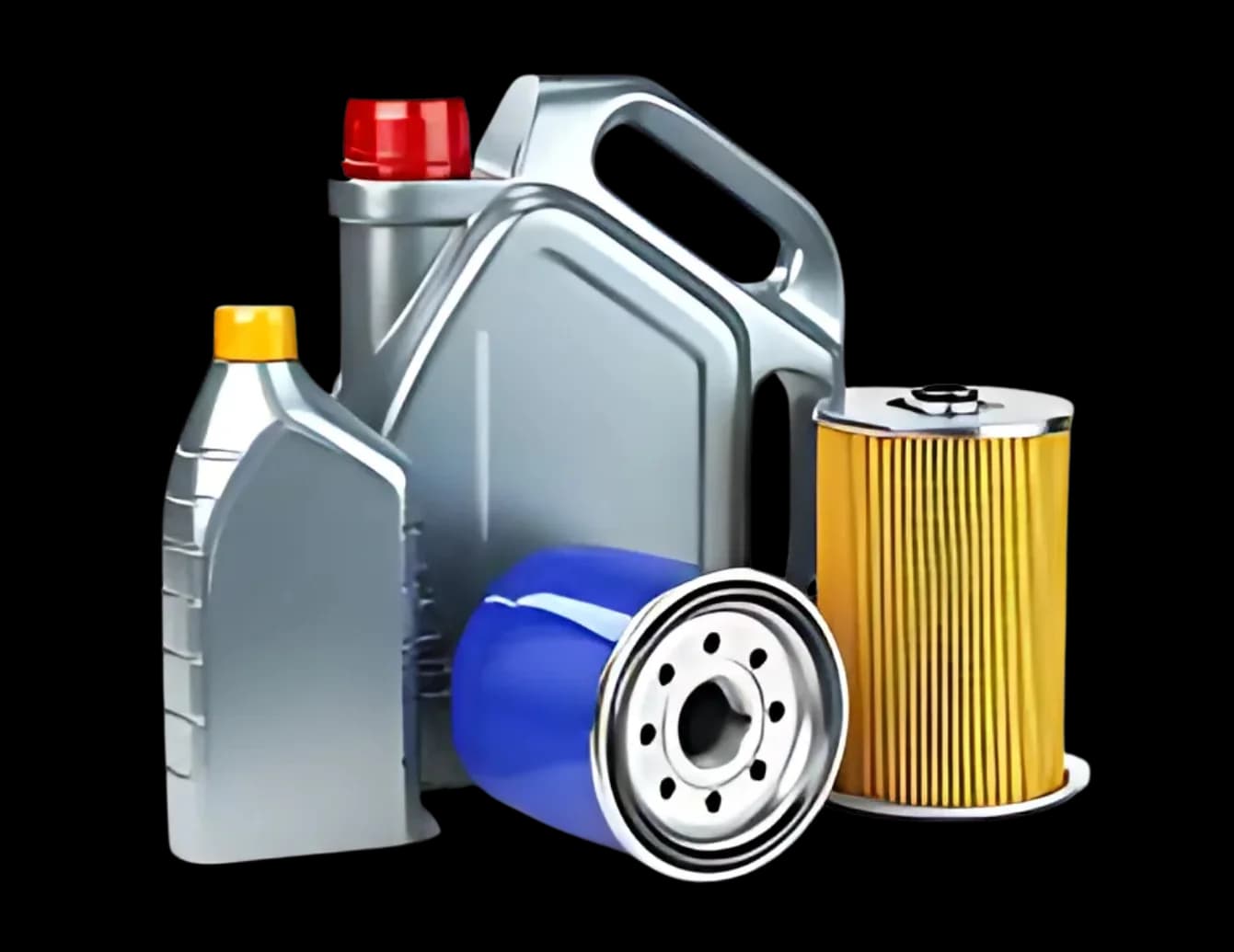
Major and Minor Services
Don't wait until it's too late! Book your Jeep major or minor service at Zenfo Auto Services, Musaffah. Genuine parts, transparent pricing & fast turnaround guaranteed.
Learn more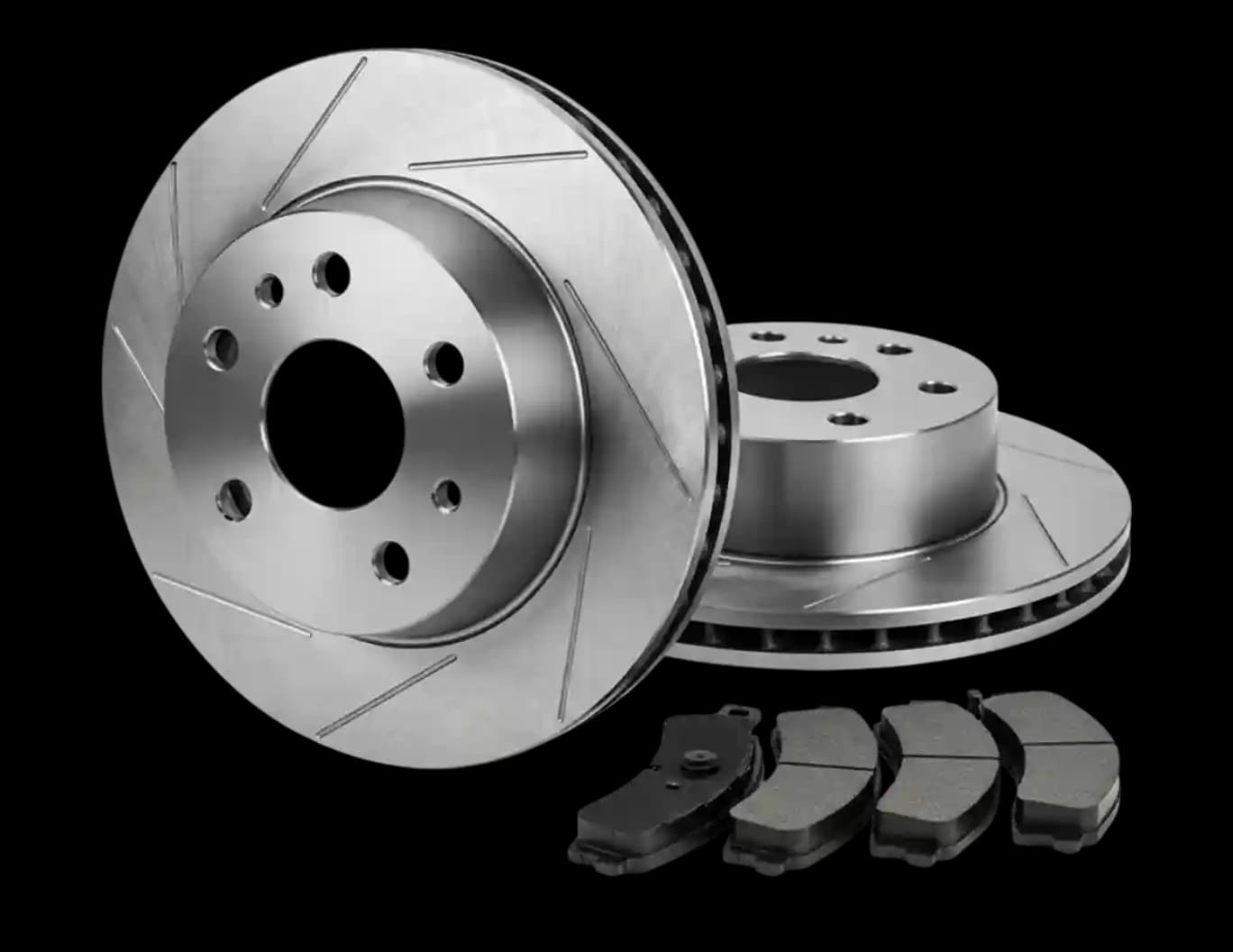
Brake Pad Replacement
Get professional Jeep brake pad replacement and full brake system servicing at Zenfo Auto Services, Musaffah. OEM parts, certified technicians, and transparent pricing.
Learn more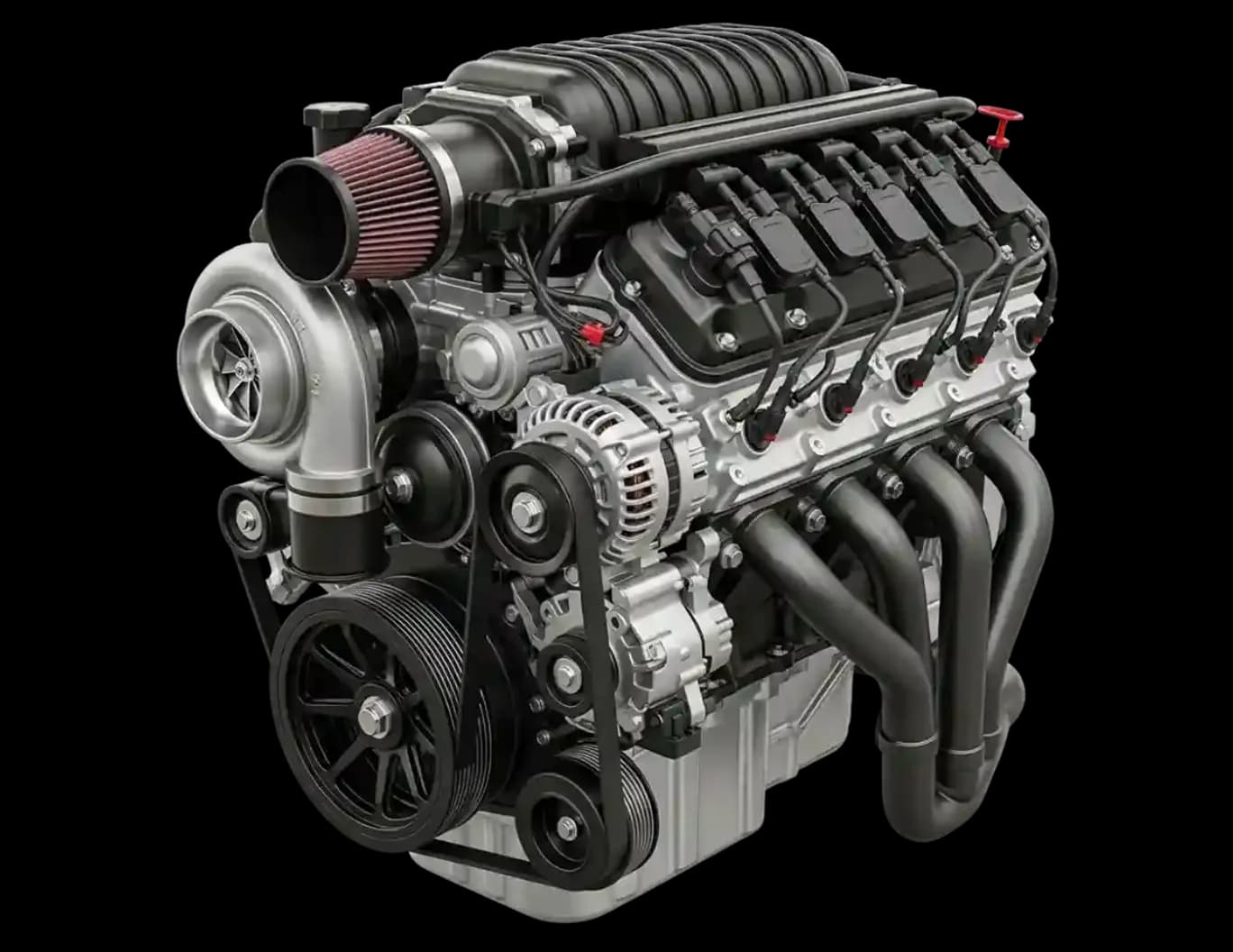
Engine Repair
Zenfo Auto Services provides certified Jeep engine repair in Musaffah, covering diagnostics, timing chain service, rebuilds, and overhauls. Book Now!
Learn more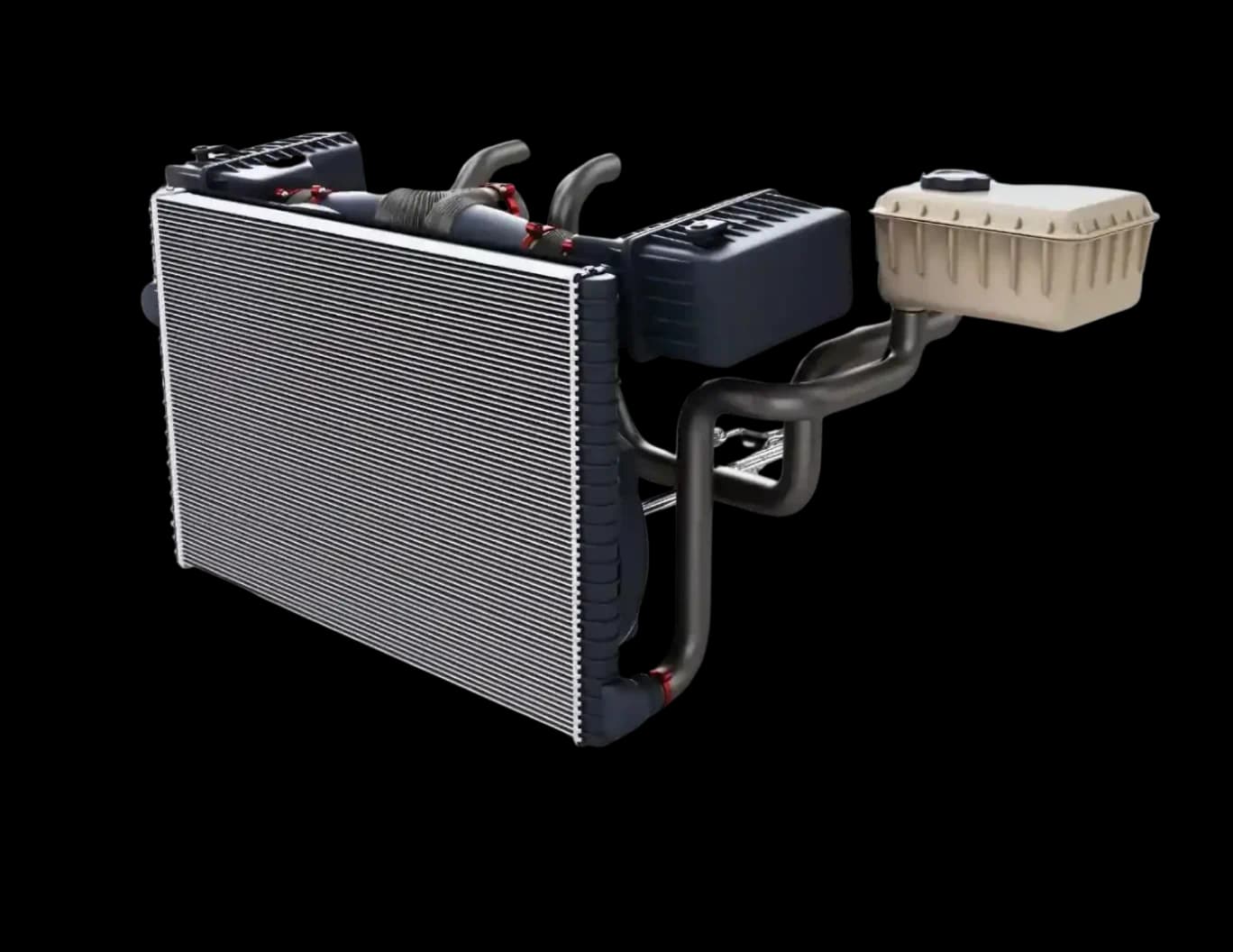
Radiator Repair
Zenfo Auto Services offers Jeep radiator repair in Musaffah, covering leak detection, coolant flush, and full cooling system diagnostics. Book your slot now!
Learn more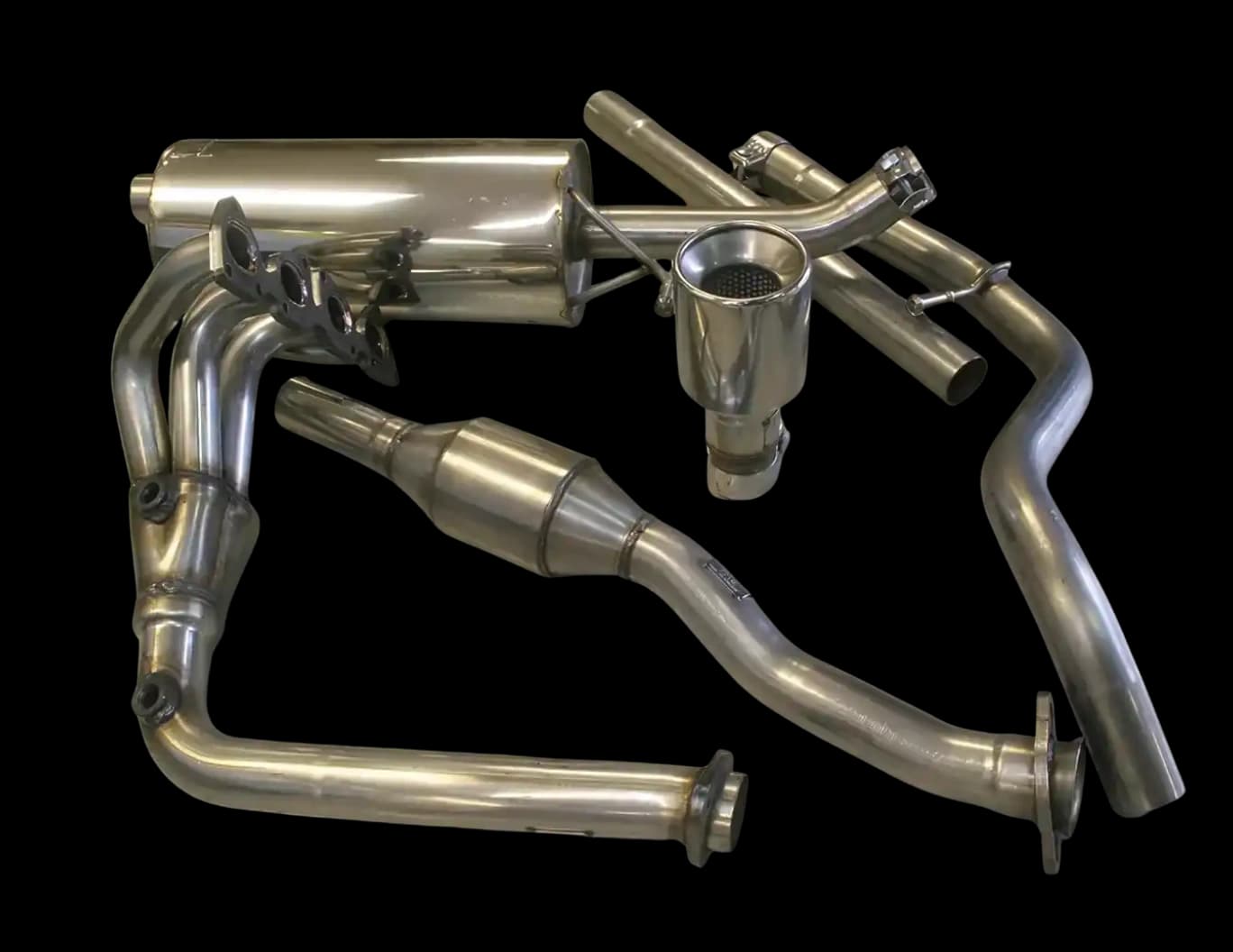
Exhaust Repair
Zenfo Auto Services offers complete Jeep exhaust repair in Musaffah, covering catalytic converters, DPF cleaning, manifold replacement, and full diagnostics.
Learn more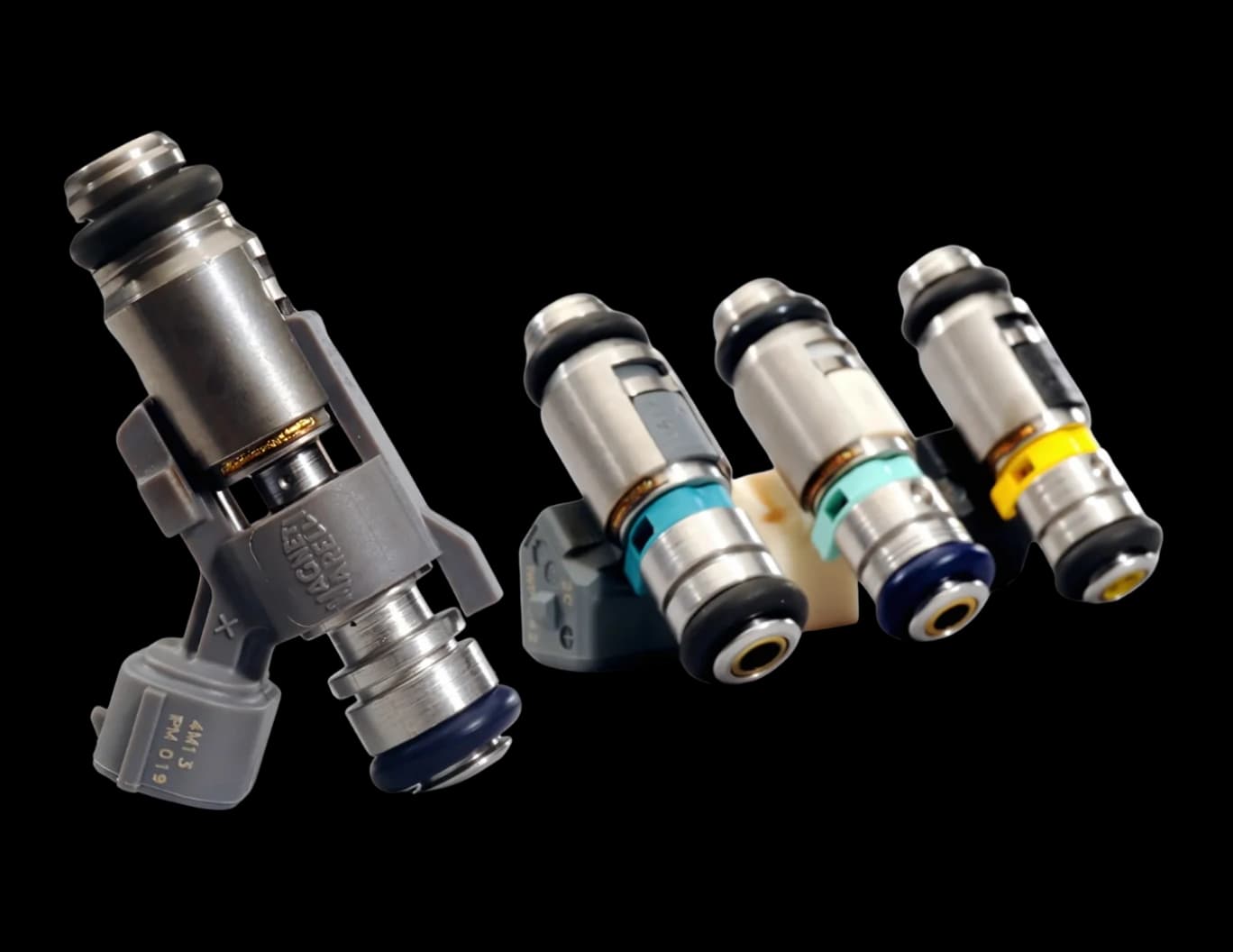
Fuel Injector Cleaning
Professional Jeep fuel injector cleaning and full fuel system servicing at Zenfo Auto Services, Musaffah. OEM parts, certified technicians, and upfront pricing.
Learn more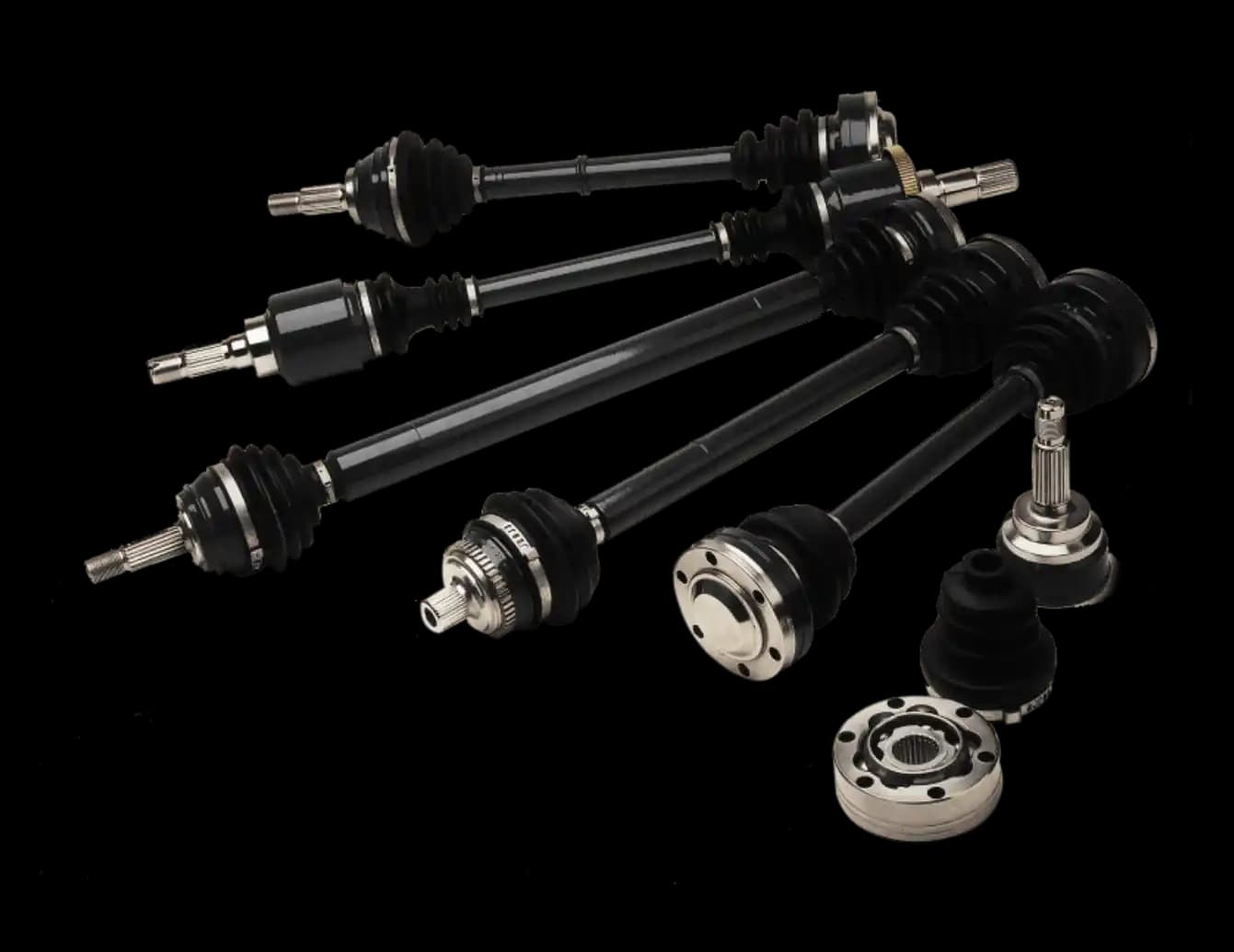
Driveshaft Repair
Zenfo Auto Services provides complete Jeep driveshaft repair in Musaffah, covering CV joint replacement, U-joint overhaul, prop shaft balancing, and diagnostics.
Learn more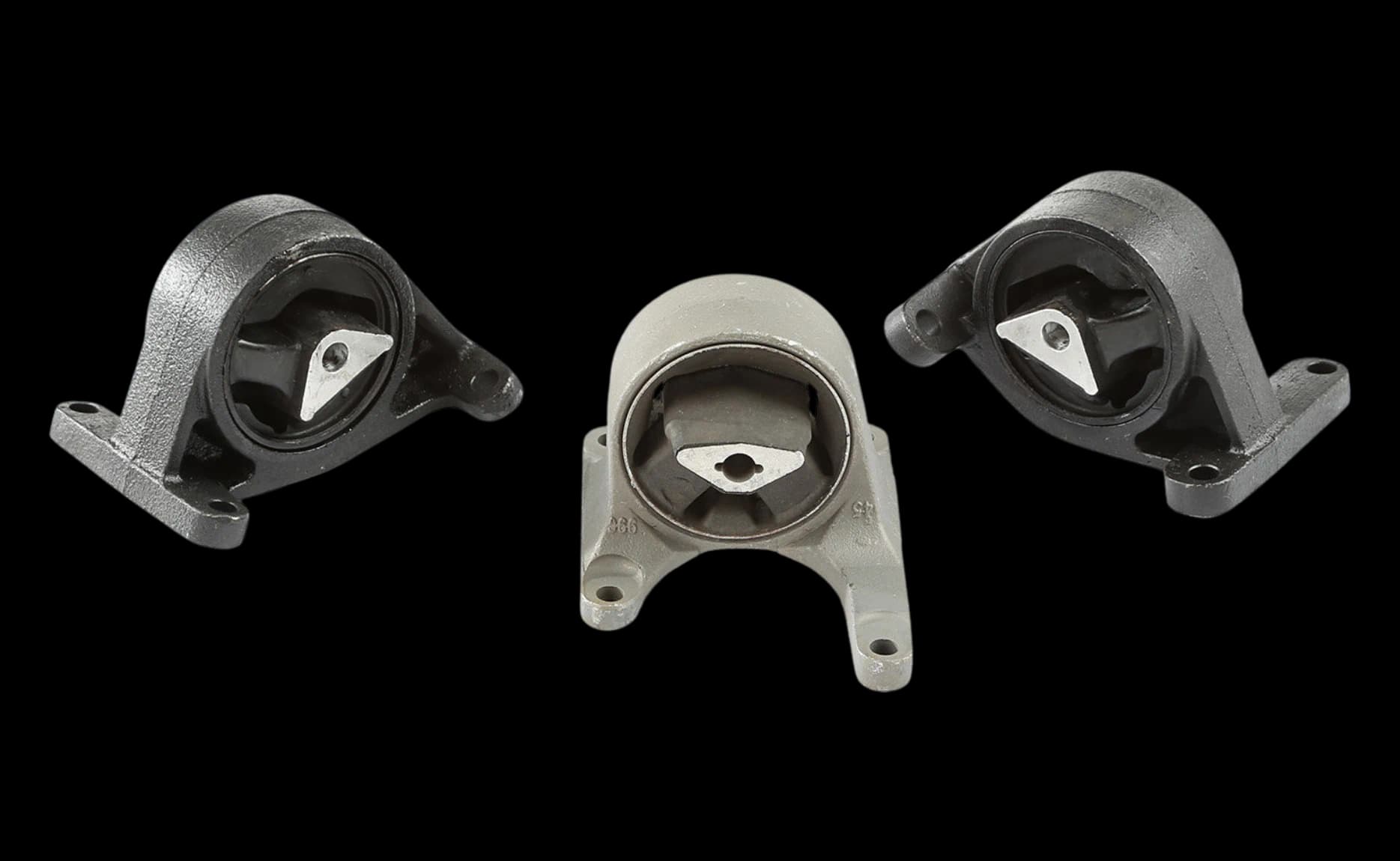
Engine Mount Replacement
Zenfo Auto Services provides certified Jeep engine mount replacement in Musaffah. OEM-grade rubber and hydraulic mounts, torque-spec installation, and inspection.
Learn more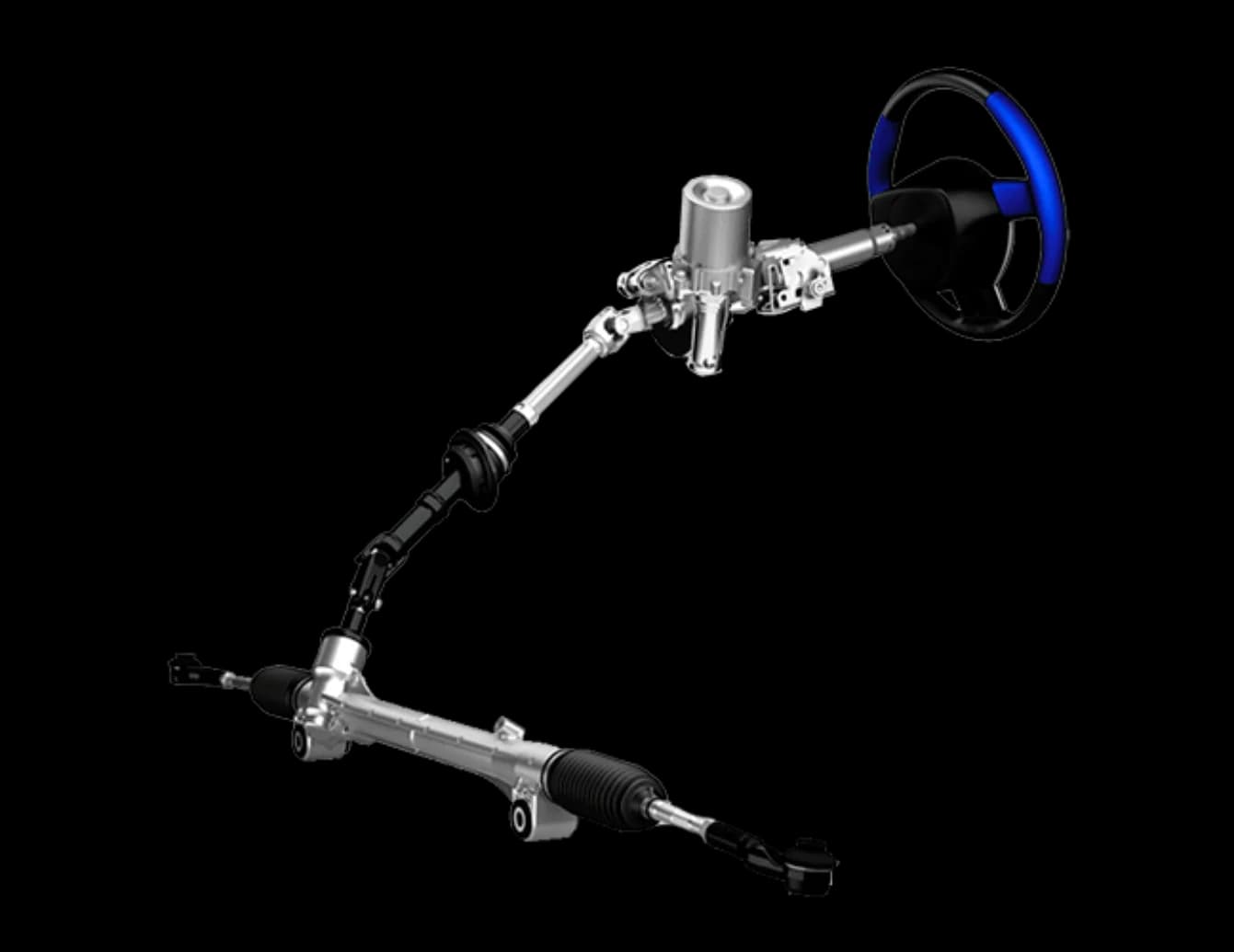
Steering Repair
Zenfo Auto Services provides Jeep steering repair in Musaffah, covering rack and pinion, EPS faults, tie rod replacement, and steering diagnostics. Book now!
Learn more
Leak Repair
Certified Jeep leak repair in Musaffah at Zenfo Auto Services. Engine oil, coolant, transmission and power steering leaks diagnosed by pressure testing.
Learn more
Benefits of Professional Jeep Injector Cleaning & Fuel System Servicing
Regular fuel injector servicing at correct intervals provides measurable performance, efficiency, and financial benefits for your Jeep across its service life.
| Benefit | Description | Impact |
|---|---|---|
| Restored Engine Performance | Clean injectors with correct spray patterns restore the designed air-fuel ratio at each cylinder | Properly cleaned injectors recover up to 10 to 15% of lost power output compared to systems with moderate deposit accumulation |
| Improved Fuel Economy | Accurate injector flow rates reduce ECU over-fuelling corrections and lower LTFT values toward 0% | Fuel consumption improves by 8 to 12% after injector cleaning on vehicles showing LTFT readings above +10% |
| Reduced Exhaust Emissions | Correct combustion efficiency lowers CO and HC emissions toward Euro 5 and Euro 6 thresholds | Cleaned injectors reduce hydrocarbon emissions by up to 30% on GDI engines with significant intake port carbon deposits |
| Extended Injector Service Life | Removing varnish and carbon deposits prevents nozzle erosion caused by localised high-velocity fuel impingement | Regular cleaning intervals extend injector service life by up to 40% compared to systems serviced only at fault code activation |
| Smoother Engine Operation | Balanced fuel delivery across all cylinders eliminates misfire-related stress on pistons, con rods, and catalytic converter wash-out | Consistent combustion reduces mechanical noise and extends catalytic converter life by preventing fuel contamination of the catalyst substrate |
| Lower Long-Term Repair Costs | Early identification of degraded O-ring seals, weak fuel pumps, and failing sensors prevents progressive system damage | Addressing minor fuel system faults early reduces total repair costs by up to 50% over the vehicle's service life |
| ECU Fuel Trim Stability | Correct injector operation allows the ECU to maintain STFT and LTFT values within the ±5% closed-loop target range | Stable fuel trims reduce unnecessary ECU adaptive corrections that mask underlying mechanical faults and complicate future diagnosis |
Maintenance Tips After Jeep Fuel Injector Cleaning
Following these basic practices between service intervals helps maintain fuel system performance and extends the life of recently cleaned or replaced components.
- Use the Correct Fuel Grade: Always use the octane rating specified for your Jeep model, typically 91 to 95 RON, to prevent carbon deposit formation on injector tips.
- Avoid Running the Tank Below the Quarter Mark: The in-tank fuel pump relies on fuel for cooling. Consistently low fuel levels raise pump operating temperatures and accelerate internal motor wear.
- Replace the Fuel Filter at Recommended Intervals: A clean filter protects injector nozzles from abrasive particles. Replacement every 40,000 to 60,000 KM prevents pump overload from progressive flow restriction.
- Address Check Engine Lights Without Delay: Stored fuel trim or injector circuit codes signal developing faults early. Delayed attention forces the ECU into open-loop control, reducing fuelling accuracy noticeably.
- Monitor Fuel Consumption Regularly: A consumption increase of more than 10% over several fill-up cycles often indicates injector flow imbalance or a developing fuel pressure fault not yet triggering codes.
- Keep Intake System Components Clean: Regular PCV valve inspection and crankcase ventilation hose checks reduce oily vapour deposits on throttle body walls and intake port surfaces, especially on GDI engines.
- Book a Fuel System Inspection at Regular Intervals: Injector condition and fuel trim data should be reviewed every 20,000 KM or sooner if any performance symptoms appear during normal driving.
Jeep Models, We Service in Musaffah
Zenfo Auto Services provides fuel injector cleaning and full fuel system servicing for the complete range of Jeep models at our Musaffah workshop.
Portfolio
Our Recent Work
Tap any photo to view the full set.
Questions answered
Frequently Asked Questions
What does a Jeep fuel injector cleaning service at your workshop include?
A standard fuel injector cleaning service covers an OBD-II diagnostic scan for fuel trim and misfire data, on-car or off-car injector cleaning, fuel rail pressure testing at static and dynamic conditions, throttle body inspection, MAF sensor output verification, O2 sensor waveform check, and a full written service report with flow rate measurements recorded before and after cleaning.
How do I know if my Jeep needs fuel injector cleaning?
Common indicators include rough or unstable idle, hesitation under acceleration, a noticeable increase in fuel consumption, the check engine light appearing with fuel trim or misfire codes, hard starting after the vehicle has been parked overnight, or a fuel smell near the engine bay during or after operation.
How often should fuel injectors be cleaned on a Jeep?
Most Jeep petrol engines benefit from an injector cleaning service every 40,000 to 60,000 KM, or sooner if fuel trim data shows LTFT values above ±10% or if injector balance testing identifies a flow variance greater than 5% between cylinders. GDI-equipped models may require more frequent attention due to intake valve carbon accumulation.
How long does a Jeep fuel injector cleaning service take?
An on-car pressurised injector flush typically takes 60 to 90 minutes. Off-car ultrasonic cleaning with flow testing requires 2 to 3 hours. If additional services such as throttle body cleaning, fuel filter replacement, or O2 sensor replacement are required, total service time is discussed and confirmed before work begins.
Do you replace fuel injectors as well as clean them?
Yes. If off-car flow testing confirms that an injector remains outside the ±5% balance rate tolerance after ultrasonic cleaning, or if solenoid resistance testing identifies a faulty winding, replacement with an OEM-compatible unit is carried out. All replacement injectors are fitted with new O-ring seals and sealing washers.
Can you clear the check engine light after a fuel system service?
Yes. All stored and pending fault codes are cleared using an OBD-II scan tool after the service is completed. A post-service drive cycle is recommended to allow the ECU monitors to run to completion and confirm that no underlying faults remain active in the fuel system.
Do you service the fuel systems on Jeep hybrid models?
Yes. Jeep Wrangler 4xe models with plug-in hybrid powertrains have petrol fuel systems that require the same injector cleaning and fuel delivery maintenance as conventional petrol Jeep models. Our technicians are equipped with the correct scan tools and safety procedures for working on high-voltage hybrid vehicles.
What fuel type specifications do Jeep models require?
Most Jeep petrol models are calibrated for 91 to 95 RON unleaded fuel, while high-performance variants may specify a minimum of 95 RON. The correct fuel specification is confirmed from the owner’s manual and the fuel filler cap labelling before any fuel system service recommendation is made.
Need your Jeep looked at today?
Same-day slots for battery, oil service, brake pads, tyre fitting, AC recharge and ECU coding. Written estimate before any work begins.
Near 21, As Salami 8 St, Musaffah Industrial Area, M9, Abu Dhabi, United Arab Emirates