Zenfo Auto Services · Mussafah
Certified Jeep Engine Repair & Rebuild Service in Musaffah
Zenfo Auto Services delivers thorough Jeep engine repair and full powertrain servicing for all Jeep models in Musaffah, using OEM-approved components, precision diagnostic equipment, and technicians trained to manufacturer standards in Jeep-specific engine systems.
- Open daily (Mon – Sun): 09:00 – 21:00
- Musaffah Industrial Area, M9, Abu Dhabi
- Years of Experience
- 10+Years of Experience
- Satisfied Clients
- 100%Satisfied Clients
- Pickup & Delivery Service
- 24/7Pickup & Delivery Service
- Quick Service
- 2xQuick Service
- 4.9 ★ Google reviews
- Free pick-up & delivery
- OEM-grade parts
- 12-month repair warranty
- Written estimate before any work
- Jeep-specific diagnostic software
- Certified Jeep technicians
- 24/7 breakdown assistance
- Same-day slots available
Why Choose Zenfo Auto Services for Jeep Engine Repair in Musaffah?
Our engine specialists handle every Jeep powertrain with precision, following OEM torque sequences, bore tolerances, and valve timing specifications. Each repair is carried out using manufacturer-grade diagnostic and machining equipment to ensure engine output meets factory performance and emissions benchmarks.
Certified Jeep Engine Technicians
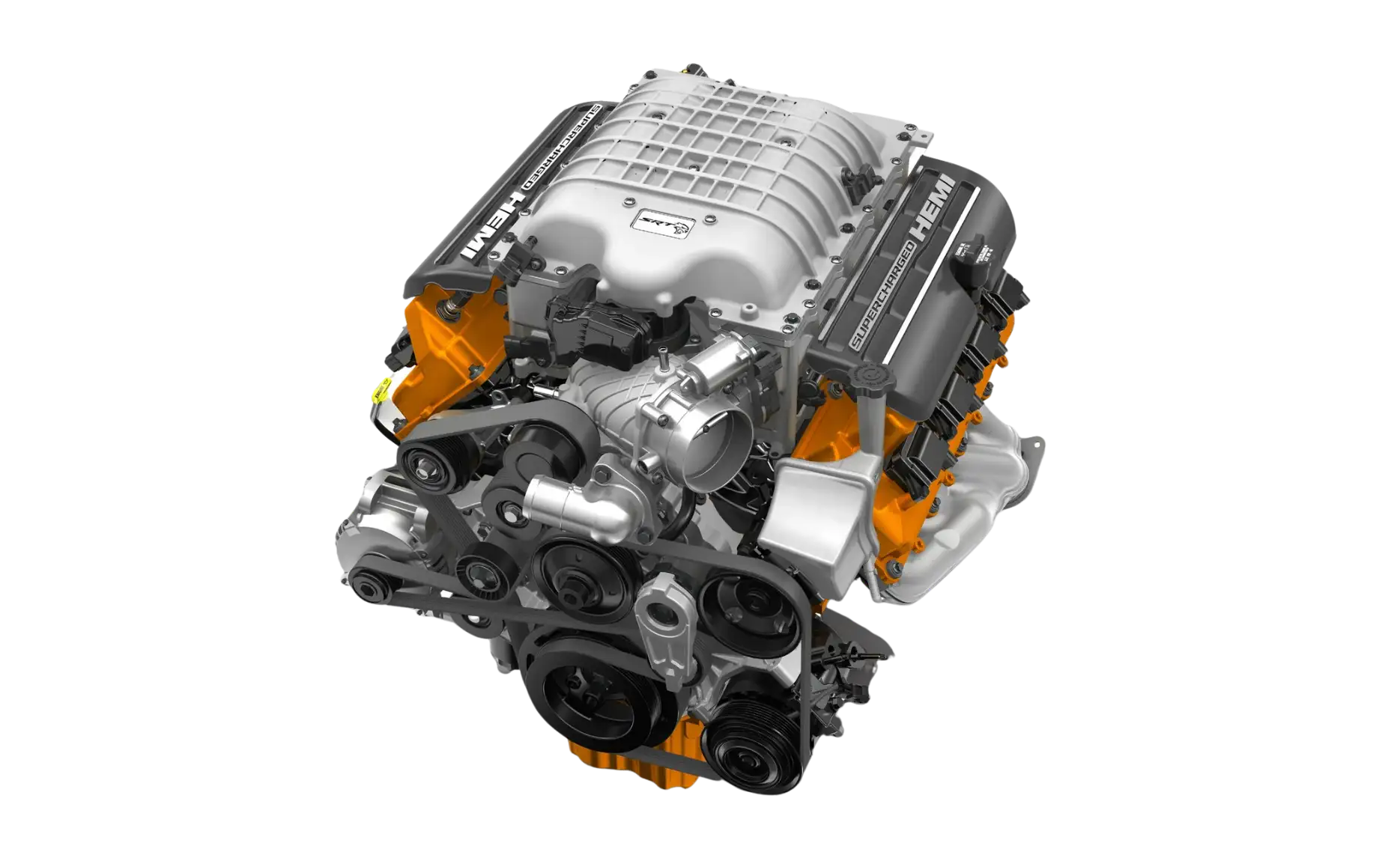
Our technicians hold manufacturer-level certifications covering Jeep-specific engine architectures, including the 3.6L Pentastar V6, 2.0L turbocharged four-cylinder, and 6.4L HEMI V8 platforms. Continuous training keeps them current with evolving Jeep engine technologies, and every repair follows structured inspection protocols from the crankshaft journals to the cylinder head valve seats.
Genuine OEM Engine Parts & Advanced Equipment
Only OEM-approved pistons, gaskets, bearings, timing components, and engine seals are used across all repair services. The workshop is equipped with borescopes, compression testers, engine analysers, and OBD-II multi-channel scan tools, ensuring correct compression ratios, precise torque values, and full system compatibility after every repair.
Efficient Engine Service Turnaround
A standard top-end engine service takes 4 to 6 hours, while a full engine rebuild or long block replacement takes 2 to 4 working days, depending on parts availability and machining requirements. Multiple vehicles are serviced simultaneously, reducing wait times without compromising inspection depth or repair quality.
Clear and Consistent Pricing
All engine repair costs are confirmed upfront, covering parts, labour, and findings from the complete engine inspection. No additional charges are applied once the job begins, and a written service report documenting all work, measurements, and replaced components is provided at handover.
Jeep Engine Repair Services We Provide
Engine Diagnostic & ECU Fault Code Scanning
The PCM manages fuel delivery, ignition timing, and emission controls on all modern Jeep engines. OBD-II multi-channel scan tools retrieve active and stored DTCs from the PCM, TCM, and BCM. Live data from MAP, MAF, O2, and CKP sensors is reviewed to isolate faults before any physical dismantling begins.
Engine Oil Leak Detection & Sealing
Oil leaks develop at valve cover gaskets, crankshaft main seals, camshaft seals, oil pan gaskets, and timing cover seals. Each source is located using UV dye tracing and a full block inspection. Sealing surfaces are measured for flatness before OEM-spec gaskets and seals are fitted to restore full oil containment.
Cylinder Head Removal & Gasket Replacement
Head gasket failure allows coolant and combustion gases to cross-contaminate between circuits. Deck flatness is measured with a straight edge and feeler gauges, with a maximum allowable warpage of 0.05mm. Warped heads are resurfaced before a new OEM multi-layer steel gasket is fitted and head bolts torqued in the correct sequence.
Timing Chain & VVT Service
Stretched timing chains on the 3.6L Pentastar V6 and 2.0L turbocharged engines produce DTC codes P0016 and P0017, rough idle, and reduced compression. Replacement includes OEM chains, tensioners, guides, VVT actuators, and solenoid screens. Cam timing is verified with a timing light before the engine cover is reinstalled.
Piston & Connecting Rod Replacement
Worn pistons allow blow-by past the rings, dropping compression below 150 PSI per cylinder. Each bore is measured at six positions for taper and out-of-round wear. Big-end bearing clearance is checked with Plastigage, and new OEM pistons are installed with ring gaps set between 0.25 and 0.45mm.
Engine Block Boring & Honing
Cylinders worn beyond 0.08mm out-of-round require machining before oversized pistons can be fitted correctly. Boring is completed to within 0.03mm of the target diameter, followed by torque-plate honing to replicate head bolt stress. A final crosshatch angle of 45 to 60 degrees ensures correct ring seating and oil film retention.
Crankshaft Inspection & Bearing Replacement
Main and rod journal diameters are measured at two perpendicular positions per journal. Journals with taper beyond 0.005mm or out-of-round beyond 0.0025mm are reground to the undersize dimension. OEM bearings are installed with oil clearances confirmed between 0.025 and 0.065mm, and main cap bolts are torqued to the angle-tightening specification.
Camshaft Replacement & Valve Train Inspection
Camshaft lobe wear below the standard height causes misfires, poor throttle response, and reduced power output. Lobe lift is measured with a dial indicator, and camshafts worn beyond 0.10mm are replaced with OEM units. Hydraulic lifters, rocker arms, and cam followers are inspected and replaced where contact surface wear or collapse is found.
Valve Grinding & Cylinder Head Reconditioning
Carbon deposits on intake valves restrict airflow on direct injection Jeep engines, including the 2.0L turbocharged unit. Valves are removed, cleaned, and checked for stem wear. Seats are recut to a 45-degree angle, and OEM valve stem seals are installed to prevent oil consumption past the valve guides.
Engine Cooling System Repair
Coolant leaks at the water pump, thermostat housing, and radiator hoses cause overheating and cylinder head wear. Water pump bearing condition and impeller integrity are checked before replacement. The thermostat opening temperature is confirmed between 88°C and 96°C, and the full cooling circuit is pressure-tested at 1.1 bar for 30 minutes.
Turbocharger Inspection & Replacement
The 2.0L turbocharged Jeep engine operates a twin-scroll turbocharger producing up to 21 PSI of boost pressure. Shaft radial clearance is measured between 0.04 and 0.07mm using a dial gauge. Units with bearing wear, oil seal failure, or blade damage are replaced with OEM assemblies, and oil feed lines are cleaned before fitment.
Fuel Injector Cleaning & Replacement
GDI fuel injectors accumulate spray tip deposits that reduce atomisation and trigger lean misfire codes. Injectors are bench-tested at 200 bar operating pressure, and units with a flow deviation beyond 5% are replaced with OEM components. The fuel rail pressure regulator is also inspected during the same service procedure.
Engine Mount Replacement
Collapsed engine mounts allow excessive powertrain movement, transmitting vibration into the cabin at idle and under load. Mount deflection is measured against the OEM maximum compression limit of 5mm. Left and right torque reaction mounts are assessed together, as an uneven condition produces asymmetric torque transfer and instability during acceleration and gear changes.
Oil Pump Replacement & Lubrication System Service
The oil pump maintains pressure between 25 and 65 PSI during normal operation. Pressure below 10 PSI at idle risks bearing damage and triggers the warning light immediately. Rotor-to-housing clearance is measured before replacement, the pickup screen is cleaned, and oil pressure is confirmed at idle and 3,000 RPM after completion.
Full Engine Rebuild & Long Block Replacement
A complete rebuild addresses pistons, rings, bearings, gaskets, seals, timing components, and the cylinder head assembly. The choice between a rebuild and long block replacement depends on bore wear limits and crankshaft journal condition. All rebuilt engines are filled with OEM-specified oil, and a controlled run-in procedure is followed before road use.
How to Book a Jeep Engine Repair Service at Zenfo Auto Services?
Booking a Jeep engine repair at our Musaffah workshop is straightforward. Follow these three steps to schedule your appointment.
Book a slot
Talk to a Jeep technician, not a contact form
Call or message the workshop and you will speak to someone who works on Jeeps every day. You get a written, itemised estimate before any work starts, and nothing is charged beyond it.
What to send us
- Your Jeep model and year, such as Wrangler JL or Grand Cherokee WK2
- The fault or service you need, plus any warning lights or noises
- Photos or a short video of the problem, if you have them
- Your preferred drop-off day; same-day slots are usually available
- WhatsApp+971 52 515 0820Fastest reply; send photos of the fault
- Call the workshop+971 52 515 0820Same-day slots for oil, brakes, battery and AC
- Emailinfo@zenfoautoservices.aeWritten response within 4 business hours
- Walk in, no appointment neededNear 21, As Salami 8 St, Musaffah Industrial Area, M9, Abu Dhabi, United Arab EmiratesGet directions on Google Maps
Share Your Jeep Details
Provide your Jeep's model, year, current mileage, and the specific engine concern you have noticed. This allows our technicians to prepare the correct OEM parts and diagnostic equipment before your vehicle arrives at the workshop.
Make a Booking
Select a date and time that suits your schedule. Same-day and next-day appointments are available, and free pickup and delivery service is offered across Musaffah for customers who cannot bring their Jeep in directly.
We Repair
Our certified technicians carry out the full engine repair and provide a written inspection and repair report at the end of the job. You are kept informed at every stage of the process, including any additional findings identified during the engine assessment.
What you get
Key Features We Provide
- Experienced and Certified Engine Technicians
- 24/7 Breakdown Assistance
- Timely & Efficient Delivery
- Instant Price Quotes
- Free Pickup & Delivery
- Repair Warranty on All Services
When Does Your Jeep Need Professional Engine Repair?
The following signs indicate that your Jeep's engine requires professional inspection or repair. Addressing these symptoms early prevents further mechanical or electrical damage.
| Issue | Symptoms / Signs | Possible Cause | Recommended Solution |
|---|---|---|---|
| Check Engine Light On | Amber or red MIL illuminated on the instrument cluster | PCM fault code stored; sensor failure, misfires, or emission system fault | OBD-II full scan, live data analysis, and fault-specific repair |
| Engine Misfires | Rough idle, stumble under acceleration, flashing MIL | Faulty ignition coil, injector flow deviation, low compression, or timing chain stretch | Compression test, injector flow test, timing chain inspection |
| Excessive Oil Consumption | Frequent low oil level between services; blue smoke from exhaust | Worn piston rings, valve stem seal failure, or turbocharger oil seal leak | Cylinder bore measurement, valve seal replacement, turbo inspection |
| Overheating | Coolant temperature gauge above the normal operating range | Failed water pump, blocked thermostat, coolant leak, or head gasket failure | Cooling system pressure test, thermostat check, head gasket inspection |
| Knocking or Tapping Noise | Metallic knock from the engine bay at idle or under load | Low oil pressure, worn crankshaft bearings, collapsed hydraulic lifter, or timing chain rattle | Oil pressure test, bearing clearance check, timing system inspection |
| White or Blue Exhaust Smoke | Persistent smoke from the exhaust at operating temperature | Coolant ingestion from head gasket failure (white) or oil burning from ring or seal wear (blue) | Head gasket test, compression and leakdown tests, seal inspection |
| Rough or Unstable Idle | Engine hunting or fluctuating RPM at idle | Dirty throttle body, faulty IAC (Idle Air Control), vacuum leak, or MAF sensor fault | Throttle body cleaning, vacuum leak test, sensor diagnostic |
| Loss of Power | Noticeably reduced acceleration and throttle response | Restricted fuel injectors, low boost pressure from turbo wear, timing retard, or low compression | Injector flow test, boost pressure check, full engine diagnostic |
Our services
Our Jeep Services in Mussafah
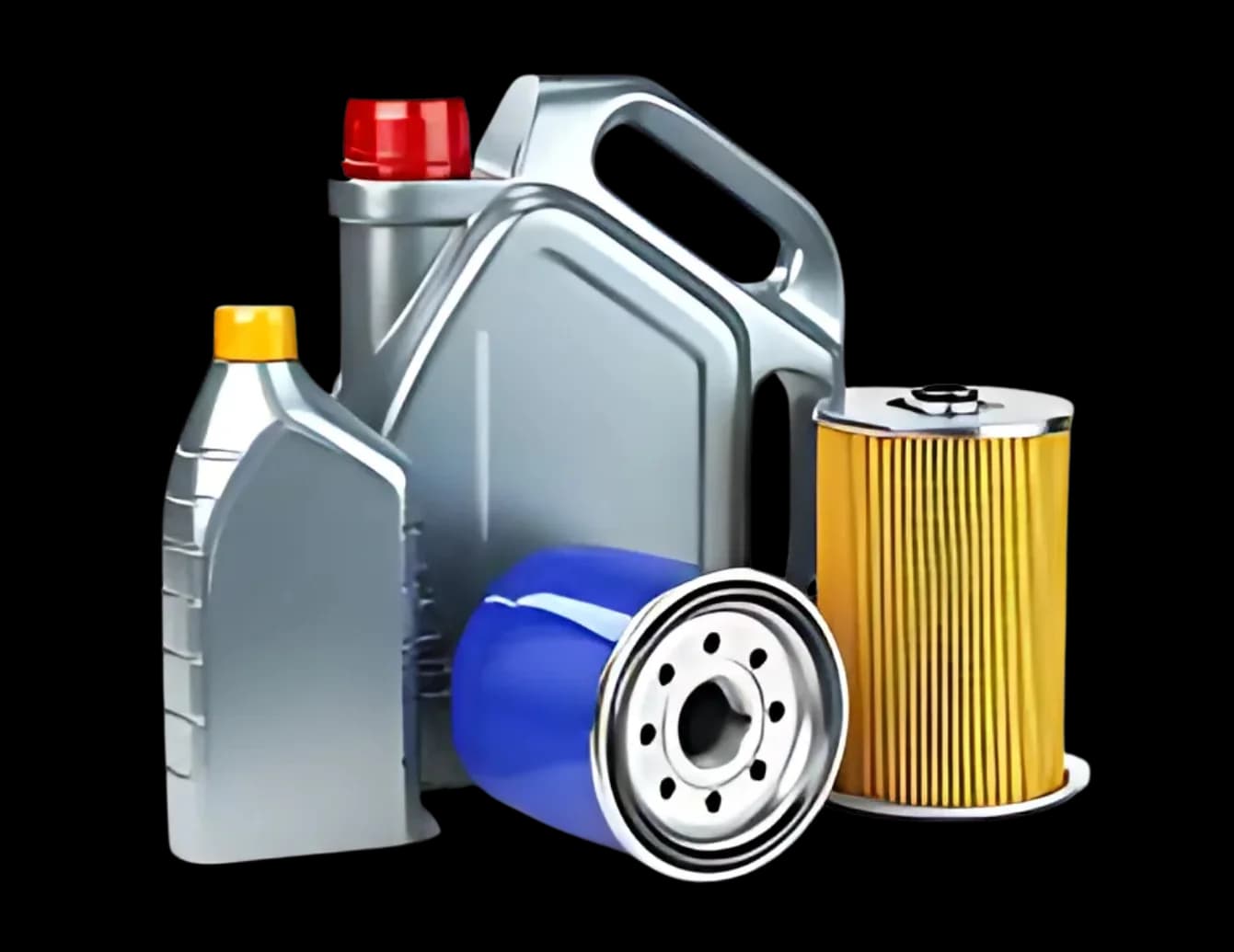
Major and Minor Services
Don't wait until it's too late! Book your Jeep major or minor service at Zenfo Auto Services, Musaffah. Genuine parts, transparent pricing & fast turnaround guaranteed.
Learn more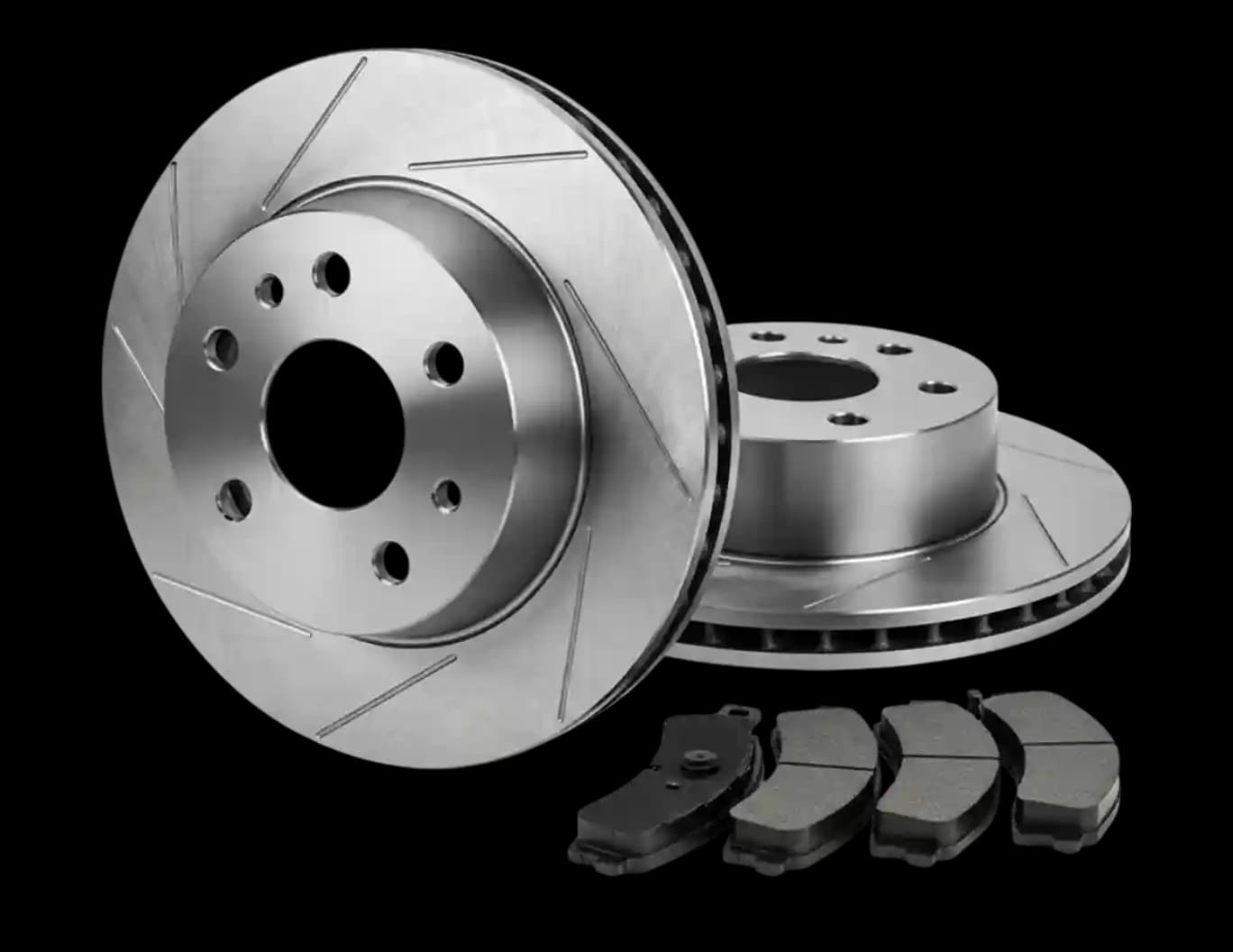
Brake Pad Replacement
Get professional Jeep brake pad replacement and full brake system servicing at Zenfo Auto Services, Musaffah. OEM parts, certified technicians, and transparent pricing.
Learn more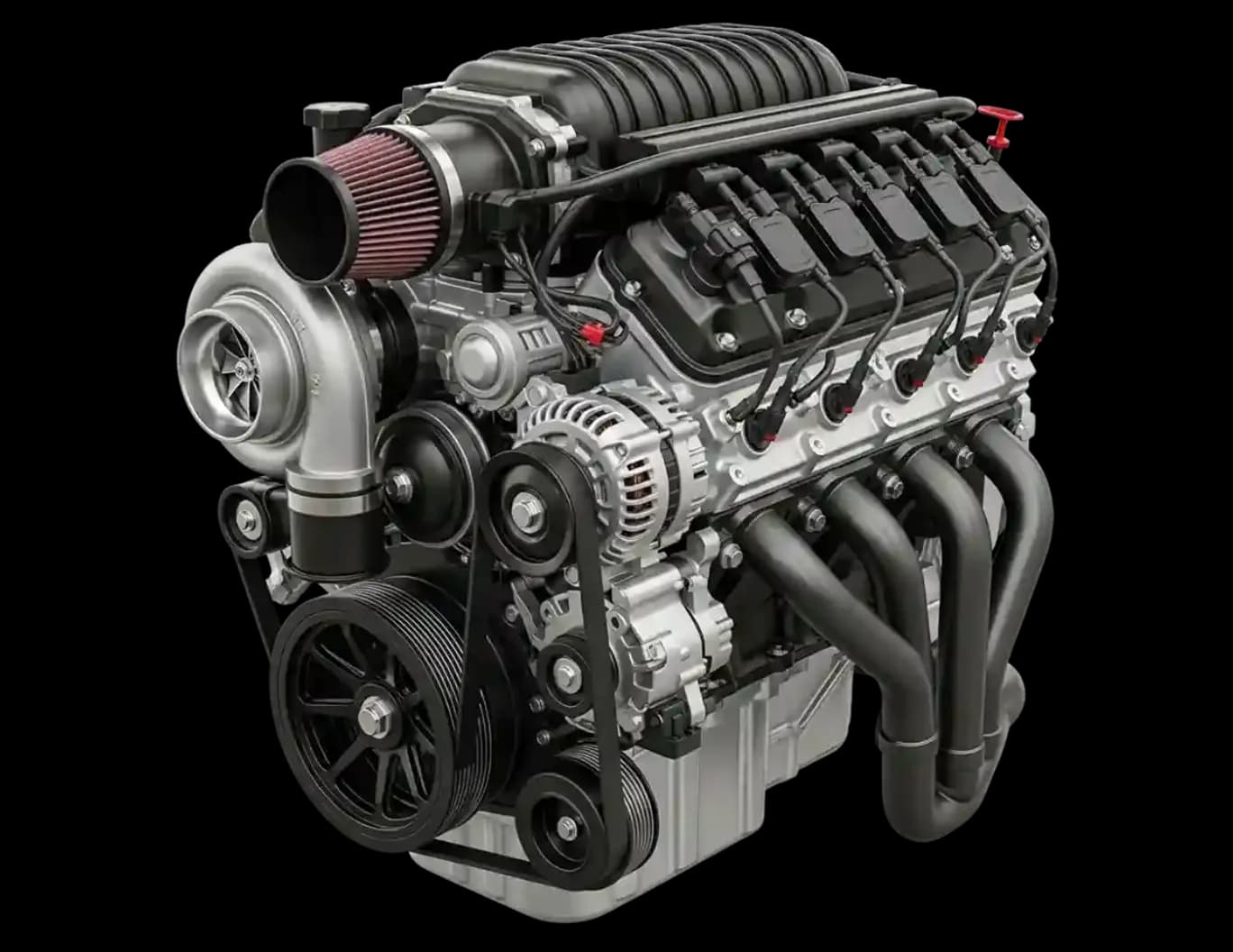
Engine Repair
Zenfo Auto Services provides certified Jeep engine repair in Musaffah, covering diagnostics, timing chain service, rebuilds, and overhauls. Book Now!
Learn more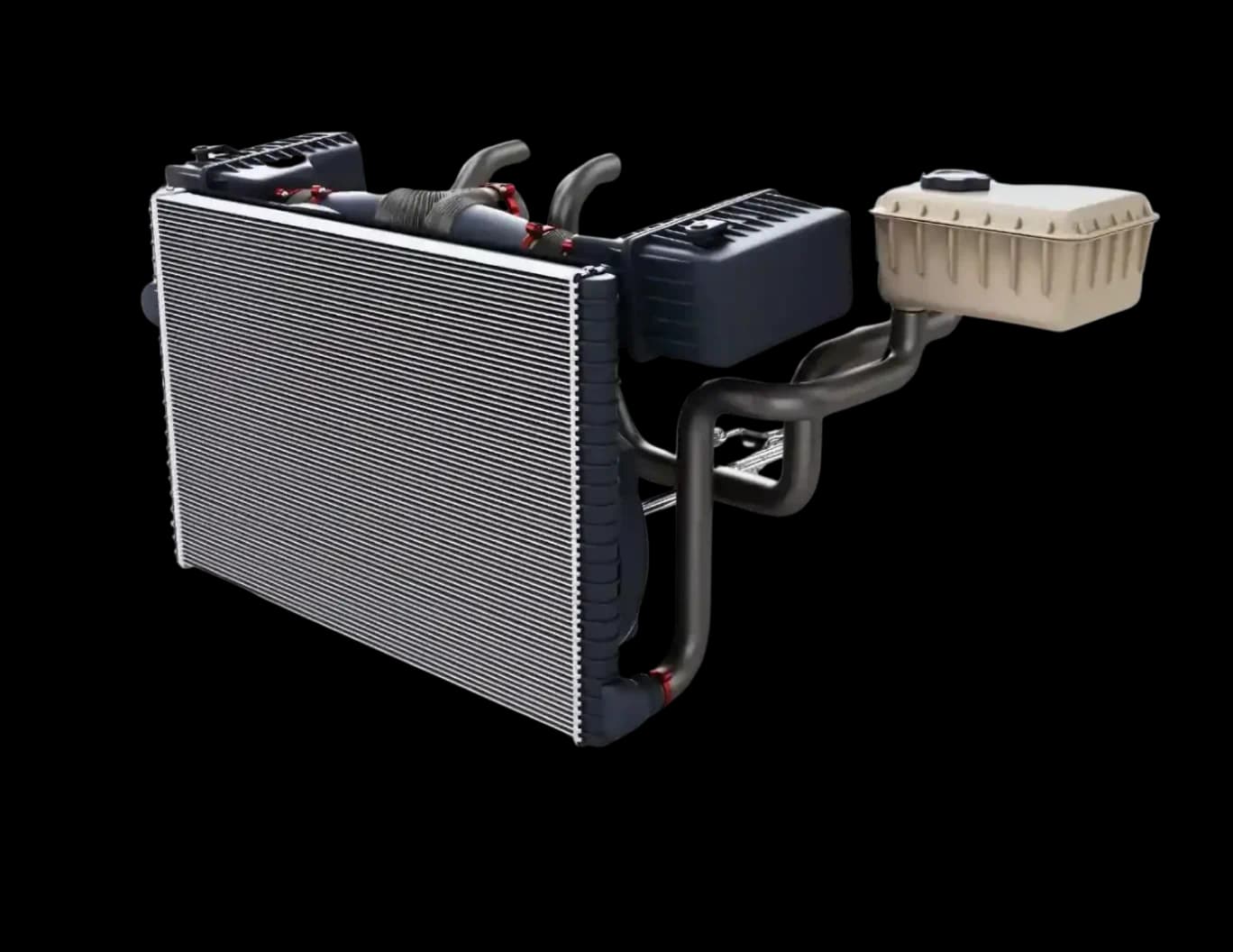
Radiator Repair
Zenfo Auto Services offers Jeep radiator repair in Musaffah, covering leak detection, coolant flush, and full cooling system diagnostics. Book your slot now!
Learn more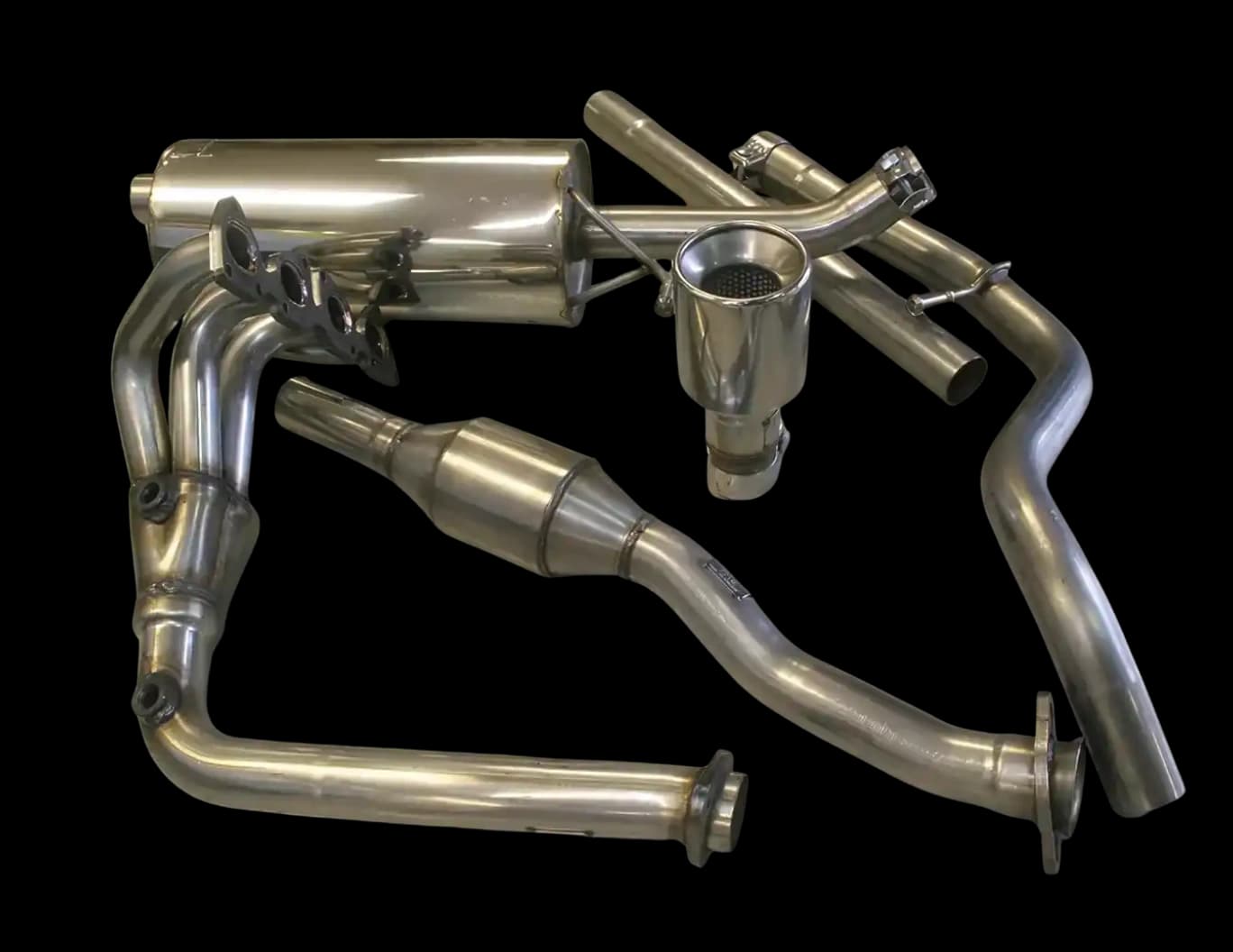
Exhaust Repair
Zenfo Auto Services offers complete Jeep exhaust repair in Musaffah, covering catalytic converters, DPF cleaning, manifold replacement, and full diagnostics.
Learn more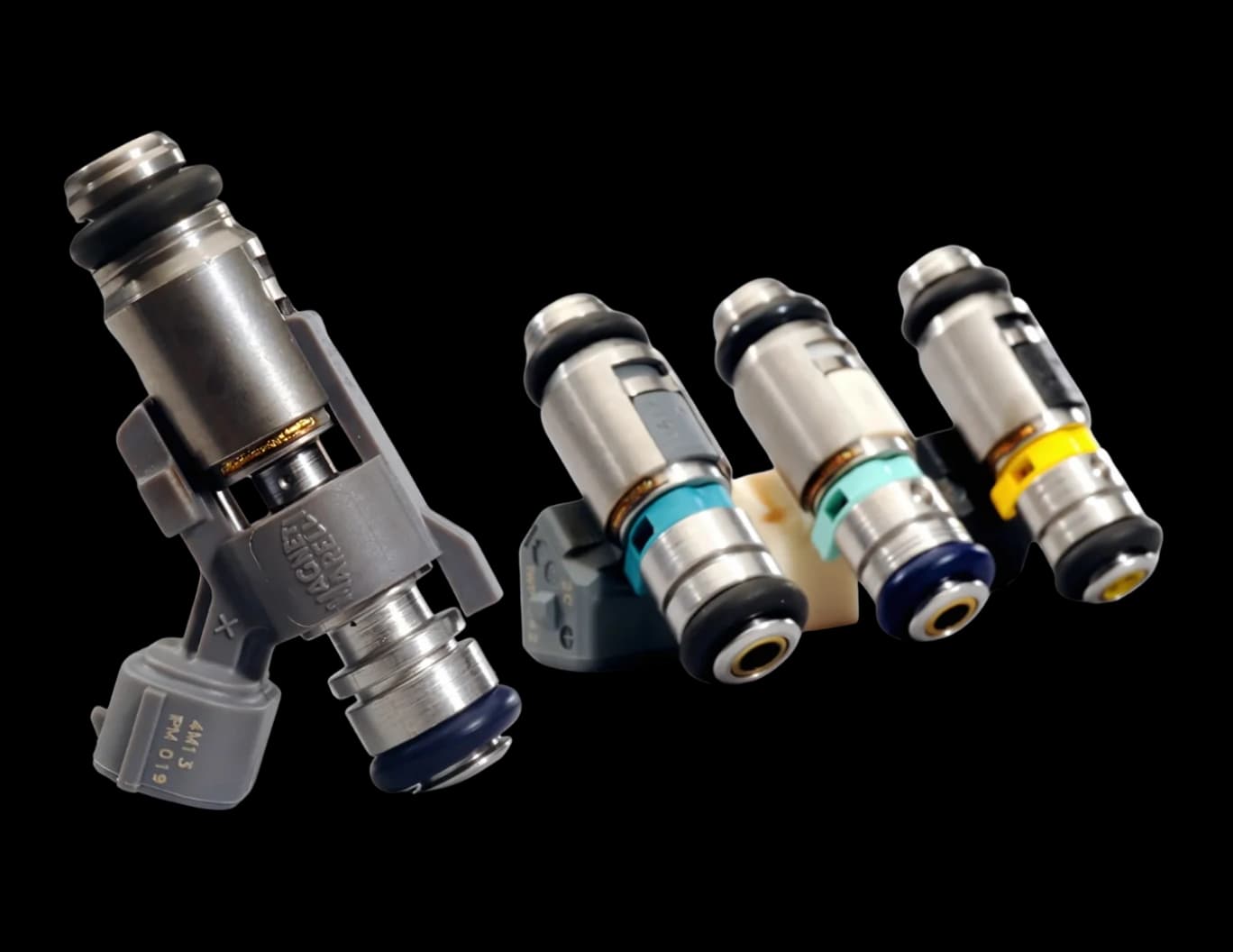
Fuel Injector Cleaning
Professional Jeep fuel injector cleaning and full fuel system servicing at Zenfo Auto Services, Musaffah. OEM parts, certified technicians, and upfront pricing.
Learn more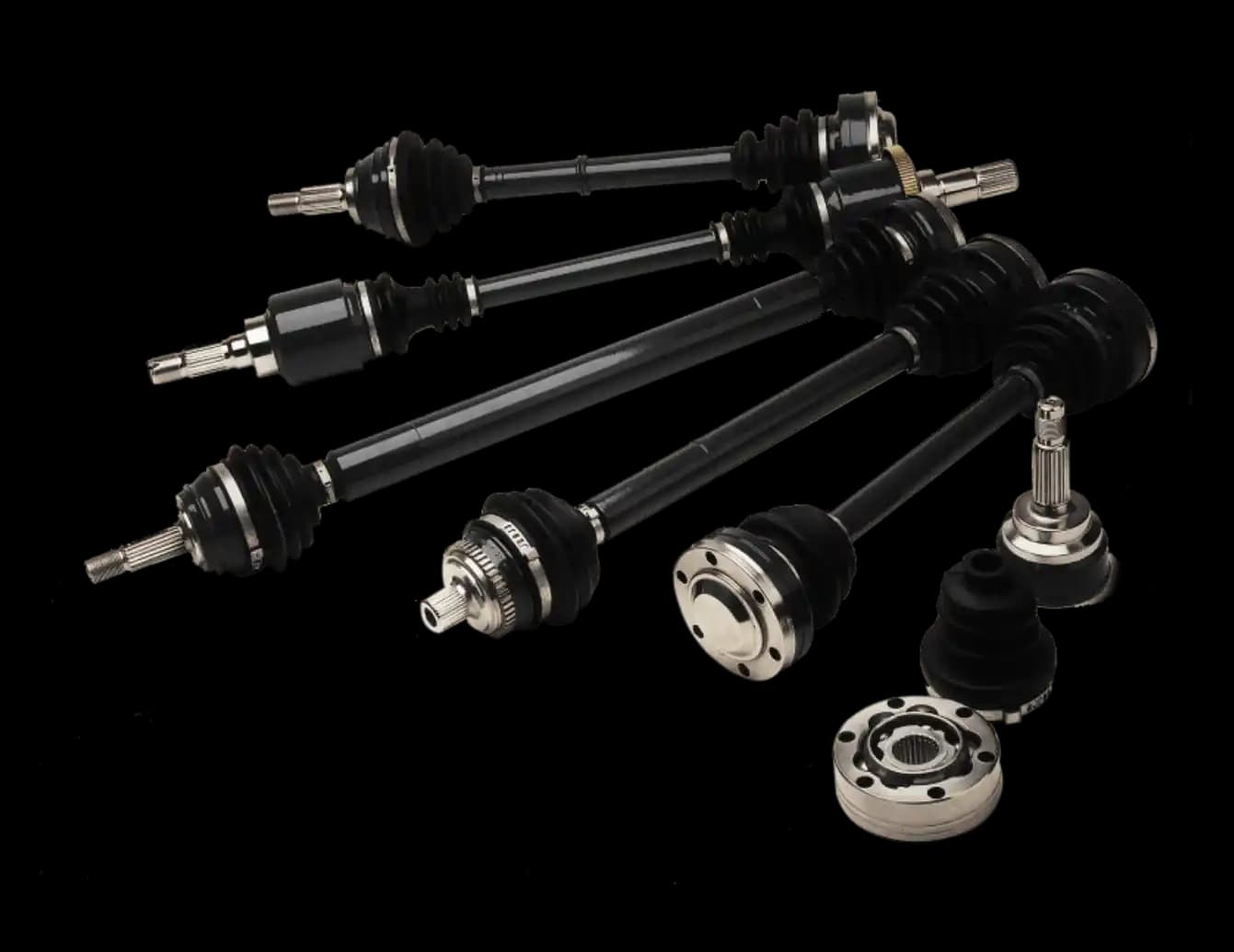
Driveshaft Repair
Zenfo Auto Services provides complete Jeep driveshaft repair in Musaffah, covering CV joint replacement, U-joint overhaul, prop shaft balancing, and diagnostics.
Learn more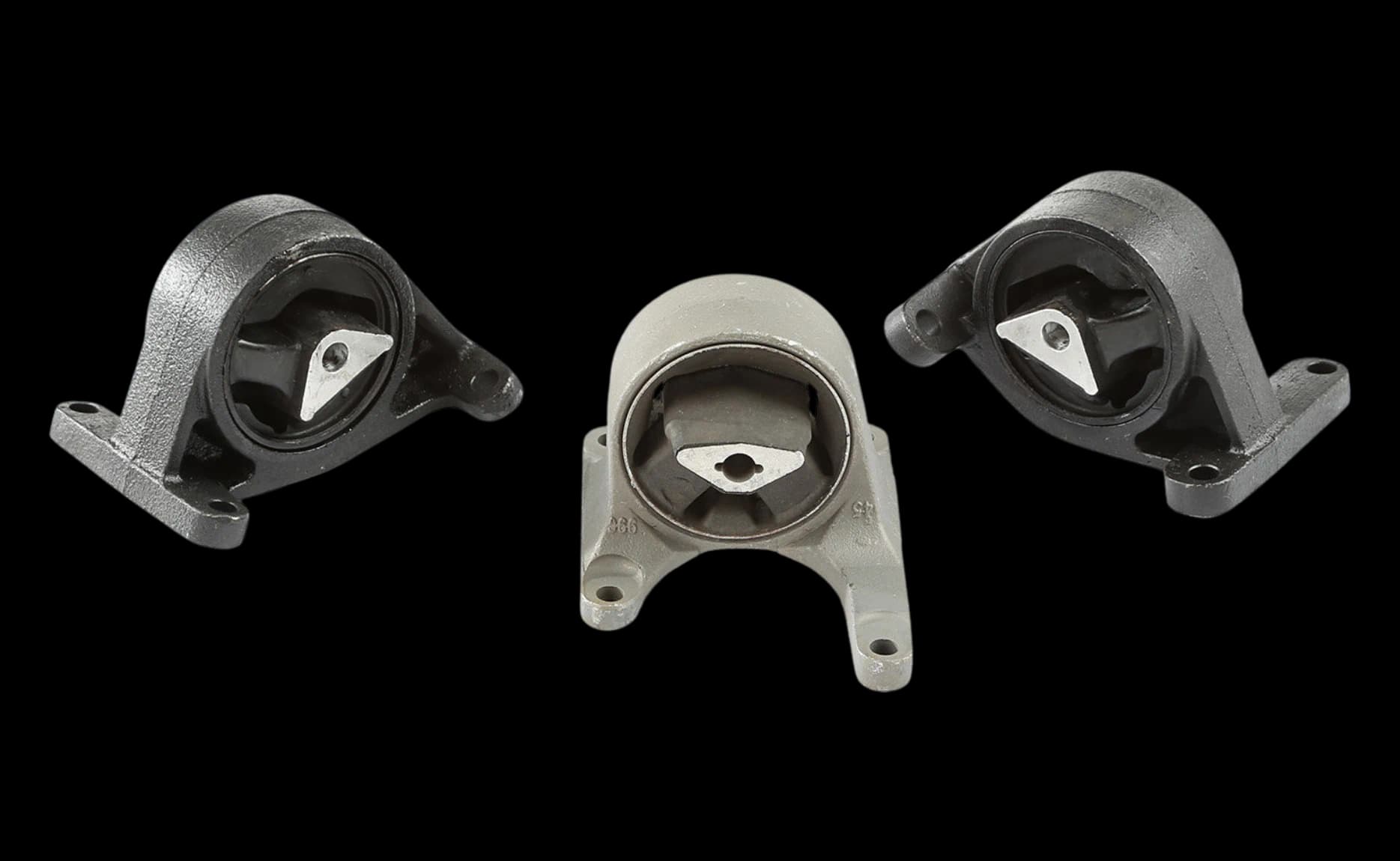
Engine Mount Replacement
Zenfo Auto Services provides certified Jeep engine mount replacement in Musaffah. OEM-grade rubber and hydraulic mounts, torque-spec installation, and inspection.
Learn more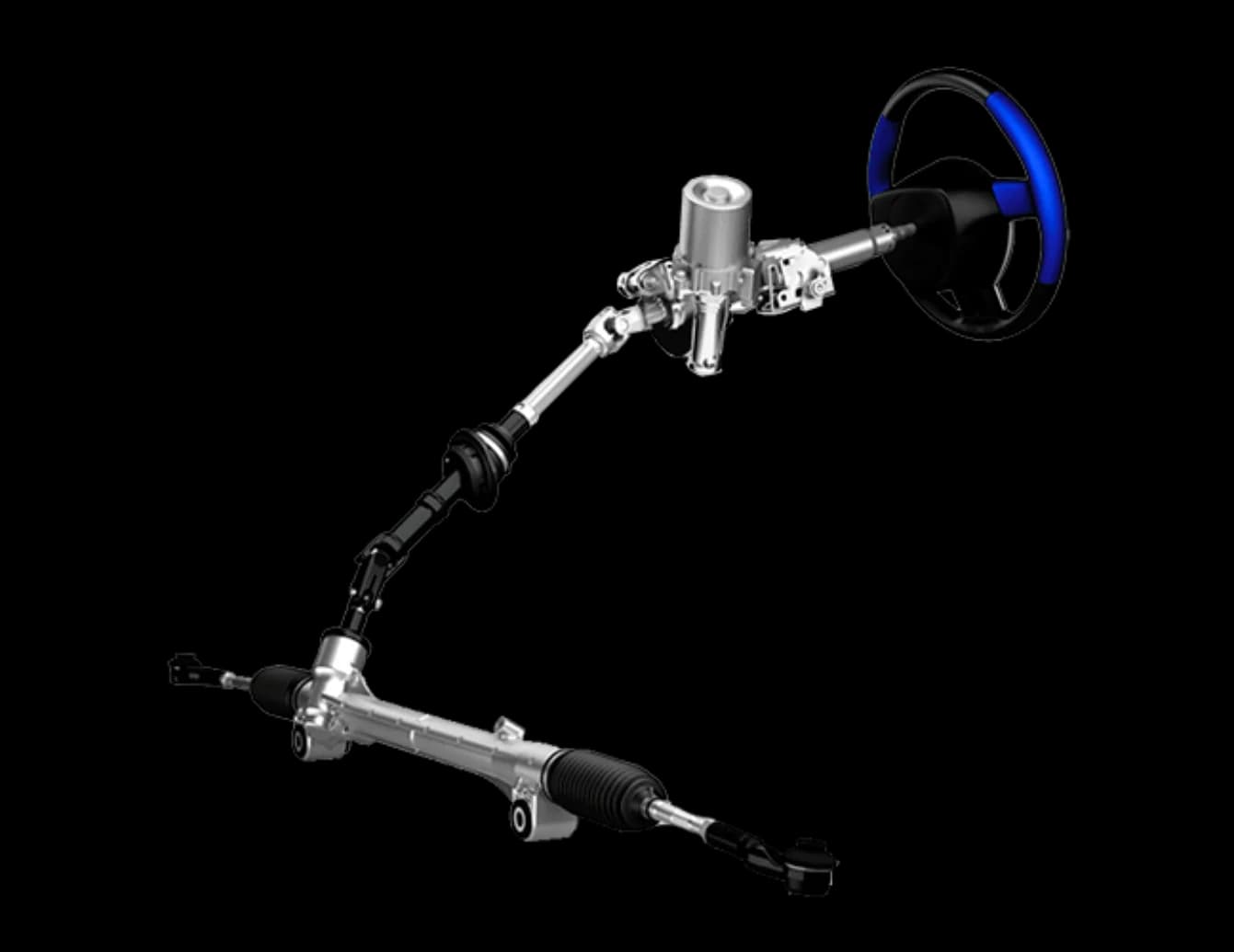
Steering Repair
Zenfo Auto Services provides Jeep steering repair in Musaffah, covering rack and pinion, EPS faults, tie rod replacement, and steering diagnostics. Book now!
Learn more
Leak Repair
Certified Jeep leak repair in Musaffah at Zenfo Auto Services. Engine oil, coolant, transmission and power steering leaks diagnosed by pressure testing.
Learn more
Benefits of Professional Jeep Engine Servicing
Regular engine servicing at correct intervals delivers measurable performance, reliability, and cost benefits for your Jeep across its service life.
| Benefit | Description | Impact |
|---|---|---|
| Restored Engine Performance | Fresh OEM components and correct timing calibration return engine output to factory specification | A properly rebuilt engine restores power output within 2 to 3% of the original manufacturer rating |
| Extended Engine Service Life | Timely replacement of worn bearings, rings, and seals prevents catastrophic failure of the block or crankshaft | Addressing wear components at correct intervals extends engine service life by up to 60% compared to deferred repair |
| Accurate ECU & Sensor Function | Clean sensors and correct fuel delivery ensure the PCM operates the fuel injection and ignition maps within calibrated parameters | Correct sensor operation reduces fuel consumption by up to 8% compared to engines with degraded MAF or O2 sensors |
| Improved Fuel Efficiency | Fresh injectors, clean intake valves, and correct compression ratios maintain the designed air-to-fuel ratio | An engine operating at the correct stoichiometric ratio of 14.7:1 reduces fuel consumption and CO2 emissions measurably |
| Lower Long-Term Repair Costs | Identifying worn mounts, leaking seals, and degraded gaskets during routine service prevents secondary damage to adjacent components | Addressing minor engine faults early reduces total repair costs by up to 50% compared to delayed intervention |
| Warranty and Resale Compliance | Servicing at OEM-specified intervals with genuine parts maintains manufacturer warranty validity for applicable models | Full engine service records improve resale value by up to 20% and support buyer confidence in the vehicle's mechanical condition |
| Reliable Cold Start Performance | Correctly tensioned timing chains and fresh oil pump components maintain correct oil pressure from the first engine rotation | An engine with correct oil pressure at cold start reaches full operating temperature within the standard warm-up window of 3 to 5 minutes |
Maintenance Tips After Jeep Engine Repair
Following these basic practices between service intervals helps maintain engine performance and extends the life of recently repaired components.
- Follow the Run-In Period for a Rebuilt Engine: A freshly rebuilt engine requires a controlled run-in period of 500 to 1,000 km. Avoid sustained high RPM or full-throttle acceleration during this period, as new piston rings, bearings, and valve seats need progressive load cycling to seat correctly against their mating surfaces.
- Check Engine Oil Level Weekly After a Repair: Oil level should be checked on a level surface with the engine cold. A gradual drop in oil level between services can indicate a minor residual leak or elevated consumption from newly seated rings, both of which require prompt attention from a technician.
- Monitor the Temperature Gauge During Normal Driving: Any movement of the coolant temperature gauge beyond the normal midpoint operating range should be reported immediately, as overheating after an engine repair can indicate a trapped air pocket in the cooling circuit or a residual coolant leak.
- Use the Correct OEM-Specified Engine Oil Grade: Jeep engine specifications vary by model and engine code. The 3.6L Pentastar V6 requires SAE 5W-20, while the 2.0L turbocharged unit specifies SAE 0W-20 full synthetic. Using an incorrect viscosity grade affects oil film thickness at bearing clearances and alters the hydraulic lifter response time.
- Respond to Warning Lights Without Delay: Any MIL, oil pressure, or temperature warning light appearing after an engine repair should be treated as an immediate signal to stop driving and contact a technician. Ignoring these indicators risks accelerating damage to components that have just been repaired or replaced.
- Keep to the Recommended Oil Change Interval: Engine oil should be changed at every 10,000 km or 12 months on standard Jeep models using full synthetic oil. Turbocharged models benefit from oil changes at 7,500 km intervals, as turbocharger heat cycles degrade oil viscosity faster than on naturally aspirated engines.
- Schedule a Follow-Up Inspection at 1,000 km Post-Repair: A short follow-up inspection after an engine rebuild confirms that all torqued fasteners remain within specification, no new leaks have developed, and compression readings remain consistent across all cylinders.
Jeep Models, We Service in Musaffah
Zenfo Auto Services provides engine repair and full powertrain servicing for the complete range of Jeep models at our Musaffah workshop.
Questions answered
Frequently Asked Questions
What does a Jeep engine repair service at your workshop include?
A standard engine repair service covers OBD-II fault code scanning, compression testing across all cylinders, oil leak identification, timing chain condition assessment, cooling system inspection, and a full pressure and oil pressure verification after any internal repair work is completed.
How do I know if my Jeep engine needs a repair or a full rebuild?
A targeted repair addresses a specific failed component, such as a head gasket, timing chain, or oil pump. A full rebuild is recommended when compression testing shows multiple cylinders below 150 PSI, bore wear exceeds the serviceable limit, or crankshaft journals show taper beyond 0.005mm.
What engine oil grade does my Jeep require?
Engine oil specification varies by model. The 3.6L Pentastar V6 uses SAE 5W-20 full synthetic, the 2.0L turbocharged four-cylinder requires SAE 0W-20, and the 6.4L HEMI V8 specifies SAE 5W-20. The correct grade is always confirmed from the owner’s manual and engine bay labelling before any oil service is carried out.
How long does a Jeep engine repair take?
Diagnostic work and minor repairs, such as valve cover gaskets or sensor replacements, are completed within 2 to 4 hours. Cylinder head repairs and timing chain replacements take 1 to 2 working days. A full engine rebuild or long block replacement typically requires 2 to 4 working days, depending on machining requirements and parts availability.
Do you replace timing chains as well as the associated VVT components?
Yes. A full timing chain replacement includes the chain sets, tensioners, guides, VVT actuators, and solenoid filter screens. Replacing only the chain without the tensioners and guides on a high-mileage engine leaves worn components that will accelerate chain stretch on the new assembly.
Can you reset the check engine or MIL warning light after an engine repair?
Yes. All engine-related warning indicators are cleared using OBD-II scan tools that communicate with the PCM after the specific fault has been repaired and verified. The MIL is only cleared after a drive cycle confirms the repair is functioning within the correct operational parameters.
Do you service turbocharged Jeep engines?
Yes. Turbocharged Jeep engines, including the 2.0L unit found in the Grand Cherokee and Wrangler 4xe variants, require specific procedures during repair, including pre-oiling the turbocharger before first startup and verifying the oil feed line condition. Our technicians are equipped with the correct software and tools for turbocharged powertrain repairs.
How often should the engine oil be changed on a Jeep?
Engine oil should be replaced every 10,000 km or 12 months on standard Jeep models using full synthetic oil. Turbocharged models are recommended for oil changes at 7,500 km intervals due to the additional thermal load placed on the oil by the turbocharger. The oil filter is replaced at every oil change as standard.
Need your Jeep looked at today?
Same-day slots for battery, oil service, brake pads, tyre fitting, AC recharge and ECU coding. Written estimate before any work begins.
Near 21, As Salami 8 St, Musaffah Industrial Area, M9, Abu Dhabi, United Arab Emirates