Zenfo Auto Services · Mussafah
Complete Jeep Brake Pad Replacement & Brake System Service in Musaffah
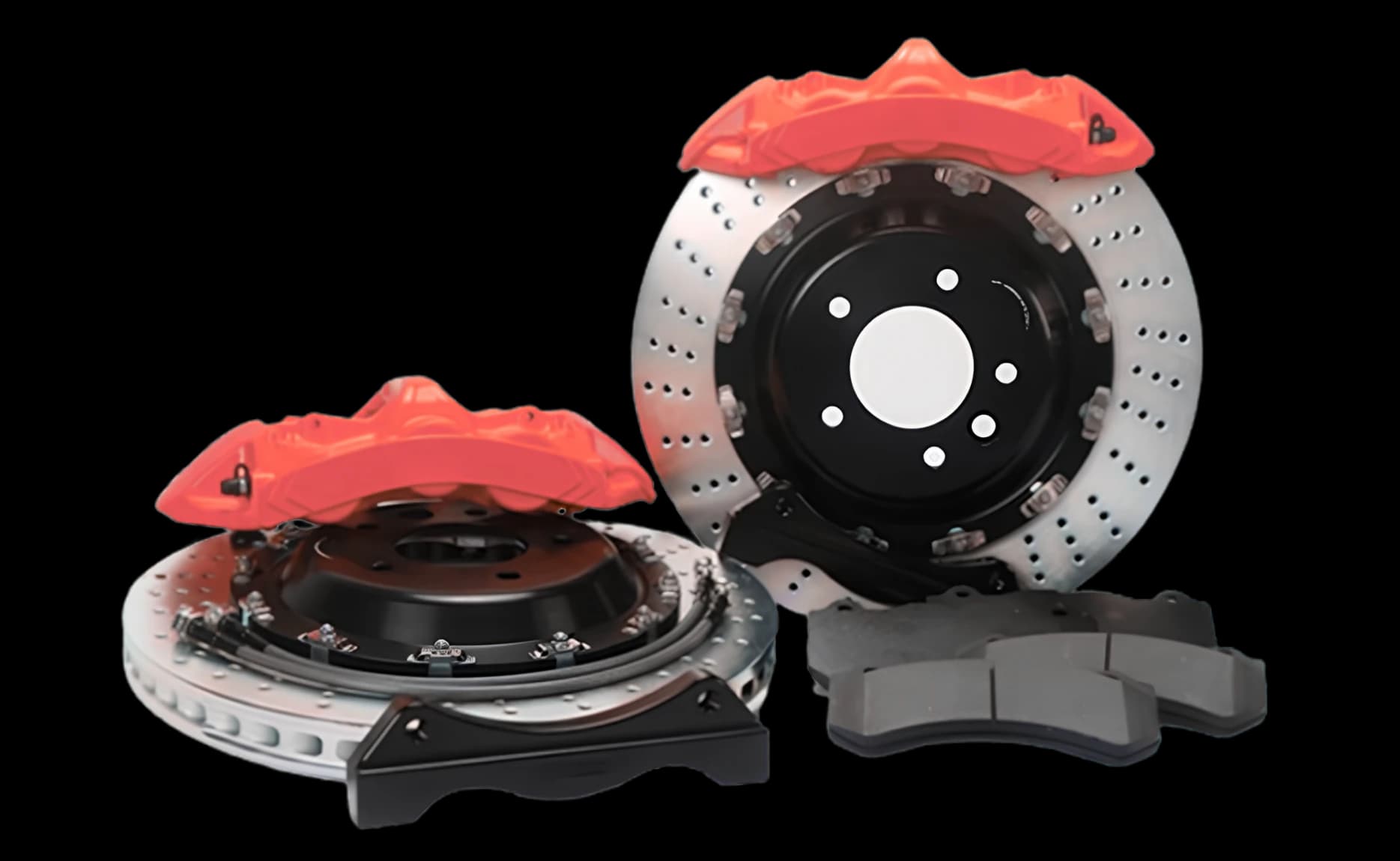
Zenfo Auto Services provides thorough brake pad replacement and full brake system servicing for all Jeep models in Musaffah, using OEM-approved components, advanced hydraulic tools, and certified technicians trained in Jeep-specific braking systems.
- Open daily (Mon – Sun): 09:00 – 21:00
- Musaffah Industrial Area, M9, Abu Dhabi
- Years of Experience
- 10+Years of Experience
- Satisfied Clients
- 100%Satisfied Clients
- Pickup & Delivery Service
- 24/7Pickup & Delivery Service
- Quick Service
- 2xQuick Service
- 4.9 ★ Google reviews
- Free pick-up & delivery
- OEM-grade parts
- 12-month repair warranty
- Written estimate before any work
- Jeep-specific diagnostic software
- Certified Jeep technicians
- 24/7 breakdown assistance
- Same-day slots available
Why Choose Zenfo Auto Services for Jeep Brake Services in Musaffah?
Our brake specialists handle every Jeep braking system with precision, following OEM (Original Equipment Manufacturer) torque specifications and hydraulic calibration standards. Each job is carried out using manufacturer-grade equipment to ensure braking performance meets factory safety benchmarks.
Certified Jeep Brake Technicians
Our technicians hold manufacturer-level certifications covering Jeep-specific braking systems, including ABS, EBD, and ESC diagnostics. Continuous training keeps them current with evolving Jeep brake technologies, and every repair follows structured inspection protocols throughout the entire hydraulic circuit, from the master cylinder to the caliper pistons.
Genuine OEM Brake Parts & Advanced Equipment
Only OEM-approved brake pads, discs, calipers, and hydraulic fluid are used across all brake services. Our workshop is equipped with hydraulic brake bleeders, electronic caliper compression tools, and OBD-II interfaces, ensuring correct friction coefficient ratings, accurate rotor runout tolerances, and full system compatibility.
Efficient Brake Service Turnaround
A standard brake pad replacement takes 60 to 90 minutes per axle, and a full four-wheel brake overhaul takes 3 to 4 hours. Multiple vehicles are serviced simultaneously, keeping wait times short without reducing inspection depth or repair quality.
Clear and Consistent Pricing
All brake service costs are confirmed upfront, covering parts, labour, and any findings from the full brake inspection. No additional charges are applied once the job begins, and a written service report documenting all work, parts, and measurements is provided at handover.
Jeep Brake Pad Replacement Services We Provide
Front Brake Pad Replacement (OEM Grade)
Front brake pads handle approximately 70% of the total braking load due to forward weight transfer during deceleration. We remove the caliper assembly, compress the piston to the correct bore depth, and fit new OEM pads with 10 to 12mm friction material thickness. Pad wear sensors are inspected and replaced where required.
Rear Brake Pad Replacement (OEM Grade)
Jeep Grand Cherokee and Wrangler models with integrated EPB (Electronic Parking Brake) actuators require electronic caliper retraction via OBD-II before piston compression. Our technicians retract the EPB motor safely using Jeep-compatible scan tools, install new OEM rear pads, and reset EPB calibration through the BCM before road testing.
Brake Disc (Rotor) Replacement
Disc thickness is measured with a digital micrometer at four equidistant points per rotor face. Discs worn below the minimum threshold are replaced with OEM rotors. Post-installation runout is verified within the 0.05mm lateral runout specification using a dial gauge.
Brake Caliper Service & Replacement
Caliper pistons and slide pins are inspected for seizure, corrosion, and hydraulic leakage during every brake pad replacement. Seized pistons raise disc temperatures beyond the safe 300°C to 400°C operating range and accelerate uneven wear. Calipers showing bore damage or fluid leakage past the dust seal are replaced with OEM units.
Brake Disc Skimming (Resurfacing)
Where disc thickness remains above the serviceable minimum but the surface shows scoring, heat spots, or DTV beyond 0.010mm, on-vehicle brake lathe resurfacing is performed. The lathe removes 0.3 to 0.5mm per face, restoring a uniform friction surface.
Brake Fluid Replacement (DOT 4 / DOT 5.1)
Brake fluid absorbs atmospheric moisture at 1 to 2% per year. Water content exceeding 3% drops the DOT 4 boiling point from 230°C to below 155°C, increasing vapour lock risk under hard braking. A full vacuum-bleed flush using the correct DOT 4 or DOT 5.1 specification clears all contaminated fluid from the system.
Handbrake (Parking Brake) Adjustment & Cable Inspection
Handbrake cable tension is adjusted to achieve full engagement within 3 to 5 lever clicks. On drum-in-hat rear parking brake systems, drum shoes and the adjuster wheel are inspected for wear and correct self-adjustment function. Cable routing, rubber grommets, and the equaliser bar are checked for fraying, corrosion, or seized sections.
ABS Sensor & Brake Warning Light Diagnosis
ABS, EBD, and brake warning lights are diagnosed using OBD-II tools that retrieve all active and stored DTCs from the ABS control module. Wheel speed sensor output across all four corners is verified via live oscilloscope data. Faulty sensors are replaced with OEM units, and the module is cleared after repair.
Brake Hose & Hard Line Inspection
Flexible brake hoses are checked for external cracking, swelling, and internal liner collapse caused by rubber degradation. A collapsed liner restricts hydraulic flow, creating asymmetric caliper pressure and causing the vehicle to pull under braking. Chassis hard lines are examined for corrosion, stone impact damage, and secure clip retention throughout their full length.
Full Hydraulic Brake System Pressure Test
After fluid replacement or caliper installation, a pressure gauge connected at the caliper circuit verifies front operating pressure within the 100 to 160 bar range under firm pedal application. Rear circuit balance is confirmed within 5% of the front reading, identifying residual air pockets, proportioning valve faults, or master cylinder pressure loss before handover.
Brake Sensor Replacement
Brake wear sensors are tested for correct resistance and continuity using a digital multimeter. A faulty sensor that fails to trigger the dashboard pad warning at the 3mm wear threshold leaves the driver without a timely replacement alert. Worn or damaged sensors are replaced with OEM units calibrated to the correct pad thickness activation point.
Brake Booster Inspection & Repair
The vacuum brake booster amplifies pedal input force by a ratio of 3:1 to 4:1, reducing the physical effort required to generate full hydraulic braking pressure. A failing booster produces a hard, unresponsive pedal and increases stopping distances noticeably. Booster vacuum integrity is tested, and units showing diaphragm failure or vacuum seal deterioration are replaced.
Brake Drum and Shoe Replacement
Brake drum inner diameter is measured with a drum micrometer and compared against the maximum serviceable oversize limit, typically 1.5mm above the standard bore diameter. Shoes worn below 1.5mm of friction lining thickness are replaced with OEM-grade units. Drum contact surfaces showing deep scoring or heat cracking are replaced rather than resurfaced.
Master Cylinder Replacement
The master cylinder converts brake pedal force into hydraulic pressure across the primary and secondary brake circuits. Internal bore wear or piston seal failure causes fluid bypass, resulting in a sinking pedal under sustained pressure. Cylinder bore condition and fluid displacement volume are tested before replacement with an OEM unit matched to the correct bore diameter.
How to Book a Jeep Brake Service at Zenfo Auto Services?
Booking a Jeep brake service at our Musaffah workshop is straightforward. Follow these three steps to schedule your appointment.
Book a slot
Talk to a Jeep technician, not a contact form
Call or message the workshop and you will speak to someone who works on Jeeps every day. You get a written, itemised estimate before any work starts, and nothing is charged beyond it.
What to send us
- Your Jeep model and year, such as Wrangler JL or Grand Cherokee WK2
- The fault or service you need, plus any warning lights or noises
- Photos or a short video of the problem, if you have them
- Your preferred drop-off day; same-day slots are usually available
- WhatsApp+971 52 515 0820Fastest reply; send photos of the fault
- Call the workshop+971 52 515 0820Same-day slots for oil, brakes, battery and AC
- Emailinfo@zenfoautoservices.aeWritten response within 4 business hours
- Walk in, no appointment neededNear 21, As Salami 8 St, Musaffah Industrial Area, M9, Abu Dhabi, United Arab EmiratesGet directions on Google Maps
Share Your Jeep Details
Provide your Jeep's model, year, current mileage, and the specific brake concern you have noticed. This allows our technicians to prepare the correct OEM parts and diagnostic equipment before your vehicle arrives.
Make a Booking
Select a date and time that works for your schedule. Same-day and next-day appointments are available, and free pickup and delivery service is offered across the Musaffah area for customers who cannot bring their Jeep in directly.
We Repair
Our certified technicians carry out the full brake service and provide you with a written inspection and repair report at the end of the job. You are kept informed at every stage of the process, including any additional findings identified during the brake inspection.
What you get
Key Features We Provide
- Experienced & Certified Mechanics
- 24/7 Breakdown Assistance
- Timely & Efficient Delivery
- Instant Price Quotes
- Free Pickup & Delivery
- Repair Warranty on All Services
When Does Your Jeep Need Brake Service?
The following signs indicate that your Jeep's braking system requires professional inspection or repair. Addressing these symptoms early prevents further hydraulic or mechanical damage.
| Issue | Symptoms / Signs | Possible Cause | Recommended Solution |
|---|---|---|---|
| Brake Warning Light On | Red or amber brake indicator illuminated on the instrument cluster | Low brake fluid level, pad wear sensor triggered, ABS fault code stored in module | Immediate brake inspection, fluid check, and OBD-II fault code diagnosis |
| Grinding or Squealing Noise | Metallic grinding or a high-pitched squeal during braking | Brake pads worn below 3mm minimum thickness, glazed disc surface | Front or rear brake pad and disc inspection with OEM replacement |
| Pulsating Brake Pedal | Vibration through the brake pedal during moderate or hard braking | Brake disc DTV (Disc Thickness Variation) exceeding 0.010mm, excessive rotor runout | Disc runout measurement, skimming, or OEM disc replacement |
| Soft or Spongy Brake Pedal | Reduced pedal resistance or pedal sinking toward the floor | Air in the hydraulic circuit, brake fluid moisture above 3%, master cylinder seal wear | Full brake fluid flush, hydraulic pressure test, and master cylinder inspection |
| Vehicle Pulling Under Braking | Jeep drifting left or right during brake application | Seized caliper piston, collapsed brake hose restricting fluid flow, uneven pad wear | Caliper inspection and replacement, brake hose assessment, and fluid bleed |
| Burning Smell After Driving | Acrid burning odour from the wheel area after highway or downhill driving | Seized caliper causing continuous pad-to-disc contact, overheated brake fluid | Immediate caliper and pad inspection, brake fluid boiling point test |
| Increased Stopping Distance | Jeep requires noticeably more distance to stop than usual | Worn pads below minimum thickness, degraded brake fluid, and low hydraulic pressure | Full brake system inspection, pad and fluid replacement, hydraulic pressure test |
| Handbrake Not Holding | Vehicle rolling on a gradient with the parking brake applied | Stretched handbrake cable, worn drum-in-hat parking brake shoes, mis-adjusted EPB | Cable tension adjustment, parking brake shoe inspection, EPB recalibration |
Our services
Our Jeep Services in Mussafah
Major and Minor Services
Don't wait until it's too late! Book your Jeep major or minor service at Zenfo Auto Services, Musaffah. Genuine parts, transparent pricing & fast turnaround guaranteed.
Learn more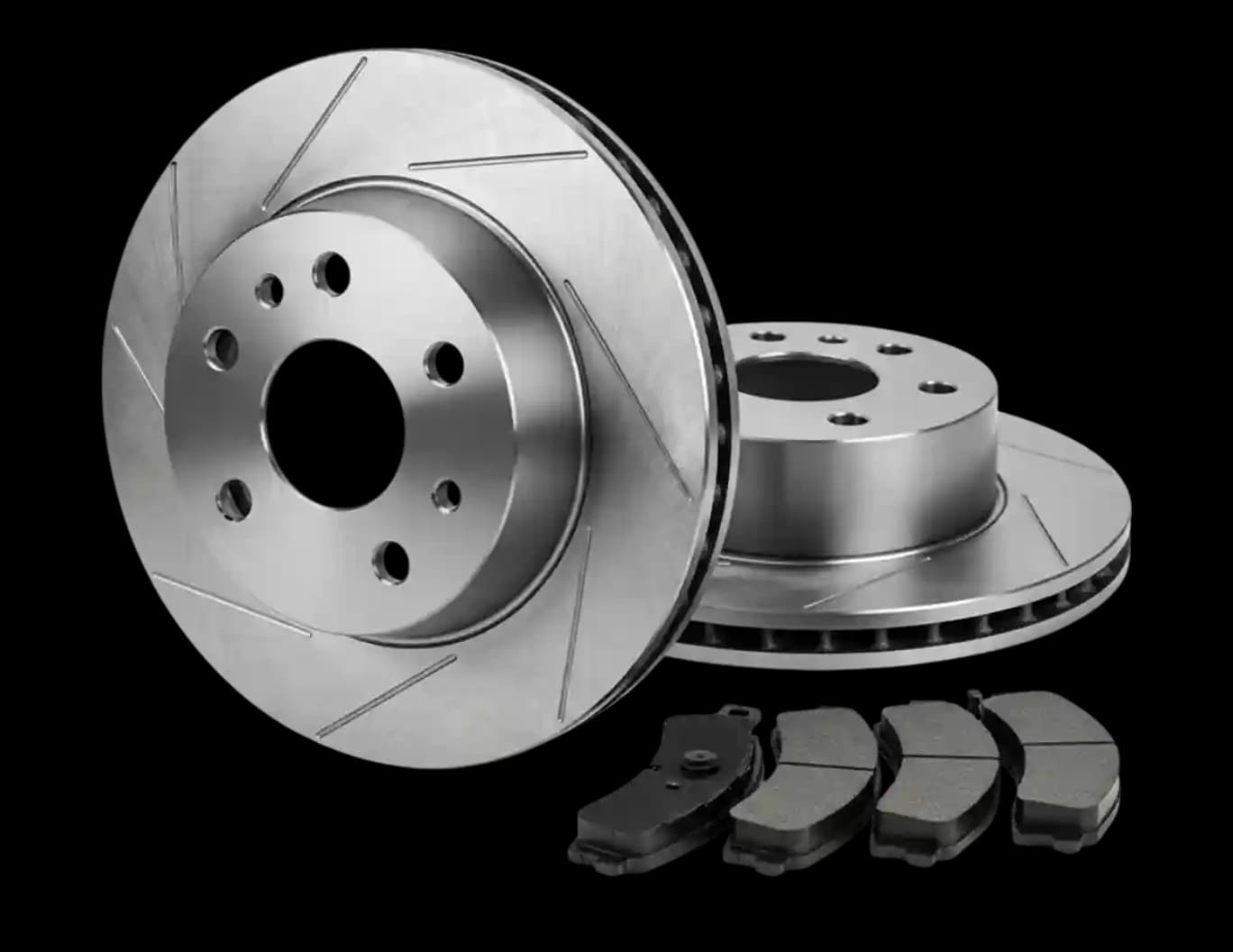
Brake Pad Replacement
Get professional Jeep brake pad replacement and full brake system servicing at Zenfo Auto Services, Musaffah. OEM parts, certified technicians, and transparent pricing.
Learn more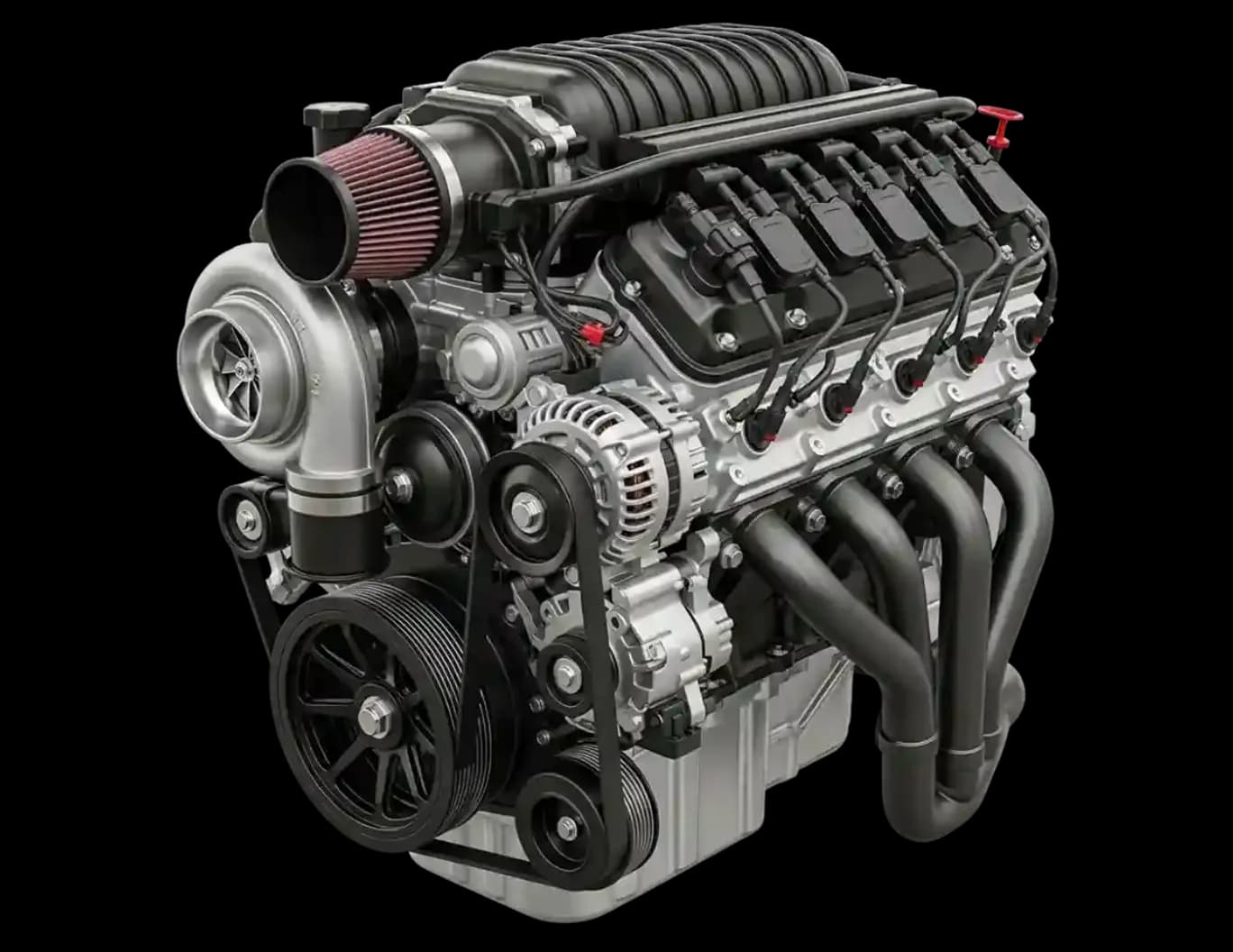
Engine Repair
Zenfo Auto Services provides certified Jeep engine repair in Musaffah, covering diagnostics, timing chain service, rebuilds, and overhauls. Book Now!
Learn more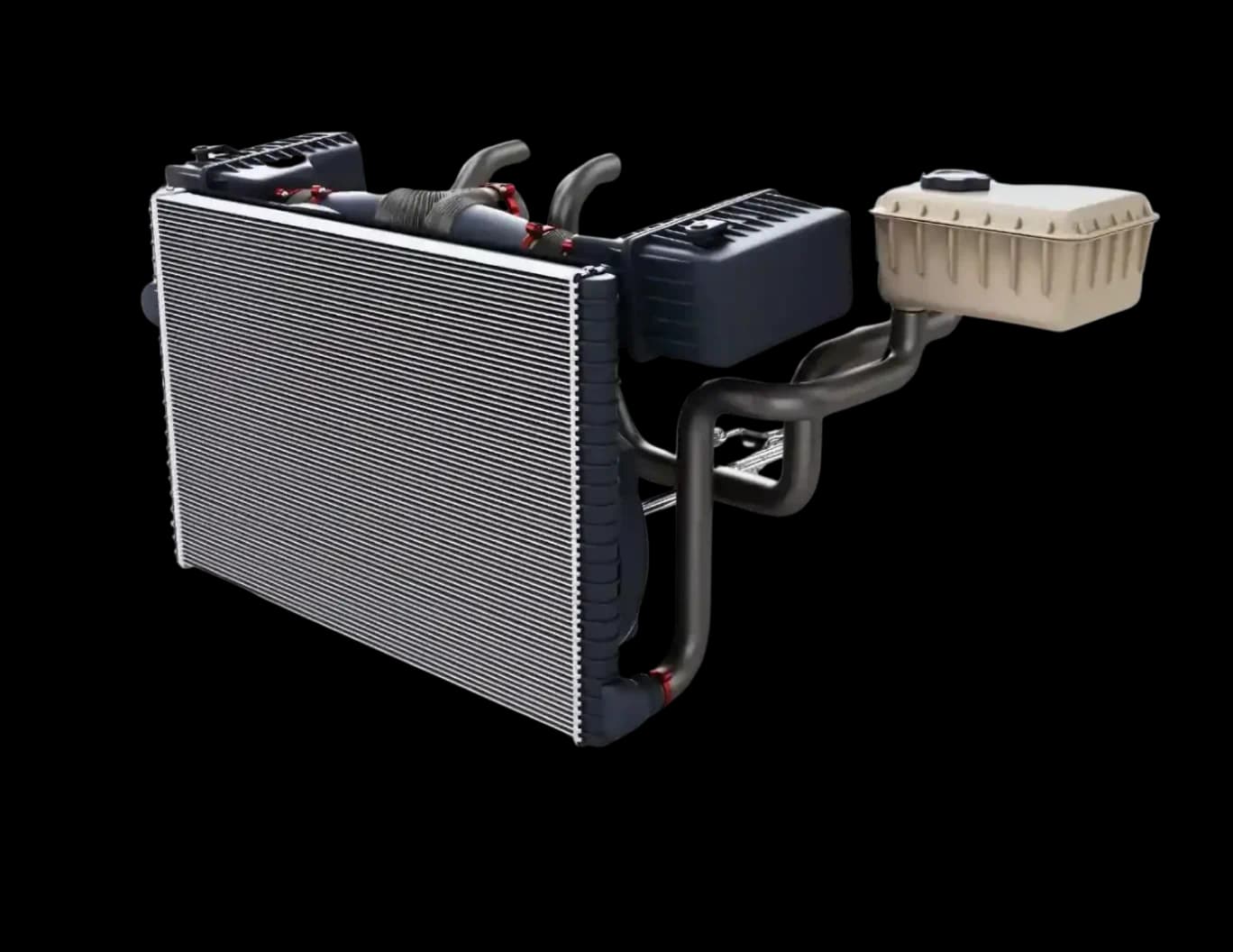
Radiator Repair
Zenfo Auto Services offers Jeep radiator repair in Musaffah, covering leak detection, coolant flush, and full cooling system diagnostics. Book your slot now!
Learn more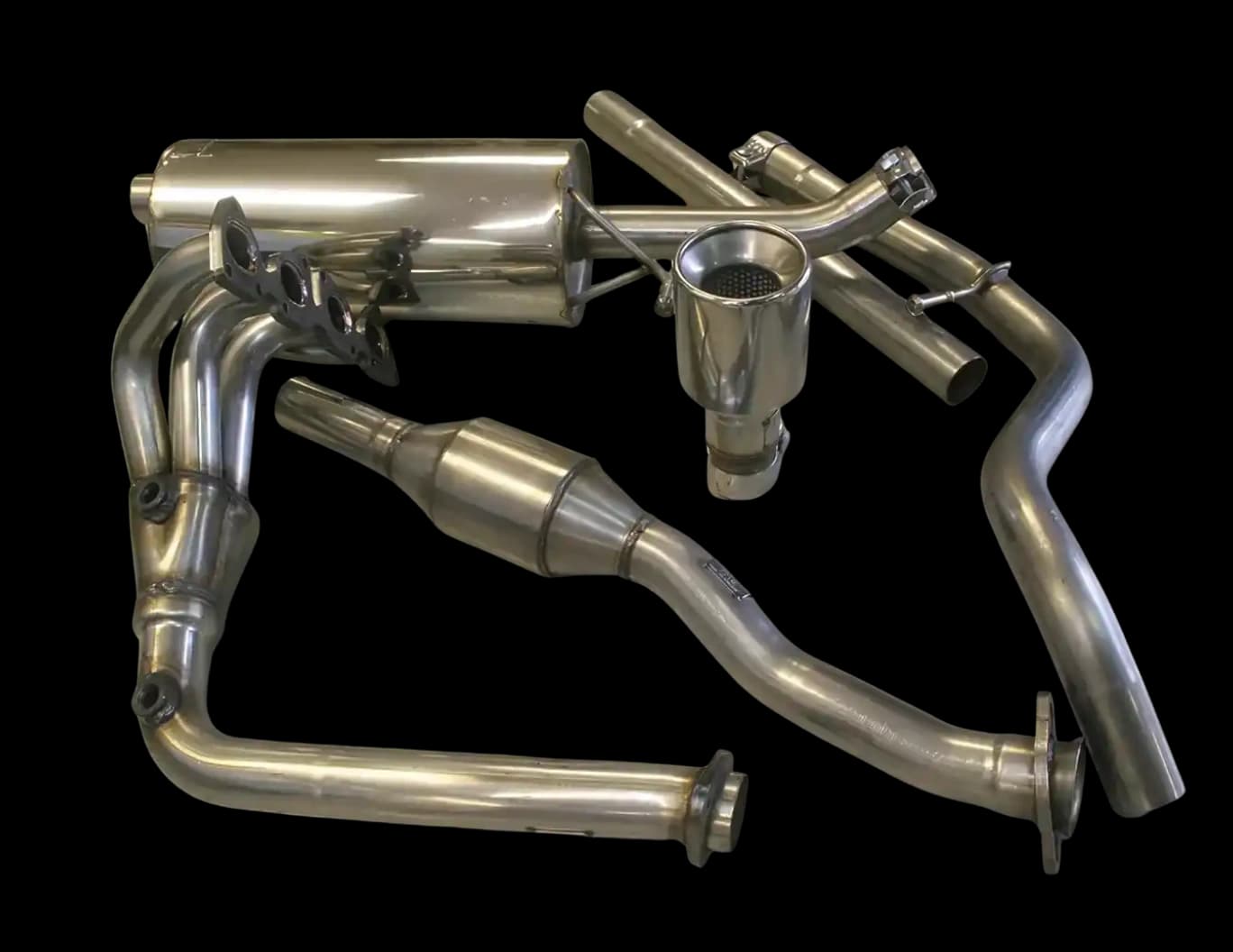
Exhaust Repair
Zenfo Auto Services offers complete Jeep exhaust repair in Musaffah, covering catalytic converters, DPF cleaning, manifold replacement, and full diagnostics.
Learn more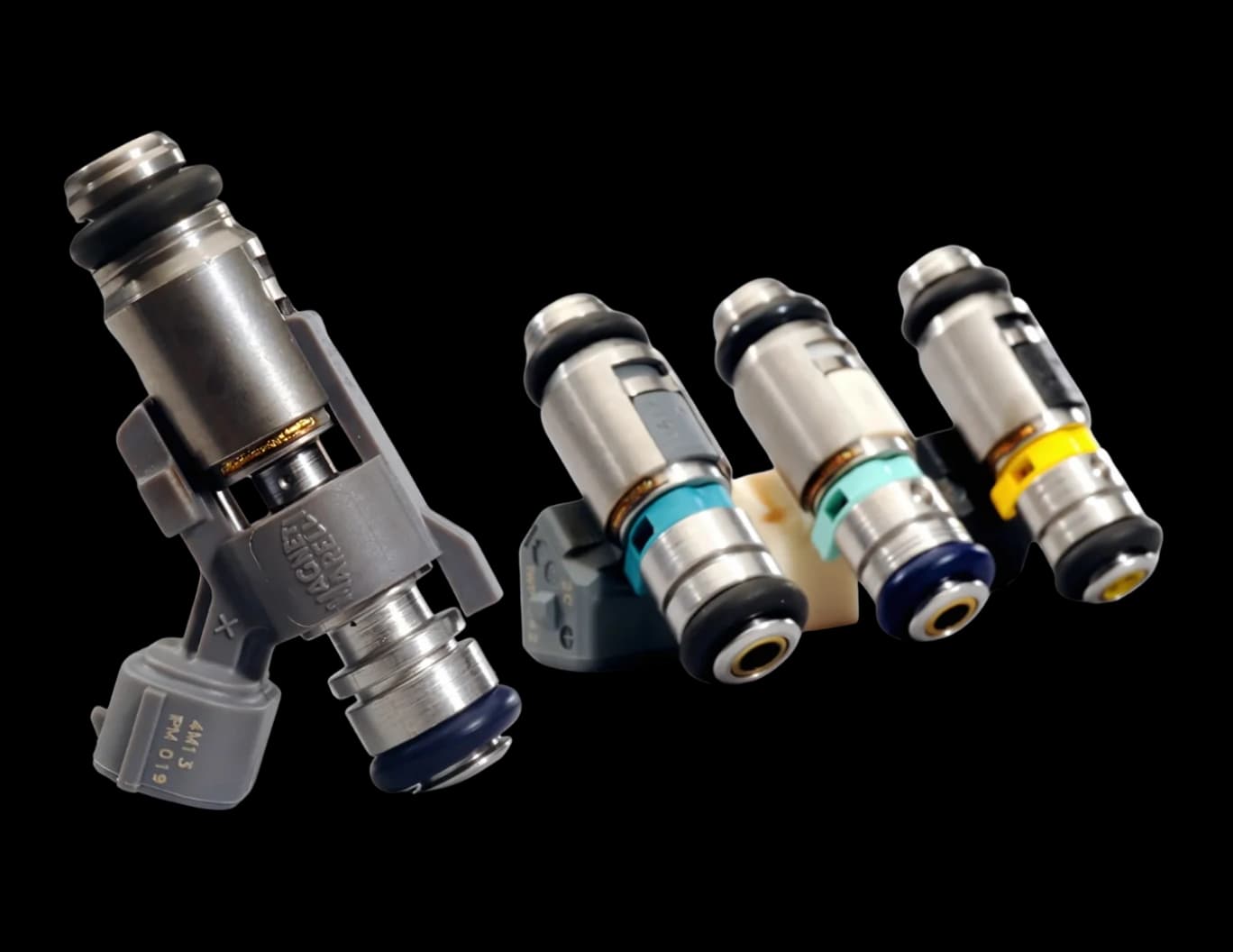
Fuel Injector Cleaning
Professional Jeep fuel injector cleaning and full fuel system servicing at Zenfo Auto Services, Musaffah. OEM parts, certified technicians, and upfront pricing.
Learn more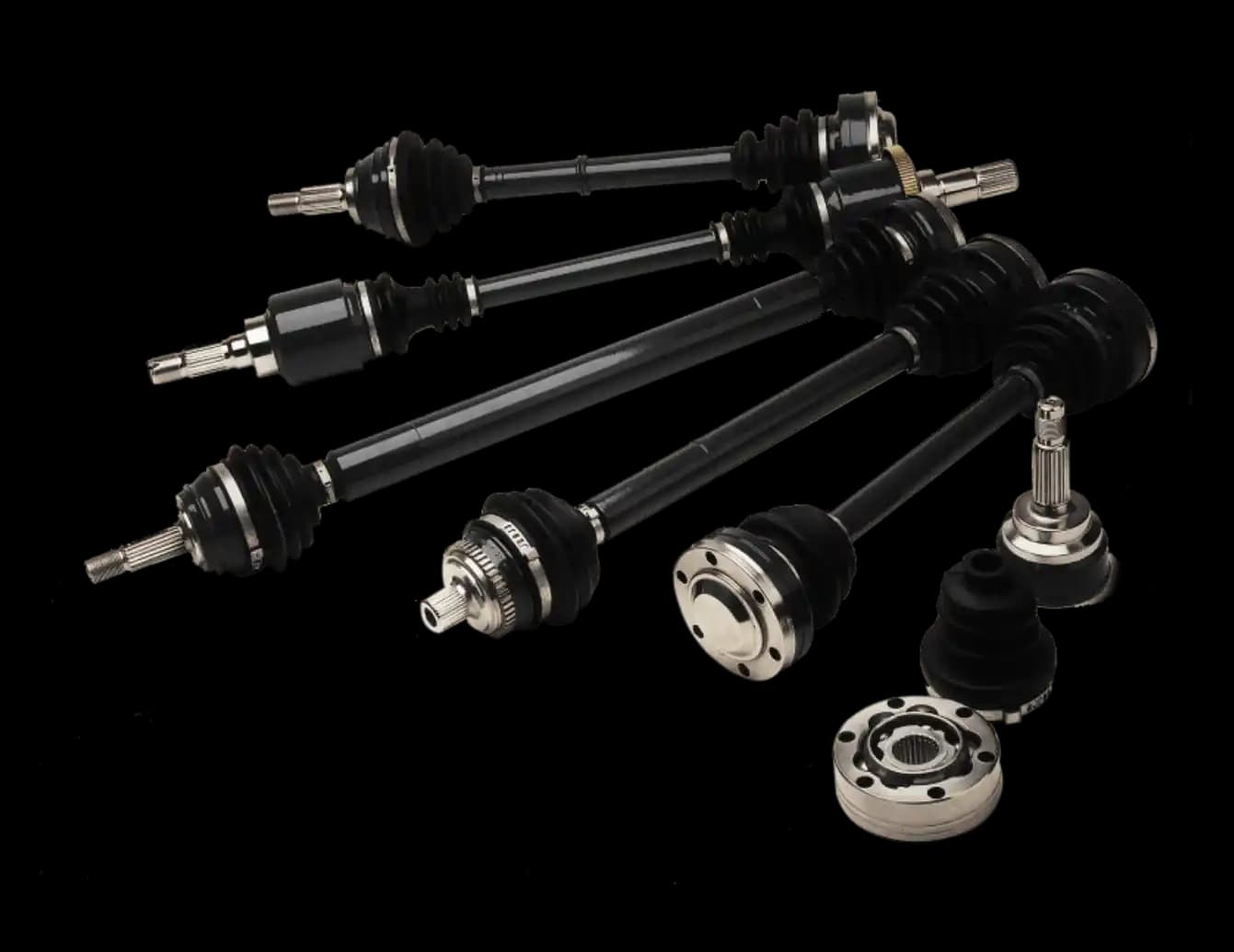
Driveshaft Repair
Zenfo Auto Services provides complete Jeep driveshaft repair in Musaffah, covering CV joint replacement, U-joint overhaul, prop shaft balancing, and diagnostics.
Learn more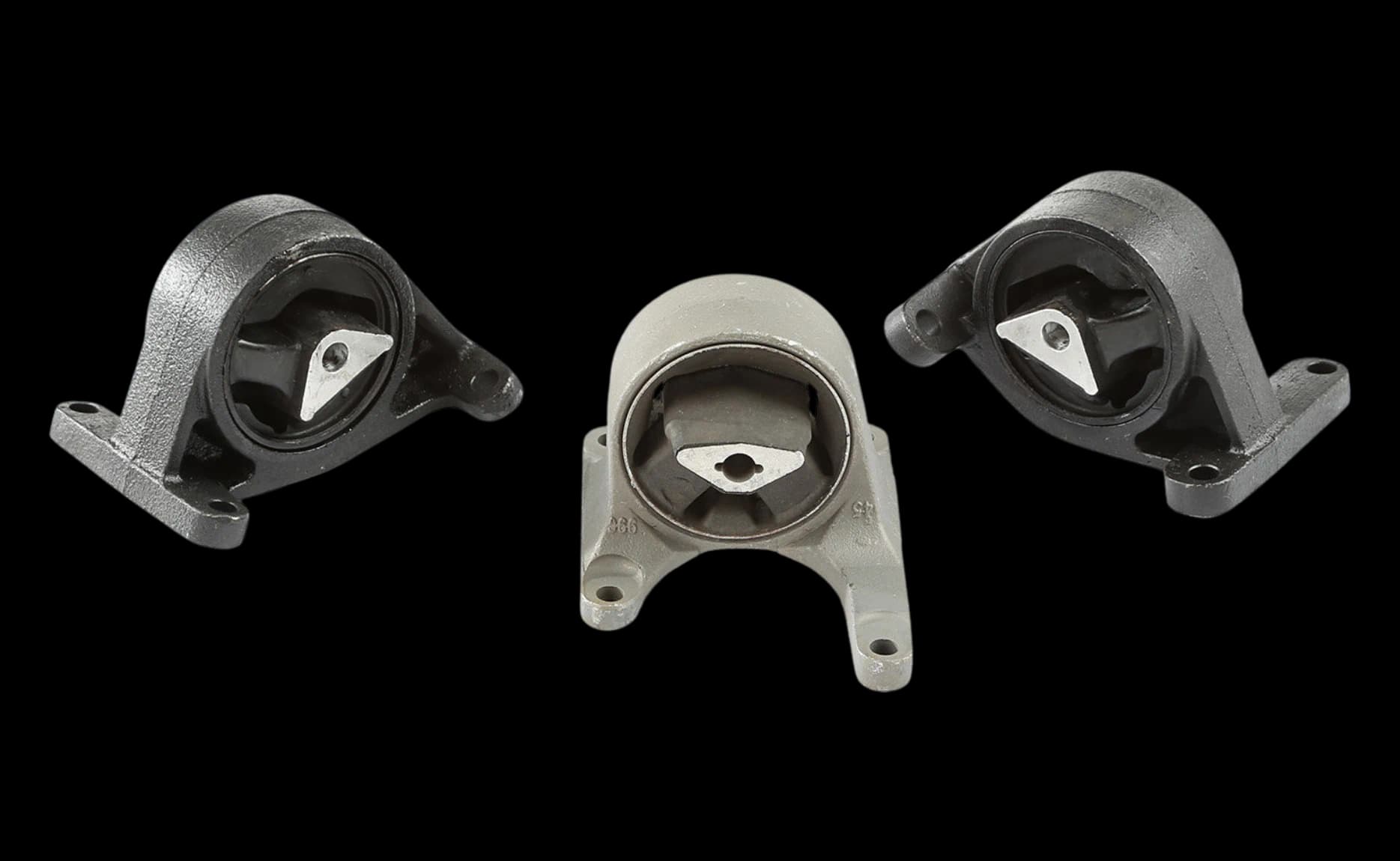
Engine Mount Replacement
Zenfo Auto Services provides certified Jeep engine mount replacement in Musaffah. OEM-grade rubber and hydraulic mounts, torque-spec installation, and inspection.
Learn more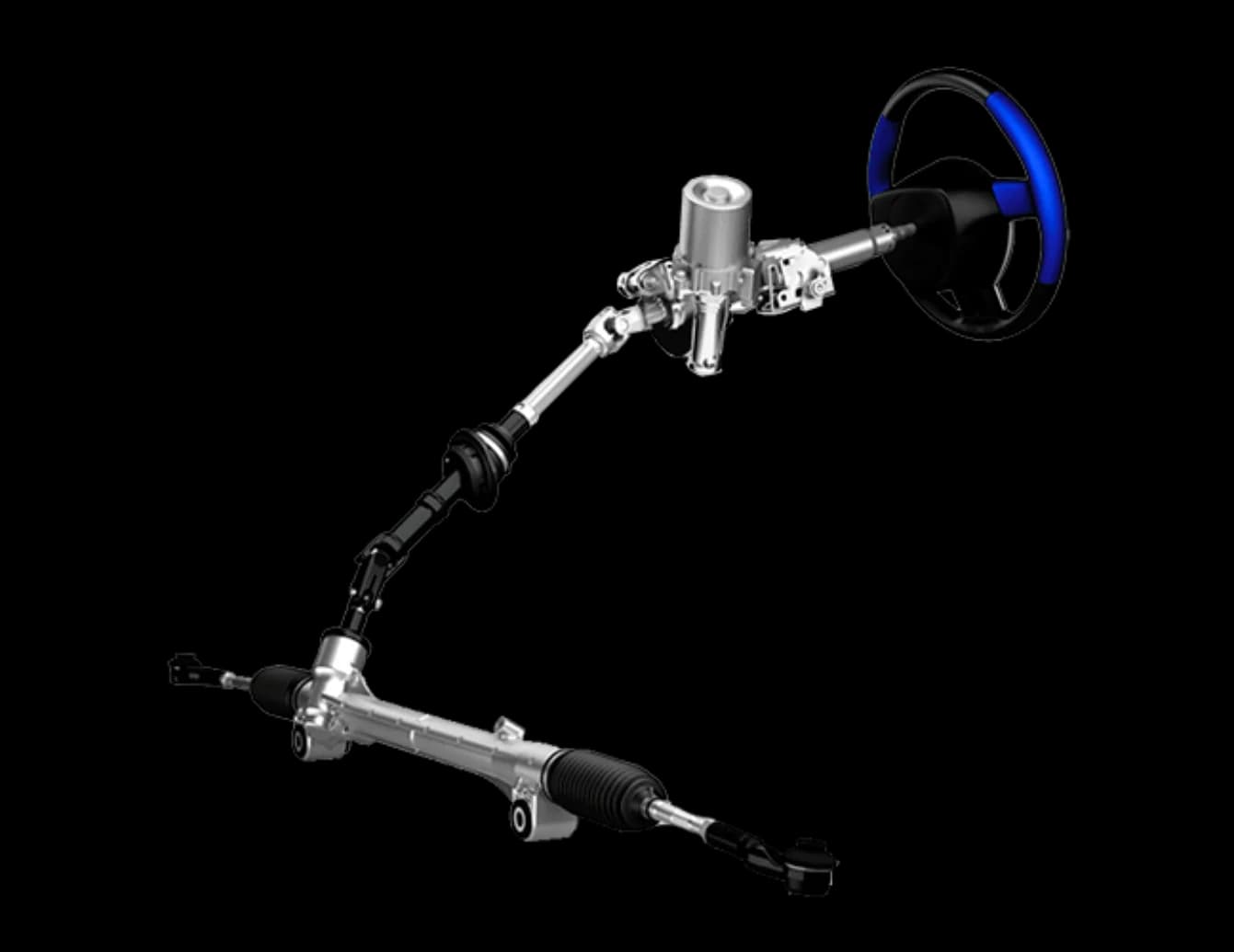
Steering Repair
Zenfo Auto Services provides Jeep steering repair in Musaffah, covering rack and pinion, EPS faults, tie rod replacement, and steering diagnostics. Book now!
Learn more
Leak Repair
Certified Jeep leak repair in Musaffah at Zenfo Auto Services. Engine oil, coolant, transmission and power steering leaks diagnosed by pressure testing.
Learn more
Benefits of Professional Jeep Brake Servicing
Regular brake servicing at correct intervals provides measurable safety, mechanical, and financial benefits for your Jeep across its service life.
| Benefit | Description | Impact |
|---|---|---|
| Reliable Stopping Performance | Fresh OEM pads and correctly measured discs ensure a consistent friction coefficient across all four corners | Well-maintained brakes reduce stopping distances by up to 20% compared to systems with pads below 3mm |
| Extended Brake Component Life | Timely pad replacement prevents metal-on-metal disc scoring that damages rotors beyond resurfacing tolerance | Replacing pads at the correct interval extends disc service life by up to 50% compared to delayed replacement |
| ABS and Safety System Accuracy | Clean ABS sensors and correct hydraulic pressure ensure ESC, EBD, and hill descent systems operate within calibrated parameters | Properly functioning ABS reduces stopping distance on wet surfaces by up to 25% versus locked-wheel braking |
| Improved Pedal Response | Fresh brake fluid with a moisture content below 1.5% maintains the hydraulic boiling point above 230°C under hard braking | Correct fluid condition eliminates vapour lock risk and ensures a firm, consistent pedal feel at all temperatures |
| Lower Long-Term Repair Costs | Identifying worn calipers, corroded lines, and degraded hoses during routine brake service prevents hydraulic failure | Addressing minor brake faults early reduces total repair costs by up to 55% over the vehicle's service life |
| Warranty and Resale Compliance | Servicing at OEM-specified intervals with genuine parts maintains Jeep manufacturer warranty validity | Full brake service records improve resale value by up to 20% and increase buyer confidence in the vehicle's safety history |
| Consistent Brake Balance | Hydraulic pressure testing confirms equal braking force across all four corners within a 5% variance tolerance | Balanced braking prevents handling instability during emergency stops and preserves tyre contact patch uniformity |
Maintenance Tips After Jeep Brake Service
Following these basic practices between service intervals helps maintain braking performance and extends the service life of recently replaced components.
- Allow a Bedding-In Period: New brake pads require a controlled bedding-in process of approximately 200 to 300 KM. Avoid hard or abrupt braking where possible during this period, as the friction material needs gradual heat cycling to bond correctly to the disc surface and achieve full friction coefficient ratings.
- Check the Brake Fluid Level Monthly: Brake fluid level is visible through the translucent reservoir on the master cylinder. A gradual drop in fluid level between services can indicate either normal pad wear reducing caliper piston extension or the early stages of an external hydraulic leak that requires immediate attention.
- Monitor Brake Warning Indicators: Any warning light appearing on the instrument cluster after a brake service should be reported to a technician immediately, as ABS, ESC, and brake pressure sensors continue monitoring the hydraulic circuit during normal operation.
- Avoid Extended Handbrake Application in Hot Conditions: Leaving the parking brake engaged for extended periods in high-temperature conditions can cause brake pad material to bond lightly to the disc surface. Where possible, use a gear position to hold the vehicle on gradients rather than the parking brake alone.
- Listen for Early Wear Indicators: Brake pad wear indicators are designed to produce a deliberate squealing noise when pad thickness reaches approximately 3mm. Responding to this signal promptly prevents the metal backing plate from contacting the disc and causing expensive disc damage.
- Keep the Wheel Area Clean: Salt, sand, and road debris accumulate on caliper slide pins and disc surfaces, accelerating corrosion on brake hardware. Regular wheel cleaning helps preserve caliper mobility and prevents premature caliper seizure between service visits.
- Book Your Next Brake Inspection on Time: Brake pad and fluid condition should be assessed at every 10,000 KM service interval or sooner if any of the symptoms listed above are noticed during normal driving.
Jeep Models, We Service in Musaffah
Zenfo Auto Services provides brake pad replacement and full brake system servicing for the complete range of Jeep models at our Musaffah workshop.
Portfolio
Our Recent Work
Tap any photo to view the full set.
Questions answered
Frequently Asked Questions
What does a Jeep brake service at your workshop include?
A standard brake service covers front and rear brake pad thickness measurement, disc runout and thickness verification, brake fluid condition testing, caliper slide pin inspection, ABS sensor function check, and a full hydraulic pressure test after any fluid replacement or caliper work is completed.
How do I know if my Jeep needs brake pads replaced?
Common signs include a grinding or metallic squealing noise during braking, a pulsating brake pedal, a brake or ABS warning light on the dashboard, increased stopping distances, or a visible pad thickness below 3mm when inspecting through the wheel spokes.
What brake fluid specification does my Jeep use?
Most Jeep models require DOT 4 brake fluid, while newer high-performance and hybrid models may specify DOT 5.1. The correct specification is confirmed from your Jeep’s owner manual and the master cylinder reservoir cap labelling before any fluid replacement is carried out.
How long does a Jeep brake pad replacement take?
A front or rear brake pad replacement on a single axle is typically completed within 60 to 90 minutes. A full four-wheel brake overhaul, including disc replacement and brake fluid flush takes between 3 and 4 hours.
Do you replace brake discs as well as pads?
Yes. Disc thickness and runout are measured during every brake pad replacement. If disc measurements fall below the manufacturer’s minimum thickness or show DTV beyond the serviceable tolerance, OEM replacement discs are fitted alongside the new brake pads.
Can you reset the ABS or brake warning light after a brake service?
Yes. All brake-related warning indicators are diagnosed and cleared using OBD-II scanning tools that communicate directly with the ABS control module and BCM after brake repairs are completed.
Do you service the electronic parking brake on newer Jeep models?
Yes. Rear brake pad replacement on Jeep models with EPB (Electronic Parking Brake) systems requires electronic caliper retraction via a Jeep-compatible scan tool. Our technicians are equipped with the correct software to retract, reset, and recalibrate the EPB system safely after rear brake work.
How often should I replace the brake fluid in my Jeep?
Brake fluid should be replaced every 2 years or 40,000 KM, whichever occurs first. Moisture content is tested at every brake inspection, and replacement is recommended immediately if water absorption exceeds 3%, regardless of mileage.
Need your Jeep looked at today?
Same-day slots for battery, oil service, brake pads, tyre fitting, AC recharge and ECU coding. Written estimate before any work begins.
Near 21, As Salami 8 St, Musaffah Industrial Area, M9, Abu Dhabi, United Arab Emirates