Zenfo Auto Services · Mussafah
Trusted Jeep Radiator Repair & Cooling System Service in Musaffah
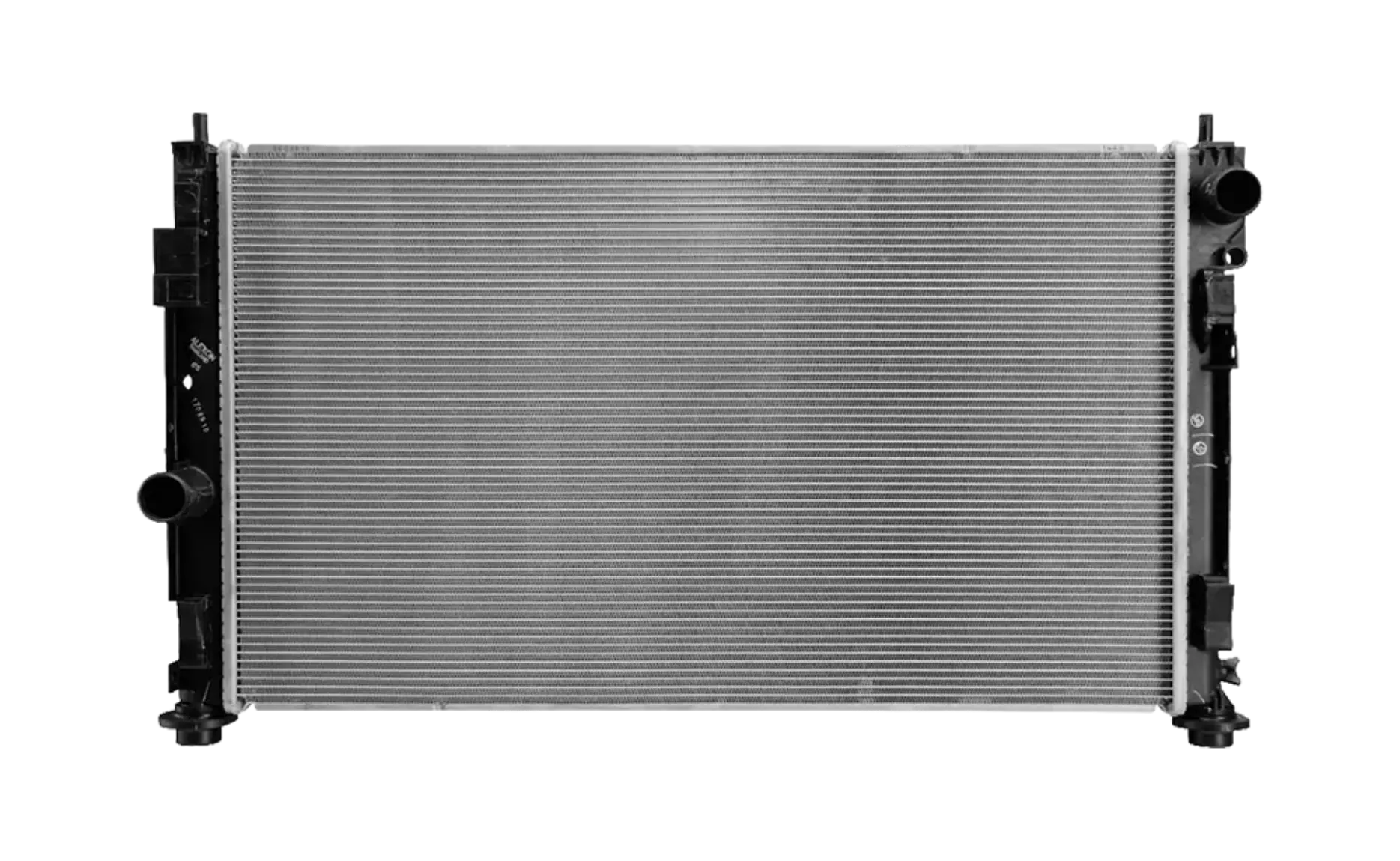
Zenfo Auto Services delivers complete Jeep radiator repair and cooling system servicing in Musaffah, covering radiator leak detection, coolant flush, thermostat replacement, and water pump repair, using OEM-grade components, precision diagnostic tools, and technicians trained in Jeep-specific thermal management systems.
- Open daily (Mon – Sun): 09:00 – 21:00
- Musaffah Industrial Area, M9, Abu Dhabi
- Years of Experience
- 10+Years of Experience
- Satisfied Clients
- 100%Satisfied Clients
- Pickup & Delivery Service
- 24/7Pickup & Delivery Service
- Quick Service
- 2xQuick Service
- 4.9 ★ Google reviews
- Free pick-up & delivery
- OEM-grade parts
- 12-month repair warranty
- Written estimate before any work
- Jeep-specific diagnostic software
- Certified Jeep technicians
- 24/7 breakdown assistance
- Same-day slots available
Why Choose Zenfo Auto Services for Jeep Radiator Repair in Musaffah?
Our cooling system technicians work to OEM pressure tolerances, coolant flow specifications, and thermostat temperature ratings on every Jeep model. Each repair is performed with dedicated diagnostic and pressure-testing equipment to confirm that the cooling circuit meets factory thermal management standards after completion.
Certified Jeep Cooling System Technicians
Technicians hold manufacturer-level training in Jeep-specific cooling system architectures, including the 3.6L Pentastar V6, 2.0L turbocharged four-cylinder, and 6.4L HEMI V8 platforms. Every repair follows a structured inspection sequence from the radiator core to the thermostat housing, staying current with TSB (Technical Service Bulletin) requirements.
Genuine OEM Cooling Components & Specialist Equipment
All radiators, water pumps, thermostats, hose assemblies, CTS sensors, and expansion tanks are OEM-approved parts from verified suppliers. The workshop uses pressure test kits rated to 1.4 bar, combustion leak test fluid, digital infrared thermometers, and OBD-II scan tools for live ECT data analysis.
Efficient Cooling System Service Turnaround
A radiator flush and coolant replacement are completed within 1 to 2 hours. A water pump replacement takes 3 to 5 hours, while a full radiator replacement requires 4 to 6 hours. Multiple vehicles are serviced simultaneously, reducing waiting periods without compromising inspection or repair quality.
Transparent and Confirmed Pricing
All cooling system repair costs are confirmed in writing before work begins, covering parts, labour, and diagnostic findings. No additional charges are applied once the repair is authorised. A detailed service report listing all measurements, replaced components, and pressure test results is provided at handover.
Jeep Radiator & Cooling System Repair Services
Cooling System Diagnostic & ECT Fault Code Scanning
The ECM monitors coolant temperature through the ECT sensor, triggering DTC alerts when readings fall outside 88°C to 105°C. OBD-II scan tools retrieve fault codes P0115, P0116, P0117, P0118, and P0128. Live ECT, CTS, and fan relay data is reviewed before any physical component is removed.
Radiator Leak Detection & Pressure Testing
Coolant loss sources, including core pinhole corrosion, plastic tank stress cracks, and degraded side gaskets, are located using a pressure tester at 1.1 bar for 15 minutes. UV dye tracing identifies minor seepage. Tanks with wall deformation beyond 1.5mm are replaced rather than repaired.
Radiator Replacement & Core Substitution
Radiators with confirmed core failure, cracked tanks, or internal scaling reducing coolant flow beyond 20% are replaced with OEM-matched assemblies. ATF cooler lines are inspected and flushed before reconnection. The full circuit is pressure-tested at 1.1 bar and bled using the correct purge procedure for each Jeep model.
Coolant Flush & Antifreeze Replacement
Degraded coolant loses pH balance and corrosion inhibitor properties, accelerating internal corrosion. Coolant pH is tested with a calibrated strip; readings below 6.5 or above 8.5 confirm depletion. Fresh OAT antifreeze is mixed at 50:50 with distilled water, providing freeze protection to -37°C and boil-over protection above 130°C.
Thermostat Replacement & Temperature Calibration
A stuck-open thermostat prevents the engine from reaching 88°C to 96°C, reducing fuel efficiency. A stuck-closed thermostat causes overheating within 3 to 5 minutes under load. Each thermostat is bench-tested before fitting. The 3.6L Pentastar V6 uses a 96°C unit; the 2.0L turbocharged engine requires an 85°C thermostat.
Water Pump Replacement & Impeller Inspection
A worn water pump reduces coolant flow below the required 15 litres per minute at idle, creating localised hot spots. Bearing axial movement beyond 0.5mm or radial movement beyond 0.3mm confirms failure. Impeller erosion reduces flow efficiency by up to 40% before external leakage becomes visible at the pump seal.
Coolant Temperature Sensor (CTS/ECT) Replacement
The CTS supplies the ECM with live temperature data for fuel injection timing, idle speed, and fan activation. At 80°C, the correct resistance range is 177 to 213 ohms. Codes P0115, P0117, and P0118 indicate circuit faults. OEM sensors are torqued to 20 Nm to protect the aluminium housing threads.
Cooling Fan & Fan Relay Repair
Electric cooling fans on the Grand Cherokee, Cherokee, Compass, and Renegade are managed by the FCM, activating above 102°C or when the A/C compressor engages. Fan motor current draw is measured against OEM values; a reading below 6 amps or above 15 amps confirms motor wear or winding fault.
Radiator Hose & Clamp Inspection
Radiator hoses develop internal softening and reinforcement layer collapse after 60,000 to 80,000 km of thermal cycling. Upper hose collapse restricts coolant flow and causes overheating under load. Hoses with a wall thickness below 4mm after compression are replaced. OEM spring and worm drive clamps are torqued correctly to prevent connection seepage.
Heater Core Inspection & Coolant Circuit Flush
The heater core draws hot coolant from the engine to provide cabin heating. Internal scaling from degraded coolant reduces heat output by up to 35% and causes sweet-smelling vapour inside the cabin. Heater core connections are pressure-tested at 0.8 bar, and heater valve operation is confirmed across the full temperature range.
Expansion Tank & Coolant Reservoir Replacement
The pressurised expansion tank on the Grand Cherokee L and Grand Wagoneer maintains system pressure through a cap rated between 0.9 and 1.1 bar. Tanks with filler neck cracks, port stress fractures, or cap seat deformation are replaced with OEM assemblies. The pressure cap is tested separately; any cap failing to hold 0.9 bar for 2 minutes is replaced.
Head Gasket Coolant Leak Verification
A failing head gasket allows combustion gases into the coolant circuit, raising pressure and causing rapid coolant loss. The combustion leak test fluid changes from blue to yellow when hydrocarbon gases are present at the expansion tank. Confirmed head gasket failure is escalated to cylinder head removal, deck flatness measurement, and OEM MLS gasket replacement.
Air Conditioning Condenser & Cooling Stack Inspection
The A/C condenser shares cooling airflow with the radiator on all Jeep models. Condenser fin damage reduces radiator airflow by up to 25%, increasing thermal load with the A/C engaged. Fins are straightened using a fin comb tool. Radiator mounts, deflector panels, and condenser foam seals are inspected to confirm correct airflow direction.
Full Cooling System Service & Re-commission
A complete service covers the radiator, water pump, thermostat, hoses, clamps, expansion tank, coolant, and ECT sensor. This service is recommended at 90,000 km intervals or following an overheating event. The complete system is pressure-tested at 1.1 bar before road clearance. A written report confirms all measurements, pressure readings, and replaced components.
How to Book a Jeep Radiator Repair at Zenfo Auto Services?
Booking a Jeep radiator or cooling system repair at our Musaffah workshop follows three straightforward steps.
Book a slot
Talk to a Jeep technician, not a contact form
Call or message the workshop and you will speak to someone who works on Jeeps every day. You get a written, itemised estimate before any work starts, and nothing is charged beyond it.
What to send us
- Your Jeep model and year, such as Wrangler JL or Grand Cherokee WK2
- The fault or service you need, plus any warning lights or noises
- Photos or a short video of the problem, if you have them
- Your preferred drop-off day; same-day slots are usually available
- WhatsApp+971 52 515 0820Fastest reply; send photos of the fault
- Call the workshop+971 52 515 0820Same-day slots for oil, brakes, battery and AC
- Emailinfo@zenfoautoservices.aeWritten response within 4 business hours
- Walk in, no appointment neededNear 21, As Salami 8 St, Musaffah Industrial Area, M9, Abu Dhabi, United Arab EmiratesGet directions on Google Maps
Provide Your Jeep Details
Share your Jeep model, year, current mileage, and the specific cooling system concern you have observed. This allows our technicians to prepare the correct OEM parts, pressure test adaptor, and diagnostic equipment before your vehicle reaches the workshop.
Schedule a Service Appointment
Select a date and time that fits your schedule. Same-day and next-day appointments are available for most cooling system repairs. Free vehicle pickup and delivery is offered throughout Musaffah for customers who are unable to bring their Jeep to the workshop in person.
Repair, Test & Handover
Certified technicians carry out the full cooling system repair, pressure test, and road verification. A written inspection and repair report is provided at handover, and you are informed at each stage of the process, including any additional findings from the diagnostic assessment.
What you get
Key Features We Provide
- Experienced Jeep-Certified Cooling System Technicians
- 24/7 Breakdown Recovery and Roadside Assistance
- Timely Delivery with Clear Estimated Completion Times
- Instant Written Price Estimates Before Work Begins
- Free Vehicle Pickup and Delivery Across Musaffah
- Repair Warranty on All Cooling System Services
When Does Your Jeep Radiator Need Professional Attention?
The following conditions indicate that your Jeep requires a cooling system inspection. Addressing these symptoms promptly reduces the risk of secondary engine damage from sustained overheating.
| Issue | Symptoms / Signs | Possible Cause | Recommended Action |
|---|---|---|---|
| Coolant Temperature Warning | Temperature gauge above midpoint; MIL illuminated | Thermostat stuck closed, low coolant level, or water pump failure | Cooling system pressure test, thermostat check, water pump inspection |
| Visible Coolant Leaks | Puddle under the vehicle; coolant level dropping between services | Radiator tank crack, hose failure, or water pump seal leak | UV dye trace, pressure test at 1.1 bar, component replacement |
| White Exhaust Smoke | Persistent white smoke from the exhaust at operating temperature | Head gasket failure, allowing coolant ingestion into the combustion chamber | Combustion leak test, compression test, and head gasket inspection |
| Sweet Smell Inside Cabin | Coolant vapour detectable through the HVAC vents | Heater core leak, allowing coolant into the cabin circuit | Heater core pressure test at 0.8 bar, circuit flush, seal inspection |
| Rapid Coolant Consumption | Repeated need to top up coolant without a visible external leak | Internal head gasket seepage or cracked cylinder block | Combustion gas test, coolant sample analysis, pressure and leakdown test |
| Engine Running Cool | Temperature gauge below normal; heater output reduced | Thermostat stuck open, preventing correct warm-up to 88°C to 96°C | Thermostat bench test, ECT sensor resistance check, replacement if confirmed |
| Discoloured or Cloudy Coolant | Brown or oily appearance in the expansion tank | Oil contamination from head gasket failure or coolant inhibitor depletion | Coolant sample pH test, oil contamination check, full system flush and refill |
Our services
Our Jeep Services in Mussafah
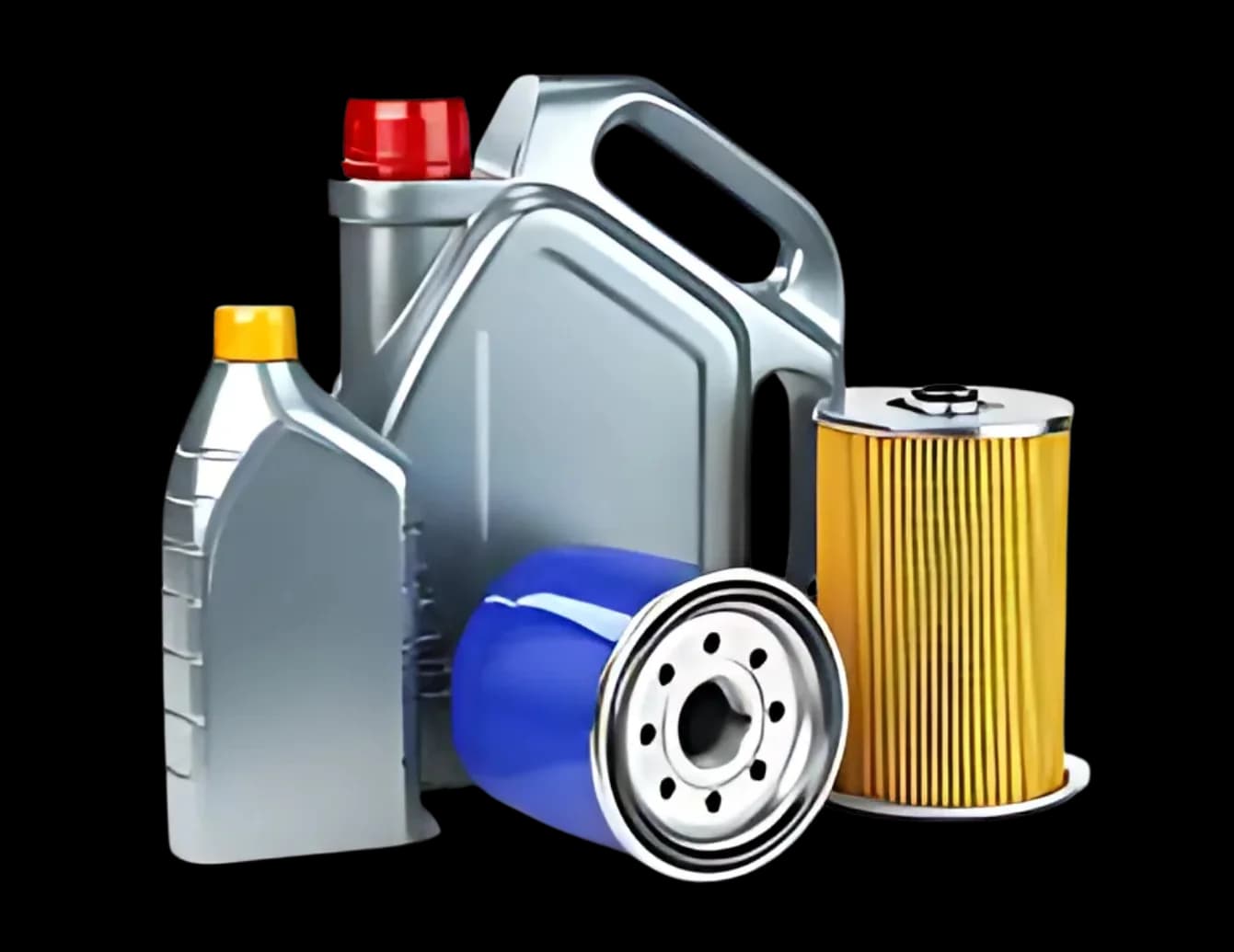
Major and Minor Services
Don't wait until it's too late! Book your Jeep major or minor service at Zenfo Auto Services, Musaffah. Genuine parts, transparent pricing & fast turnaround guaranteed.
Learn more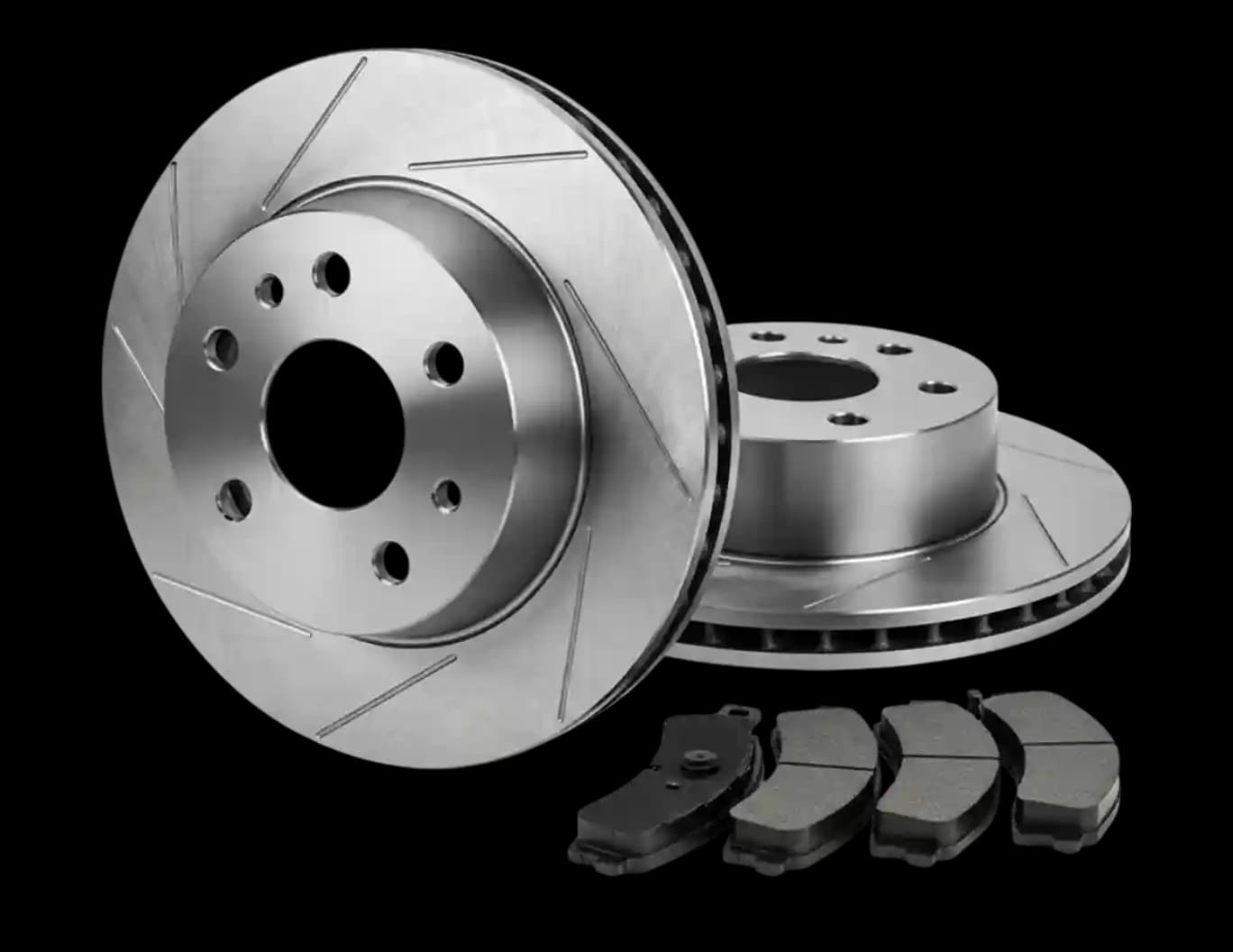
Brake Pad Replacement
Get professional Jeep brake pad replacement and full brake system servicing at Zenfo Auto Services, Musaffah. OEM parts, certified technicians, and transparent pricing.
Learn more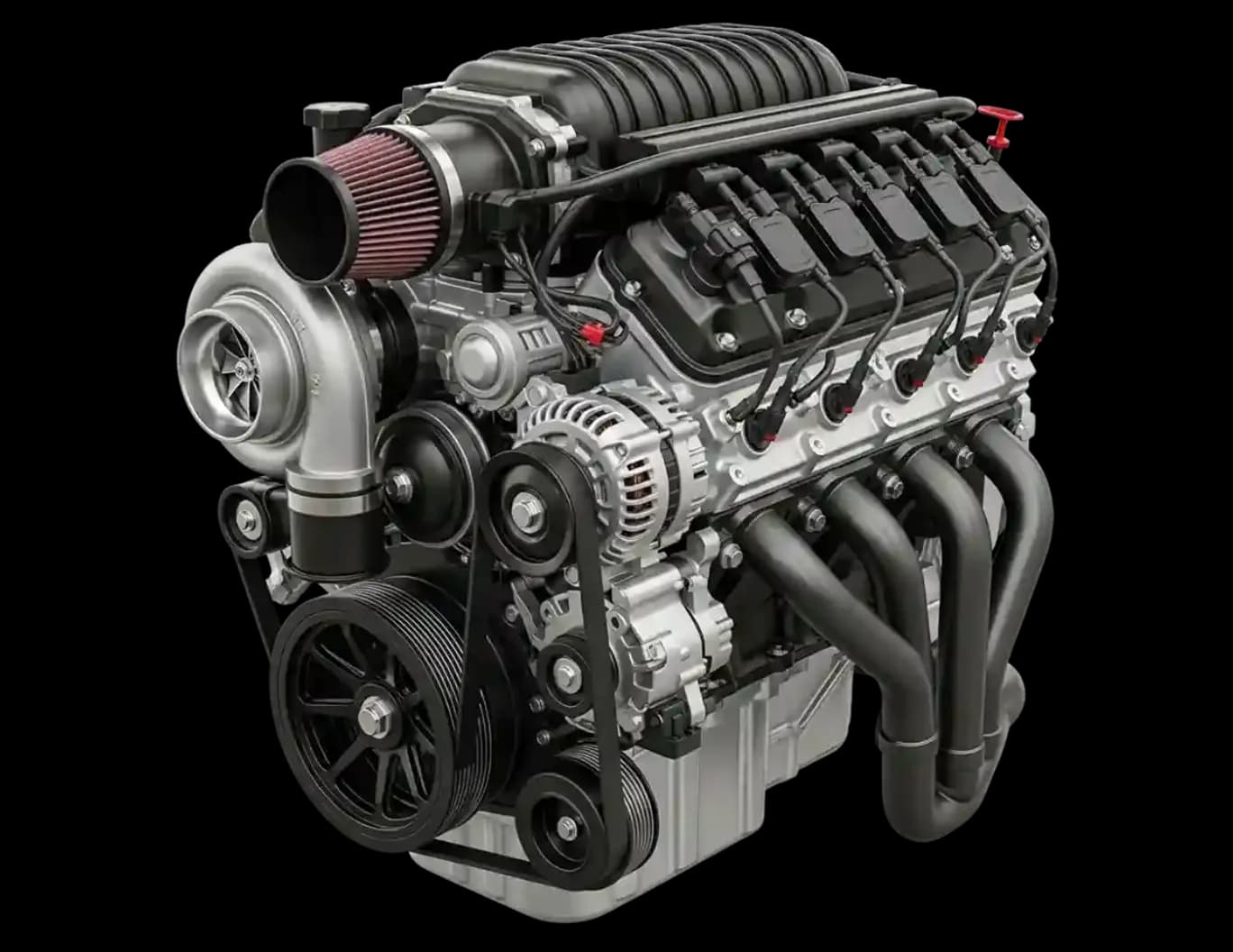
Engine Repair
Zenfo Auto Services provides certified Jeep engine repair in Musaffah, covering diagnostics, timing chain service, rebuilds, and overhauls. Book Now!
Learn more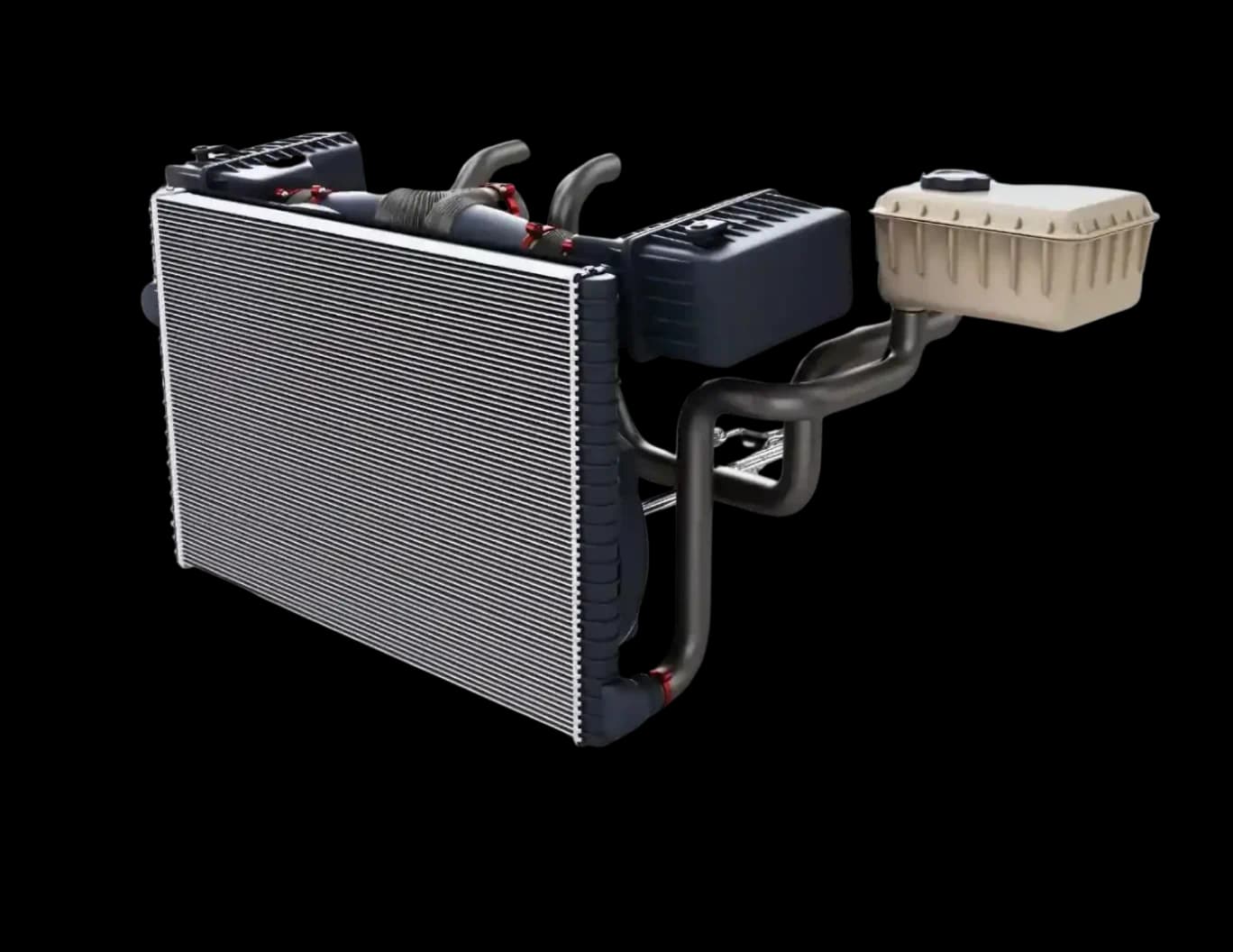
Radiator Repair
Zenfo Auto Services offers Jeep radiator repair in Musaffah, covering leak detection, coolant flush, and full cooling system diagnostics. Book your slot now!
Learn more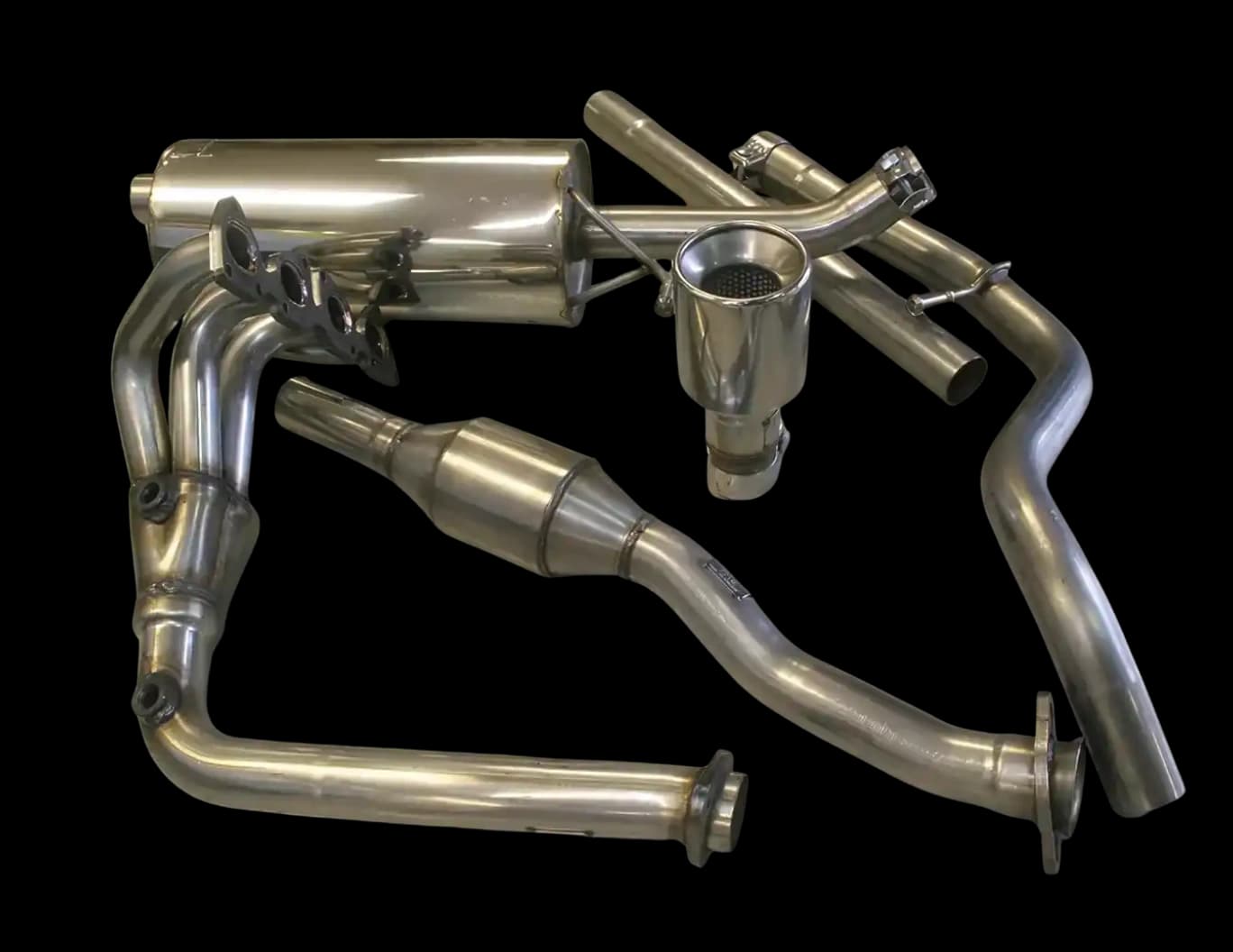
Exhaust Repair
Zenfo Auto Services offers complete Jeep exhaust repair in Musaffah, covering catalytic converters, DPF cleaning, manifold replacement, and full diagnostics.
Learn more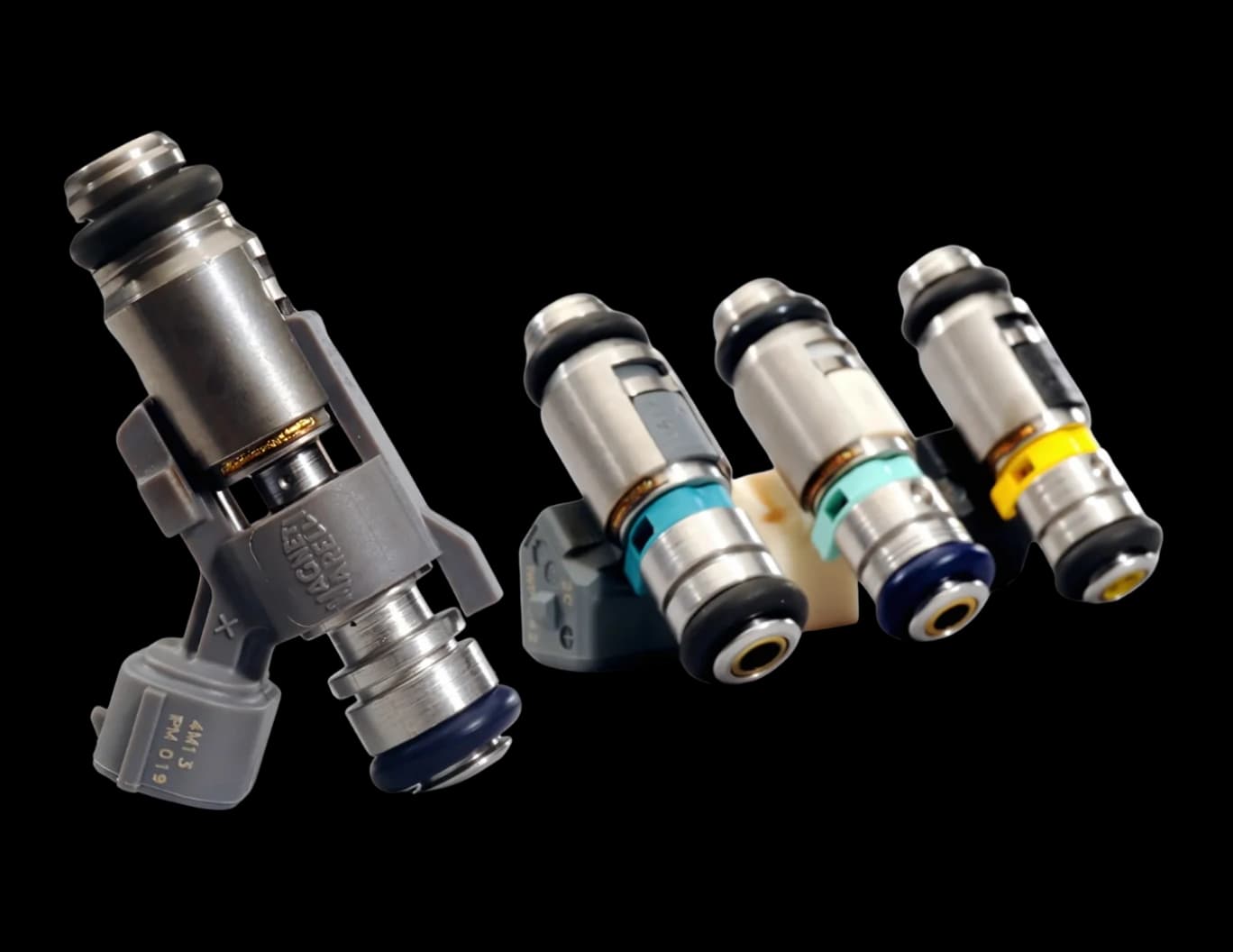
Fuel Injector Cleaning
Professional Jeep fuel injector cleaning and full fuel system servicing at Zenfo Auto Services, Musaffah. OEM parts, certified technicians, and upfront pricing.
Learn more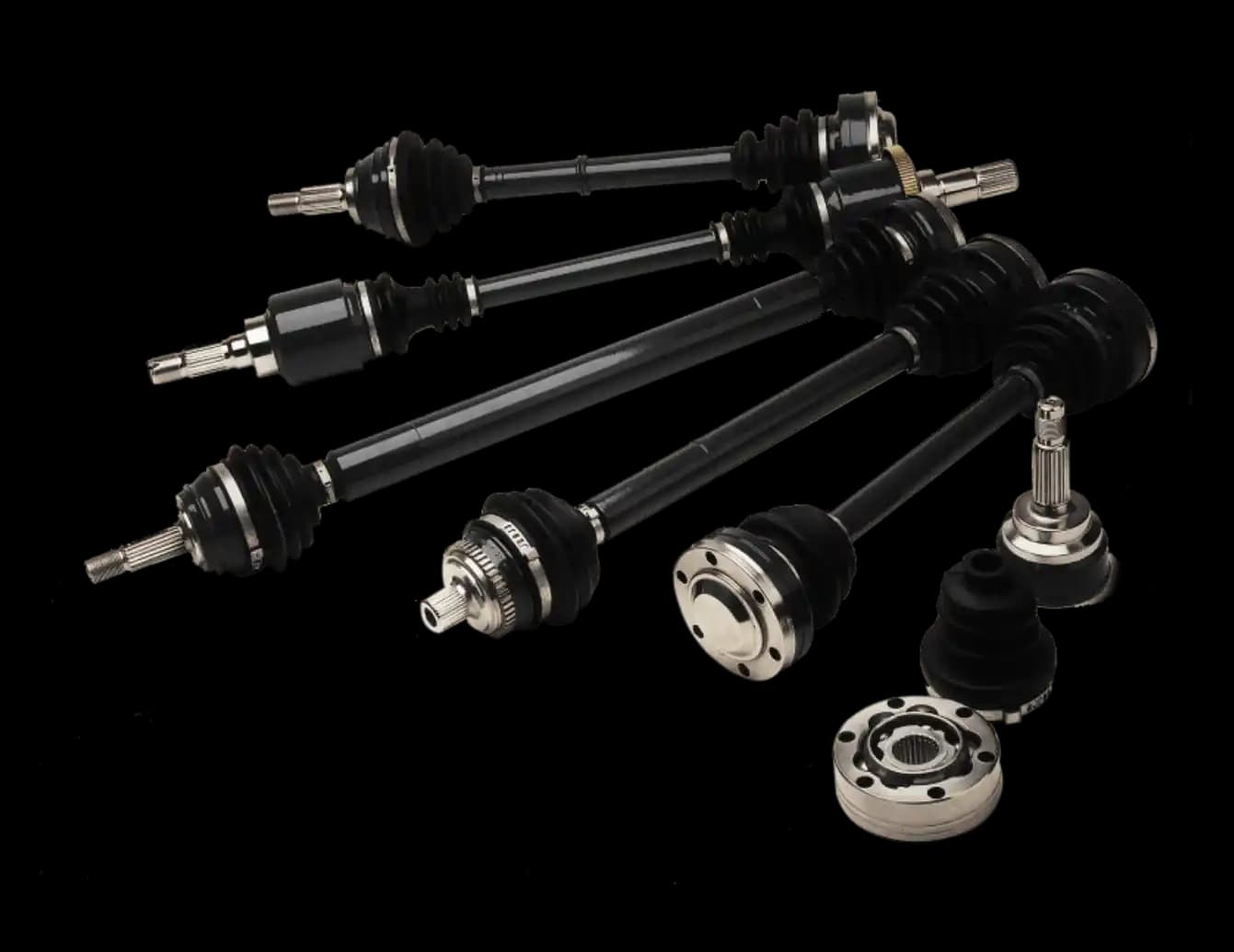
Driveshaft Repair
Zenfo Auto Services provides complete Jeep driveshaft repair in Musaffah, covering CV joint replacement, U-joint overhaul, prop shaft balancing, and diagnostics.
Learn more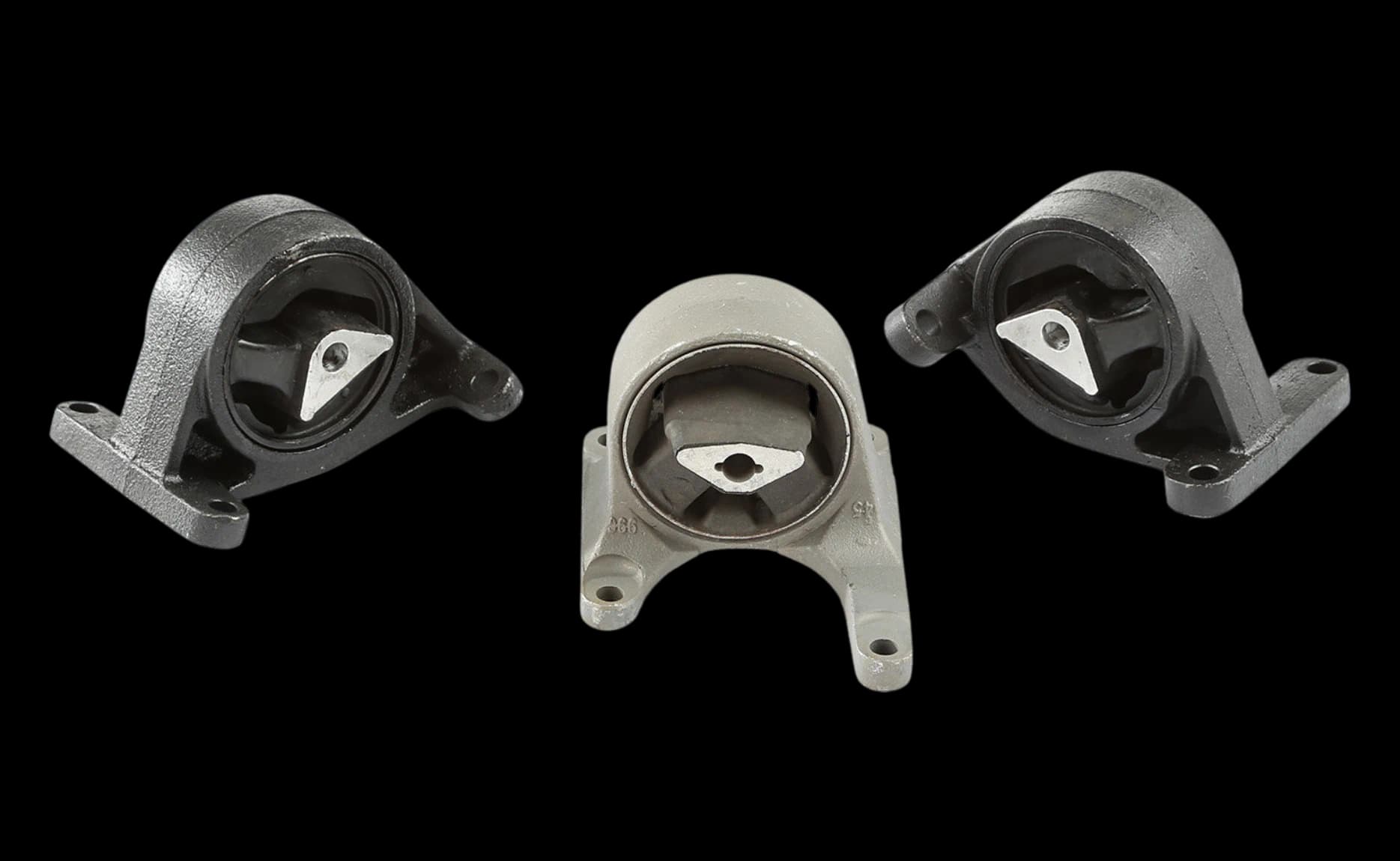
Engine Mount Replacement
Zenfo Auto Services provides certified Jeep engine mount replacement in Musaffah. OEM-grade rubber and hydraulic mounts, torque-spec installation, and inspection.
Learn more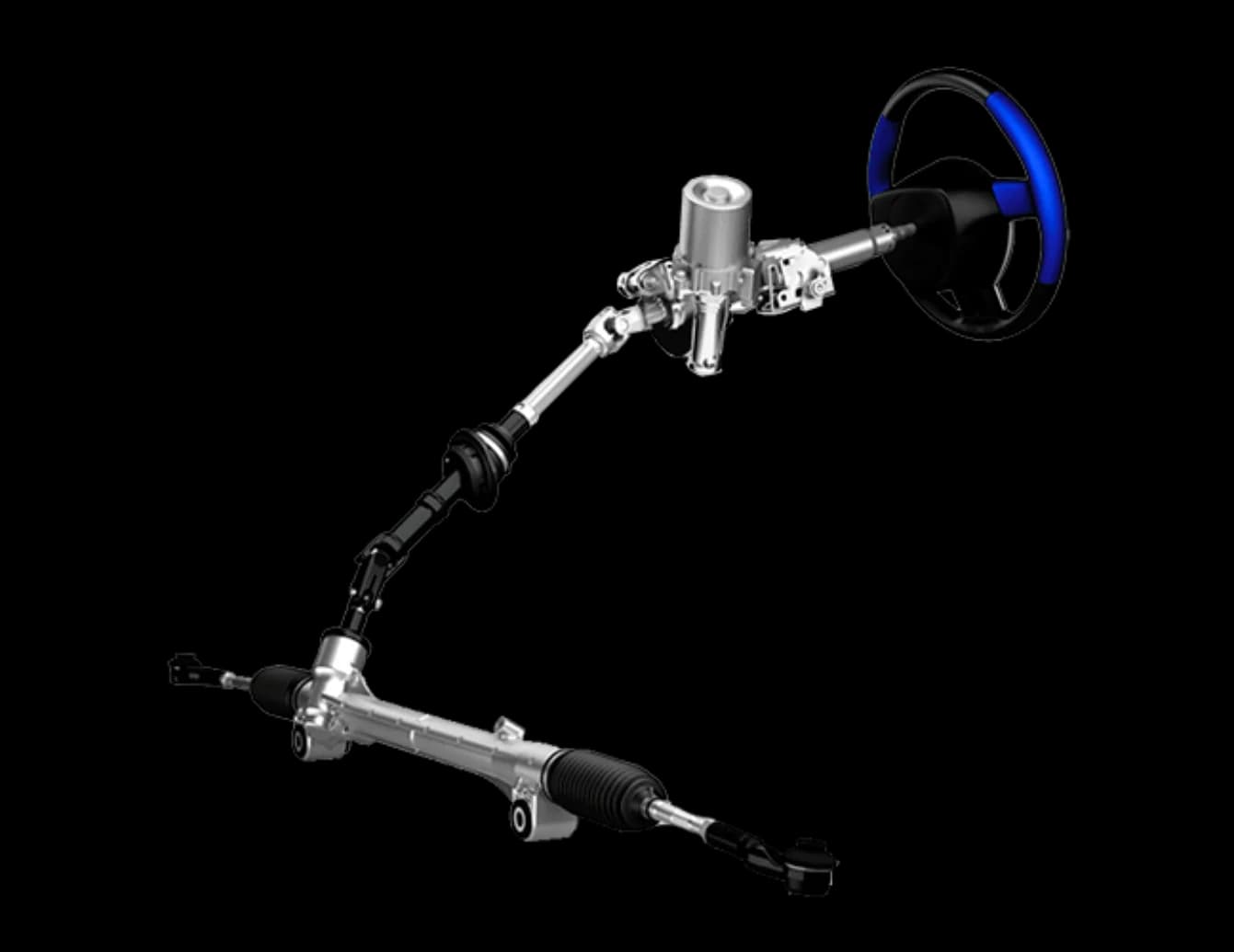
Steering Repair
Zenfo Auto Services provides Jeep steering repair in Musaffah, covering rack and pinion, EPS faults, tie rod replacement, and steering diagnostics. Book now!
Learn more
Leak Repair
Certified Jeep leak repair in Musaffah at Zenfo Auto Services. Engine oil, coolant, transmission and power steering leaks diagnosed by pressure testing.
Learn more
Benefits of Regular Jeep Cooling System Servicing
| Benefit | Description | Measurable Impact |
|---|---|---|
| Restored Thermal Management | Replacing the water pump, thermostat, and coolant restores the designed coolant flow rate and operating temperature range | A serviced cooling circuit maintains the 88°C to 96°C operating range within 5 to 8 minutes of a cold start |
| Extended Engine Service Life | Preventing overheating protects cylinder head gaskets, aluminium block surfaces, and crankshaft bearings from heat-related fatigue | Engines maintained within the correct thermal range show up to 55% less cylinder head wear compared to overheated units |
| Improved Fuel Efficiency | An engine at correct operating temperature achieves the designed air-to-fuel ratio of 14.7:1 and reduces fuel enrichment during warm-up | Correct thermostat operation reduces fuel consumption by up to 7% compared to a stuck-open thermostat keeping the engine below 80°C |
| Lower Long-Term Repair Costs | Identifying hose wear, coolant degradation, and minor seal leaks at service intervals prevents escalation to head gasket and bore damage | Proactive cooling system servicing reduces total repair costs by up to 45% compared to post-overheating engine repair |
| ECM Sensor Accuracy | Functioning ECT and CTS sensors provide the ECM with correct temperature data for fuel injection and ignition timing adjustment | Correct sensor operation allows the ECM to maintain ignition timing within the designed advance map, reducing misfires |
| Warranty & Resale Value | Coolant replacement at OEM intervals with genuine parts supports manufacturer warranty validity for applicable Jeep models | Full cooling system service records improve resale confidence and can increase vehicle value by up to 15% |
| Reliable A/C Performance | A clean condenser and correctly sealed cooling stack maintain airflow through both the condenser and radiator core | An unobstructed cooling stack reduces compressor cycling by up to 20% under stationary conditions with the A/C active |
Maintenance Guidance After Jeep Radiator Repair
- Check Coolant Level Weekly: Inspect the expansion tank cold fill line with the engine fully cold on a flat surface every week.
- Monitor the Temperature Gauge: Any reading above the normal midpoint after a repair should be reported to a technician immediately.
- Use OEM-Specified Coolant Grade: Confirm the correct OAT or HOAT antifreeze specification from the owner's manual before topping up the cooling circuit.
- Maintain Coolant Change Intervals: Replace OAT coolant every 60,000 km or 5 years; turbocharged models require changes at 50,000 km intervals.
- Inspect Radiator Hoses Regularly: Check hoses for softness, bulging, or surface cracking at every oil service interval, approximately every 10,000 km.
- Never Open the Pressure Cap Warm: The cooling system holds 0.9 to 1.1 bar at operating temperature; always wait at least 30 minutes after shutdown.
- Schedule a 1,000 km Follow-Up: A post-repair inspection confirms sealed hose connections, stable coolant level, and correct pressure cap performance across all cylinders.
Jeep Models, We Service in Musaffah
Zenfo Auto Services provides radiator repair and complete cooling system servicing for the full range of Jeep models at our Musaffah workshop.
Questions answered
Frequently Asked Questions
What does a Jeep radiator repair service at your workshop include?
A standard cooling system service covers OBD-II ECT fault code scanning, cooling circuit pressure testing at 1.1 bar, UV dye leak identification, hose and clamp condition assessment, thermostat bench testing, water pump inspection, and a full pressure verification after any replacement work is completed.
How do I know if my Jeep radiator needs repair or full replacement?
Targeted repairs address isolated faults such as a cracked hose connection, failed pressure cap, or a leaking water pump seal. Full radiator replacement is required when pressure testing confirms core leakage, internal scaling blocks more than 20% of core flow area, or plastic tank cracks extend beyond the repairable seam section.
How long does a Jeep radiator repair take?
A coolant flush and refill takes 1 to 2 hours. A thermostat replacement takes 1 to 3 hours, depending on the engine platform. A water pump replacement takes 3 to 5 hours, and a full radiator replacement with system re-commissioning takes 4 to 6 hours. Exact times depend on the Jeep model and parts availability on the day of the repair.
Do you service the cooling systems on Jeep 4xe hybrid models?
Yes. The Jeep Wrangler 4xe and Grand Cherokee 4xe use separate thermal management circuits for the internal combustion engine and the high-voltage battery pack. Coolant repairs on the ICE circuit follow standard procedures, while the battery thermal circuit requires specific safety isolation steps before work begins. Technicians hold the relevant training for hybrid powertrain cooling system repairs.
Can you clear the temperature warning light after a cooling system repair?
Yes. All coolant temperature and engine warning indicators related to cooling system faults are cleared using OBD-II scan tools communicating directly with the ECM after the confirmed fault has been repaired and verified through a full drive cycle. Warning lights are only cleared once the repair is confirmed to be functioning within the correct operating parameters.
How often should the coolant be changed on a Jeep?
Coolant should be replaced every 60,000 km or 5 years on standard Jeep models using OAT antifreeze. Turbocharged models are recommended for coolant changes at 50,000 km intervals due to the higher thermal load from the turbocharger affecting inhibitor depletion rates. The expansion tank cap and thermostat are inspected at every coolant change as standard.
Do you offer a warranty on cooling system repairs?
Yes. All cooling system repairs carried out at our Musaffah workshop include a repair warranty covering both parts and labour. The warranty period and specific terms are confirmed in the written service report provided at vehicle handover. Any repeat concern within the warranty period is assessed and resolved at no additional cost.
Need your Jeep looked at today?
Same-day slots for battery, oil service, brake pads, tyre fitting, AC recharge and ECU coding. Written estimate before any work begins.
Near 21, As Salami 8 St, Musaffah Industrial Area, M9, Abu Dhabi, United Arab Emirates