Zenfo Auto Services · Mussafah
Affordable Jeep Steering Repair & Power Steering System Service in Musaffah
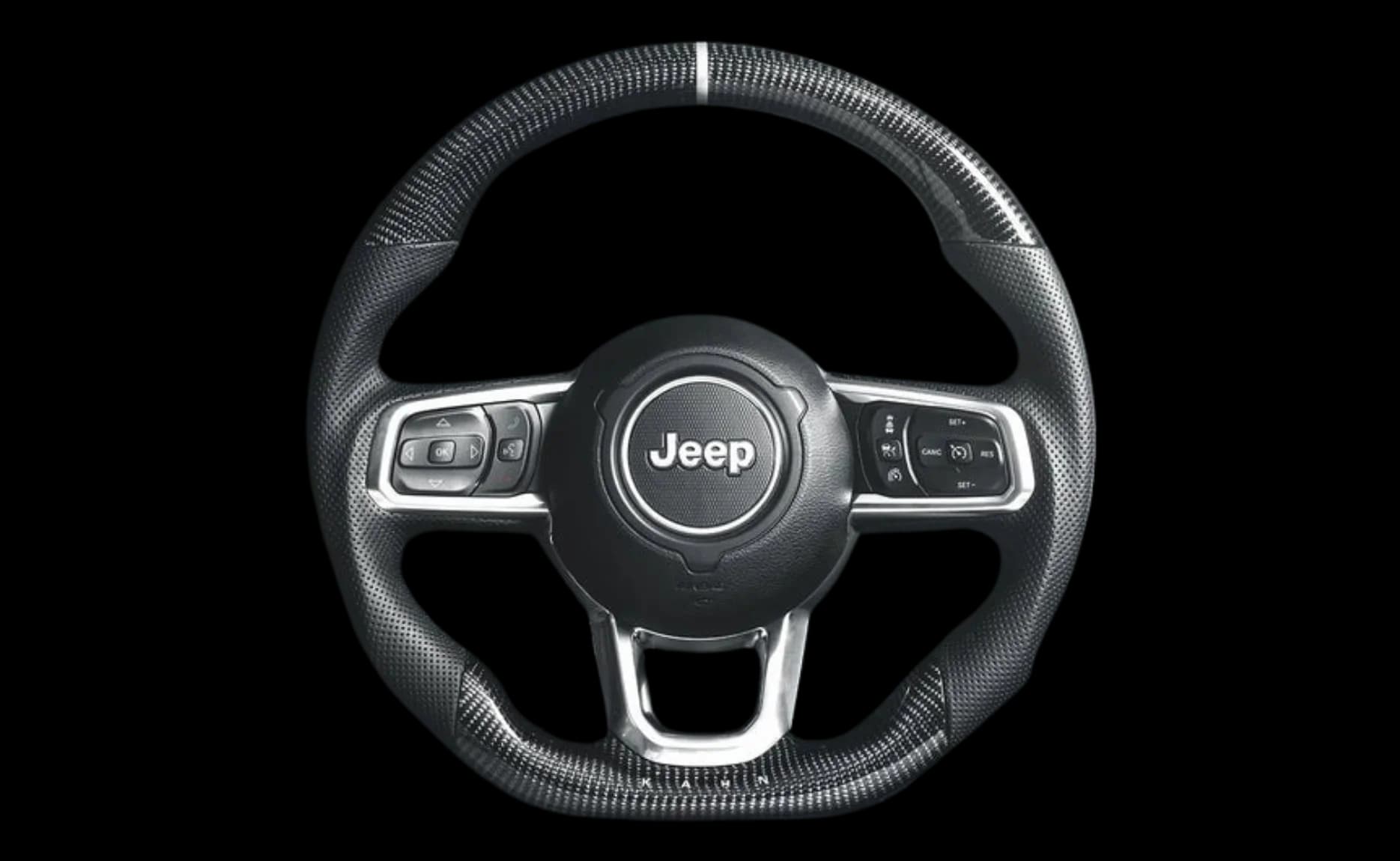
Zenfo Auto Services provides complete Jeep steering repair in Musaffah, covering EPS fault diagnosis, rack and pinion servicing, tie rod replacement, and steering column inspection using OEM-grade components and Jeep-specific diagnostic tools.
- Open daily (Mon – Sun): 09:00 – 21:00
- Musaffah Industrial Area, M9, Abu Dhabi
- Years of Experience
- 10+Years of Experience
- Satisfied Clients
- 100%Satisfied Clients
- Pickup & Delivery Service
- 24/7Pickup & Delivery Service
- Quick Service
- 2xQuick Service
- 4.9 ★ Google reviews
- Free pick-up & delivery
- OEM-grade parts
- 12-month repair warranty
- Written estimate before any work
- Jeep-specific diagnostic software
- Certified Jeep technicians
- 24/7 breakdown assistance
- Same-day slots available
Why Choose Zenfo Auto Services for Jeep Steering Repair in Musaffah?
Our steering technicians work to OEM torque specifications, fluid pressure ratings, and ECU calibration standards across every Jeep model. Each repair follows a structured diagnostic sequence. It covers the steering rack, column, pump, tie rods, and PSCM. Factory handling standards are confirmed after every completion.
Jeep-Certified Steering System Technicians
Technicians hold manufacturer-level training in Jeep-specific steering architectures. This includes HPAS on the Wrangler JK and EPS on the Cherokee KL and Compass MP. The column-mounted EPS unit on the Renegade BU is also covered. Every inspection references current TSBs from rack to SAS.
Genuine OEM Steering Components & Specialist Diagnostic Equipment
All steering racks, tie rods, pumps, EPS modules, and column assemblies are OEM-approved. The workshop uses a J-50190-A pressure gauge and a bi-directional OBD-II scan tool. A digital torque wrench at ±2% accuracy and alignment equipment resolving to 0.05 degrees are also used.
Efficient Steering System Service Turnaround
A power steering fluid flush takes 1 to 2 hours. Tie rod replacement with alignment correction requires 2 to 3 hours. Full rack and pinion replacement takes 4 to 6 hours. EPS module recalibration completes within 1 to 2 hours. Multiple vehicles are serviced simultaneously.
Transparent and Confirmed Pricing
All steering repair costs are confirmed in writing before work begins. Pricing covers parts, labour, and diagnostic findings. No additional charges are introduced after authorisation. A detailed service report listing measurements, replacements, alignment readings, and SAS calibration values is provided at vehicle handover.
Jeep Steering Repair & System Services
Steering System Diagnostic & PSCM Fault Code Scanning
The PSCM monitors steering torque, column angle, and vehicle speed to regulate EPS assist. DTCs, including C0455, C0460, and U0126, are retrieved via OBD-II scan tools. Live STS output, SAS degree readings, and EPS current draw are reviewed before any component is removed.
Rack and Pinion Inspection & Replacement
The steering rack converts column rotation into front wheel movement through a pinion gear. Pinion free play beyond 0.3mm or pressure below 1,000 kPa confirms replacement. ATF lines are flushed and pressure-tested. The full hydraulic circuit is bled per each Jeep platform procedure.
Power Steering Pump Inspection & Replacement
The HPAS pump on the Wrangler JK generates 1,200 to 1,380 kPa at idle. Output below 900 kPa confirms internal bypass valve wear. A J-50190-A gauge verifies output under load. Worn pump vanes, scored bores, and failed shaft seals are replaced with OEM components.
EPS Module Replacement & Torque Sensor Calibration
The EPS motor on the Cherokee KL and Compass MP delivers variable CAN bus-dependent assist. DTC C0455 confirms a torque sensor fault. Replacement modules require SAS re-initialisation and centre-point calibration. Values are verified within the PSCM parameter range of ±2.5 Nm torque offset.
Steering Angle Sensor (SAS) Recalibration
The SAS provides the PSCM with continuous wheel position data accurate to ±0.5 degrees. A scan tool re-learn establishes the correct straight-ahead reference after any steering repair. An uncalibrated SAS produces DTC C0460, activates the ESC warning, and disrupts EPS assist mapping during cornering.
Tie Rod End & Inner Tie Rod Replacement
Outer tie rod ends maintain accurate toe geometry between the steering rack and front hub carrier. Inner tie rod axial free play beyond 1.5mm reduces precision and causes knocking. Toe angle is reset to the OEM specification of 0° to 0.2° total toe-in. Alignment readings are printed at handover.
Steering Column & Intermediate Shaft Inspection
The intermediate shaft transfers column rotation to the rack through a universal joint assembly. Worn joints introduce a dead spot of 5° to 15° at the steering centre. Clock spring continuity is tested for horn, cruise control, and SRS paths. Corroded column sections are replaced with OEM assemblies.
Power Steering Fluid Flush & Hydraulic Line Inspection
Power steering fluid degrades through thermal cycling, raising viscosity and reducing seal lubrication. Discoloured or burnt fluid is replaced with ATF+4 or dedicated PSF. High-pressure and return lines are inspected for crimping, corrosion, and fitting seepage. All lines are confirmed clear before refilling the system.
Steering Knuckle & Ball Joint Inspection
Upper and lower ball joints on the Wrangler JK carry vertical load and steering articulation. Axial movement beyond 1.0mm or radial movement beyond 0.5mm confirms wear. Ball joint preload is verified using a pull gauge after fitting. Knuckle castings are inspected for bore stress cracking on lifted vehicles.
Drag Link & Track Bar Inspection (Wrangler & Gladiator)
The drag link connects the steering gear output to the driver-side hub across the solid axle. Axial free play exceeding 1.0mm requires replacement. The track bar is inspected for bent tubing and worn end bushings. Damaged bushings cause lateral axle wander and reduce steering precision noticeably.
Steering Damper Inspection & Replacement (Wrangler & Gladiator)
A hydraulic steering damper absorbs vibration and shimmy from the Wrangler and Gladiator front axle. Internal wear produces steering wobble between 90 and 110 km/h. Damper rod seal integrity and fluid retention are confirmed under full extension and compression. Replacement units are OEM-rated for the specific model year.
Hydraulic Steering Cooler & Line Replacement
Grand Cherokee WK2 and Gladiator JT tow-package variants use a hydraulic steering cooler. Fin blockage raises fluid temperature above 120°C, accelerating seal and pump wear. Fins are cleaned with a fin comb tool, and internal flow is confirmed. Corroded fittings are replaced with OEM assemblies.
Steering Gear Box Inspection (Wrangler TJ & Older Platforms)
Older platforms like the Wrangler TJ use a recirculating ball gearbox that develops sector shaft free play. Shaft adjustment reduces rim play below the 38mm wear threshold. Adjuster plug torque is set to OEM specification before lock nut tightening. Worm gear scoring or loose bearings require full gearbox replacement.
Full Steering System Service & Recommission
A complete service covers the rack, tie rods, ball joints, pump, fluid, lines, damper, and SAS calibration. This service is recommended at 80,000 km intervals or after a suspension impact. The full system is verified on a four-wheel alignment rig before road clearance is issued.
How to Book a Jeep Steering Repair at Zenfo Auto Services?
Booking a Jeep steering repair at our Musaffah workshop follows three clear steps.
Book a slot
Talk to a Jeep technician, not a contact form
Call or message the workshop and you will speak to someone who works on Jeeps every day. You get a written, itemised estimate before any work starts, and nothing is charged beyond it.
What to send us
- Your Jeep model and year, such as Wrangler JL or Grand Cherokee WK2
- The fault or service you need, plus any warning lights or noises
- Photos or a short video of the problem, if you have them
- Your preferred drop-off day; same-day slots are usually available
- WhatsApp+971 52 515 0820Fastest reply; send photos of the fault
- Call the workshop+971 52 515 0820Same-day slots for oil, brakes, battery and AC
- Emailinfo@zenfoautoservices.aeWritten response within 4 business hours
- Walk in, no appointment neededNear 21, As Salami 8 St, Musaffah Industrial Area, M9, Abu Dhabi, United Arab EmiratesGet directions on Google Maps
Share Your Jeep Details
Provide your Jeep model, production year, current mileage, and the specific steering concern you have noticed. This allows the technicians to prepare the correct OEM parts, pressure test the adaptor, and align the equipment before your vehicle arrives at the workshop.
Make a Booking
Choose a date and time that fits your schedule. Same-day and next-day appointments are available for most steering repairs. Free vehicle pickup and delivery are provided throughout Musaffah for customers who cannot bring their Jeep to the workshop directly.
We Repair
Certified technicians carry out the complete steering repair, system pressure test, SAS calibration, and wheel alignment verification. A written inspection and repair report is provided at handover, and the customer is kept informed at each stage, including any additional findings from the diagnostic assessment.
What you get
Key Features of Our Jeep Steering System Service
- Experienced & Certified Mechanics
- 24/7 Breakdown Assistance
- Timely & Efficient Delivery
- Instant Price Quotes
- Free Pickup & Delivery
- Repair Warranty on All Services
When Does Your Jeep's Steering Need Professional Attention?
The following conditions indicate that a steering system inspection is needed. Attending to these symptoms promptly reduces the risk of further mechanical wear and maintains safe directional control.
| Issue | Symptoms / Signs | Possible Cause | Recommended Action |
|---|---|---|---|
| Heavy or Stiff Steering | Increased effort is required to turn at low speed | Low power steering fluid, failing pump, or EPS module fault | Fluid level check, pump pressure test, PSCM fault code scan |
| Steering Wander | Vehicle drifts from a straight path without input | Worn tie rod ends, loose rack, or misaligned toe angle | Tie rod inspection, rack free-play check, four-wheel alignment |
| Knocking at the Steering | Audible knock over bumps or during low-speed turns | Worn ball joints, loose intermediate shaft, or worn rack bushings | Ball joint movement test, column shaft inspection, and rack assessment |
| Vibration Through the Wheel | The steering wheel shakes between 90 km/h and 110 km/h | A worn steering damper or loose front suspension components | Damper inspection, front-end component check |
| Warning Light Illuminated | The EPS warning or ESC indicator is active | SAS calibration fault, PSCM DTC, or torque sensor failure | OBD-II fault code scan, SAS recalibration, PSCM diagnosis |
| Steering Pulls to One Side | The vehicle turns toward one side under normal driving conditions | Uneven tyre wear, toe misalignment, or seized rack end | Wheel alignment measurement, rack end inspection |
| Fluid Leaks Under the Vehicle | Visible fluid beneath the front of the vehicle | Power steering pump seal failure or rack hydraulic line leak | UV dye trace, pressure test at 1,200 kPa, component replacement |
| Excessive Steering Play | Large steering wheel movement before the wheels respond | Worn steering gear box, loose tie rods, or worn column shaft | Gearbox adjustment, tie rod axial play test, column inspection |
Our services
Our Jeep Services in Mussafah
Major and Minor Services
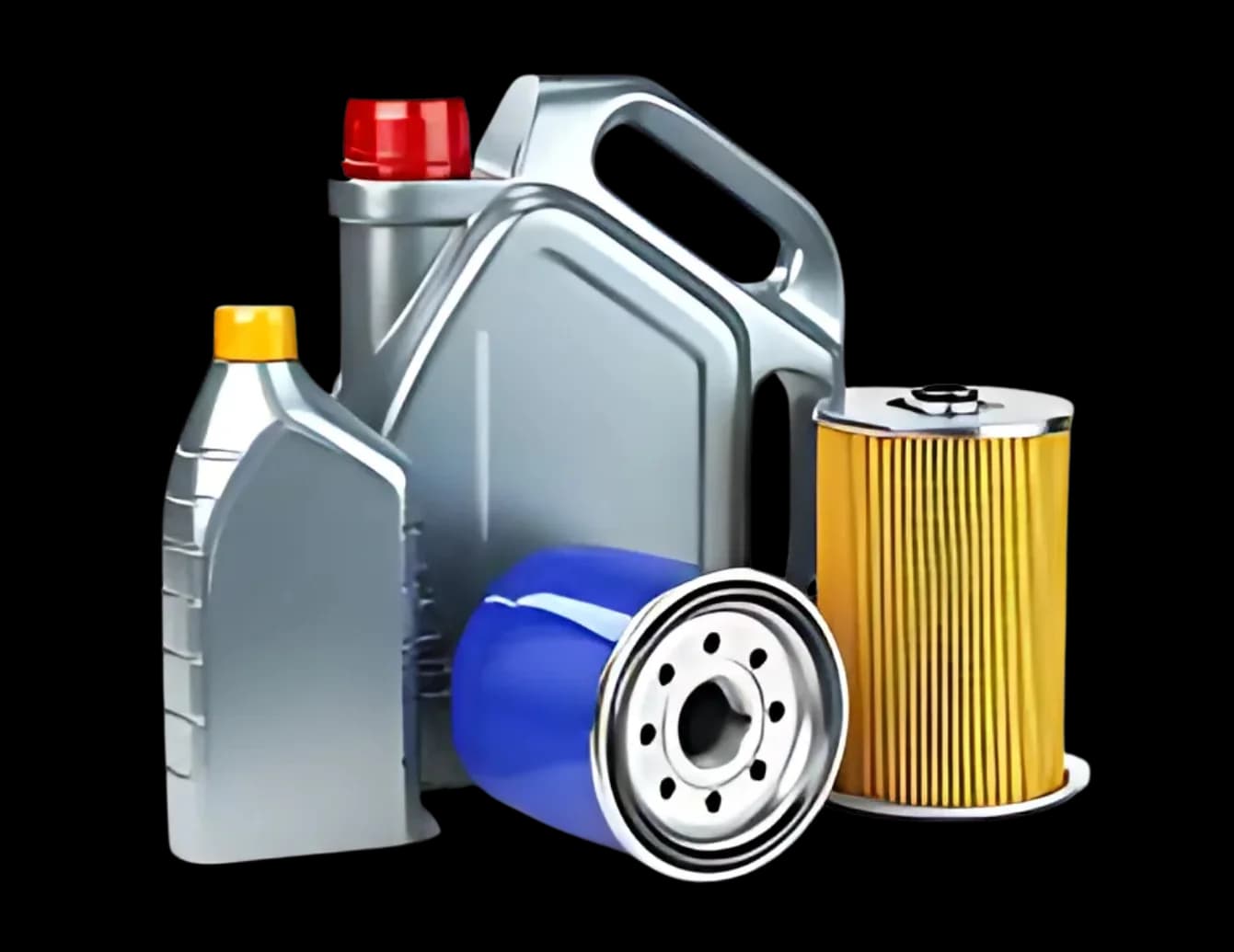
Don't wait until it's too late! Book your Jeep major or minor service at Zenfo Auto Services, Musaffah. Genuine parts, transparent pricing & fast turnaround guaranteed.
Learn more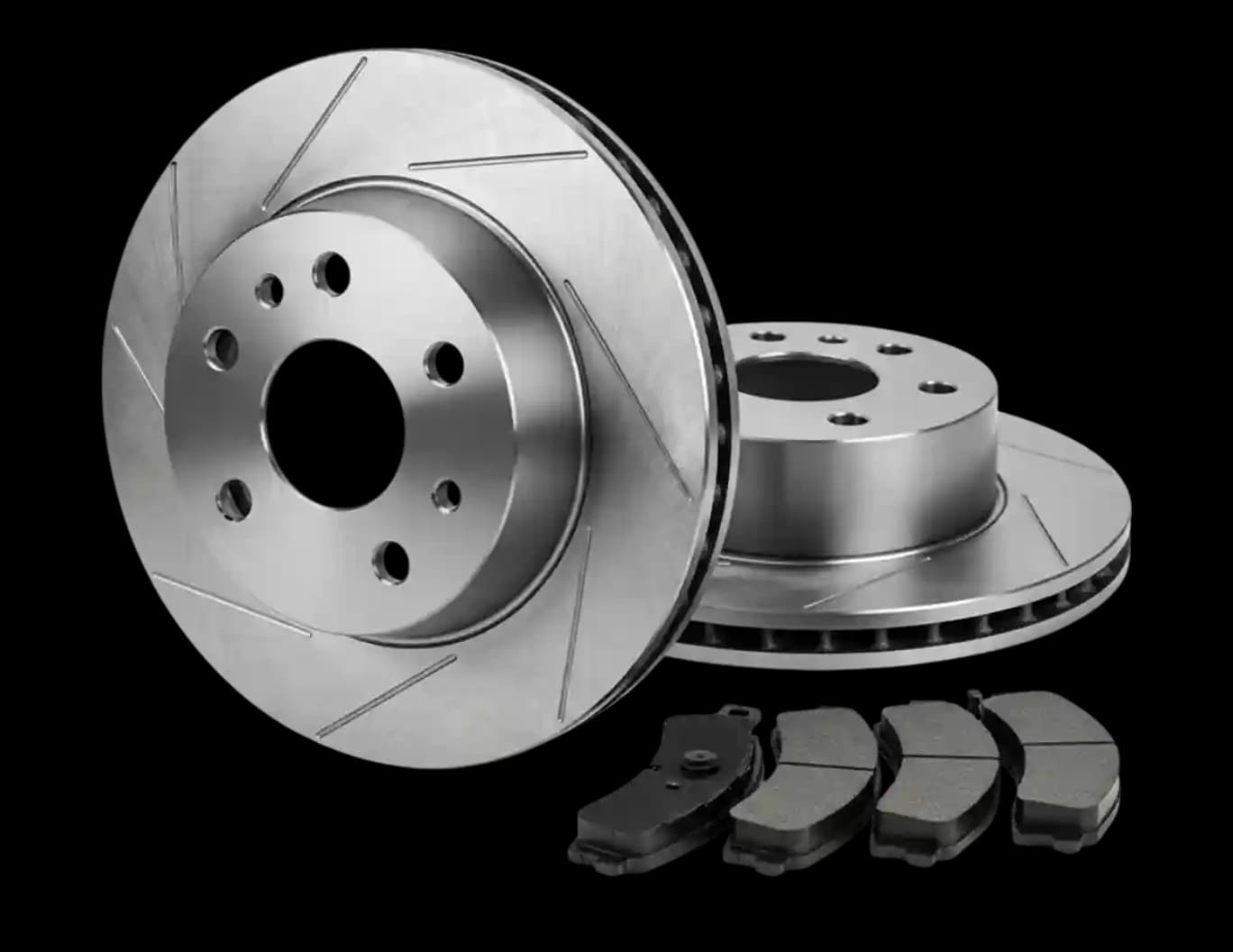
Brake Pad Replacement
Get professional Jeep brake pad replacement and full brake system servicing at Zenfo Auto Services, Musaffah. OEM parts, certified technicians, and transparent pricing.
Learn more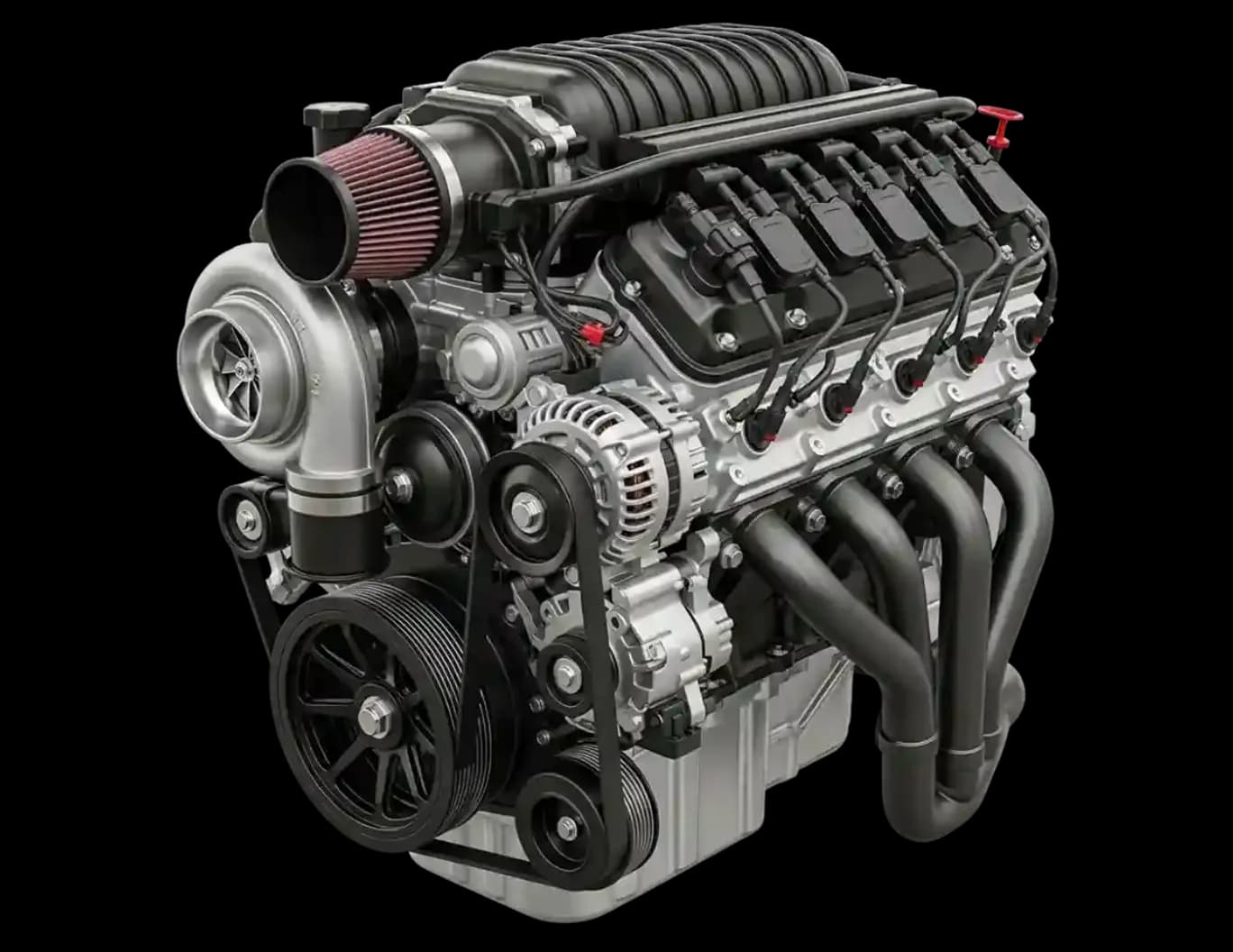
Engine Repair
Zenfo Auto Services provides certified Jeep engine repair in Musaffah, covering diagnostics, timing chain service, rebuilds, and overhauls. Book Now!
Learn more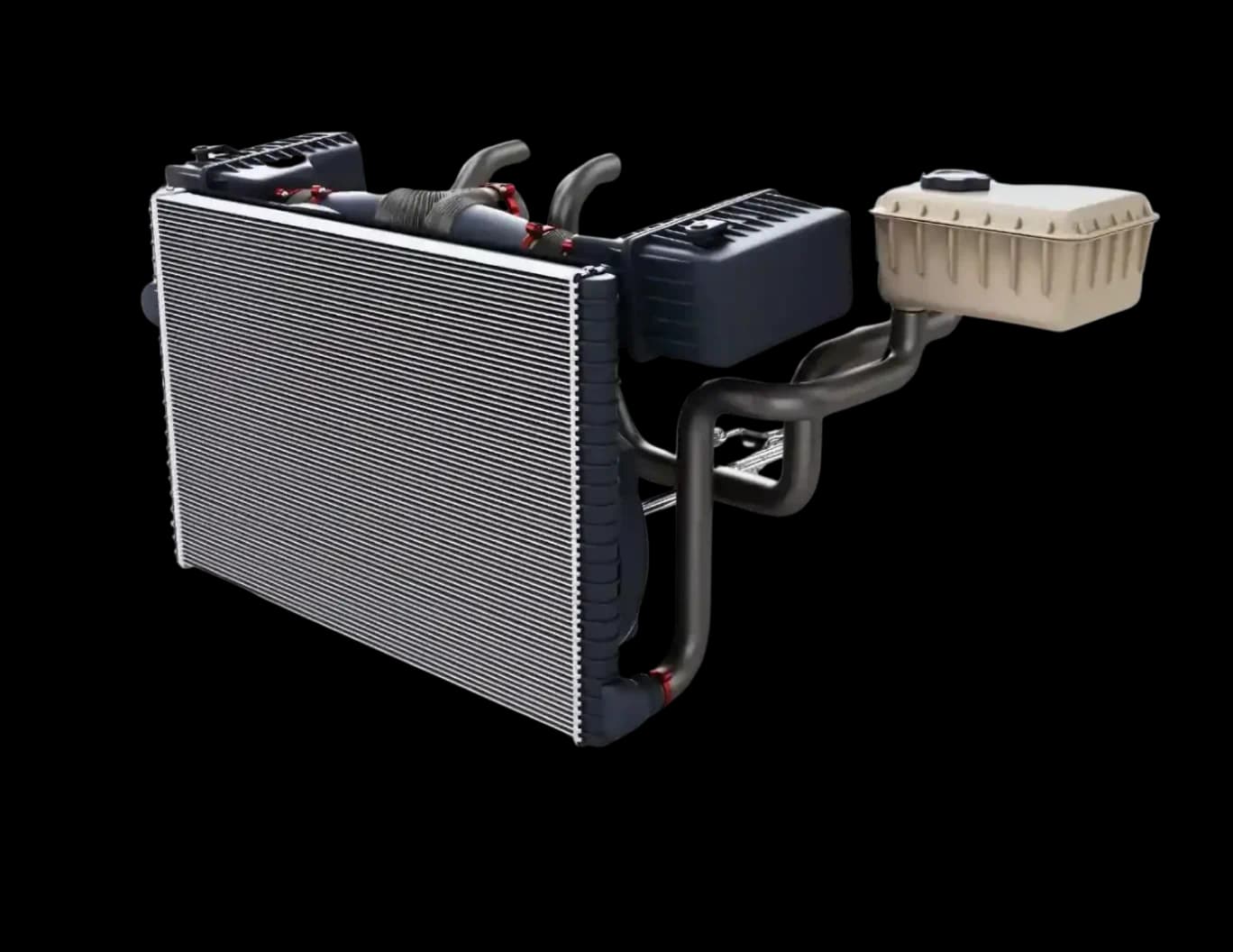
Radiator Repair
Zenfo Auto Services offers Jeep radiator repair in Musaffah, covering leak detection, coolant flush, and full cooling system diagnostics. Book your slot now!
Learn more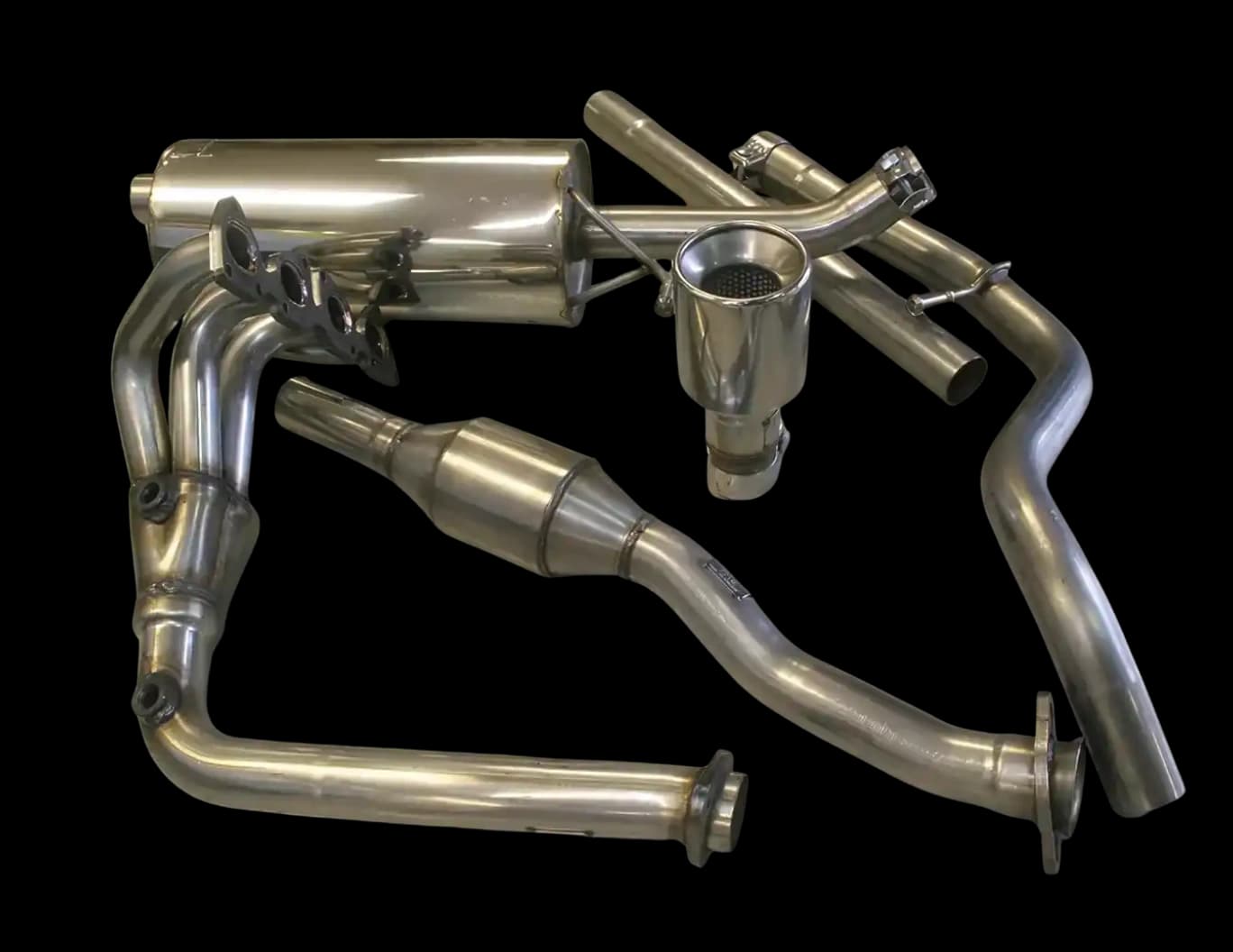
Exhaust Repair
Zenfo Auto Services offers complete Jeep exhaust repair in Musaffah, covering catalytic converters, DPF cleaning, manifold replacement, and full diagnostics.
Learn more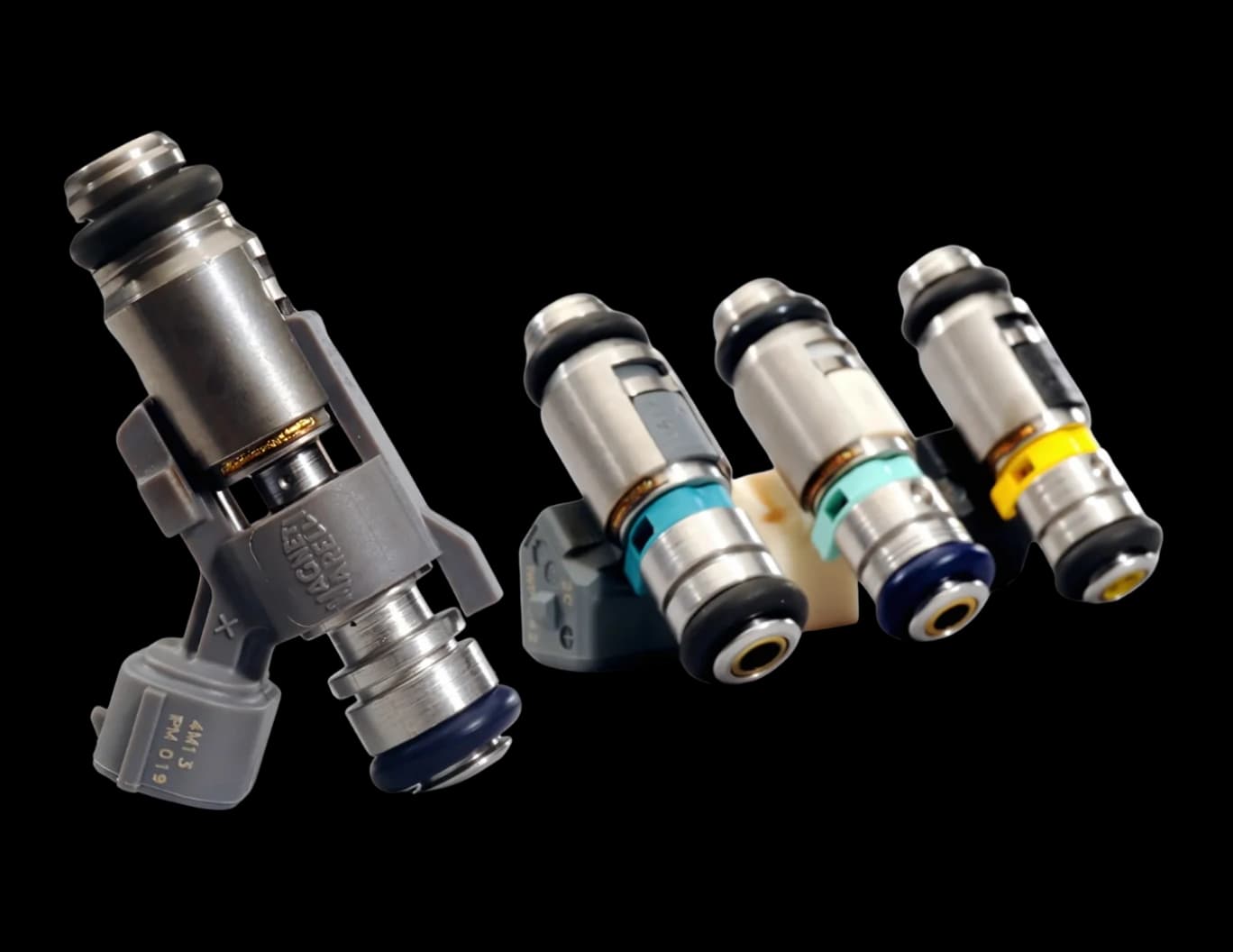
Fuel Injector Cleaning
Professional Jeep fuel injector cleaning and full fuel system servicing at Zenfo Auto Services, Musaffah. OEM parts, certified technicians, and upfront pricing.
Learn more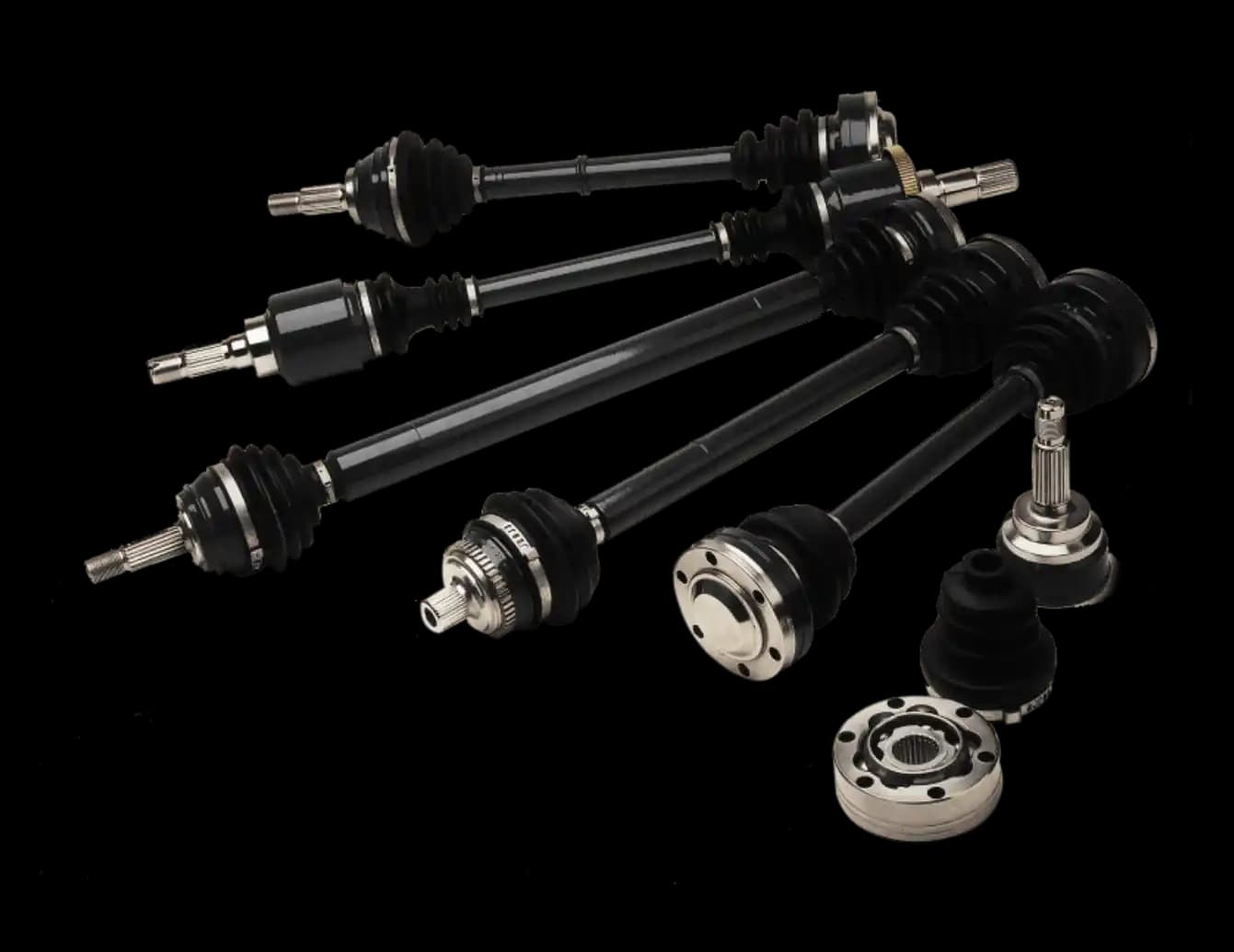
Driveshaft Repair
Zenfo Auto Services provides complete Jeep driveshaft repair in Musaffah, covering CV joint replacement, U-joint overhaul, prop shaft balancing, and diagnostics.
Learn more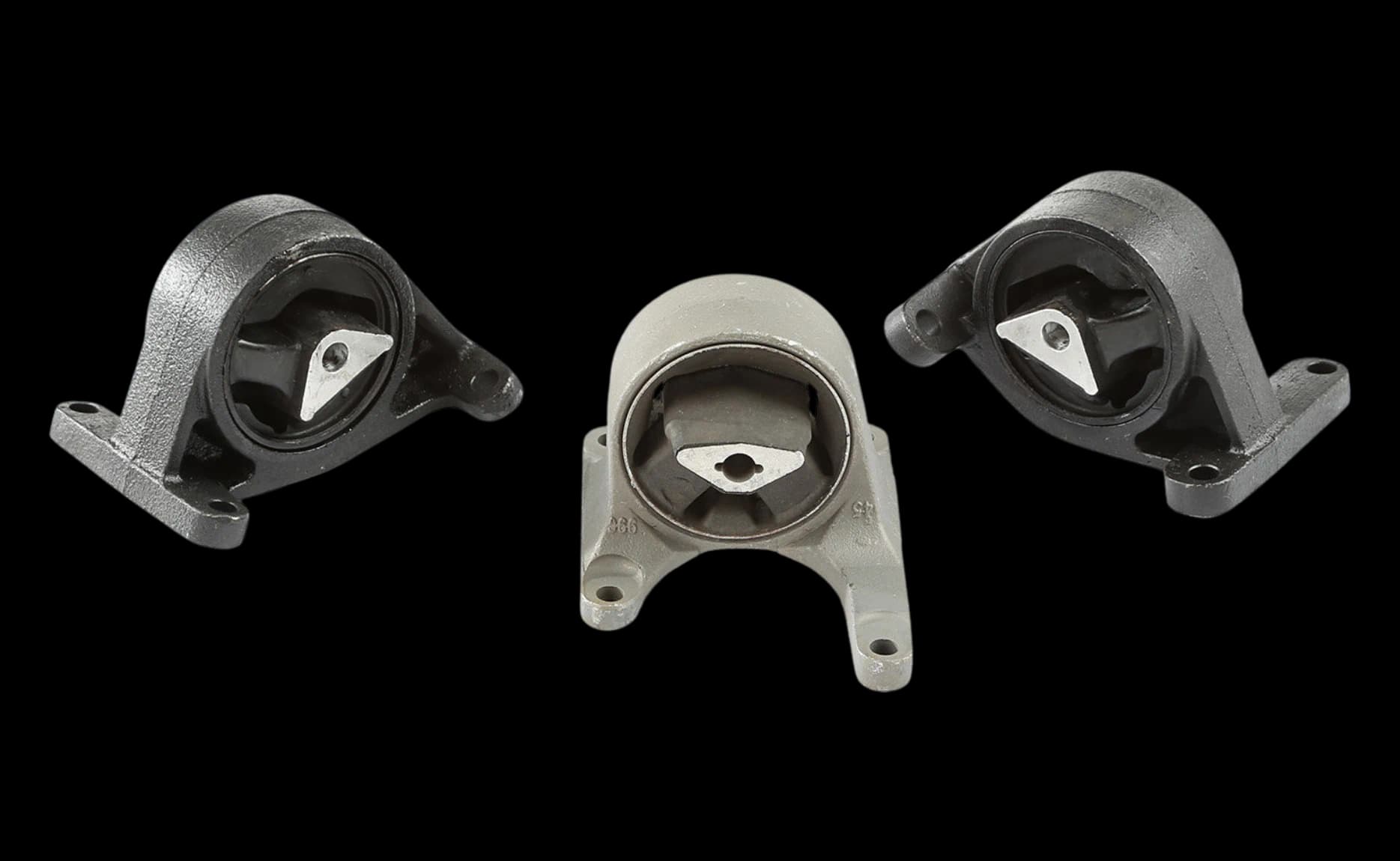
Engine Mount Replacement
Zenfo Auto Services provides certified Jeep engine mount replacement in Musaffah. OEM-grade rubber and hydraulic mounts, torque-spec installation, and inspection.
Learn more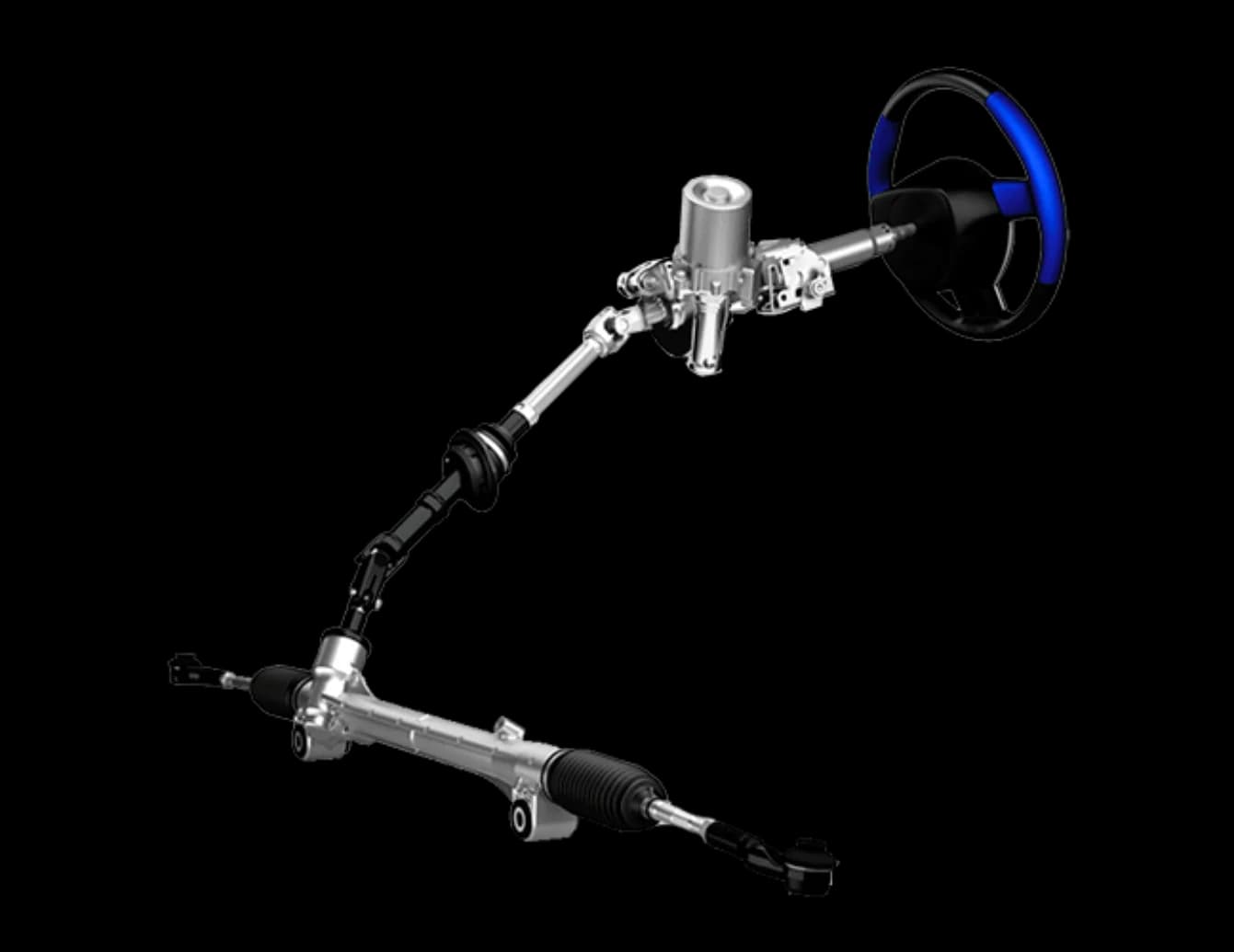
Steering Repair
Zenfo Auto Services provides Jeep steering repair in Musaffah, covering rack and pinion, EPS faults, tie rod replacement, and steering diagnostics. Book now!
Learn more
Leak Repair
Certified Jeep leak repair in Musaffah at Zenfo Auto Services. Engine oil, coolant, transmission and power steering leaks diagnosed by pressure testing.
Learn more
Benefits of Regular Jeep Steering System Servicing
| Benefit | Description | Measurable Impact |
|---|---|---|
| Precise Directional Control | Replacing worn tie rods, ball joints, and rack bushings restores OEM steering response and centre-point feel | A serviced steering system maintains toe geometry within 0.1° of OEM specification under normal driving load |
| Reduced Tyre Wear | Correct toe alignment prevents uneven tread contact across the tyre width | Toe misalignment of 1° increases front tyre wear rate by up to 30% compared to aligned vehicles |
| Accurate ESC and Stability Performance | A calibrated SAS provides the stability control module with correct wheel angle data for intervention timing | Correct SAS calibration reduces ESC activation delay by up to 20 milliseconds during stability events |
| Lower Long-Term Repair Costs | Identifying rack seal wear, fluid contamination, and ball joint movement at service intervals avoids full rack failure | Proactive steering servicing reduces total repair costs by up to 40% compared to post-failure replacement |
| Safe Off-Road Articulation | Inspected drag links, track bars, and steering dampers to maintain axle control during off-road flex | Worn drag link ends increase axle wander by up to 15mm at full articulation, reducing steering accuracy |
| Warranty and Resale Value | Steering component replacement at OEM intervals using genuine parts supports manufacturer warranty validity | Full steering service records increase vehicle resale confidence and can improve value by up to 12% |
| Consistent EPS Assist Mapping | A calibrated EPS module delivers correct assist levels across the vehicle speed range from 0 km/h to 120 km/h | Correct EPS calibration reduces steering column torque variation by up to 1.8 Nm across the speed range |
Maintenance Guidance After Jeep Steering Repair
- Check Power Steering Fluid Level Weekly: Inspect the fluid reservoir with the engine cold and the vehicle on a level surface every week following a hydraulic steering repair.
- Monitor Steering Feel After Repairs: Any return of heavy steering, vibration, or directional pull after a repair should be reported to the workshop promptly.
- Use the OEM-Specified Fluid Grade: Confirm the correct ATF+4 or dedicated PSF specification from the owner's manual before adding fluid to the steering circuit.
- Inspect Tie Rod Ends at Every Oil Service: Check for axial free play and rubber boot condition at approximately every 10,000 km, or after any significant kerb impact.
- Recheck Alignment After Suspension Work: Any replacement of suspension or steering components requires a four-wheel alignment check to confirm toe, camber, and caster are within OEM values.
- Schedule a 1,000 km Follow-Up: A post-repair inspection confirms stable alignment readings, correct SAS calibration, and no fluid seepage from replaced hydraulic components.
- Avoid High-Speed Driving After SAS Recalibration: Allow 15 to 20 minutes of urban driving after a steering angle sensor recalibration to allow the PSCM to complete its self-learning cycle.
Jeep Models, We Service in Musaffah
Zenfo Auto Services provides steering repair and complete steering system servicing for the full range of Jeep models at our Musaffah workshop.
Portfolio
Our Recent Work
Tap any photo to view the full set.
Questions answered
Frequently Asked Questions
What does a Jeep steering repair service at your workshop include?
A standard steering system service covers OBD-II PSCM fault code scanning, steering rack free-play measurement, tie rod axial play testing, power steering pump pressure measurement using a J-50190-A gauge, SAS recalibration, hydraulic fluid condition assessment, and a full four-wheel alignment verification after any component replacement.
How do I know if my Jeep needs a rack repair or a full rack replacement?
Targeted repairs address isolated faults such as a leaking rack seal, worn rack bushings, or a loose inner tie rod preload. Full rack replacement is required when internal wear produces more than 0.3mm of pinion free play, when pressure testing confirms internal bypass, or when hydraulic circuit pressure cannot be maintained above 1,000 kPa after seal replacement.
What power steering fluid does my Jeep require?
Most current Jeep models with hydraulic power steering use ATF+4 fluid. Older Cherokee XJ and Wrangler TJ platforms use a dedicated power steering fluid (PSF). EPS-equipped models, including the Cherokee KL, Compass MP, and Renegade BU, do not use steering fluid, as the system is fully electric. The correct specification is confirmed from the owner’s manual and underbonnet label before any fluid service is carried out.
How long does a Jeep steering repair take?
A power steering fluid flush and refill takes 1 to 2 hours. A tie rod replacement with alignment takes 2 to 3 hours. A rack and pinion replacement takes 4 to 6 hours. An EPS module replacement with SAS recalibration takes 1 to 2 hours. A full steering system service covering all major components takes 5 to 7 hours. Exact times depend on the Jeep model and parts availability on the day.
Do you service the steering systems on Jeep 4xe hybrid models?
Yes. The Jeep Wrangler 4xe and Grand Cherokee 4xe retain a conventional hydraulic or EPS steering circuit that operates independently of the high-voltage battery system. Steering repairs on these models follow standard procedures, with isolation of the high-voltage circuit carried out before any adjacent component work begins. Technicians hold the relevant training for hybrid powertrain safety.
Can you clear steering warning lights after a repair?
Yes. All EPS and ESC warning indicators related to steering system faults are cleared using bi-directional OBD-II scan tools communicating with the PSCM and stability control module after the confirmed fault has been repaired and verified through a complete drive cycle. Warning lights are only cleared after the repair is confirmed to be operating within the correct parameters.
How often should the power steering fluid be changed on a Jeep?
Power steering fluid on hydraulic HPAS-equipped Jeep models should be replaced every 50,000 km or when discolouration, aeration, or a burnt odour is detected. Vehicles operated in high-temperature conditions or used for frequent towing benefit from a fluid change at 40,000 km intervals to maintain correct pump and rack seal lubrication.
Do you offer a warranty on steering system repairs?
Yes. All steering system repairs carried out at our Musaffah workshop include a repair warranty covering both parts and labour. The warranty period and specific terms are confirmed in the written service report provided at vehicle handover. Any repeat concern within the warranty period is assessed and resolved at no additional cost.
Need your Jeep looked at today?
Same-day slots for battery, oil service, brake pads, tyre fitting, AC recharge and ECU coding. Written estimate before any work begins.
Near 21, As Salami 8 St, Musaffah Industrial Area, M9, Abu Dhabi, United Arab Emirates