Zenfo Auto Services · Mussafah
Experienced Jeep Driveshaft Repair & Overhaul Service Experts in Musaffah
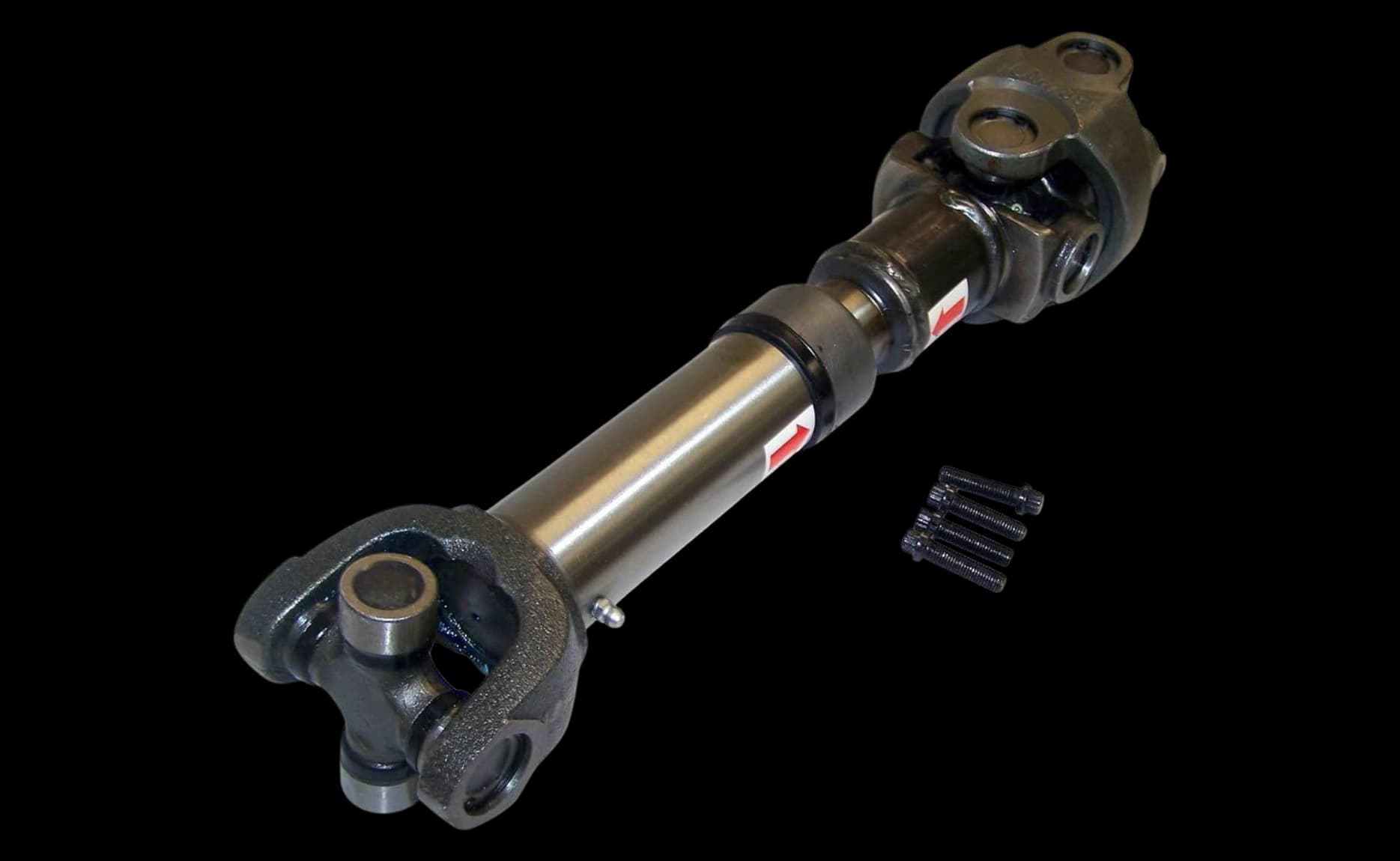
Zenfo Auto Services delivers full-scope Jeep driveshaft repair in Musaffah, covering diagnostics, propeller shaft overhaul, constant velocity (CV) joint replacement, universal joint (U-joint) service, centre bearing inspection, and transfer case output seal repair using OEM-grade components and certified drivetrain technicians.
- Open daily (Mon – Sun): 09:00 – 21:00
- Musaffah Industrial Area, M9, Abu Dhabi
- Years of Experience
- 10+Years of Experience
- Satisfied Clients
- 100%Satisfied Clients
- Pickup & Delivery Service
- 24/7Pickup & Delivery Service
- Quick Service
- 2xQuick Service
- 4.9 ★ Google reviews
- Free pick-up & delivery
- OEM-grade parts
- 12-month repair warranty
- Written estimate before any work
- Jeep-specific diagnostic software
- Certified Jeep technicians
- 24/7 breakdown assistance
- Same-day slots available
Why Choose Zenfo Auto Services for Jeep Driveshaft Repair in Musaffah?
Driveshaft faults on Jeep models affect torque delivery to all four wheels, NVH (noise, vibration, and harshness) performance, and drivetrain component longevity. Every repair at the Musaffah workshop follows OEM phasing angles, shaft balancing tolerances, and yoke alignment specifications to ensure correct rotational force transfer and vibration-free driveline operation across all driving conditions.
Certified Jeep Drivetrain Technicians
Technicians at Zenfo Auto Services hold manufacturer-level certifications covering Jeep driveline architectures across the Command-Trac, Rock-Trac, Selec-Trac, and Quadra-Drive II four-wheel-drive systems. Structured inspection protocols are followed from the transfer case output flange to the differential input yokes. Shaft dynamic balance is verified on a spin-balance machine, detecting imbalance as low as 0.5 gram-centimetres.
Genuine OEM Driveshaft Parts & Specialist Equipment
Only OEM-approved propeller shafts, CV joint assemblies, U-joint crosses, slip yokes, centre support bearings, differential pinion flanges, and transfer case output seals are used across all repairs. The workshop operates driveshaft balance machines, dial indicator runout gauges, OBD-II drivetrain scan tools, torque angle meters, and vibration analysers to confirm correct driveline behaviour after every repair.
Efficient Driveshaft Service Turnaround
A standard U-joint replacement or CV boot repair is completed within 1 to 3 hours. Front or rear propeller shaft replacement with centre bearing service takes 3 to 5 hours. A complete four-wheel-drive driveline overhaul covering both shafts, yoke replacement, and transfer case seal renewal takes 1 to 2 working days.
Clear and Consistent Pricing
All driveshaft repair costs, covering parts, labour, and balance test results, are confirmed before work begins. No additional charges are introduced once the repair starts. A written service report listing all replaced components, torque readings, runout measurements, and balance test data is provided at vehicle handover without exception.
Jeep Driveshaft Repair Services We Provide
Driveshaft Diagnostic & Drivetrain Vibration Analysis
The PCM and ABS module track wheel speed differentials and transfer case engagement on all modern Jeep models. OBD-II scan tools retrieve active and stored DTCs, while road-test frequency analysis isolates whether vibration originates from driveshaft imbalance, U-joint phasing error, CV joint wear, or differential pinion bearing deterioration before disassembly begins.
Propeller Shaft Inspection & Replacement
Steel and aluminium propeller shafts develop runout deviations from impact damage, corrosion, and yoke wear. Shaft runout is measured at three points along the tube, with a maximum allowable radial deviation of 0.25 mm. Replacement uses OEM-matched assemblies with driveshaft phasing verified to within 2 degrees to prevent post-installation vibration.
Universal Joint (U-Joint) Replacement
U-joints must operate within a working angle of 1 to 3 degrees for smooth torque transfer. Worn needle roller bearings generate clicking or clunking under load transitions above 5 degrees. OEM cross-and-bearing kit assemblies are pressed to full seating depth, with snap ring groove clearance verified to 0 to 0.003 inches.
Constant Velocity (CV) Joint Service & Replacement
Front driveshafts on IFS-equipped Jeep models use Rzeppa-type or tripod-type CV joints to maintain constant angular velocity at full steering lock. A torn CV boot introduces abrasive contamination that reduces joint service life below 10,000 km. Replacement includes full disassembly, OEM grease repack of 90 to 120 grams, and new boot clamps.
Centre Support Bearing Inspection & Replacement
Two-piece propeller shafts on longer Jeep wheelbase models use a rubber-isolated centre support bearing mounted to the underbody crossmember. Bearing deterioration introduces a consistent drone between 80 and 120 km/h. The rubber isolator is checked for compression set exceeding 4 mm before replacement with an OEM bearing and bracket assembly.
Transfer Case Output Shaft Seal Replacement
Output shaft seals on Jeep transfer cases, including the NV241, NV245, and NV247 units, prevent ATF from leaking onto the driveshaft yoke. A leaking seal drops fluid below the 1.1 to 1.3 litre minimum, accelerating chain wear. Replacement uses an OEM seal driver, and the output yoke nut is torqued to specification.
Slip Yoke & Spline Inspection
The slip yoke compensates for suspension travel by allowing up to 40 mm of axial movement along the transfer case output shaft spline. Worn spline teeth introduce clunking under load reversal. Flank wear exceeding 0.010 inches is measured using a go/no-go gauge, and worn units are replaced with OEM slip yoke assemblies.
Differential Input Flange & Pinion Seal Replacement
The differential input flange connects the propeller shaft to the pinion gear. Flange runout above 0.005 inches causes cyclic pinion bearing loading often misdiagnosed as shaft imbalance. The flange and pinion seal are replaced as a set, with the flange nut torqued to specification and pinion bearing preload verified at 0.9 to 2.2 Nm.
Driveshaft Angle Measurement & Correction
U-joint operating angles must remain within 1 to 3 degrees and cancel each other across the front and rear joints, a condition known as phasing. Angles are measured using a digital inclinometer at the transmission yoke, shaft tube, and differential flange. Correction is achieved through track bar adjustment, SYE kits, or double-cardan shaft installation.
Driveshaft Balance & Runout Correction
Driveshaft imbalance above 0.5 gram-centimetres generates vibration that transmits through body mounts into the cabin at road speed. Dynamic balance is performed on a two-plane electronic machine after any shaft repair. Runout beyond 0.010 inches is corrected using a hydraulic press and V-block setup, or through full shaft replacement when deformation is excessive.
Four-Wheel-Drive (4WD) Engagement & Shift Fork Inspection
Difficulty engaging 4H or 4L on SOTF-equipped Jeep models commonly originates from worn shift fork pads, binding linkage, or actuator motor failure. Shift fork pad thickness below 4 mm causes incomplete range gear engagement. OBD-II live data from the transfer case control module confirms correct engagement and disengagement feedback signals after inspection and repair.
Front Axle Disconnect (FAD) System Service
The FAD system disengages the front driveshaft from the differential in two-wheel-drive mode to reduce drivetrain friction. Actuator diaphragm failure or vacuum line leaks prevent front axle engagement even when 4WD is selected. The vacuum supply is tested at the source and diaphragm inlet, requiring a minimum holding pressure of 15 inHg for correct fork travel.
Driveshaft Heat Shield Inspection & Refitment
Propeller shaft heat shields protect underbody fuel lines, brake hydraulics, and wiring harnesses from radiant heat. Detached or corroded shields produce a metallic rattle at specific speeds and allow underbody temperatures to exceed 120 degrees Celsius. Damaged shields are replaced with OEM units matched to the correct thermal barrier rating, with all mounting tabs inspected for fatigue cracking.
Full Driveshaft System Replacement
A complete driveshaft replacement covers the front shaft, rear shaft, centre bearing, U-joints, CV joints, yokes, and transfer case output seals as one continuous drivetrain assembly. Full replacement is recommended when corrosion exceeds 30% of tube wall thickness or when combined wear makes individual repairs uneconomical. A post-installation balance check and road test confirm correct operation.
How to Book a Jeep Driveshaft Repair Service at Zenfo Auto Services?
Scheduling a Jeep driveshaft repair at the Musaffah workshop takes three straightforward steps.
Book a slot
Talk to a Jeep technician, not a contact form
Call or message the workshop and you will speak to someone who works on Jeeps every day. You get a written, itemised estimate before any work starts, and nothing is charged beyond it.
What to send us
- Your Jeep model and year, such as Wrangler JL or Grand Cherokee WK2
- The fault or service you need, plus any warning lights or noises
- Photos or a short video of the problem, if you have them
- Your preferred drop-off day; same-day slots are usually available
- WhatsApp+971 52 515 0820Fastest reply; send photos of the fault
- Call the workshop+971 52 515 0820Same-day slots for oil, brakes, battery and AC
- Emailinfo@zenfoautoservices.aeWritten response within 4 business hours
- Walk in, no appointment neededNear 21, As Salami 8 St, Musaffah Industrial Area, M9, Abu Dhabi, United Arab EmiratesGet directions on Google Maps
Share Your Jeep Details
Provide your Jeep model, model year, current mileage, drive configuration (4x2 or 4x4), and a description of the driveline symptom you have observed. This information allows technicians to prepare the correct OEM driveshaft components and diagnostic equipment before your vehicle arrives at the workshop.
Make a Booking
Select a date and time that fits your schedule. Same-day and next-day appointments are available, and a free pickup and delivery service is offered across Musaffah for customers who prefer not to bring their Jeep in directly.
We Repair
Certified drivetrain technicians carry out the complete driveshaft repair and provide a written inspection report at job completion. You receive status updates at each stage of the repair, including any additional findings identified during the driveline assessment.
What you get
Key Features We Provide
- Experienced & Certified Mechanics
- 24/7 Breakdown Assistance
- Timely & Efficient Delivery
- Instant Price Quotes
- Free Pickup & Delivery
- Repair Warranty on All Services
When Does Your Jeep Need Professional Driveshaft Repair?
The following indicators suggest that your Jeep's driveshaft or drivetrain system requires a professional inspection. Addressing these symptoms early prevents escalating damage to connected differential, transfer case, and transmission components.
| Issue | Symptoms / Signs | Possible Cause | Recommended Solution |
|---|---|---|---|
| Vibration at Road Speed | Floor or seat vibration increases between 80 and 120 km/h; resonance felt through the steering column | Driveshaft imbalance above 0.5 g-cm; worn centre bearing; U-joint phasing error | Driveshaft runout check, dynamic balance test, and U-joint phasing measurement |
| Clunking on Load Reversal | Audible knock when accelerating from rest, shifting from drive to reverse, or releasing the throttle | Worn U-joint needle bearings; worn slip yoke splines; loose propeller shaft flange bolts | U-joint cross and bearing kit replacement, slip yoke spline inspection, and flange bolt torque verification |
| Clicking During Cornering | Rhythmic clicking noise from the front axle area during low-speed turns, increasing with steering lock angle | Worn or contaminated CV joint from a torn CV boot, allowing grease expulsion | CV boot inspection, joint disassembly, OEM grease repack, and full CV joint replacement if wear exceeds the serviceable limit |
| Difficulty Engaging 4WD | Grinding or resistance when shifting into 4H or 4L; the transfer case indicator lamp does not confirm engagement | Worn shift fork pads below 4 mm; binding transfer case linkage; failed FAD actuator on vacuum-operated systems | Shift fork pad measurement, transfer case linkage inspection, FAD actuator vacuum test, and OBD-II transfer case module scan |
| Fluid Leak Beneath Vehicle | Oil or ATF pooling under the Jeep near the transfer case or differential; a visible seal weeping at the yoke | Worn transfer case output shaft seal; deteriorated differential pinion seal | Seal identification, fluid level assessment, and OEM seal replacement with pinion preload verification |
| Drone at Constant Speed | Low-frequency humming or droning sound during steady highway driving; changes with vehicle load | Degraded centre support bearing; worn differential pinion bearing following flange runout beyond 0.005 inches | Centre bearing compression set measurement, differential flange runout check, and bearing replacement |
| Shudder During Acceleration | Stuttering vibration felt through the driveline during initial acceleration from low speed, particularly in 4WD | Excessive driveshaft working angle from suspension lift modification or worn suspension; worn CV joint at high operating angle | Driveshaft angle measurement with digital inclinometer, angle correction, and CV joint inspection |
| Loss of Drive to One Axle | One axle is not receiving drive torque; front or rear wheels are spinning freely without resistance in 4WD mode | Broken propeller shaft; completely failed CV joint; transfer case chain or sprocket failure | Driveshaft inspection, CV joint assessment, and transfer case internal component evaluation |
Our services
Our Jeep Services in Mussafah
Major and Minor Services
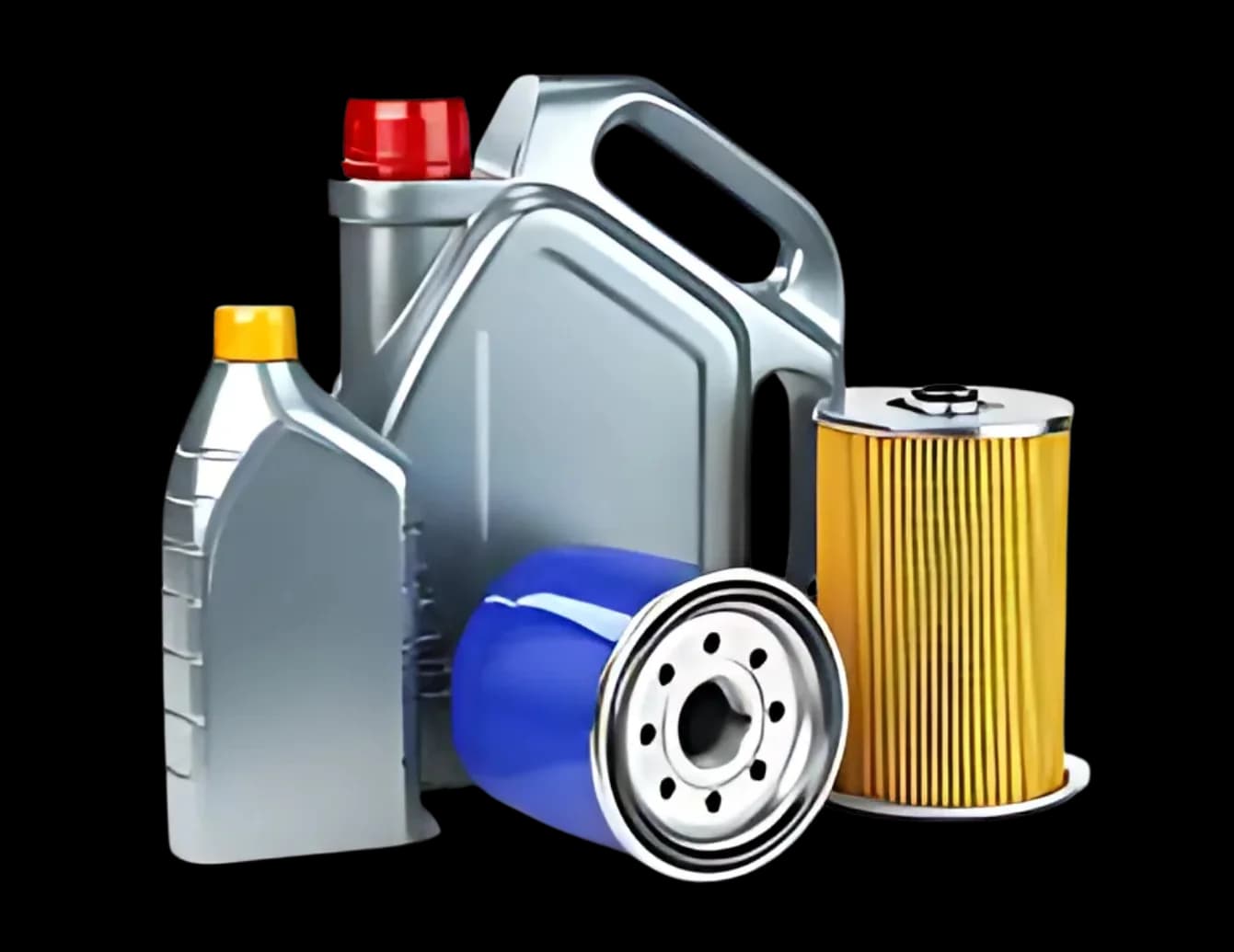
Don't wait until it's too late! Book your Jeep major or minor service at Zenfo Auto Services, Musaffah. Genuine parts, transparent pricing & fast turnaround guaranteed.
Learn more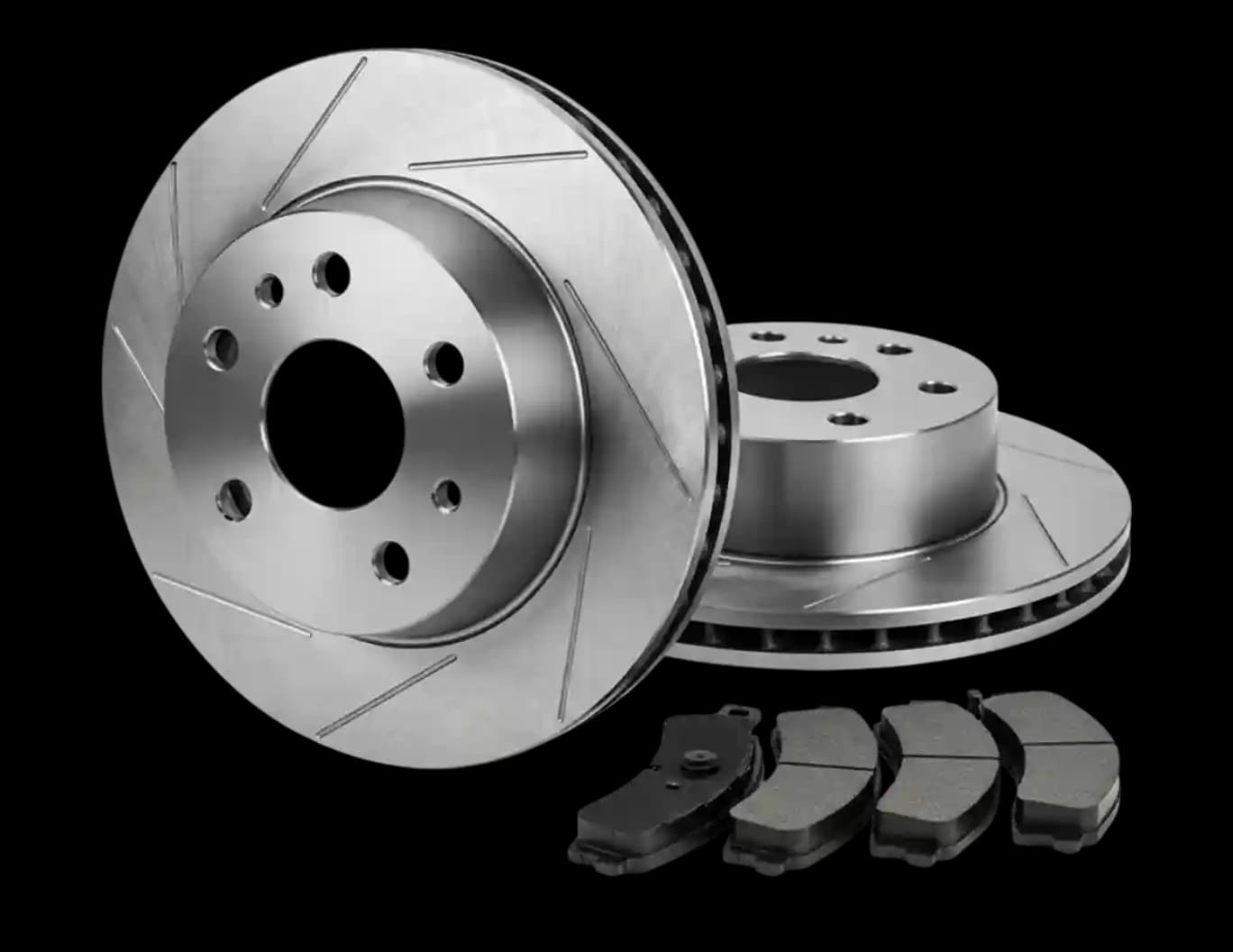
Brake Pad Replacement
Get professional Jeep brake pad replacement and full brake system servicing at Zenfo Auto Services, Musaffah. OEM parts, certified technicians, and transparent pricing.
Learn more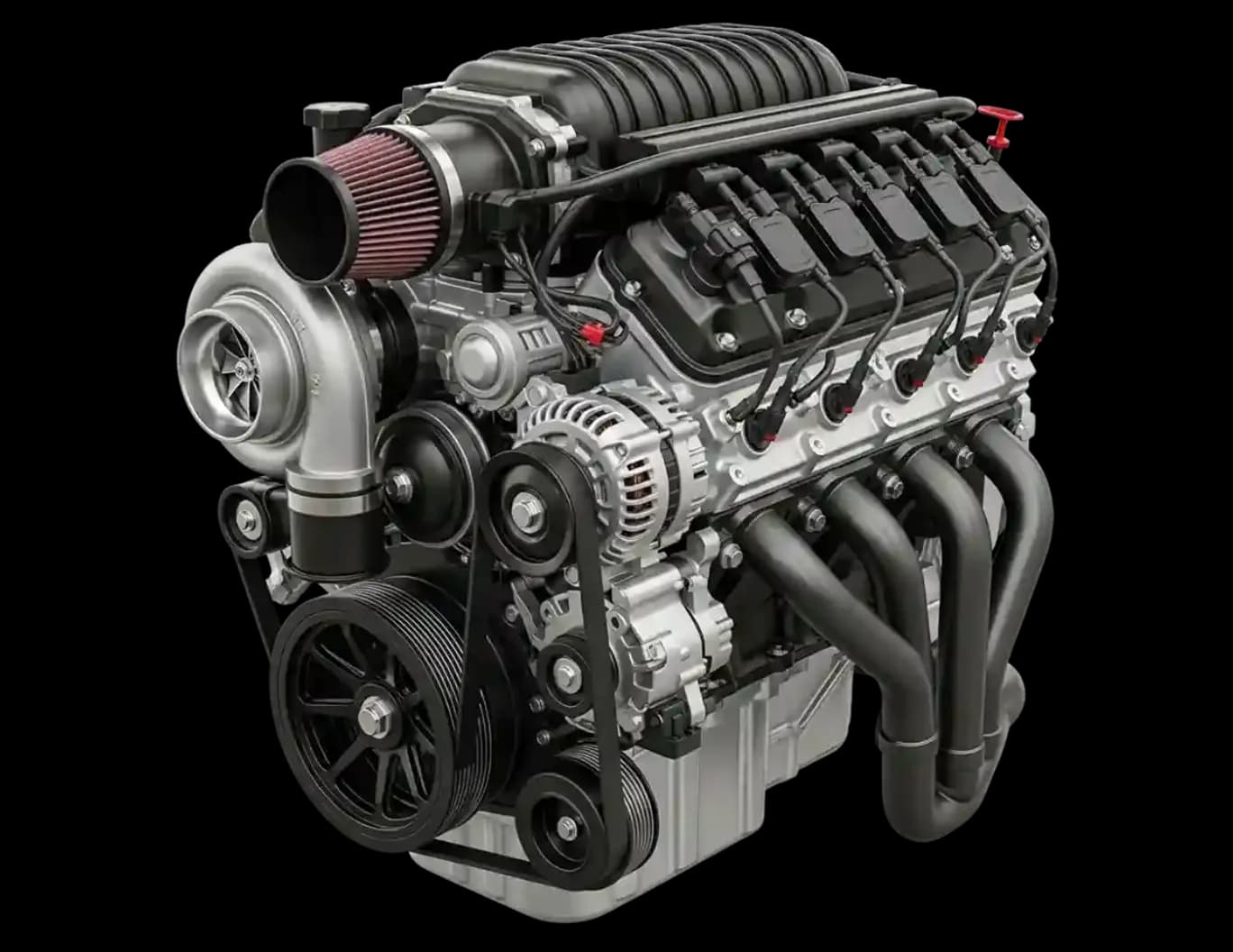
Engine Repair
Zenfo Auto Services provides certified Jeep engine repair in Musaffah, covering diagnostics, timing chain service, rebuilds, and overhauls. Book Now!
Learn more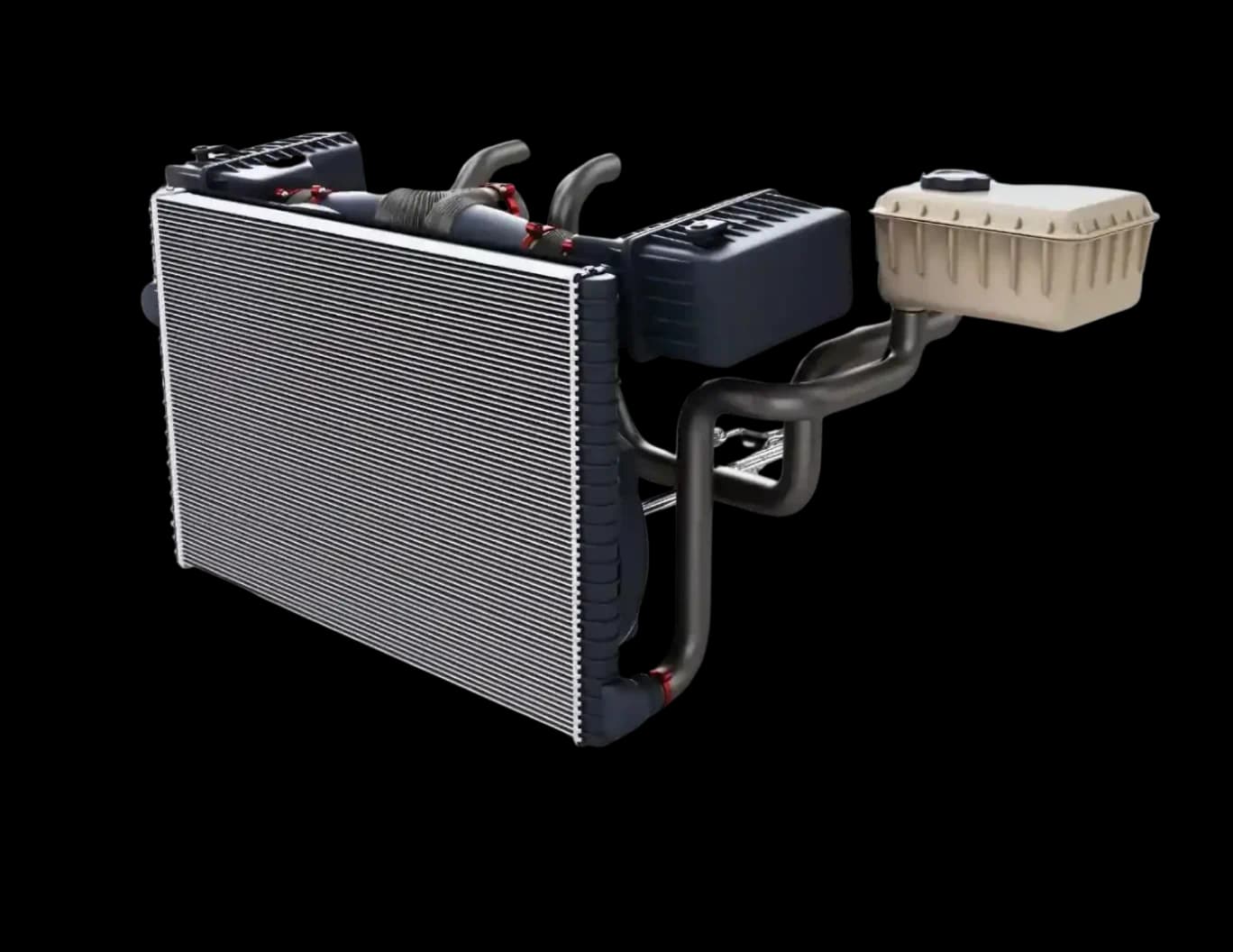
Radiator Repair
Zenfo Auto Services offers Jeep radiator repair in Musaffah, covering leak detection, coolant flush, and full cooling system diagnostics. Book your slot now!
Learn more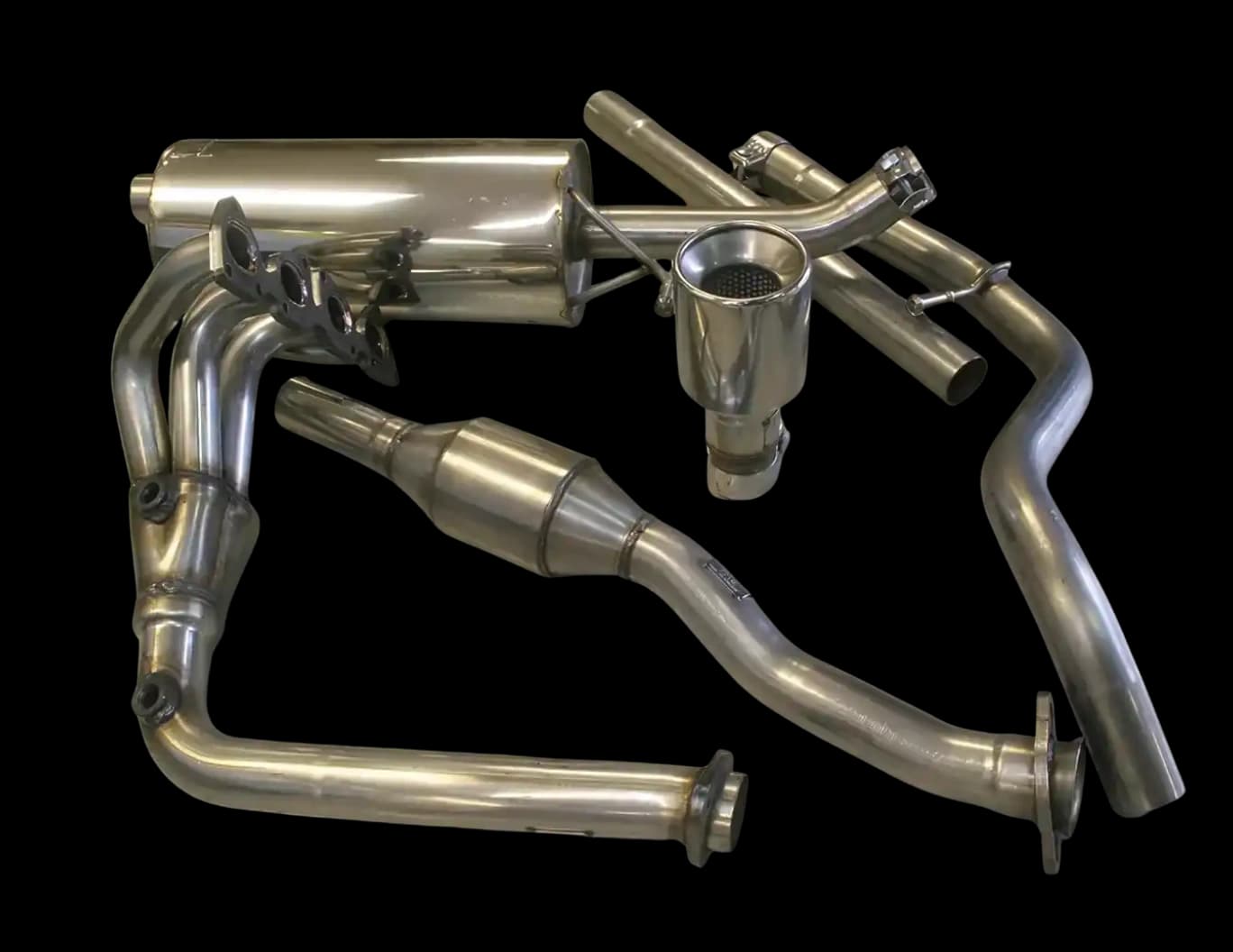
Exhaust Repair
Zenfo Auto Services offers complete Jeep exhaust repair in Musaffah, covering catalytic converters, DPF cleaning, manifold replacement, and full diagnostics.
Learn more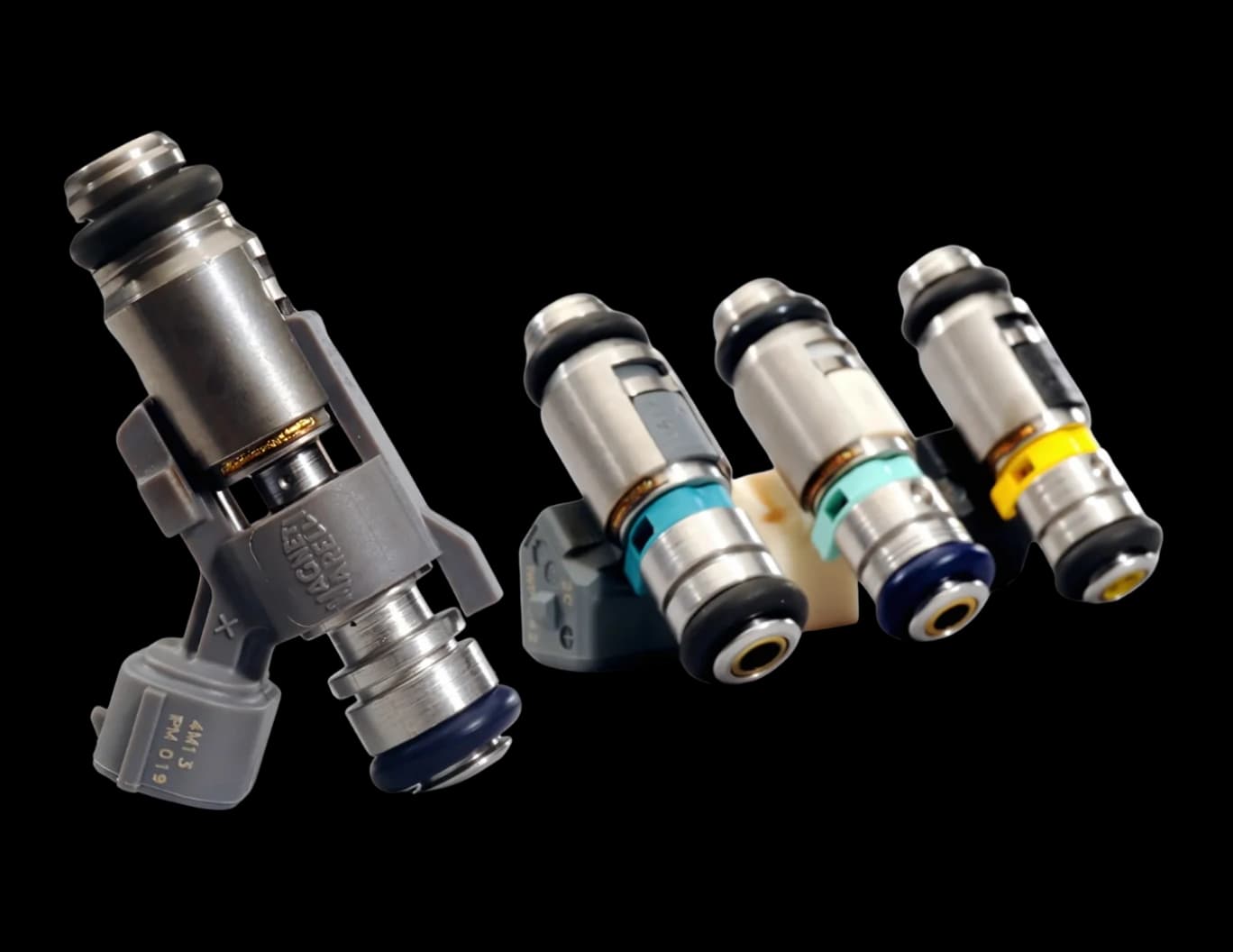
Fuel Injector Cleaning
Professional Jeep fuel injector cleaning and full fuel system servicing at Zenfo Auto Services, Musaffah. OEM parts, certified technicians, and upfront pricing.
Learn more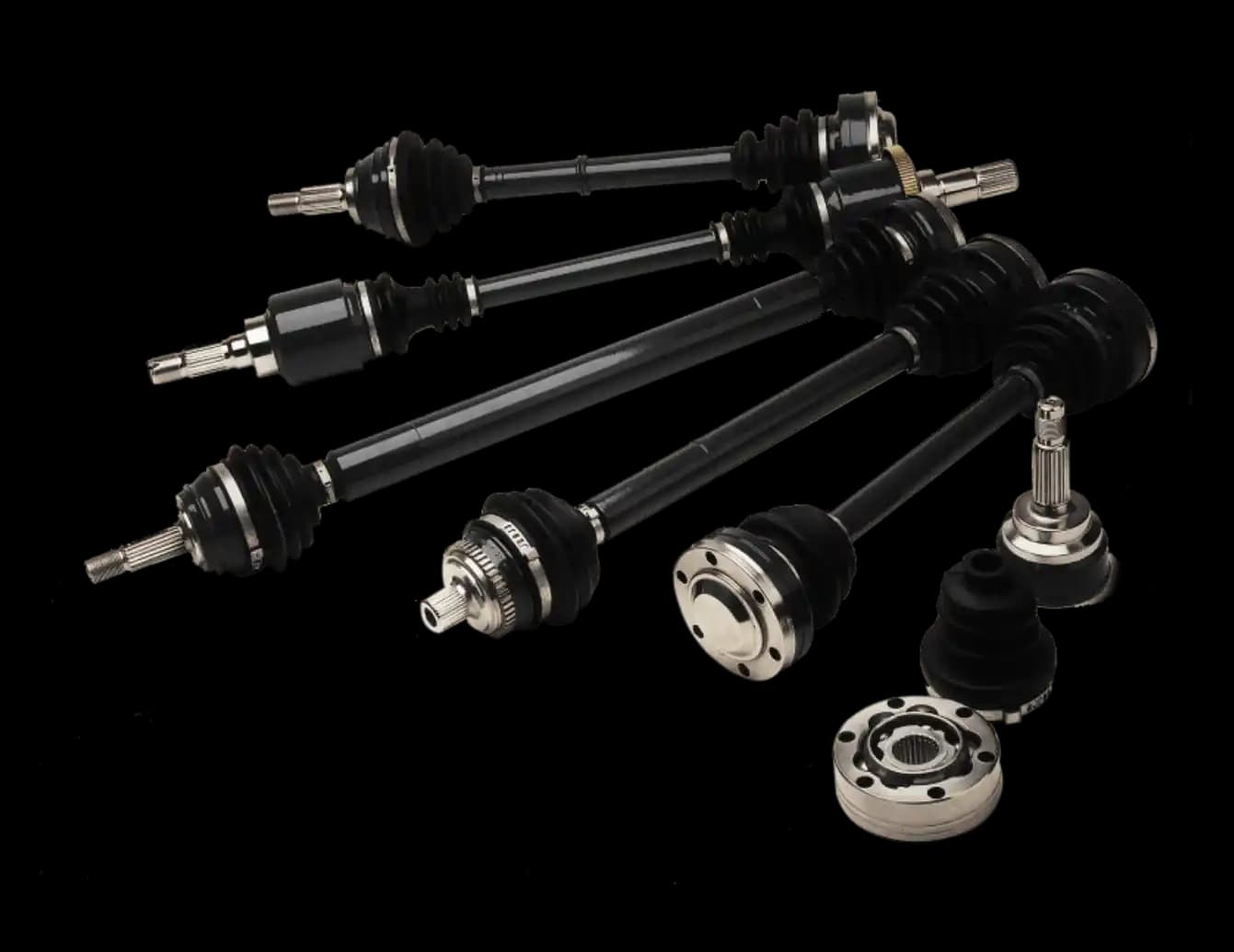
Driveshaft Repair
Zenfo Auto Services provides complete Jeep driveshaft repair in Musaffah, covering CV joint replacement, U-joint overhaul, prop shaft balancing, and diagnostics.
Learn more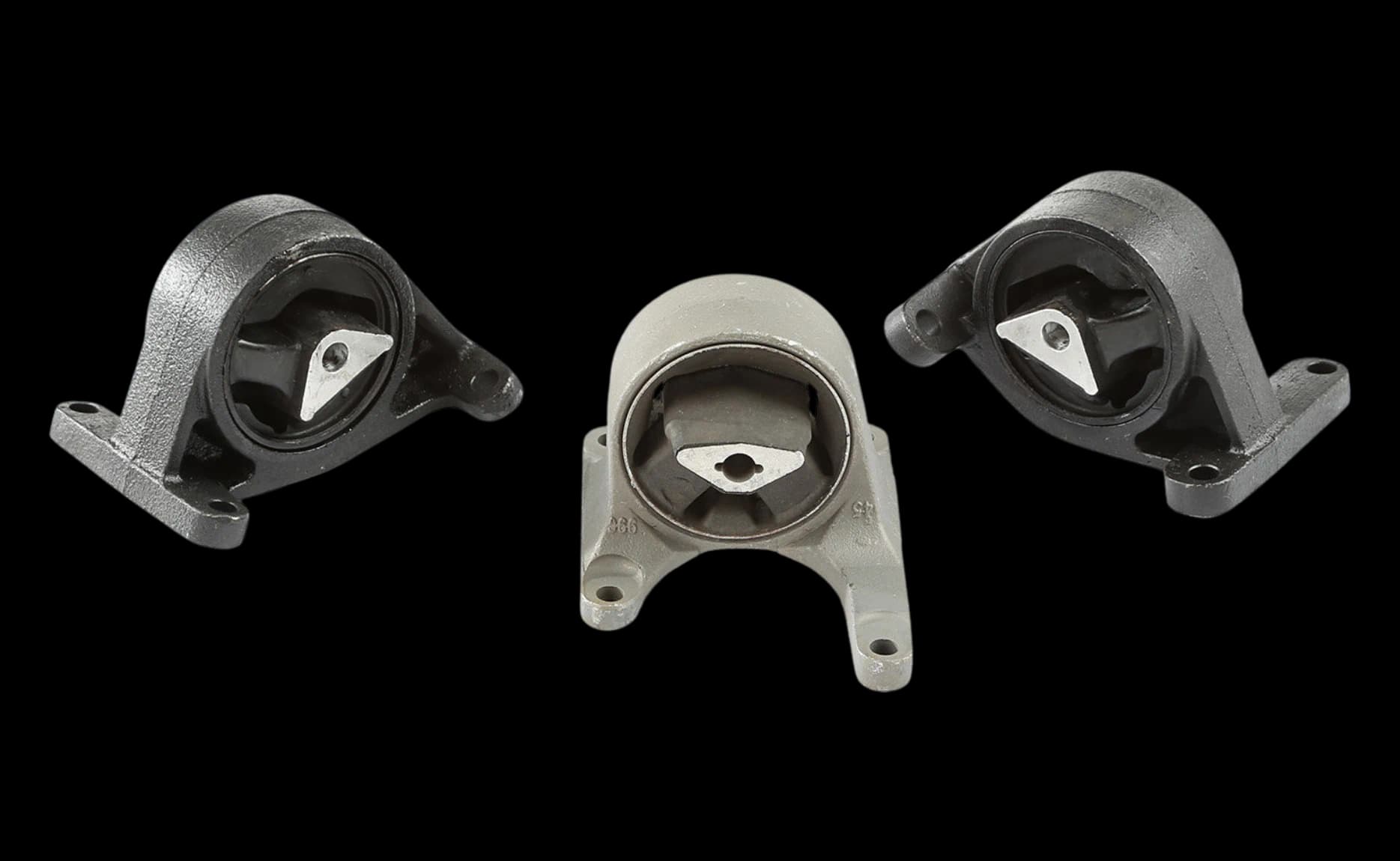
Engine Mount Replacement
Zenfo Auto Services provides certified Jeep engine mount replacement in Musaffah. OEM-grade rubber and hydraulic mounts, torque-spec installation, and inspection.
Learn more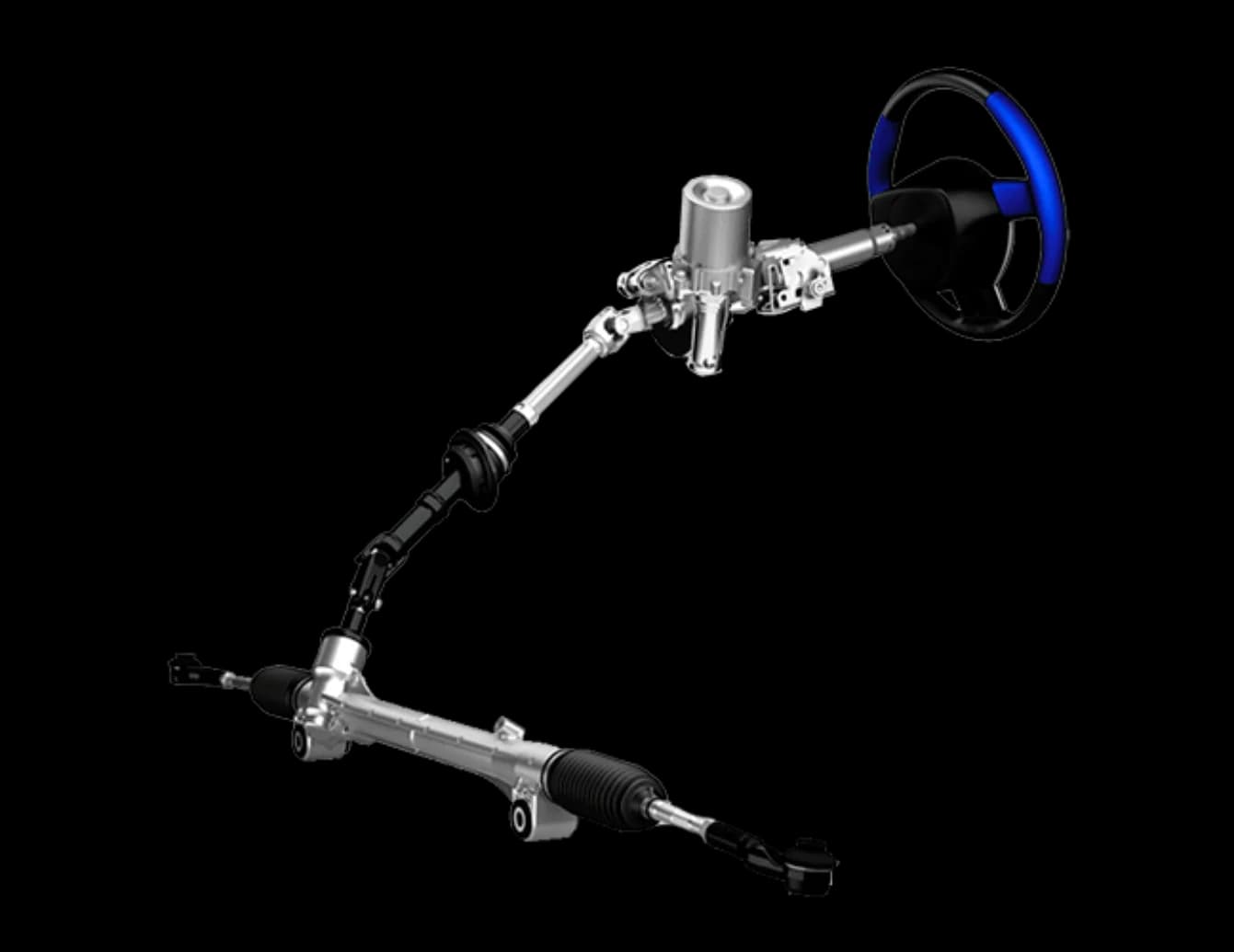
Steering Repair
Zenfo Auto Services provides Jeep steering repair in Musaffah, covering rack and pinion, EPS faults, tie rod replacement, and steering diagnostics. Book now!
Learn more
Leak Repair
Certified Jeep leak repair in Musaffah at Zenfo Auto Services. Engine oil, coolant, transmission and power steering leaks diagnosed by pressure testing.
Learn more
Benefits of Professional Jeep Driveshaft Servicing
Timely driveshaft servicing delivers measurable improvements in drivetrain smoothness, fuel economy, component longevity, and off-road capability across all Jeep models.
| Benefit | Description | Impact |
|---|---|---|
| Restored Vibration-Free Operation | Replacement of worn U-joints, CV joints, and centre bearings eliminates driveline NVH that transmits through the cabin floor and steering column | A correctly balanced driveshaft maintained within 0.5 g-cm tolerance removes perceptible vibration at speeds above 80 km/h |
| Improved Torque Transfer Efficiency | Correct U-joint phasing and driveshaft working angles within the 1 to 3 degree range ensure smooth torque delivery without velocity irregularities | Proper phasing eliminates second-order vibration and reduces cyclic stress on yoke weld joints by up to 35% |
| Extended Differential & Transfer Case Life | Addressing seal leaks and flange runout early prevents gear oil contamination and bearing overload inside the differential and transfer case | Timely output seal replacement prevents fluid loss that reduces differential service life by up to 40% when operating below the minimum fluid level |
| Maintained 4WD Reliability | Correct shift fork pad thickness and transfer case linkage function ensure predictable and complete 4H and 4L engagement for off-road and adverse-condition driving | A correctly maintained 4WD system engages within 0.5 seconds on Selec-Trac and Rock-Trac-equipped Jeep models |
| Reduced Cabin Noise Levels | Replacement of degraded centre support bearing isolators and heat shield refitment removes speed-dependent droning and metallic rattling from the underbody | A functioning bearing reduces mid-span shaft deflection and lowers interior NVH levels by up to 15 dB compared to a deteriorated unit |
| Improved Fuel Efficiency | A correctly balanced and correctly angled driveshaft reduces parasitic drivetrain friction and eliminates the energy wasted in absorbing vibration through body mounts | Eliminating a binding slip yoke or misaligned driveshaft angle can recover fuel economy to within 2% of the manufacturer's rated figure |
| Resale & Warranty Compliance | Complete driveshaft service records with OEM parts support, manufacturer drivetrain warranty validity and confirm correct 4WD system function to prospective buyers | Full driveshaft service documentation contributes to resale value retention and demonstrates verified drivetrain integrity to UAE technical inspection standards |
Maintenance Tips After Jeep Driveshaft Repair
- Allow Slip Yoke Grease to Distribute Before Highway Driving: Drive the vehicle at speeds below 60 km/h for the first 30 km after any slip yoke grease service to allow lubricant to distribute evenly across the spline contact area.
- Monitor for Returning Vibration Within the First 500 km: A vibration that reappears within 500 km of a balance repair may indicate a loose balance weight weld or an underlying runout issue requiring re-measurement.
- Inspect CV Boots at Every Oil Change: CV boot condition should be checked visually every 10,000 km, as grease expulsion from a split boot can destroy a serviceable joint within 5,000 km of continued use.
- Verify Transfer Case Fluid Level After Seal Replacement: Confirm the transfer case fluid is at the correct level of 1.1 to 1.3 litres within the first 1,000 km post-repair to confirm the new output seal is holding correctly.
- Avoid Sustained 4WD Use on Dry Tarmac: Operating in 4H on dry paved surfaces induces drivetrain wind-up that places excessive stress on driveshaft yokes, CV joints, and transfer case components.
- Schedule a Follow-Up Drivetrain Check at 2,000 km Post-Repair: A driveshaft runout and balance check at 2,000 km confirms all replaced components have settled into their operating positions without introducing secondary vibration.
Jeep Models, We Service in Musaffah
Zenfo Auto Services provides driveshaft repair for the complete range of Jeep models at our Musaffah workshop.
Portfolio
Our Recent Work
Tap any photo to view the full set.
Questions answered
Frequently Asked Questions
What does a Jeep driveshaft repair service at your workshop include?
A standard driveshaft repair covers OBD-II drivetrain fault code scanning, driveshaft runout measurement at three points along the shaft, dynamic balance verification on a two-plane balance machine, U-joint and CV joint condition assessment, centre support bearing inspection, slip yoke spline wear measurement, and a transfer case output seal integrity check. A written inspection report is provided at handover, confirming runout readings, balance test data, and torque values recorded during the repair.
How do I know if my Jeep needs a U-joint or a full propeller shaft replacement?
U-joint replacement is appropriate when the cross-and-bearing kit shows needle roller wear or rust seizure while the shaft tube remains straight and within the 0.010-inch runout limit. A full shaft replacement is required when the tube shows corrosion above 30% of wall thickness, when weld joint cracks are identified near the yoke, or when deformation from an impact cannot be corrected within the press straightening tolerance. Both conditions are assessed before any part is ordered to avoid unnecessary component expenditure.
Can a vibration caused by a driveshaft imbalance be corrected without replacing the shaft?
Yes, in many cases. If the shaft runout is within the 0.010-inch tolerance and the tube wall is undamaged, dynamic balance correction using welded or clamped balance weights eliminates imbalance without requiring the shaft replacement. If the imbalance originates from a deformed shaft or from a yoke that has shifted out of phase, press straightening or yoke replacement is required first before balance weights are applied. The choice between balancing and replacement is confirmed by runout and wall thickness measurements taken at the start of the diagnosis.
Do you service Jeep models with independent front suspension (IFS) driveshafts?
Yes. Jeep models with IFS, including the Grand Cherokee, Grand Wagoneer, and Commander, use CV-type front driveshaft assemblies that require specific disassembly procedures, OEM grease quantities between 90 and 120 grams per joint, and boot clamp torque sequencing different from solid-axle Wrangler or Gladiator configurations. Separate tooling and OBD-II software are used for IFS-equipped Jeep models during diagnosis and after-repair verification.
What causes the drive shaft vibration after a suspension lift on a Jeep Wrangler?
A suspension lift raises the transfer case and axle relationship, increasing the driveshaft working angles above the 3-degree maximum for standard U-joint operation. Working angles above 5 degrees produce first and second-order vibrations at highway speed and accelerate U-joint wear. Correction options include installing a transfer case drop kit to reduce the output shaft angle, fitting adjustable upper control arms to correct pinion angle, replacing the rear shaft with a double-cardan (DC) constant velocity joint shaft, or installing a slip yoke eliminator (SYE) kit with a matching CV driveshaft for lifts above 4 inches.
How often should driveshaft components be inspected on a Jeep?
U-joint condition and CV boot integrity should be checked at every oil change interval or every 10,000 km. Centre support bearing inspection is recommended at 60,000 km intervals or when speed-related droning becomes perceptible. Transfer case output seal condition should be assessed every 50,000 km service or if fluid traces appear at the yoke. Driveshaft balance and runout are checked following any impact, tyre change, or suspension modification that alters the drivetrain geometry.
Do you reset drivetrain fault codes after a driveshaft repair?
Yes. All drivetrain-related DTCs stored in the PCM, ABS module, or transfer case control module are cleared using OBD-II scan tools after the specific fault has been repaired and physically verified. Codes are only cleared once a completed system check confirms the repaired component is operating within the correct engagement, rotation, and sensor feedback parameters. This prevents a stored code from reappearing on the first drive after the vehicle is returned.
Need your Jeep looked at today?
Same-day slots for battery, oil service, brake pads, tyre fitting, AC recharge and ECU coding. Written estimate before any work begins.
Near 21, As Salami 8 St, Musaffah Industrial Area, M9, Abu Dhabi, United Arab Emirates