Zenfo Auto Services · Mussafah
Premium Jeep Spark Plug Replacement Service in Musaffah
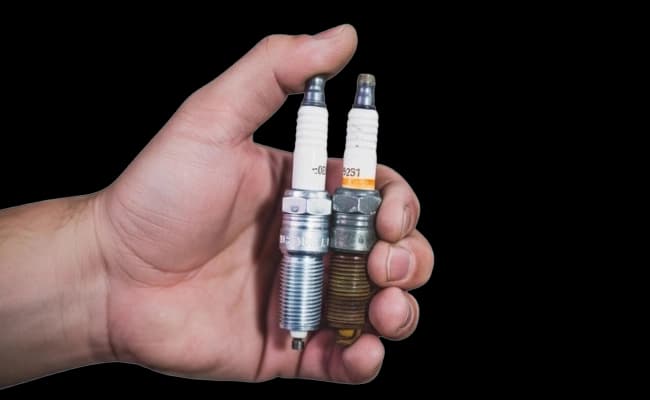
Zenfo Auto Services provides complete Jeep spark plug replacement, COP inspection, ignition timing verification, and full ignition system servicing for all Jeep models in Musaffah, using OEM-approved components and manufacturer-calibrated diagnostic tools.
- Open daily (Mon – Sun): 09:00 – 21:00
- Musaffah Industrial Area, M9, Abu Dhabi
- Years of Experience
- 10+Years of Experience
- Satisfied Clients
- 100%Satisfied Clients
- Pickup & Delivery Service
- 24/7Pickup & Delivery Service
- Quick Service
- 2xQuick Service
- 4.9 ★ Google reviews
- Free pick-up & delivery
- OEM-grade parts
- 12-month repair warranty
- Written estimate before any work
- Jeep-specific diagnostic software
- Certified Jeep technicians
- 24/7 breakdown assistance
- Same-day slots available
Why Choose Zenfo Auto Services for Jeep Spark Plug Replacement in Musaffah?
Our ignition system technicians follow OEM torque specifications, correct electrode gap settings, and manufacturer-recommended plug types for every Jeep engine platform. Each replacement uses calibrated gap gauges, torque wrenches, and OBD-II scan tools to confirm ignition timing and combustion efficiency meet factory benchmarks.
Certified Jeep Ignition System Technicians
Technicians are trained on Jeep ignition systems, combustion control, and PCM-managed timing strategies across multiple engine platforms. Every replacement follows OEM procedures covering electrode inspection, ignition coil testing, torque specifications, and live ignition performance verification using diagnostic scan equipment.
Genuine OEM Spark Plugs and Advanced Diagnostic Equipment
Only OEM-approved iridium, platinum, and double-platinum spark plugs are installed during replacement procedures. Electrode gap measurements and ignition coil resistance values are verified using calibrated testing equipment. OBD-II diagnostic tools confirm ignition timing accuracy and combustion stability after completing installation procedures.
Efficient Spark Plug Service Turnaround
Spark plug replacement on most Jeep petrol engines is completed within two to three hours, depending on engine configuration and access requirements. Additional ignition inspections may extend service time slightly. Multiple vehicles are processed daily without reducing installation accuracy or diagnostic quality.
Clear and Consistent Pricing
All spark plug replacement costs are confirmed before work begins, including labour, OEM plug sets, and ignition system diagnostics. Customers receive a written service report listing gap measurements, torque values, ignition findings, and completed inspection procedures after vehicle handover.
Jeep Spark Plug & Ignition System Services We Provide
Ignition System Diagnostic and Fault Code Scanning
Jeep ignition systems are tested using OBD-II diagnostic tools that retrieve active and stored misfire fault codes. Live data from crankshaft, camshaft, and knock sensors is reviewed carefully. Diagnostic analysis identifies ignition, fuelling, or combustion faults before replacement procedures begin.
Spark Plug Removal and Electrode Condition Inspection
Existing spark plugs are removed carefully and inspected for carbon deposits, electrode erosion, overheating, and porcelain damage. Electrode wear beyond Jeep service limits confirms replacement requirements. Plug thread condition and combustion patterns are assessed before new ignition components are installed.
OEM Spark Plug Installation and Torque Setting
New OEM spark plugs are installed according to Jeep engine specifications covering thread engagement, seating depth, and torque values. Hand-threading prevents cylinder head thread damage during installation. Final torque is applied using calibrated tools to maintain correct combustion sealing performance.
Coil-On-Plug (COP) Inspection and Replacement
Coil-on-plug ignition units are tested for electrical resistance, insulation condition, and stable ignition output during engine operation. Cracked boots and carbon tracking reduce spark efficiency significantly. Faulty ignition coils are replaced using OEM-compatible assemblies matched to the correct Jeep engine platform.
Spark Plug Gap Setting and Verification
Correct spark plug gap is essential for stable combustion, ignition timing, and fuel efficiency across Jeep petrol engines. Wire-type feeler gauges confirm precise gap measurements before installation. Each plug is adjusted carefully within OEM tolerance limits to maintain combustion consistency.
Ignition Timing Verification and PCM Live Data Review
PCM live data is reviewed after installation to confirm stable ignition timing and proper combustion performance under operating conditions. Timing advance values and knock retard activity are monitored carefully. Any abnormal ignition correction behaviour is investigated before vehicle delivery and road clearance.
Throttle Body and Intake Air System Inspection
Throttle body carbon deposits and airflow restrictions affect air-fuel ratio balance and ignition performance during engine operation. Intake components are inspected carefully for contamination and airflow obstruction. Controlled throttle body cleaning restores airflow consistency and improves idle stability after ignition servicing.
Fuel Injector Flow Check During Plug Service
Fuel injector performance is reviewed during spark plug servicing to identify rich-running or uneven combustion conditions across cylinders. Fuel trim values and injector balance are analysed carefully. Injectors showing abnormal flow deviation are flagged for cleaning or replacement recommendations during inspection.
Oxygen Sensor and Emissions System Inspection
Oxygen sensors regulate closed-loop fuel control and directly influence spark plug operating conditions during combustion cycles. Slow sensor response increases fuel mixture imbalance and electrode fouling. Live sensor switching data is reviewed carefully to confirm stable emissions system operation.
Engine Compression Test Post-Installation
Compression testing confirms balanced combustion chamber pressure and proper cylinder sealing performance after spark plug replacement procedures. Cylinder readings are compared carefully across the engine bank. Low compression values indicate possible valve, piston ring, or sealing problems requiring additional diagnosis.
Vacuum and Intake Manifold Leak Detection
Vacuum leaks introduce unmetered air into the intake system, causing lean combustion and ignition misfires during engine operation. Vacuum hoses and intake manifold seals are inspected carefully. Smoke testing is performed when airflow leakage is suspected during diagnostic inspection procedures.
PCV System Inspection During Ignition Service
The PCV system regulates crankcase pressure and prevents excessive oil vapour contamination inside combustion chambers during engine operation. Restricted PCV flow increases spark plug fouling significantly. Valve operation and airflow condition are inspected carefully during every ignition system service procedure.
Full Ignition System Service and Tune-Up
A complete ignition service includes spark plug replacement, ignition coil testing, throttle body inspection, PCV assessment, and OBD-II diagnostics. Air filter condition and combustion performance are reviewed carefully. Final testing confirms stable ignition operation, fuel balance, and smooth engine response.
How to Book a Jeep Spark Plug Replacement at Zenfo Auto Services?
Booking a spark plug replacement at our Musaffah workshop follows a straightforward three-step process.
Book a slot
Talk to a Jeep technician, not a contact form
Call or message the workshop and you will speak to someone who works on Jeeps every day. You get a written, itemised estimate before any work starts, and nothing is charged beyond it.
What to send us
- Your Jeep model and year, such as Wrangler JL or Grand Cherokee WK2
- The fault or service you need, plus any warning lights or noises
- Photos or a short video of the problem, if you have them
- Your preferred drop-off day; same-day slots are usually available
- WhatsApp+971 52 515 0820Fastest reply; send photos of the fault
- Call the workshop+971 52 515 0820Same-day slots for oil, brakes, battery and AC
- Emailinfo@zenfoautoservices.aeWritten response within 4 business hours
- Walk in, no appointment neededNear 21, As Salami 8 St, Musaffah Industrial Area, M9, Abu Dhabi, United Arab EmiratesGet directions on Google Maps
Share Your Jeep Details
Provide your Jeep's model, year, current mileage, and any ignition-related symptoms you have noticed, such as rough idle, misfires, or increased fuel consumption. This allows our technicians to prepare the correct OEM plug set and diagnostic tools before your vehicle reaches the workshop.
Make a Booking
Select a date and time that fits your schedule. Same-day and next-day appointments are available, and free pickup and delivery service is offered across Musaffah for customers who prefer not to bring their Jeep in directly.
We Repair
Our certified technicians complete the spark plug replacement and full ignition inspection, then provide a written service report covering all measurements, findings, and replaced components. You are kept informed throughout the process, including any additional ignition or engine concerns identified during the assessment.
What you get
Key Features We Provide
- Experienced & Certified Mechanics
- 24/7 Breakdown Assistance
- Timely & Efficient Delivery
- Instant Price Quotes
- Free Pickup & Delivery
- Repair Warranty on All Services
When Does Your Jeep Need a Spark Plug Replacement?
The following symptoms indicate that your Jeep's spark plugs require professional inspection or replacement. Identifying these signs early prevents damage to the ignition coils, catalytic converter, and engine internals.
| Issue | Symptoms / Signs | Possible Cause | Recommended Solution |
|---|---|---|---|
| Engine Misfire | Rough idle, stumble under acceleration, flashing MIL | Worn electrode gap, fouled plug tip, or failed COP unit | Compression test, plug inspection, COP resistance test |
| Poor Fuel Economy | Increased fuel consumption between fill-ups | Degraded combustion efficiency from a worn electrode | Plug gap check, AFR sensor inspection, fuel trim review |
| Difficult Cold Start | Extended cranking before the engine fires | Wide electrode gap reduces spark energy at low temperatures | Full plug set replacement with OEM iridium units |
| Check Engine Light | MIL illuminated with misfire DTCs P0300–P0308 | Cylinder-specific misfire from plug or coil failure | OBD-II scan, live data review, targeted plug and coil inspection |
| Rough or Unstable Idle | Fluctuating RPM at idle, engine hunting | Partial misfire from a fouled plug tip or a cracked COP boot | Plug removal inspection, boot condition check, idle data review |
| Reduced Acceleration | Flat throttle response, hesitation under load | Weak spark from eroded iridium tip or widened gap | Gap measurement, plug replacement, timing advance verification |
| Black Sooty Deposits on Plugs | Carbon fouling is visible on the removed plug tips | Rich fuel mixture from injector overspray or failed PCV valve | Fuel trim analysis, injector flow test, PCV system check |
| Oil-Fouled Spark Plugs | Oil contamination on the plug tip and the insulator | PCV valve failure or worn valve stem seals, forcing oil past guides | PCV inspection, valve seal assessment, compression leakdown test |
Our services
Our Jeep Services in Mussafah
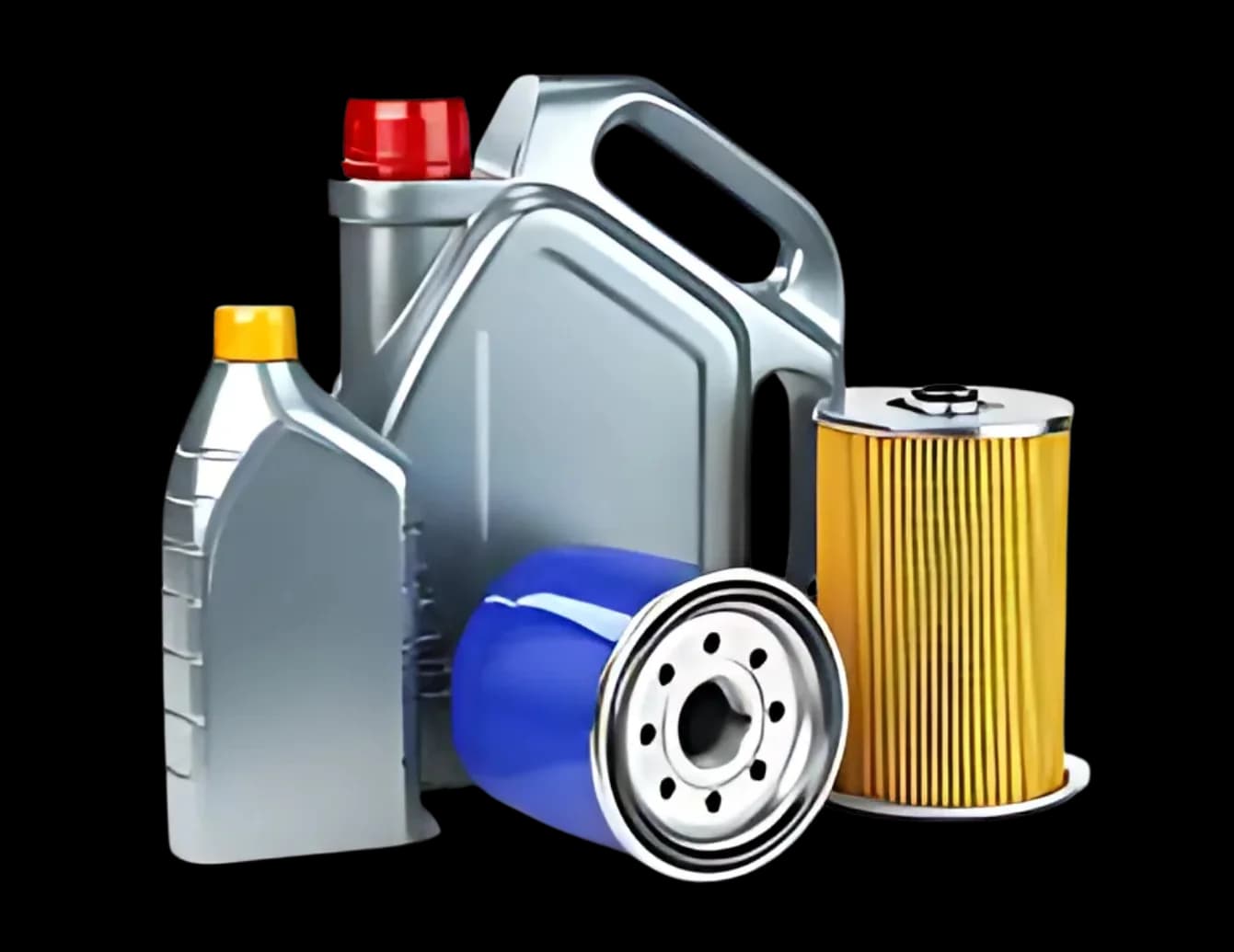
Major and Minor Services
Don't wait until it's too late! Book your Jeep major or minor service at Zenfo Auto Services, Musaffah. Genuine parts, transparent pricing & fast turnaround guaranteed.
Learn more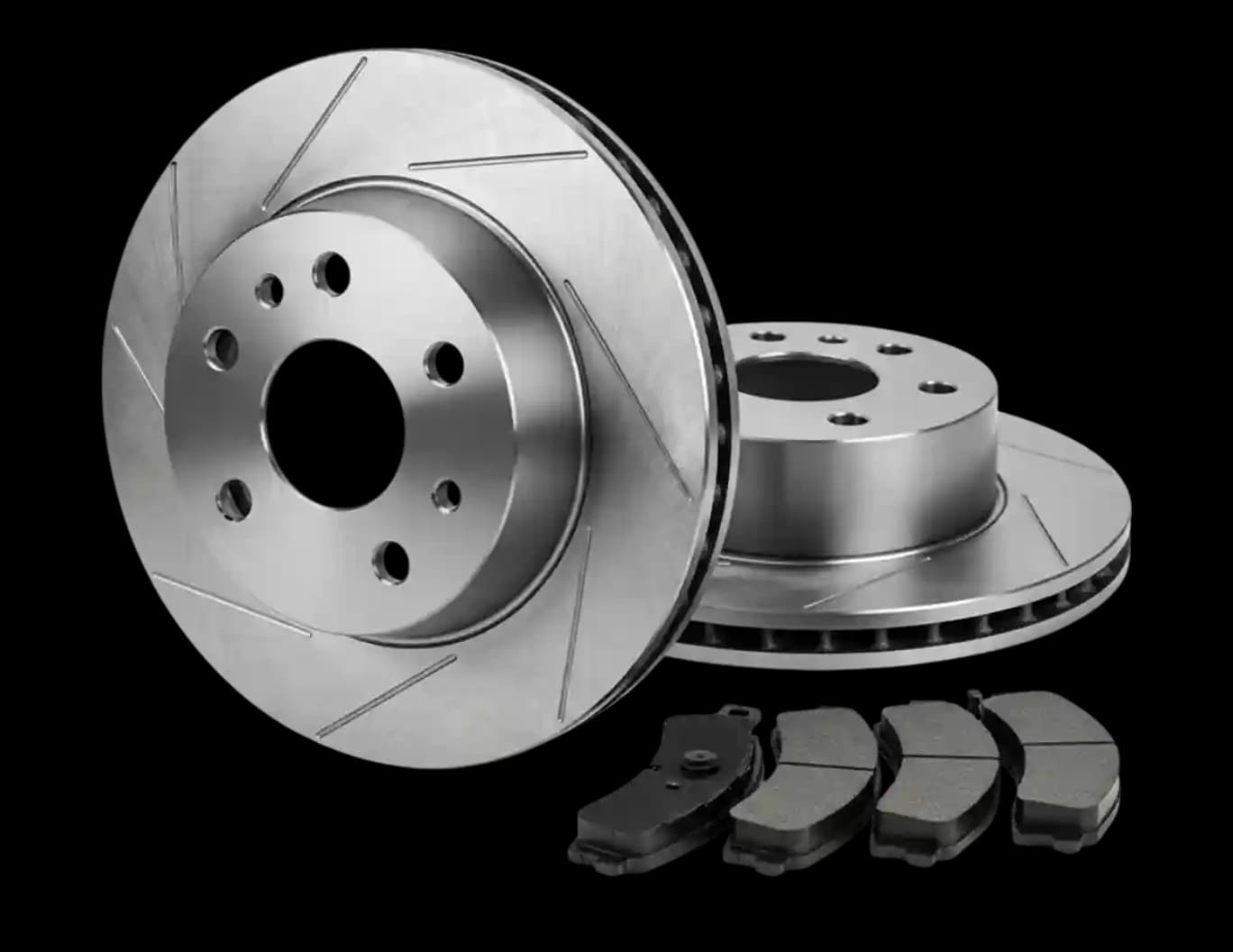
Brake Pad Replacement
Get professional Jeep brake pad replacement and full brake system servicing at Zenfo Auto Services, Musaffah. OEM parts, certified technicians, and transparent pricing.
Learn more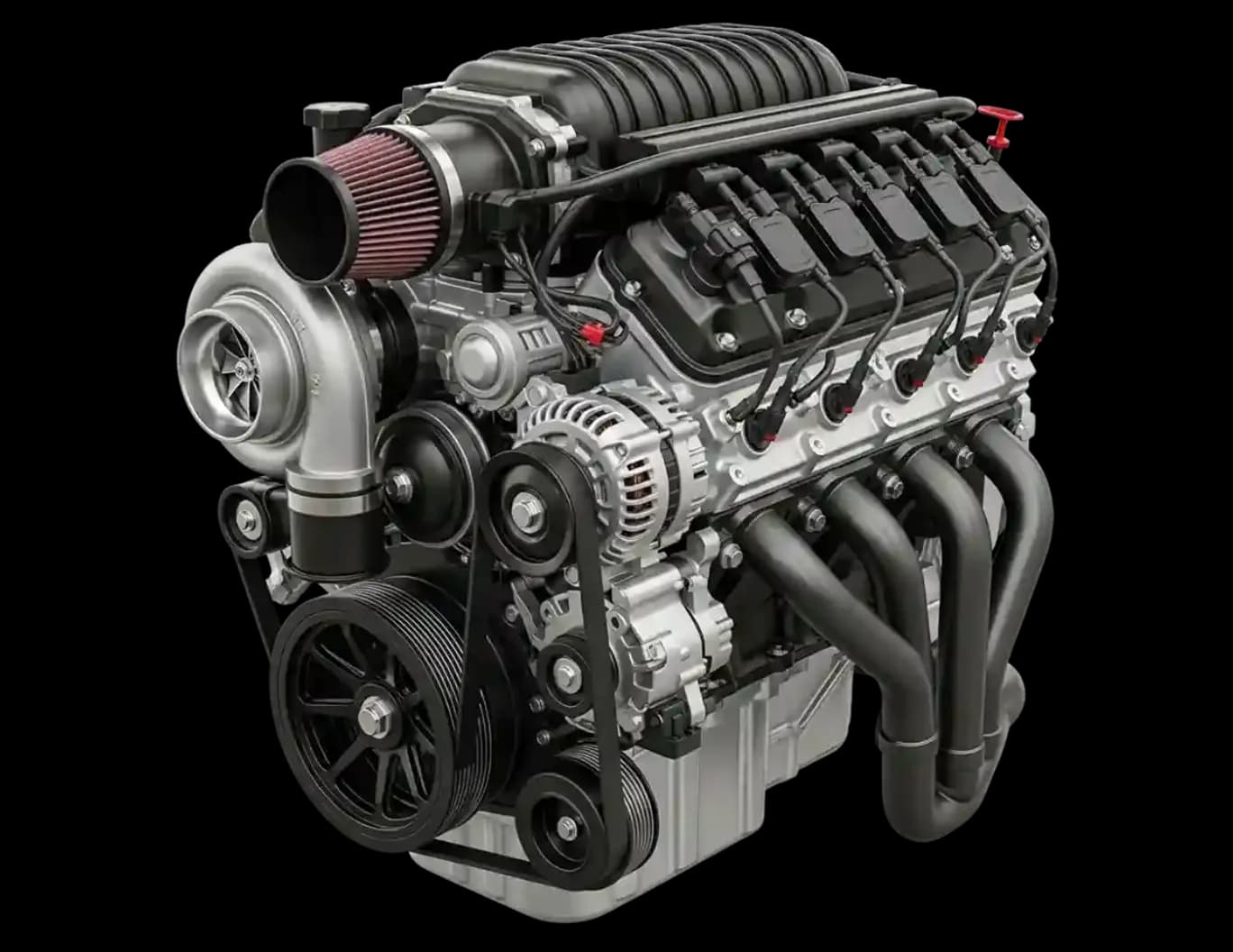
Engine Repair
Zenfo Auto Services provides certified Jeep engine repair in Musaffah, covering diagnostics, timing chain service, rebuilds, and overhauls. Book Now!
Learn more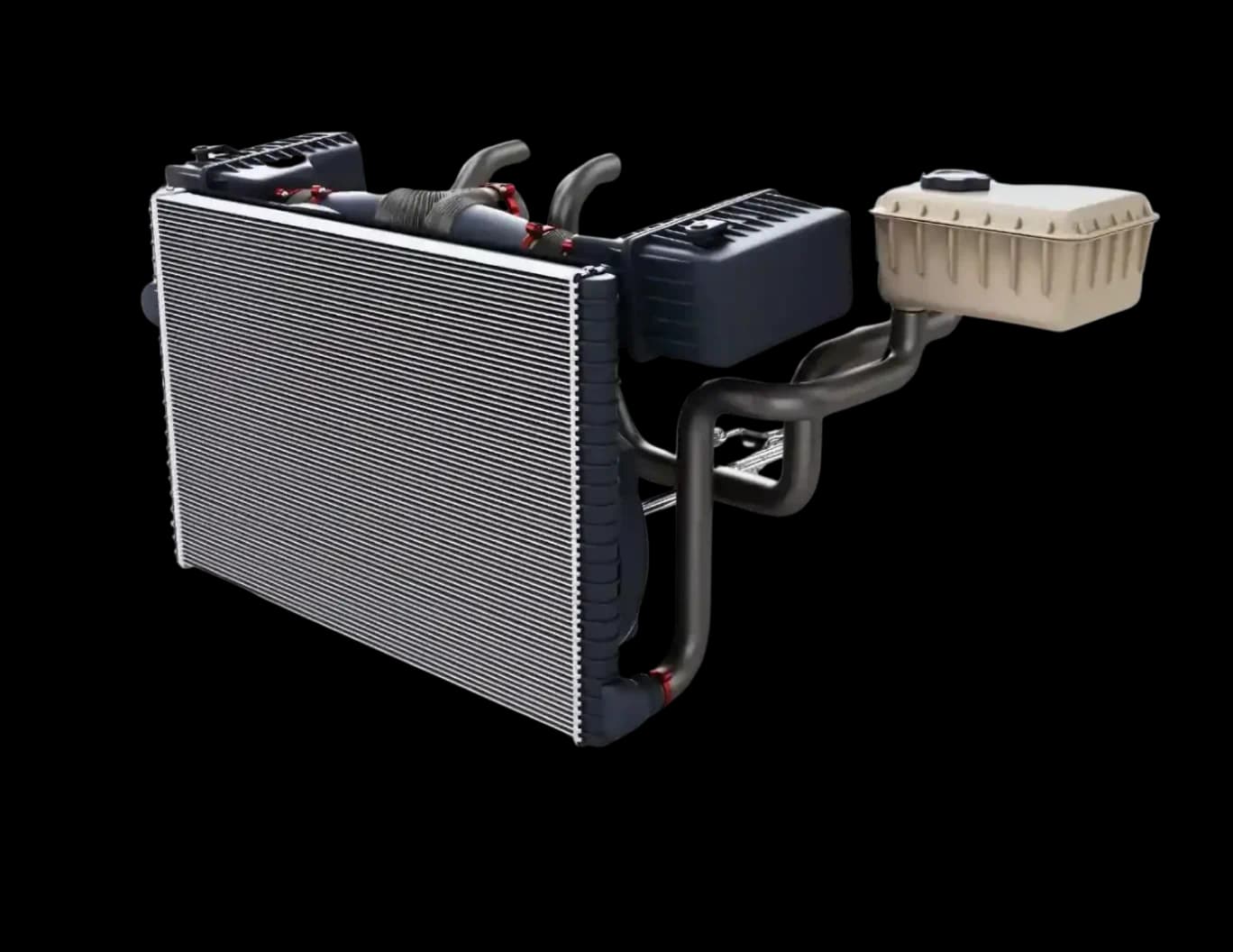
Radiator Repair
Zenfo Auto Services offers Jeep radiator repair in Musaffah, covering leak detection, coolant flush, and full cooling system diagnostics. Book your slot now!
Learn more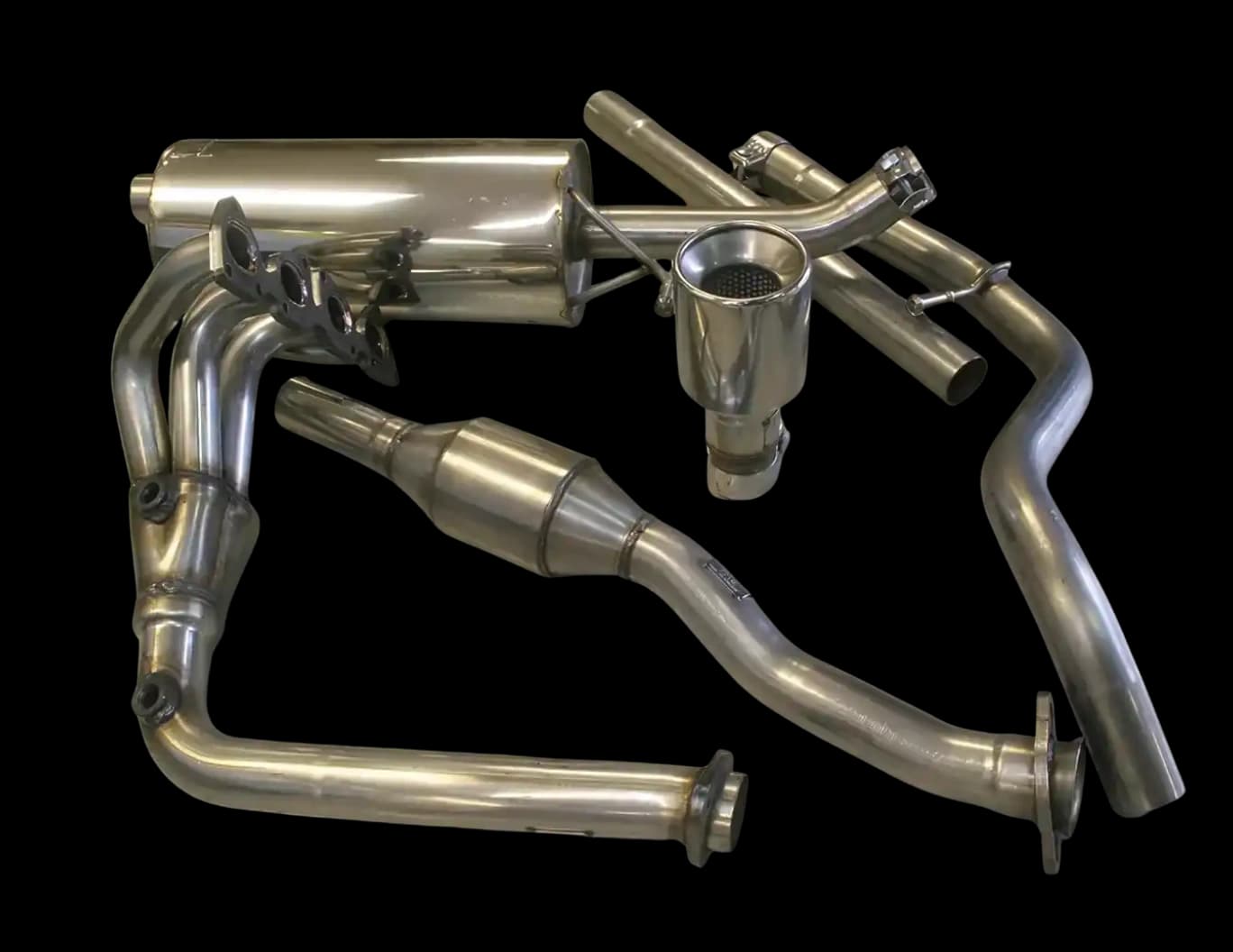
Exhaust Repair
Zenfo Auto Services offers complete Jeep exhaust repair in Musaffah, covering catalytic converters, DPF cleaning, manifold replacement, and full diagnostics.
Learn more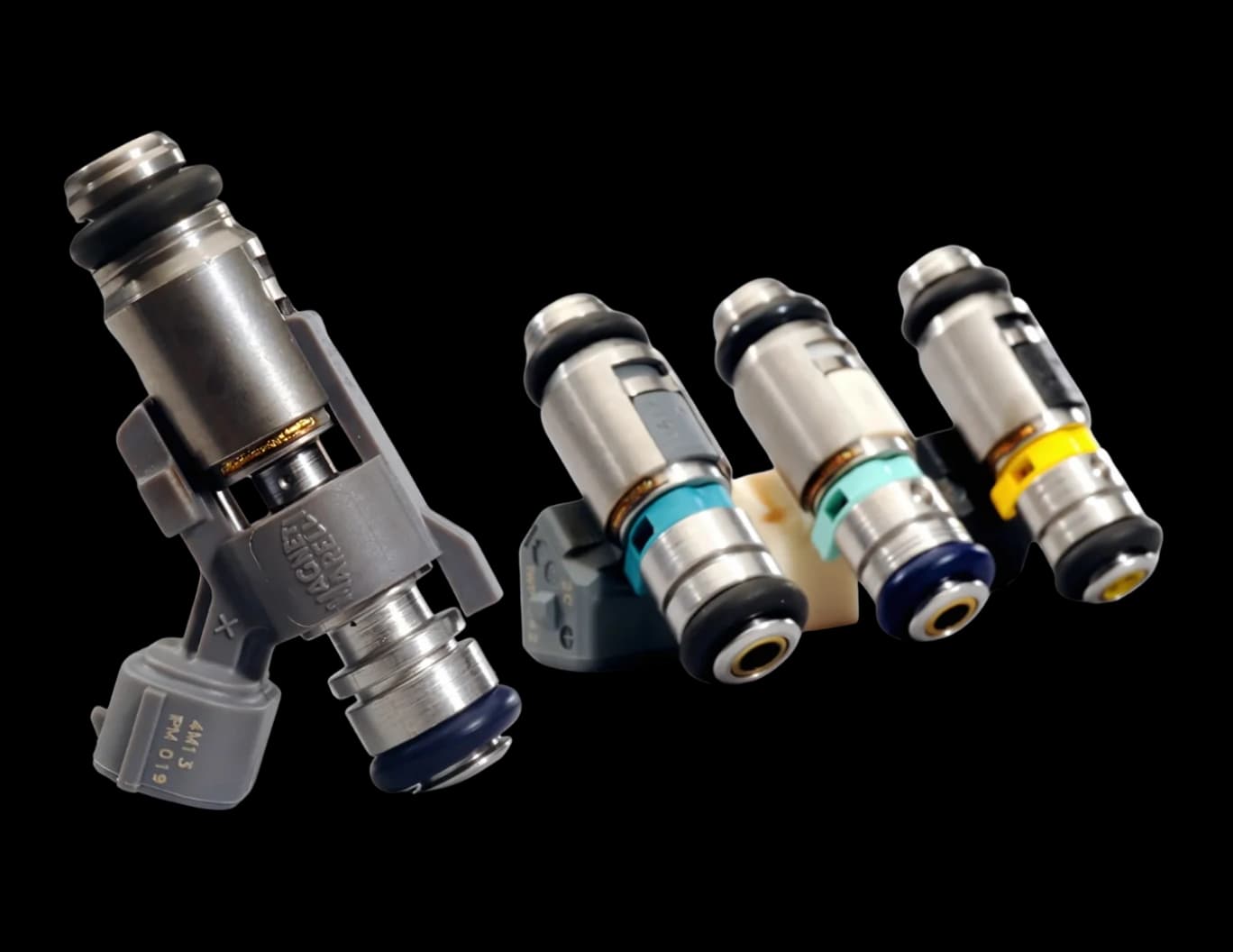
Fuel Injector Cleaning
Professional Jeep fuel injector cleaning and full fuel system servicing at Zenfo Auto Services, Musaffah. OEM parts, certified technicians, and upfront pricing.
Learn more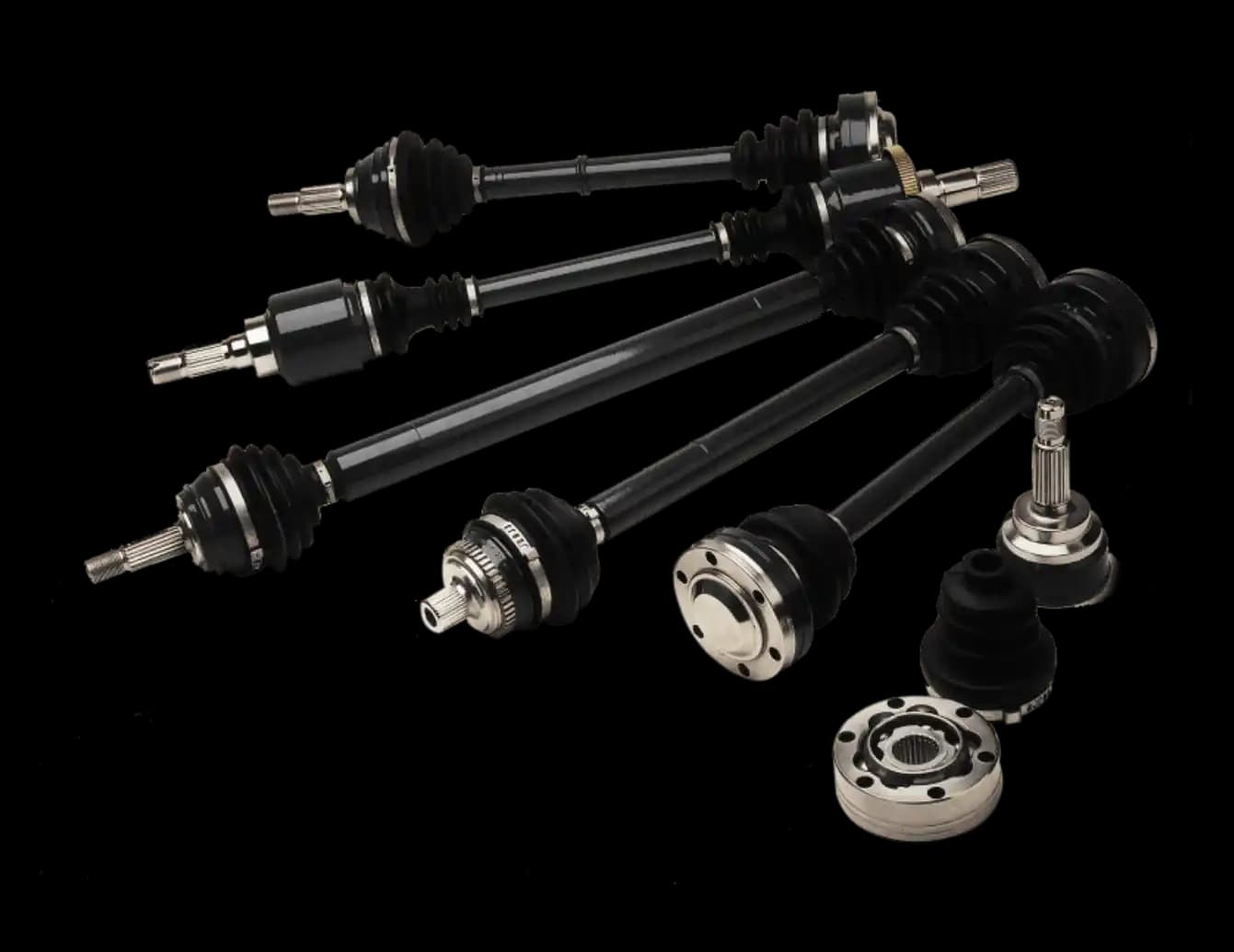
Driveshaft Repair
Zenfo Auto Services provides complete Jeep driveshaft repair in Musaffah, covering CV joint replacement, U-joint overhaul, prop shaft balancing, and diagnostics.
Learn more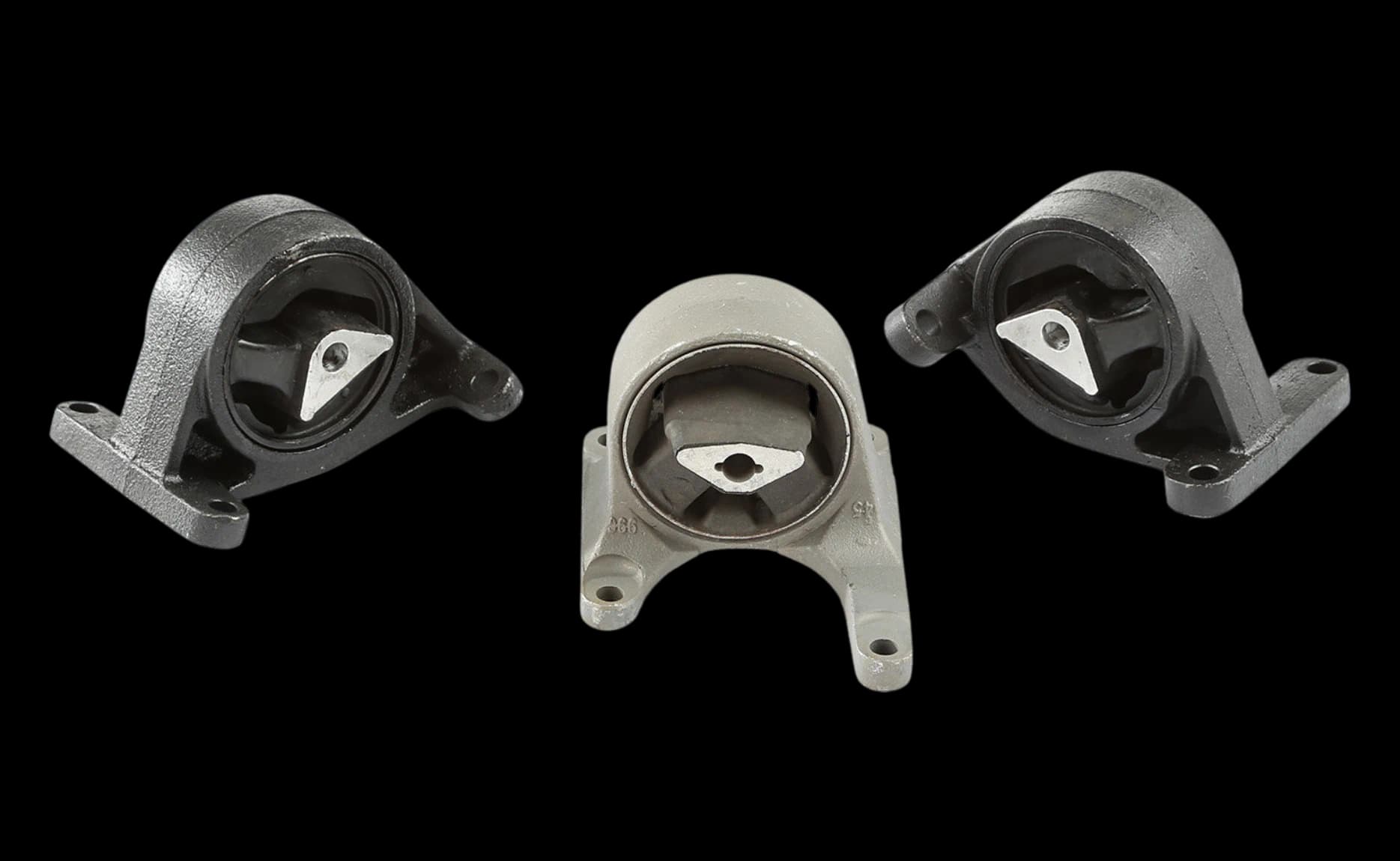
Engine Mount Replacement
Zenfo Auto Services provides certified Jeep engine mount replacement in Musaffah. OEM-grade rubber and hydraulic mounts, torque-spec installation, and inspection.
Learn more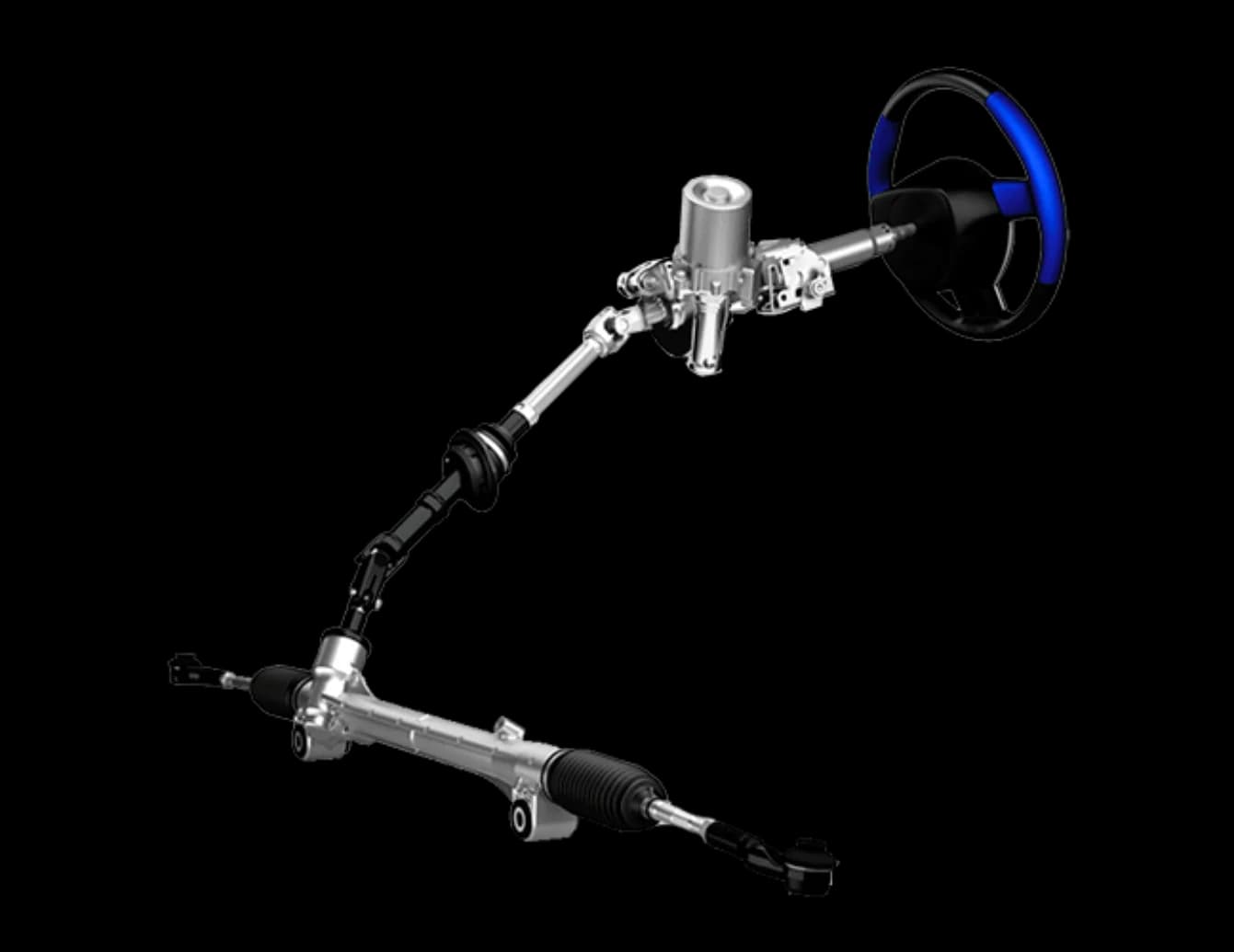
Steering Repair
Zenfo Auto Services provides Jeep steering repair in Musaffah, covering rack and pinion, EPS faults, tie rod replacement, and steering diagnostics. Book now!
Learn more
Leak Repair
Certified Jeep leak repair in Musaffah at Zenfo Auto Services. Engine oil, coolant, transmission and power steering leaks diagnosed by pressure testing.
Learn more
Benefits of Professional Jeep Spark Plug Servicing
Replacing spark plugs at the correct interval and with OEM-specified components delivers measurable improvements in combustion efficiency, fuel economy, and long-term ignition system reliability.
| Benefit | Description | Impact |
|---|---|---|
| Restored Combustion Efficiency | Fresh iridium plugs with correct electrode gap restore full flame kernel formation in each cylinder | An engine with correctly gapped OEM plugs produces combustion chamber pressure within 3% of the factory specification |
| Improved Fuel Economy | Complete combustion reduces unburned fuel passing through to the exhaust system | A correctly functioning ignition system maintains the stoichiometric AFR of 14.7:1, reducing fuel consumption by up to 7% compared to a degraded plug set |
| Extended Catalytic Converter Life | Misfires caused by worn plugs send unburned fuel into the catalytic converter, raising its operating temperature above the 900°C damage threshold | Timely plug replacement protects the catalytic substrate from thermal damage and extends converter service life |
| Reduced Cold Start Wear | New plugs with correct electrode geometry produce reliable ignition on the first compression stroke at cold temperatures | Consistent cold starts reduce the cranking cycle duration, lowering wear on the starter motor and flywheel ring gear |
| Lower Long-Term Ignition Costs | Replacing plugs at the recommended interval of 60,000 km for iridium units prevents accelerated coil wear caused by elevated secondary voltage demands | Addressing plug wear at correct intervals reduces total ignition system repair costs by up to 40% compared to deferred replacement |
| Accurate PCM Fuel Mapping | Clean plugs and functioning O2 sensors allow the PCM to maintain precise short-term and long-term fuel trim values within ±5% | Correct fuel trim operation reduces hydrocarbon (HC) and carbon monoxide (CO) emissions, keeping the vehicle within regional emissions standards |
| Smoother Power Delivery | Consistent spark timing across all cylinders eliminates the hesitation and stumble caused by partial misfire conditions. | Uniform combustion across all cylinders restores throttle response and removes the flat spots experienced during acceleration. |
Maintenance Tips After Jeep Spark Plug Replacement
Following these practices after a spark plug replacement helps maintain ignition system performance and extends the service life of the new components.
- Follow the OEM Plug Replacement Interval: Iridium spark plugs on Jeep engines are rated for 60,000 km, though turbocharged models in stop-start Musaffah driving benefit from inspection at 45,000 km.
- Use Only the Specified Plug Grade and Heat Range: Each Jeep engine requires a plug heat range matched to its combustion chamber temperature, as an incorrect rating causes pre-ignition or carbon fouling.
- Monitor Fuel Consumption After Plug Replacement: Any noticeable drop in fuel economy within the first 1,000 km after a plug service indicates a residual fuelling issue requiring a follow-up diagnostic.
- Check for Warning Lights During the First 500 km: A returning misfire DTC between P0300 and P0308 within 500 km of plug replacement points to an unresolved coil fault, compression issue, or fuelling problem.
- Keep to the Correct Engine Oil Grade: Oil vapours from a worn PCV valve foul plug tips within 5,000 to 8,000 km, so using SAE 5W-20 or SAE 0W-20 per engine spec reduces contamination risk.
- Schedule a Follow-Up Inspection at 1,000 km Post-Service: A short post-service check confirms stable compression readings, no stored misfire codes, and fuel trim values operating within the acceptable ±5% range.
- Avoid Prolonged Idling After a New Plug Installation: Extended idling within the first 500 km prevents new plugs from reaching their self-cleaning temperature of 450°C, causing early carbon deposit accumulation on the electrode tip.
Jeep Models, We Service in Musaffah
Zenfo Auto Services provides spark plug replacement and full ignition system servicing for the complete range of Jeep models at our Musaffah workshop.
Portfolio
Our Recent Work
Tap any photo to view the full set.
Questions answered
Frequently Asked Questions
What does a Jeep spark plug replacement service at your workshop include?
A standard spark plug replacement covers OBD-II fault code scanning, removal and electrode condition inspection of each plug, gap verification against OEM specifications, COP unit resistance testing, new OEM plug installation to the correct torque value, and a post-installation compression test and live data review to confirm correct ignition system operation.
How do I know if my Jeep needs new spark plugs or just a coil replacement?
Misfire codes P0300 through P0308 indicate a cylinder-specific combustion fault. If the misfire follows the same cylinder after swapping the COP unit to a different cylinder, the coil is the fault source. If the misfire remains on the original cylinder after the coil swap, the spark plug, compression, or fuelling in that cylinder requires further investigation. Both components are inspected during a standard ignition service.
What spark plug type does my Jeep require?
Plug specification varies by engine code. The 3.6L Pentastar V6 uses a fine-wire iridium plug with a 1.0 mm electrode gap. The 2.0L turbocharged four-cylinder requires a projected-tip iridium plug gapped to 0.9 mm. The 6.4L HEMI V8 uses a platinum plug set gapped to 1.07 mm. The correct part number and heat range are always confirmed from the engine bay label before installation.
How long does a Jeep spark plug replacement take?
A full plug replacement for the 3.6L Pentastar V6 or the 2.0L turbocharged engine takes 1.5 to 2.5 hours. The 6.4L HEMI V8 requires additional access work and takes approximately 2.5 to 3.5 hours. A combined plug and coil replacement on the same vehicle adds approximately 30 to 45 minutes to the standard service time.
Do you replace the coil-on-plug units during a spark plug service?
COP units are tested for primary and secondary winding resistance during every plug replacement. Units with resistance values outside the OEM specification or boots showing cracking and carbon tracking are replaced. Replacing plugs without checking the COP condition on a high-mileage engine risks premature plug fouling caused by an electrically degraded coil that was not generating sufficient secondary voltage for complete combustion.
Can you reset the check engine light after a spark plug replacement?
Yes. All misfire-related DTCs are cleared using an OBD-II scan tool after the fault has been repaired and verified. The MIL is only extinguished after a completed drive cycle confirms that the misfire monitor has run without detecting a recurrence, confirming the repair is effective under normal operating conditions.
How often should spark plugs be replaced on a Jeep?
OEM iridium plugs fitted to most Jeep petrol engines are rated for replacement at 60,000 km intervals under standard driving conditions. Turbocharged variants and vehicles used predominantly in stop-start urban conditions are recommended for plug inspection at 45,000 km. Copper plug sets, where applicable on older models, require replacement at 25,000 to 30,000 km intervals.
Do you service the ignition systems on turbocharged Jeep models?
Yes. Turbocharged Jeep engines, including the 2.0L unit in the Grand Cherokee and Wrangler variants, require specific projected-tip plug designs suited to the higher combustion chamber pressures produced by forced induction. Our technicians use the correct OEM plug specification and torque values for turbocharged platforms and confirm boost pressure and fuelling parameters via live OBD-II data after the ignition service is completed.
Need your Jeep looked at today?
Same-day slots for battery, oil service, brake pads, tyre fitting, AC recharge and ECU coding. Written estimate before any work begins.
Near 21, As Salami 8 St, Musaffah Industrial Area, M9, Abu Dhabi, United Arab Emirates