Zenfo Auto Services · Mussafah
Jeep Oil Change & Engine Lubrication Service in Musaffah
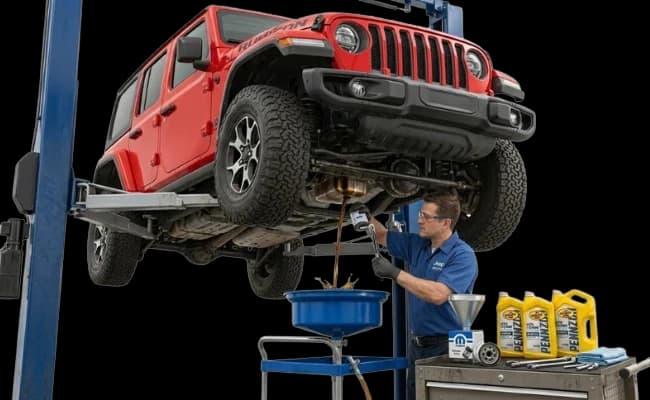
Zenfo Auto Services performs complete Jeep oil change services in Musaffah, covering oil viscosity selection, filter replacement, drain plug inspection, lubrication system diagnostics, and multi-point engine checks using OEM-grade fluids and certified technicians.
- Open daily (Mon – Sun): 09:00 – 21:00
- Musaffah Industrial Area, M9, Abu Dhabi
- Years of Experience
- 10+Years of Experience
- Satisfied Clients
- 100%Satisfied Clients
- Pickup & Delivery Service
- 24/7Pickup & Delivery Service
- Quick Service
- 2xQuick Service
- 4.9 ★ Google reviews
- Free pick-up & delivery
- OEM-grade parts
- 12-month repair warranty
- Written estimate before any work
- Jeep-specific diagnostic software
- Certified Jeep technicians
- 24/7 breakdown assistance
- Same-day slots available
Why Choose Zenfo Auto Services for Jeep Oil Change in Musaffah?
Certified Jeep Lubrication Technicians
Technicians are trained on Jeep engine lubrication systems, including Pentastar, turbocharged, and HEMI platforms. Every service follows OEM inspection procedures covering oil pressure, viscosity levels, PCV operation, and lubrication circuit performance before the vehicle is returned.
Genuine OEM Fluids & Specialist Equipment
Only OEM-approved engine oils that meet Jeep viscosity and API standards are used at every service. Advanced equipment, including viscosity testers, torque wrenches, and OBD-II scan tools, verifies oil pressure, lubrication flow, and engine temperature performance after completion.
Efficient Oil Change Service Turnaround
Standard oil and filter replacement takes 30 to 60 minutes on most Jeep petrol models. Full-service oil changes and engine flush procedures are completed efficiently while maintaining accurate inspections, proper drain verification, and correct fluid fill measurements.
Clear and Consistent Pricing
All oil change costs are confirmed before work begins, including labour, oil grade, filters, and disposal charges. Customers receive a written service report listing oil specifications, filter details, drain plug torque values, and lubrication system inspection findings.
Jeep Oil Change Services We Provide
Full Synthetic Engine Oil Replacement
Full synthetic oil maintains stable lubrication performance across extreme operating temperatures and high engine loads. Used oil is drained completely, while the sump is inspected for contamination before fresh OEM-approved oil is filled to the correct specification.
Semi-Synthetic & Conventional Oil Service
Semi-synthetic and conventional oils are used on older Jeep engines requiring higher viscosity grades. Oil volume is measured according to OEM capacity specifications. Correct fill levels prevent excessive crankcase pressure, seal wear, and lubrication system imbalance during operation.
Oil Filter Replacement
The oil filter removes harmful contaminants from the engine lubrication system during normal operation. Clogged filters reduce oil flow and increase internal wear rates. OEM-approved spin-on or cartridge filters are installed during every oil change service for proper filtration.
Engine Oil Flush Service
Engine flush service removes sludge and carbon deposits from oil galleries, valve train areas, and the sump. A safe flushing solvent circulates during idle operation before complete draining. Fresh engine oil and a new filter restore clean lubrication flow.
Oil Pressure Diagnostic & PCM Check
Low oil pressure warnings indicate possible lubrication system faults affecting engine protection and performance. Diagnostic scans retrieve pressure-related fault codes and live sensor readings. Physical gauge testing confirms proper oil pump operation and correct lubrication pressure throughout the engine.
Drain Plug & Sump Inspection
The drain plug and sump threads are inspected during every oil change procedure to prevent future leakage issues. Correct torque values maintain a secure seal without damaging aluminium sump threads. New sealing washers are fitted to ensure leak-free operation.
Differential & Transfer Case Oil Change
Differential and transfer case fluids lubricate gears, bearings, and drivetrain components on Jeep four-wheel-drive models. Old fluid increases wear and operating temperature under heavy load conditions. Fluid replacement restores proper lubrication protection and helps maintain drivetrain reliability during operation.
Transmission Fluid Service
Transmission fluid service maintains smooth gear engagement, hydraulic pressure stability, and internal component lubrication. The used fluid is drained completely, while the filter and gasket are replaced. Fresh ATF fluid is filled according to Jeep transmission capacity specifications afterward.
Power Steering Fluid Top-Up & Inspection
Power steering fluid condition is checked for contamination, oxidation, and proper reservoir level during every service visit. Degraded fluid increases steering pump wear and operating temperature. Electric steering systems are also scanned for diagnostic faults during inspections.
Coolant Level & Condition Check
Coolant concentration and condition are tested to maintain proper engine temperature control and corrosion protection. Low coolant levels increase overheating risks and aluminium component damage. Freeze and boiling protection levels are verified using a refractometer during inspection procedures.
Air Filter Inspection & Replacement
The engine air filter is checked for dirt accumulation, airflow restriction, and overall filtration performance. A clogged filter increases fuel consumption and affects engine efficiency. Replacement is recommended when airflow restriction exceeds manufacturer-approved operating limits during testing procedures.
Brake Fluid Condition Check
Brake fluid absorbs moisture over time, reducing boiling point and braking performance under repeated heavy use. Fluid condition is tested using a digital moisture tester during every service interval. Replacement is recommended when water contamination exceeds safe operating limits.
Battery Terminal & Electrical Check
Battery terminals are inspected for corrosion, loose connections, and voltage drop during routine oil change services. Electrical testing confirms proper alternator charging output and cold cranking performance. A stable voltage supply supports reliable PCM operation and charging system efficiency.
How to Book a Jeep Oil Change Service at Zenfo Auto Services?
Scheduling a Jeep oil change at our Musaffah workshop takes three straightforward steps.
Book a slot
Talk to a Jeep technician, not a contact form
Call or message the workshop and you will speak to someone who works on Jeeps every day. You get a written, itemised estimate before any work starts, and nothing is charged beyond it.
What to send us
- Your Jeep model and year, such as Wrangler JL or Grand Cherokee WK2
- The fault or service you need, plus any warning lights or noises
- Photos or a short video of the problem, if you have them
- Your preferred drop-off day; same-day slots are usually available
- WhatsApp+971 52 515 0820Fastest reply; send photos of the fault
- Call the workshop+971 52 515 0820Same-day slots for oil, brakes, battery and AC
- Emailinfo@zenfoautoservices.aeWritten response within 4 business hours
- Walk in, no appointment neededNear 21, As Salami 8 St, Musaffah Industrial Area, M9, Abu Dhabi, United Arab EmiratesGet directions on Google Maps
Share Your Jeep Details
Provide your Jeep model, model year, current mileage, and engine type. This information allows our technicians to prepare the correct OEM oil grade, filter part number, and any additional fluids required before your vehicle arrives at the workshop.
Make a Booking
Select a date and time that suits your schedule. Same-day and next-day appointments are available, and a free pickup and delivery service is offered across Musaffah for customers who prefer not to bring their Jeep in directly.
We Service
Certified technicians carry out the complete oil change service and provide a written service report at job completion. You receive updates at each stage of the service, including any additional findings identified during the multi-point vehicle inspection.
What you get
Key Features We Provide
- Experienced & Certified Mechanics
- 24/7 Breakdown Assistance
- Timely & Efficient Delivery
- Instant Price Estimates
- Free Pickup & Delivery
- Service Warranty on All Oil Change Work
When Does Your Jeep Need a Professional Oil Change?
The following signs indicate that your Jeep engine requires a professional oil service. Addressing these symptoms early prevents accelerated internal wear and engine damage.
| Issue | Symptoms / Signs | Possible Cause | Recommended Solution |
|---|---|---|---|
| Oil Warning Light On | Low oil pressure indicator illuminated; DTC P0520 or P0522 stored | Low oil level; worn oil pump; blocked oil pickup screen | OBD-II scan, oil pressure gauge test, and oil level inspection |
| Dark or Gritty Oil | Oil appears black or thick on the dipstick; visible particulate matter in the oil sample | Overdue oil change; internal carbon deposits; bearing wear debris | Engine oil flush, fresh OEM oil and filter installation |
| Engine Knocking | Metallic knocking or tapping noise at idle or under load | Insufficient oil film at main or rod bearings; low oil pressure | Oil pressure test, bearing inspection, and immediate oil change |
| Increased Fuel Consumption | Fuel economy falls above the normal baseline for the model and engine | Degraded oil viscosity causes increased internal friction | Viscosity test, oil change to OEM-specified grade |
| Oil Leak | Oil stains beneath the vehicle; low dipstick reading between services | Worn drain plug washer; degraded valve cover or sump gasket | Pressure leak test, gasket inspection, and drain plug re-torque |
| Burning Oil Smell | Acrid smell from the engine bay during or after driving | Oil contact with the hot exhaust manifold from an external leak | Visual inspection, engine wash-down, and leak source repair |
| Overheating Engine | Coolant temperature gauge rising above 110°C; cooling fan operating continuously | Low oil level reduces engine thermal management capacity | Oil level check, cooling system inspection, and full oil service |
| Rough Idle | Unstable idle RPM; engine hunting between 600 and 900 RPM | Sludge accumulation in oil galleries reducing flow to VVT solenoids | Engine flush, oil change, and VVT solenoid inspection |
Our services
Our Jeep Services in Mussafah
Major and Minor Services
Don't wait until it's too late! Book your Jeep major or minor service at Zenfo Auto Services, Musaffah. Genuine parts, transparent pricing & fast turnaround guaranteed.
Learn more
Brake Pad Replacement
Get professional Jeep brake pad replacement and full brake system servicing at Zenfo Auto Services, Musaffah. OEM parts, certified technicians, and transparent pricing.
Learn more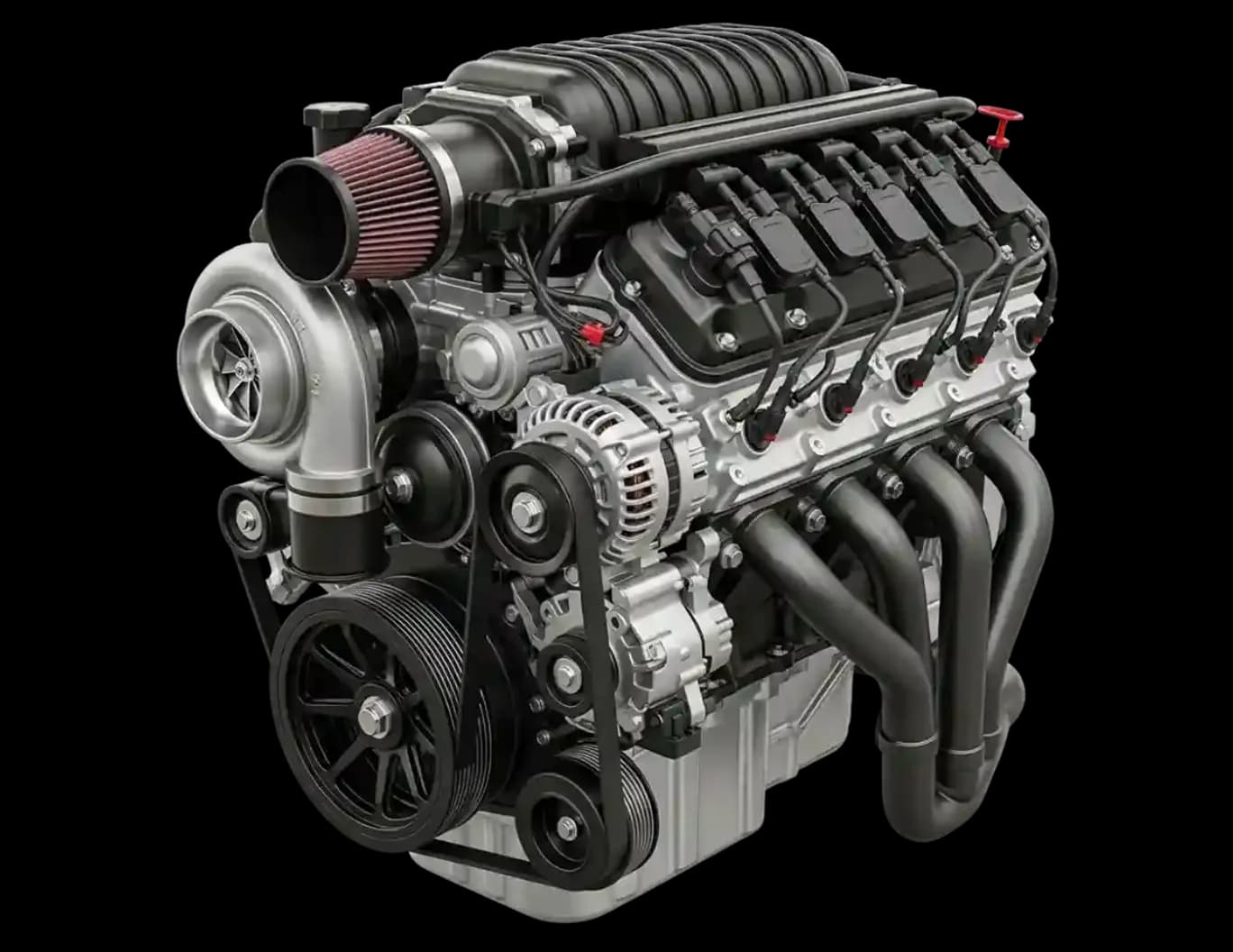
Engine Repair
Zenfo Auto Services provides certified Jeep engine repair in Musaffah, covering diagnostics, timing chain service, rebuilds, and overhauls. Book Now!
Learn more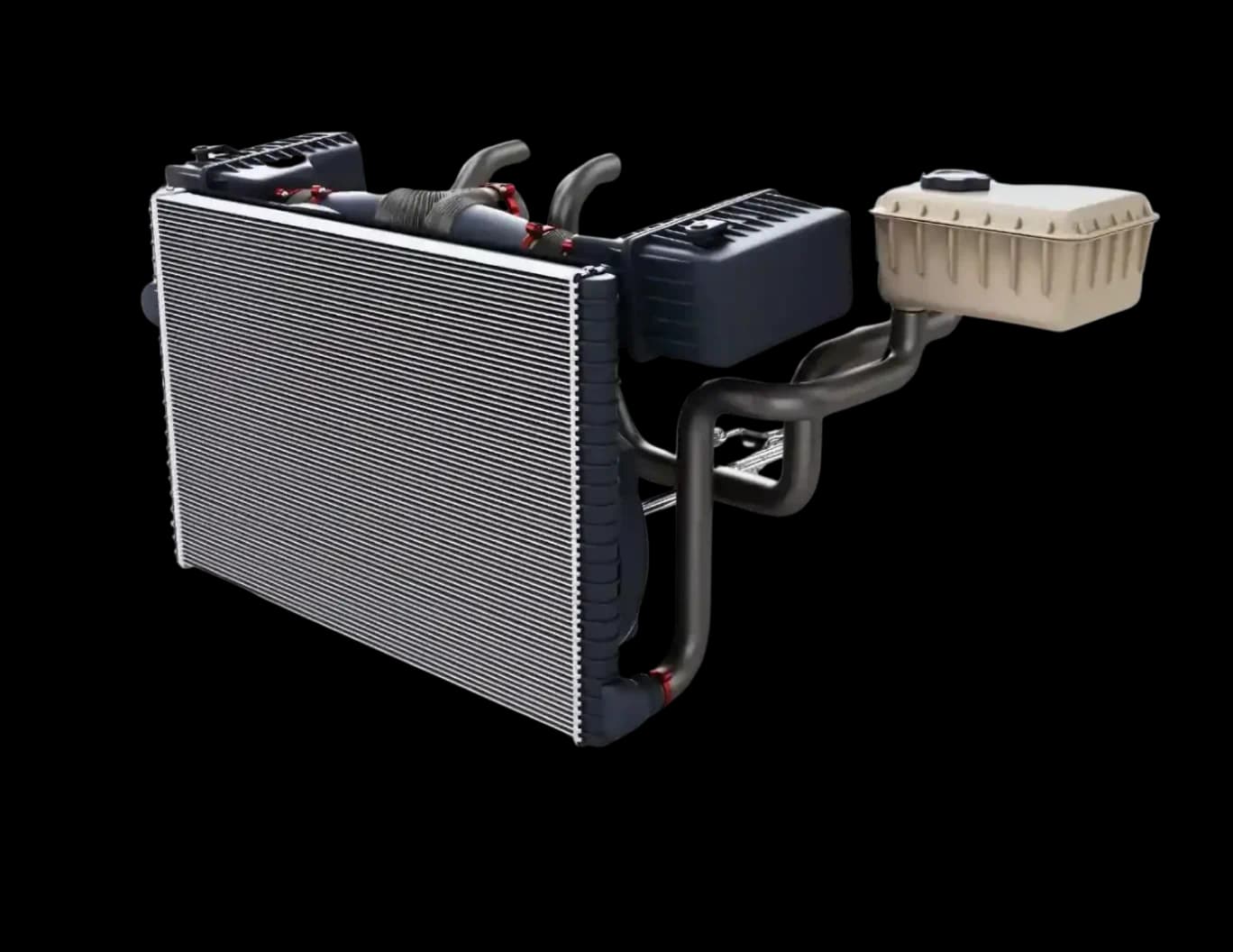
Radiator Repair
Zenfo Auto Services offers Jeep radiator repair in Musaffah, covering leak detection, coolant flush, and full cooling system diagnostics. Book your slot now!
Learn more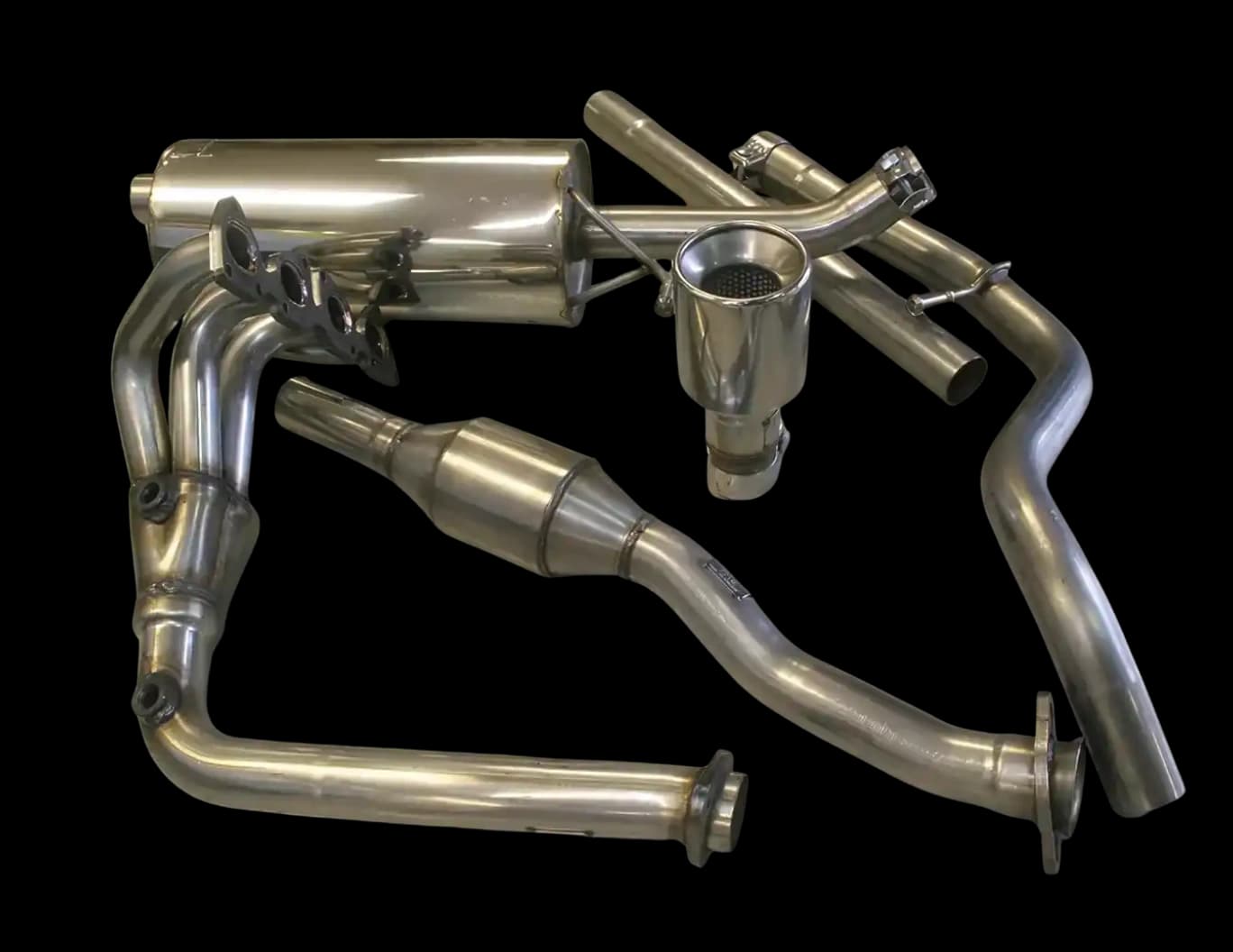
Exhaust Repair
Zenfo Auto Services offers complete Jeep exhaust repair in Musaffah, covering catalytic converters, DPF cleaning, manifold replacement, and full diagnostics.
Learn more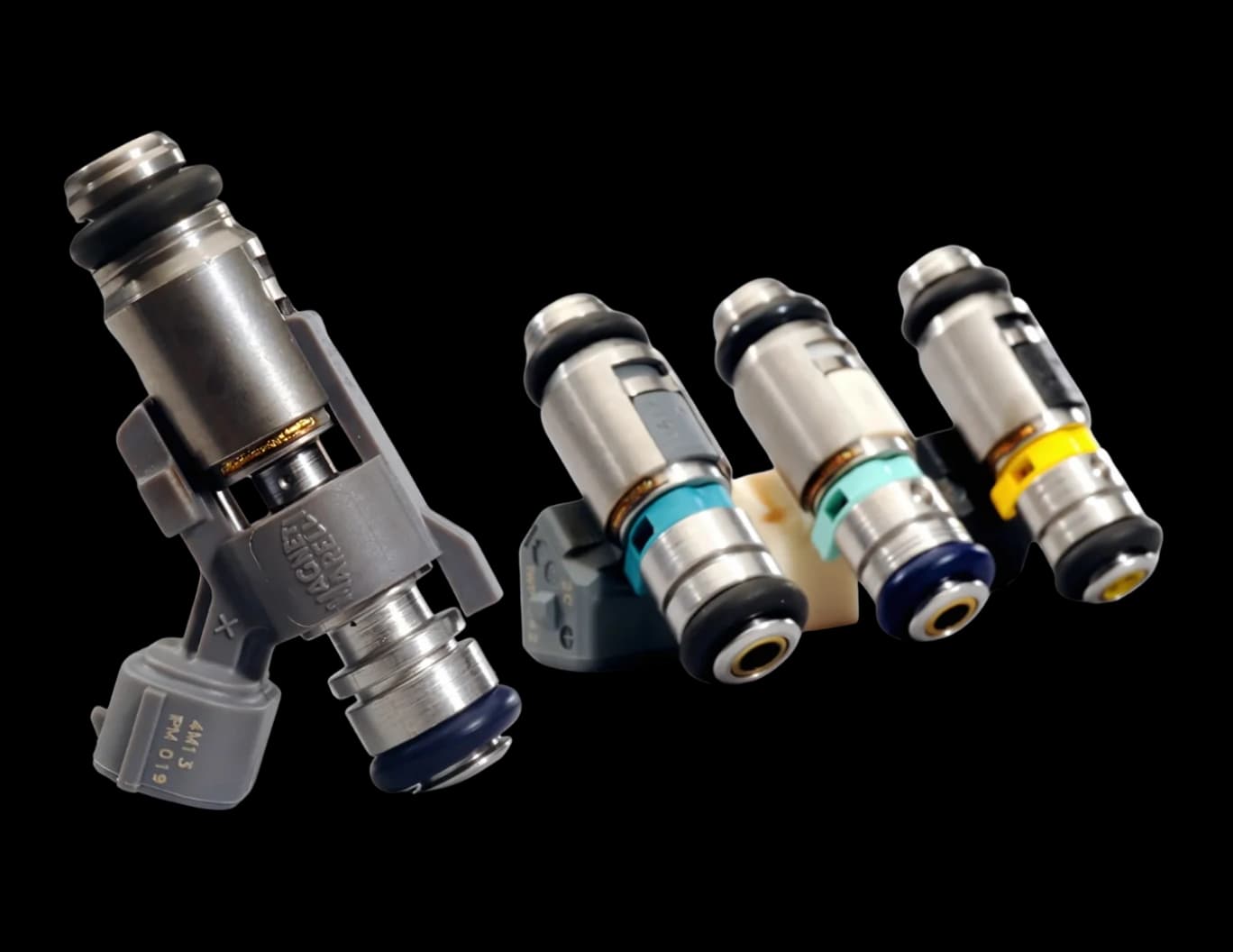
Fuel Injector Cleaning
Professional Jeep fuel injector cleaning and full fuel system servicing at Zenfo Auto Services, Musaffah. OEM parts, certified technicians, and upfront pricing.
Learn more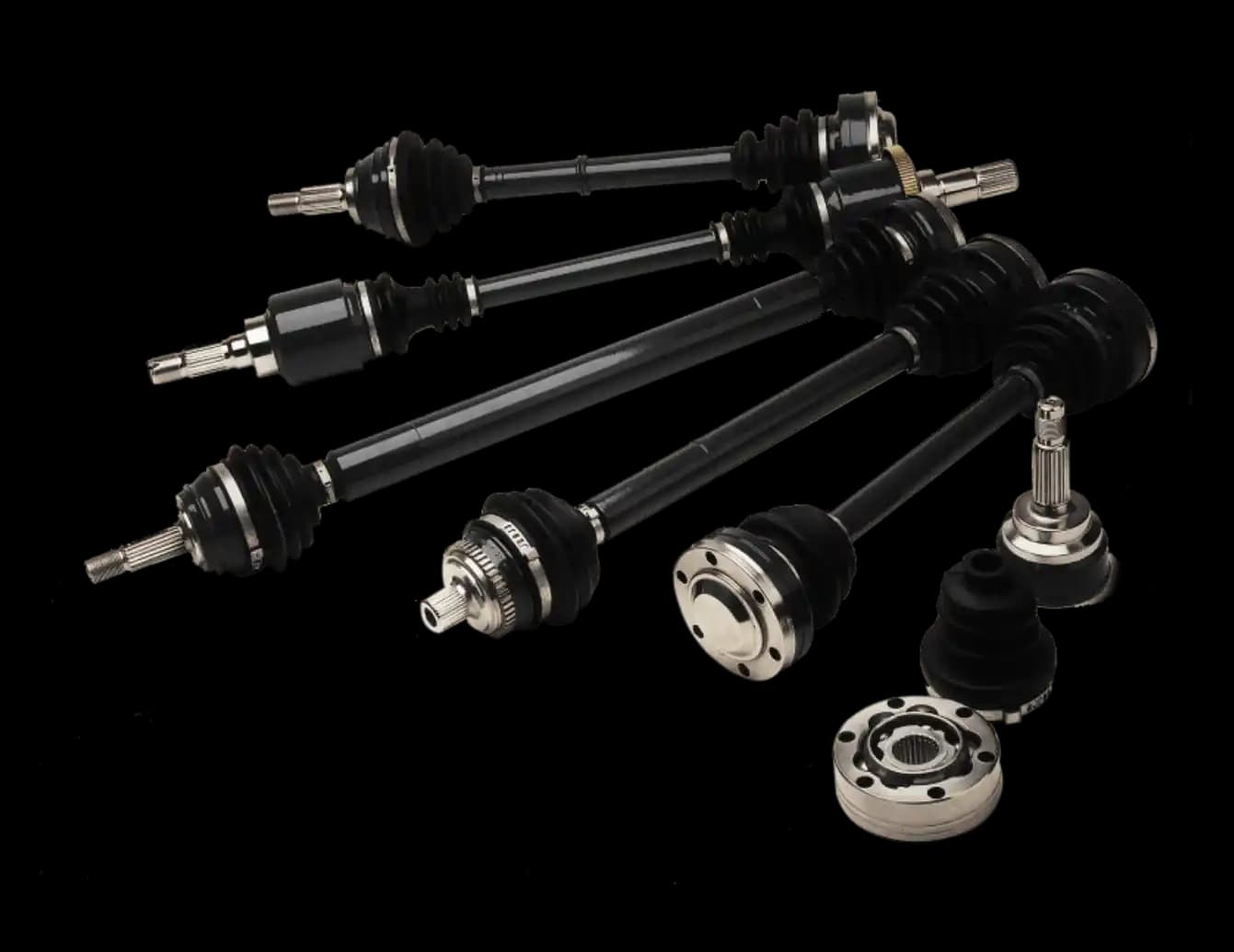
Driveshaft Repair
Zenfo Auto Services provides complete Jeep driveshaft repair in Musaffah, covering CV joint replacement, U-joint overhaul, prop shaft balancing, and diagnostics.
Learn more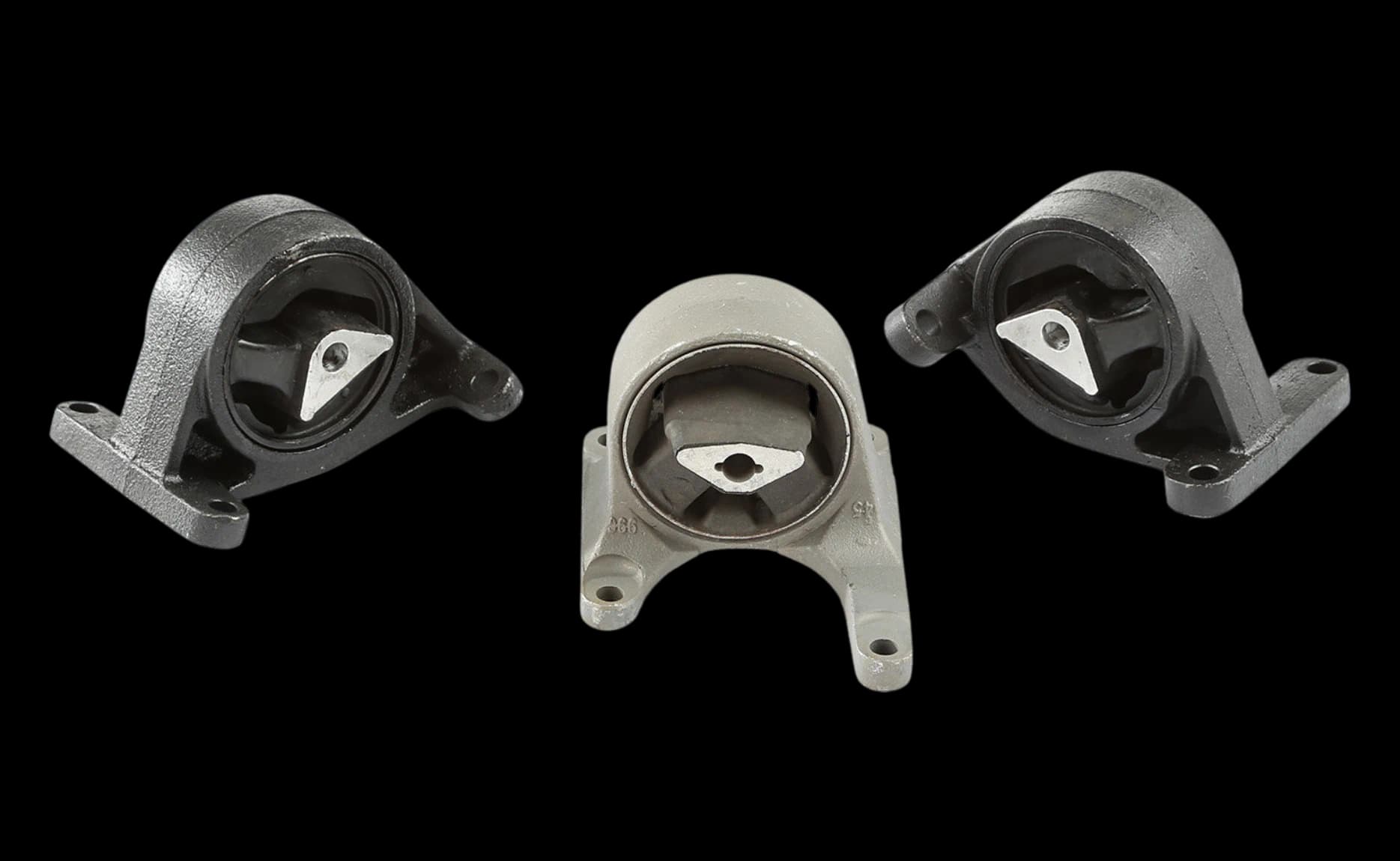
Engine Mount Replacement
Zenfo Auto Services provides certified Jeep engine mount replacement in Musaffah. OEM-grade rubber and hydraulic mounts, torque-spec installation, and inspection.
Learn more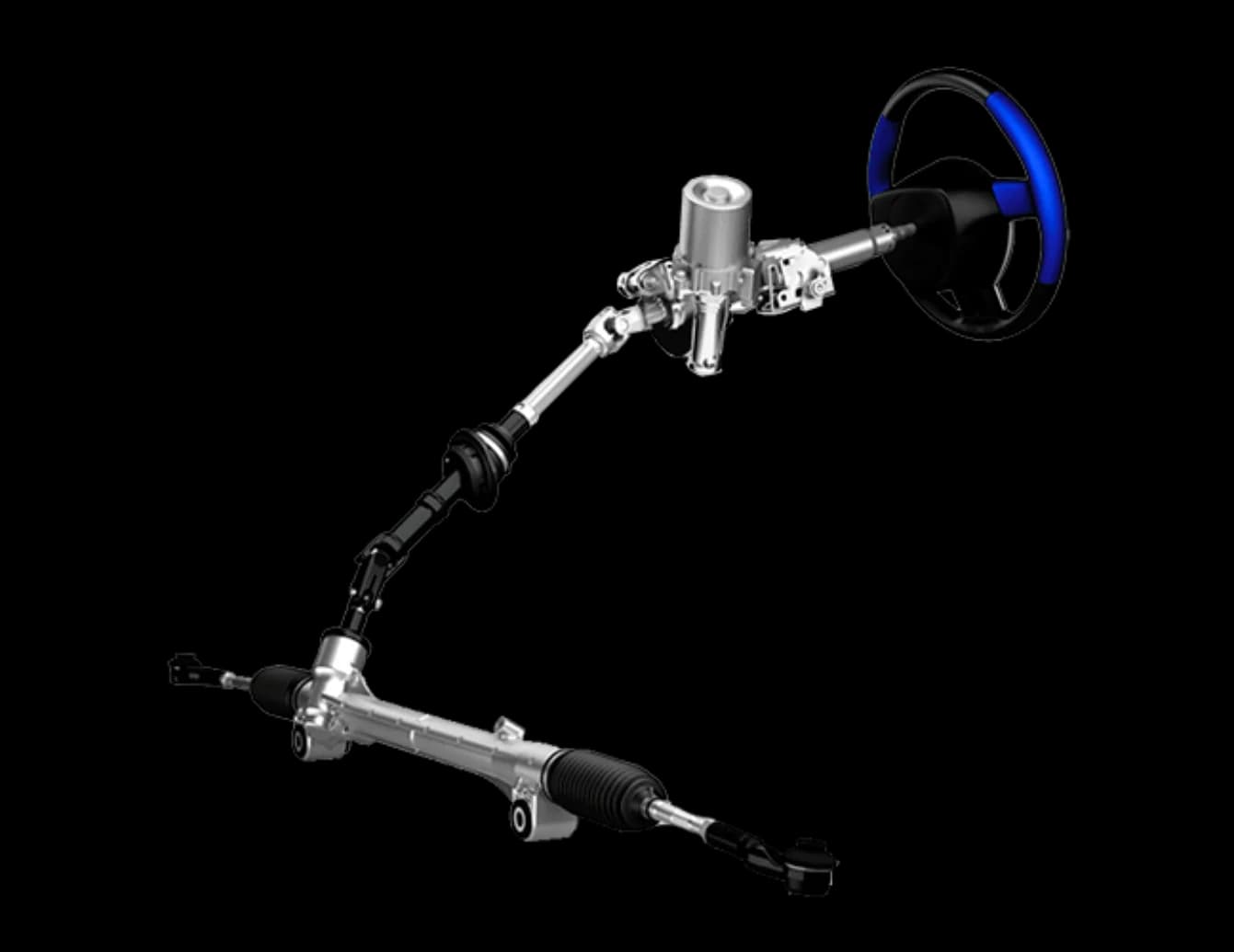
Steering Repair
Zenfo Auto Services provides Jeep steering repair in Musaffah, covering rack and pinion, EPS faults, tie rod replacement, and steering diagnostics. Book now!
Learn more
Leak Repair
Certified Jeep leak repair in Musaffah at Zenfo Auto Services. Engine oil, coolant, transmission and power steering leaks diagnosed by pressure testing.
Learn more
Benefits of Professional Jeep Oil Change Servicing
Timely engine oil servicing delivers measurable improvements in engine longevity, fuel efficiency, and component performance across all Jeep models.
| Benefit | Description | Impact |
|---|---|---|
| Extended Engine Service Life | Fresh oil with a stable viscosity index maintains oil film thickness at bearing surfaces under operating loads | Correct lubrication reduces main bearing wear rate by up to 40% compared to degraded oil operating beyond its service interval |
| Improved Fuel Efficiency | Low-viscosity synthetic oil reduces internal friction at the piston rings, camshaft journals, and crankshaft bearings | A correctly lubricated engine operates within 2% of its rated thermal efficiency compared to a sludge-affected unit |
| Stable Oil Pressure | Fresh oil maintains a hydraulic film at the oil pump outlet, sustaining pressure between 172 kPa and 517 kPa across the full RPM range | Correct oil pressure prevents bearing starvation and protects VVT actuator operation on the 3.6L Pentastar V6 |
| Reduced Engine Temperature | Synthetic oil with a higher flash point above 220°C carries heat away from the piston crown and bearing surfaces more effectively than degraded oil | Proper oil condition reduces peak piston crown temperature by up to 15°C compared to oil beyond its service interval |
| Cleaner Engine Internals | Detergent and dispersant additives in OEM-specified oil suspend carbon deposits and prevent sludge formation in oil galleries | Clean oil galleries maintain full flow to VVT actuators and turbocharger bearings, reducing unplanned repair frequency |
| Turbocharger Protection | Turbocharged Jeep engines require clean, low-viscosity oil reaching the CHRA bearing at start-up within 3 to 5 seconds | Fresh synthetic oil prevents coking at the turbocharger centre section and extends CHRA service life measurably |
| Resale & Warranty Compliance | Complete oil change records using OEM-specified fluids support manufacturer warranty validity and confirm correct engine maintenance history | Full service documentation improves Jeep resale value by up to 10% and confirms maintenance compliance to prospective buyers |
Maintenance Tips After a Jeep Oil Change
- Check the Dipstick at 500 km after the Oil Change: Confirm the oil level sits between the minimum and maximum marks, as slight consumption is normal during the first few hundred kilometres after a fresh fill.
- Avoid Extended Idling Immediately After an Oil Change: Allow the engine to reach operating temperature above 90°C before sustained high-RPM driving to ensure full oil circulation through the turbocharger and VVT galleries.
- Monitor the Oil Pressure Warning Light for the First 200 km: A returning low-pressure warning after a fresh oil change may indicate a loose filter, an improperly seated drain plug, or a pre-existing oil gallery restriction.
- Use Only the OEM-Specified Oil Grade for Top-Ups: Adding a different viscosity grade between services alters the total oil viscosity and disrupts the designed lubrication film across bearing surfaces.
- Do Not Exceed the Manufacturer's Oil Change Interval: Jeep engines using the 3.6L Pentastar V6 specify a maximum interval of 10,000 km or 12 months under standard conditions. Towing and off-road use reduce this to 6,000 to 8,000 km.
- Schedule a Multi-Point Inspection at Every Second Oil Change: A full fluid and filter check at every alternate service interval identifies wear trends in brake, coolant, and transmission systems before they become costly repairs.
Jeep Models, We Service in Musaffah
Zenfo Auto Services provides oil change and engine lubrication servicing for the complete range of Jeep models at our Musaffah workshop.
Portfolio
Our Recent Work
Tap any photo to view the full set.
Questions answered
Frequently Asked Questions
What does a Jeep oil change service at your workshop include?
A standard oil change service covers OBD-II fault code scanning, oil pressure verification, drain plug torque inspection, new OEM oil filter fitment, fresh engine oil fill to the specified volume, and a multi-point fluid check. A written service report listing oil grade, filter part number, oil pressure reading, and dipstick level is provided at handover.
How do I know which oil grade my Jeep engine requires?
The recommended oil grade is printed on the engine oil filler cap and listed in the owner’s manual. The 3.6L Pentastar V6 typically specifies SAE 0W-20 full synthetic oil meeting MS-6395. The 2.0L turbocharged engine uses 0W-20 or 5W-20 synthetic oil. Using an incorrect viscosity grade outside the OEM range affects oil film stability and can trigger low oil pressure warnings within a short mileage interval.
How long does a Jeep oil change take at your workshop?
A standard oil and filter replacement takes 30 to 60 minutes. A full-service oil change with fluid top-ups and a multi-point inspection takes 1 to 2 hours. An engine flush followed by a complete oil and filter change takes 2 to 3 hours, depending on engine size and internal deposit level.
Can you perform an oil change on the turbocharged 2.0L Jeep engine?
Yes. The 2.0L turbocharged engine requires a specific low-viscosity synthetic oil with a high film strength to protect the CHRA bearing, which operates at speeds above 200,000 RPM under full load. The correct oil fill volume, turbocharger pre-lubrication procedure, and post-fill idle period are all followed to protect the turbocharger bearing from dry start conditions.
How often should a Jeep's oil be changed under UAE driving conditions?
Jeep petrol engines with full synthetic oil have a standard interval of 10,000 km or 12 months under normal operating conditions. High ambient temperatures above 45°C, frequent short trips below 10 km, and regular off-road driving reduce the effective interval to 6,000 to 8,000 km. UAE conditions generally fall into the severe service category, so the shorter interval is recommended for most Jeep owners in the region.
What happens if an oil change is overdue on a Jeep engine?
Engine oil past its service life loses its viscosity index improvers, causing the oil to thin under heat and thicken at cold start. Sludge deposits form in oil galleries, reducing flow to the VVT solenoids and turbocharger bearings. Extended intervals beyond 15,000 km on a vehicle specifying 10,000 km intervals increase the risk of piston ring wear, bearing surface scoring, and VVT actuator seizure.
Do you reset the service interval reminder after an oil change?
Yes. The oil life monitoring system on all modern Jeep models is reset using OBD-II scan tools that communicate directly with the PCM after the oil change is completed. The service interval indicator is only cleared once the correct oil grade and volume have been confirmed through the dipstick and pressure check, ensuring the next service reminder activates at the correct mileage point.
Do you dispose of used engine oil responsibly?
Yes. All used engine oil drained during service is collected in sealed containers and transferred to a licensed waste oil recycling facility in accordance with UAE environmental regulations. Used oil filters are also collected separately for safe disposal. No used oil is discharged into drainage or surface water systems at any stage of the service process.
Need your Jeep looked at today?
Same-day slots for battery, oil service, brake pads, tyre fitting, AC recharge and ECU coding. Written estimate before any work begins.
Near 21, As Salami 8 St, Musaffah Industrial Area, M9, Abu Dhabi, United Arab Emirates