Zenfo Auto Services · Mussafah
Professional Jeep Suspension Repair & Shock Absorber Service in Musaffah
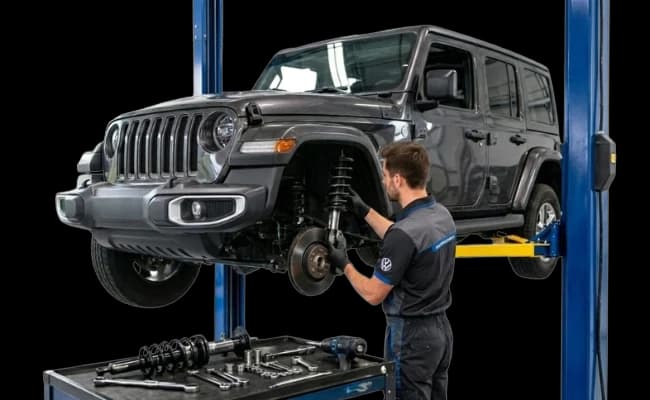
Zenfo Auto Services delivers structured Jeep suspension repair in Musaffah, covering shock absorber replacement, strut inspection, control arm servicing, and alignment correction using OEM-grade components and Jeep-specific diagnostic tools.
- Open daily (Mon – Sun): 09:00 – 21:00
- Musaffah Industrial Area, M9, Abu Dhabi
- Years of Experience
- 10+Years of Experience
- Satisfied Clients
- 100%Satisfied Clients
- Pickup & Delivery Service
- 24/7Pickup & Delivery Service
- Quick Service
- 2xQuick Service
- 4.9 ★ Google reviews
- Free pick-up & delivery
- OEM-grade parts
- 12-month repair warranty
- Written estimate before any work
- Jeep-specific diagnostic software
- Certified Jeep technicians
- 24/7 breakdown assistance
- Same-day slots available
Why Choose Zenfo Auto Services for Jeep Suspension Repair in Musaffah?
Suspension technicians at Zenfo Auto Services work to OEM load ratings, rebound damping specifications, and ride height tolerances across every Jeep platform. Each repair follows a structured diagnostic sequence covering shock absorbers, control arms, coil springs, sway bar links, and wheel bearing assemblies to confirm factory standards.
Jeep-Certified Suspension System Technicians
Technicians are trained in Jeep suspension systems, including solid axle and MacPherson strut layouts. Every inspection follows current TSBs, platform-specific torque values, and OEM repair procedures. Suspension geometry, ride height, and steering stability are checked during every repair process.
Genuine OEM Suspension Components & Specialist Diagnostic Equipment
All suspension parts meet OEM approval standards for Jeep models. The workshop uses advanced tools, including laser alignment systems, digital spring compressors, and bi-directional scan tools. Every component is tested for fitment, load tolerance, and suspension performance before installation.
Efficient Suspension Service Turnaround
Most suspension repairs are completed within the same day without affecting inspection quality. Shock absorber replacement takes two to three hours, while control arm repairs require alignment correction afterward. Multiple repair bays help maintain quick turnaround and accurate diagnostic procedures.
Transparent and Confirmed Pricing
All repair costs are confirmed before work begins, including labour, parts, and diagnostic findings. No hidden charges are added after repair approval. Customers receive a complete service report listing alignment readings, ride height measurements, and all replaced suspension components.
Jeep Suspension Repair & System Services
Suspension System Diagnostic & Fault Code Scanning
The diagnostic process checks suspension sensors, compressor output, damping values, and ride height readings. Fault codes are retrieved through a bi-directional scan tool before repairs begin. Live suspension data helps identify electrical faults, air leaks, and module communication failures accurately.
Shock Absorber Inspection & Replacement
Shock absorbers control wheel movement, rebound force, and suspension stability during driving. Damaged seals, bent rods, or weak damping confirm replacement requirements. Front and rear shock absorbers are replaced in pairs to maintain balanced suspension performance and ride control.
Coil Spring Inspection & Replacement
Coil springs support vehicle weight and maintain correct suspension height under load. Cracked springs or reduced free length confirm structural wear. Spring measurements are verified before fitting, and ride height is checked afterward to ensure proper suspension balance and stability.
Strut Assembly Replacement & Mount Inspection
MacPherson strut assemblies combine the spring, shock absorber, and upper mount into one structural component. Worn bearings often create creaking noises during turning. A calibrated spring compressor is used during replacement, while mount alignment and bearing movement are inspected carefully.
Control Arm Replacement & Bushing Renewal
Control arms maintain wheel alignment and suspension movement during compression and rebound cycles. Damaged bushings cause tyre wear, steering instability, and camber deviation. Hydraulic presses remove worn bushings before OEM replacements are installed, and wheel alignment measurements are corrected afterward.
Ball Joint Inspection & Replacement
Ball joints support steering articulation and suspension movement under vehicle load. Excessive axial or radial movement confirms wear and affects steering stability. Replacement includes preload testing, knuckle inspection, and verification of proper movement to maintain safe suspension and steering operation.
Sway Bar Link & Bushing Replacement
Sway bar links reduce body roll by balancing suspension movement during cornering. Worn links create knocking sounds over uneven roads and affect handling stability. Bushings and links are replaced when free play, cracking, or rubber separation is found during inspection.
Wheel Bearing & Hub Assembly Replacement
Wheel bearing assemblies support rotational movement while carrying suspension and braking loads. Worn bearings produce humming or growling noises during driving. End play measurements confirm wear, and sealed hub assemblies are replaced using OEM torque specifications for safe wheel operation.
Air Suspension Compressor & Ride Height Sensor Service
The Quadra-Lift suspension system uses compressors, air struts, and ride height sensors for adjustable clearance control. Low compressor pressure or incorrect sensor readings trigger system faults. Diagnostic testing checks pressure output, sensor calibration, and suspension height accuracy across all corners.
Track Bar & Panhard Rod Inspection (Wrangler & Gladiator)
The track bar keeps the solid front axle aligned with the chassis during movement. Worn bushings allow axle shift and unstable steering at highway speeds. Technicians inspect bushing tolerances, mounting points, and track bar alignment before confirming component replacement requirements.
Leaf Spring Inspection & Replacement (Gladiator JT)
Leaf springs support rear axle load capacity and towing stability on the Gladiator JT platform. Broken leaves, damaged centre bolts, or reduced ride height confirm replacement. Spring packs are installed using OEM torque specifications, followed by rear axle alignment verification.
CV Joint & Driveshaft Inspection (4WD Models)
CV joints transfer engine torque through changing suspension angles during driving and steering movement. Torn boots cause grease leakage and clicking noises during turns. Driveshaft balance and joint movement are checked carefully after repairs to prevent vibration at higher driving speeds.
Suspension Geometry & Four-Wheel Alignment
Correct suspension alignment improves tyre wear, steering response, and straight-line stability. Camber, caster, and toe angles are measured using a laser alignment system. Adjustments are completed according to OEM specifications before final suspension testing, and road clearance approval is issued.
Full Suspension System Service & Recommission
Complete suspension servicing includes inspection of springs, dampers, bushings, bearings, and steering components. The service is recommended after off-road impact damage or high mileage usage. Ride height, alignment values, and suspension calibration are verified before vehicle delivery.
How to Book a Jeep Suspension Repair at Zenfo Auto Services?
Booking a Jeep suspension repair at the Musaffah workshop follows three clear steps.
Book a slot
Talk to a Jeep technician, not a contact form
Call or message the workshop and you will speak to someone who works on Jeeps every day. You get a written, itemised estimate before any work starts, and nothing is charged beyond it.
What to send us
- Your Jeep model and year, such as Wrangler JL or Grand Cherokee WK2
- The fault or service you need, plus any warning lights or noises
- Photos or a short video of the problem, if you have them
- Your preferred drop-off day; same-day slots are usually available
- WhatsApp+971 52 515 0820Fastest reply; send photos of the fault
- Call the workshop+971 52 515 0820Same-day slots for oil, brakes, battery and AC
- Emailinfo@zenfoautoservices.aeWritten response within 4 business hours
- Walk in, no appointment neededNear 21, As Salami 8 St, Musaffah Industrial Area, M9, Abu Dhabi, United Arab EmiratesGet directions on Google Maps
Share Your Jeep Details
Provide your Jeep model, production year, current mileage, and the specific suspension concern you have noticed. This allows technicians to prepare the correct OEM components, spring compressor adaptor, and alignment equipment before the vehicle arrives at the workshop.
Select a Service Appointment
Choose a date and time that suits your schedule. Same-day and next-day appointments are available for most suspension repairs. Free vehicle pickup and delivery is provided across Musaffah for customers who are unable to bring their Jeep to the workshop directly.
Repair, Verify & Handover
Certified technicians carry out the complete suspension repair, ride height verification, and four-wheel alignment check. A written inspection and repair report is provided at handover, and the customer is kept informed at each stage, including any additional findings identified during the diagnostic assessment.
What you get
Key Features of Our Jeep Suspension System Service
- Experienced & Certified Mechanics
- 24/7 Breakdown Assistance
- Clear Estimated Completion Times
- Written Price Confirmation
- Free Vehicle Pickup and Delivery
- Repair Warranty on All Services
When Does Your Jeep's Suspension Need Professional Attention?
The following conditions indicate that a suspension inspection is required. Addressing these symptoms promptly reduces further mechanical wear and maintains safe ride and handling control.
| Issue | Symptoms / Signs | Possible Cause | Recommended Action |
|---|---|---|---|
| Excessive Body Roll | Vehicle leans noticeably during cornering | Worn sway bar links, failed shock absorbers, or weak coil springs | Sway bar link inspection, shock absorber rebound test, spring free-length check |
| Bouncing After Bumps | Vehicle continues to oscillate after road irregularities | Shock absorber damping failure or worn strut mount | Damper rebound force test, strut mount inspection |
| Knocking Over Bumps | Audible knock from the front or rear suspension | Worn control arm bushings, loose sway bar links, or worn ball joints | Bushing movement check, link axial play test, ball joint assessment |
| Uneven Ride Height | One corner sits lower than the others | Broken coil spring, collapsed air strut, or failed ride height sensor | Ride height measurement, spring inspection, SCCM fault code scan |
| Steering Pull | Vehicle drifts to one side during normal driving | Camber or toe deviation, worn ball joint, or uneven spring rate | Four-wheel alignment check, spring rate comparison, ball joint test |
| Tyre Wear on One Edge | Uneven tread wear across the tyre width | Camber deviation or incorrect toe setting | Alignment measurement, control arm bushing inspection |
| Vibration at Speed | Steering wheel or seat vibration above 80 km/h | Worn wheel bearing, unbalanced wheel, or CV joint wear | Bearing end-play check, wheel balance, CV boot inspection |
| Air Suspension Warning | Warning light is active with ride height variation | Air strut leak, compressor fault, or height sensor signal error | SCCM fault code scan, compressor output test, strut bladder inspection |
Our services
Our Jeep Services in Mussafah
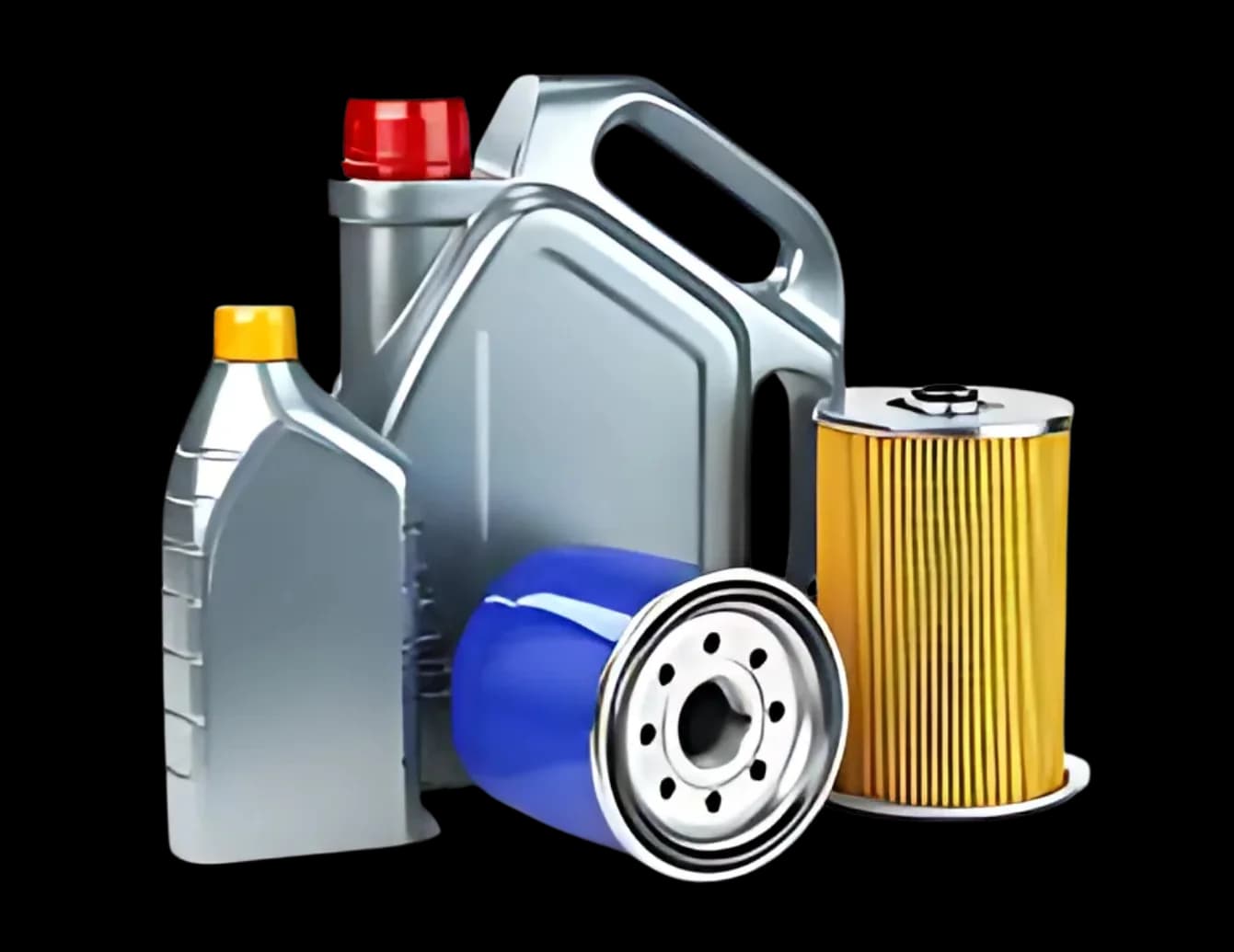
Major and Minor Services
Don't wait until it's too late! Book your Jeep major or minor service at Zenfo Auto Services, Musaffah. Genuine parts, transparent pricing & fast turnaround guaranteed.
Learn more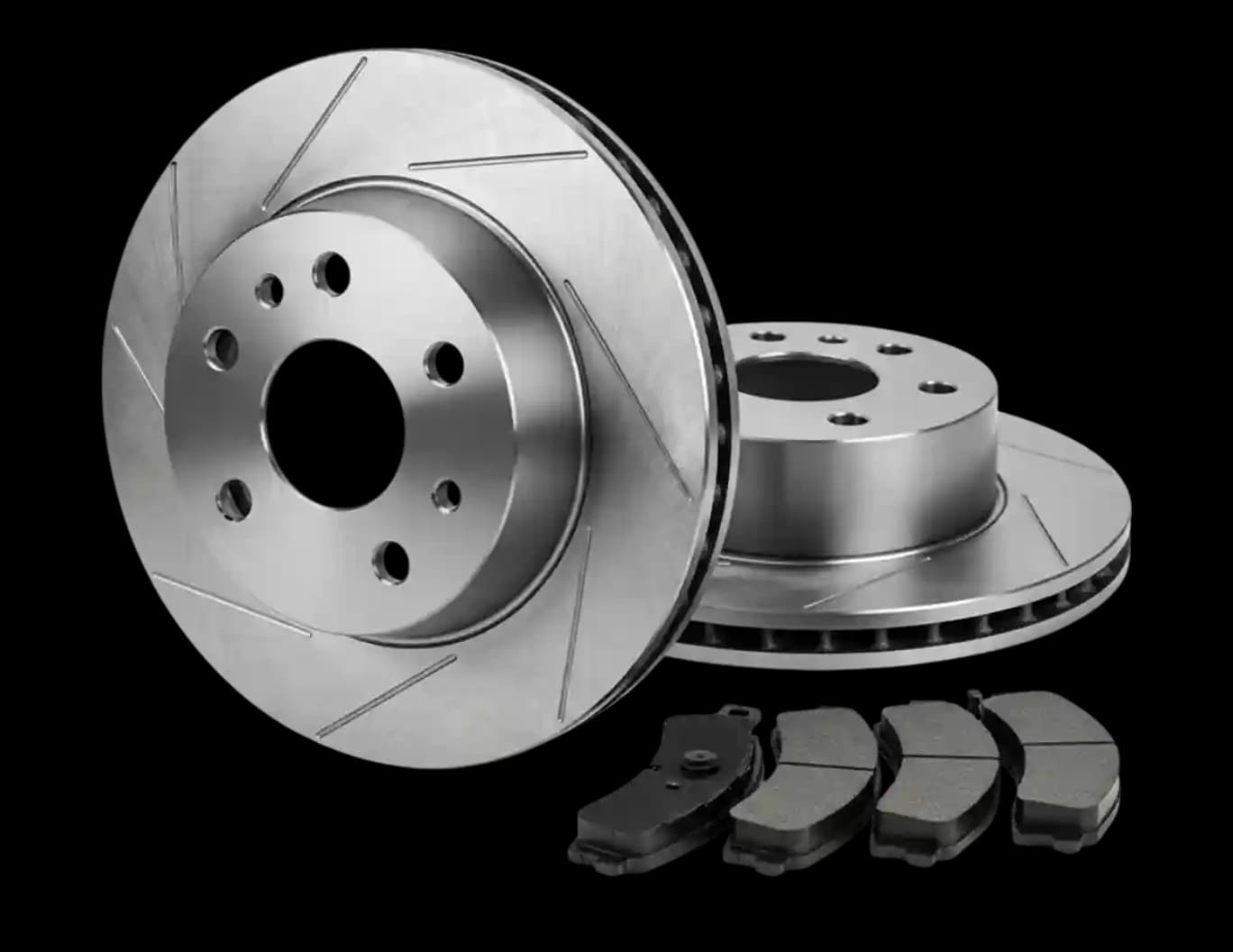
Brake Pad Replacement
Get professional Jeep brake pad replacement and full brake system servicing at Zenfo Auto Services, Musaffah. OEM parts, certified technicians, and transparent pricing.
Learn more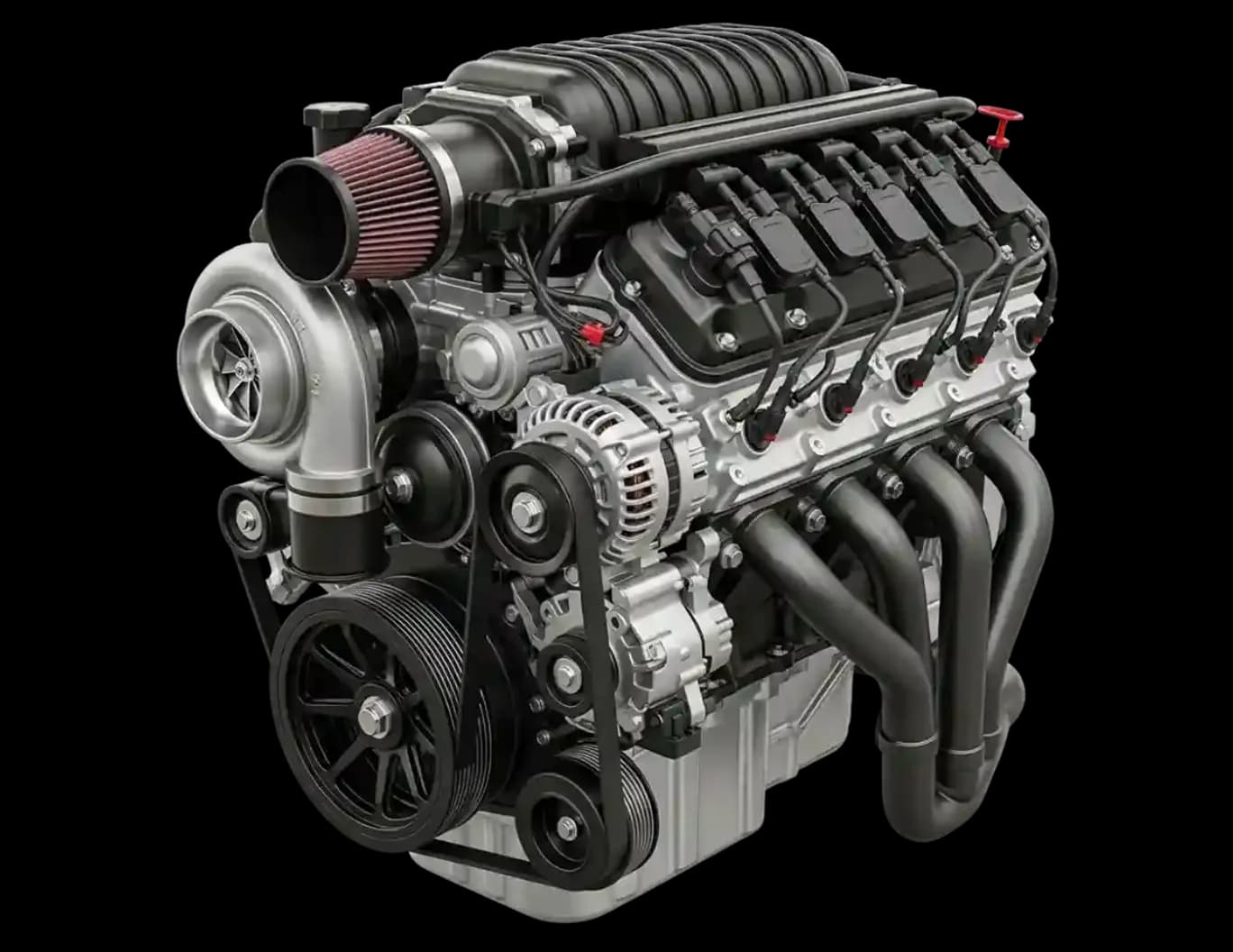
Engine Repair
Zenfo Auto Services provides certified Jeep engine repair in Musaffah, covering diagnostics, timing chain service, rebuilds, and overhauls. Book Now!
Learn more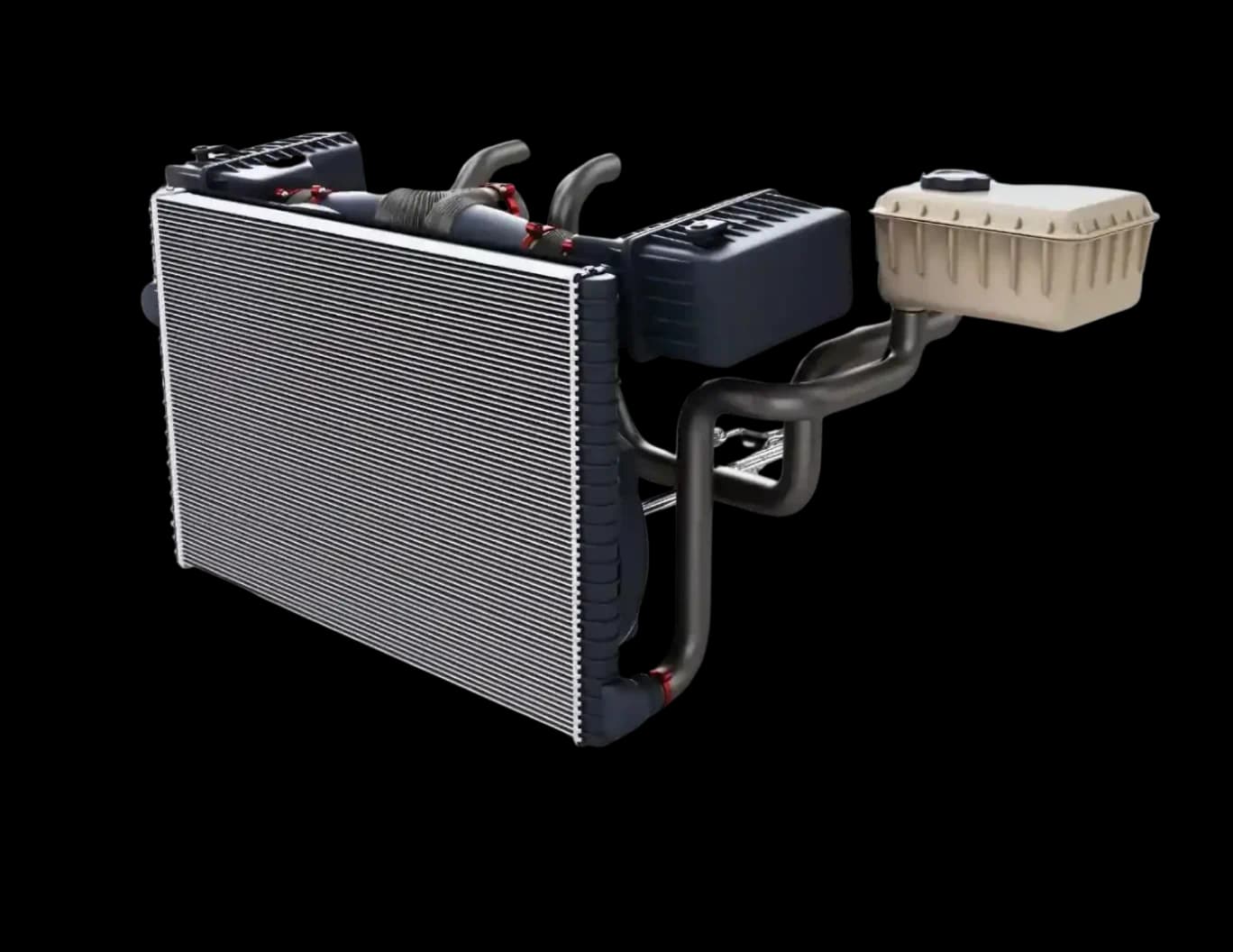
Radiator Repair
Zenfo Auto Services offers Jeep radiator repair in Musaffah, covering leak detection, coolant flush, and full cooling system diagnostics. Book your slot now!
Learn more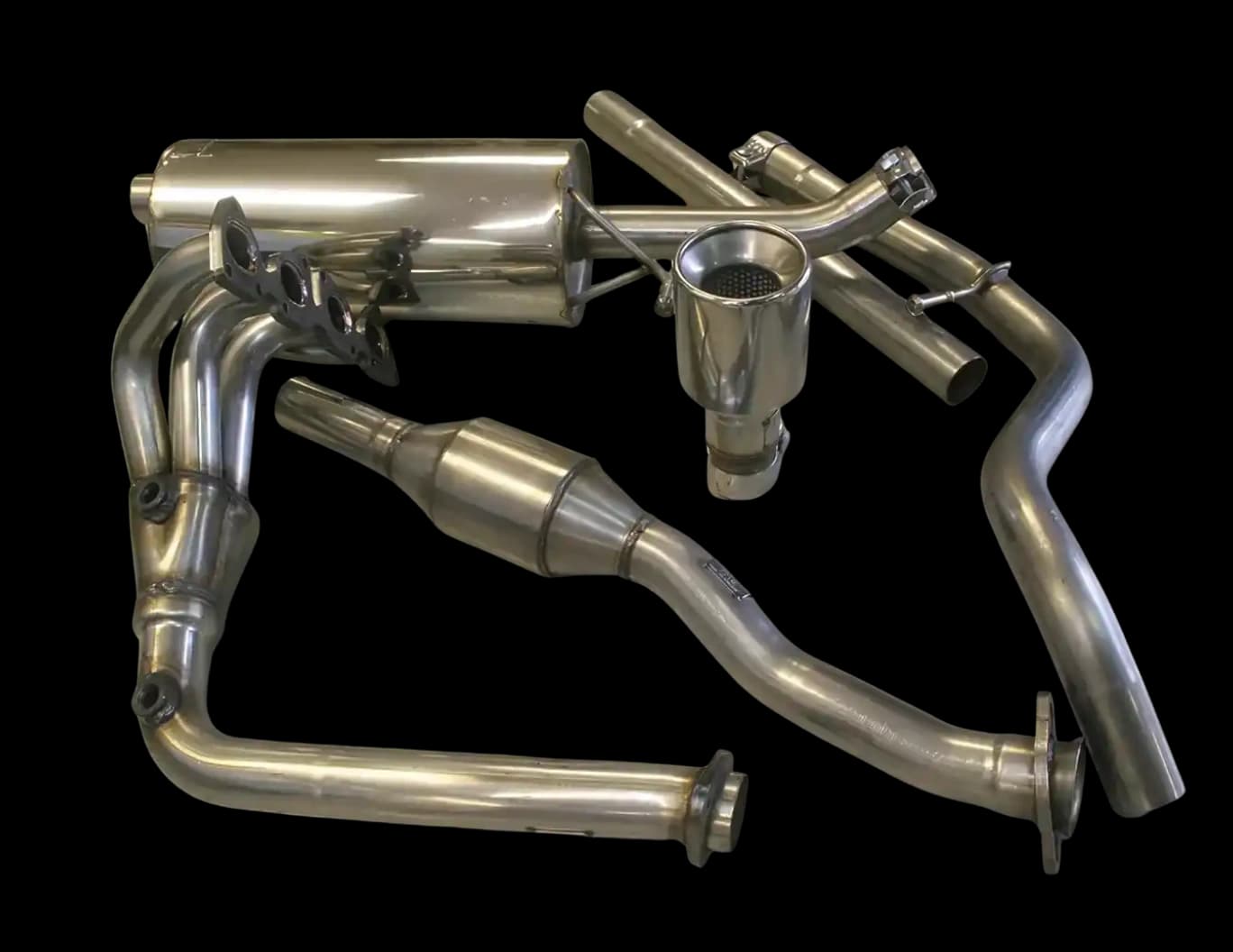
Exhaust Repair
Zenfo Auto Services offers complete Jeep exhaust repair in Musaffah, covering catalytic converters, DPF cleaning, manifold replacement, and full diagnostics.
Learn more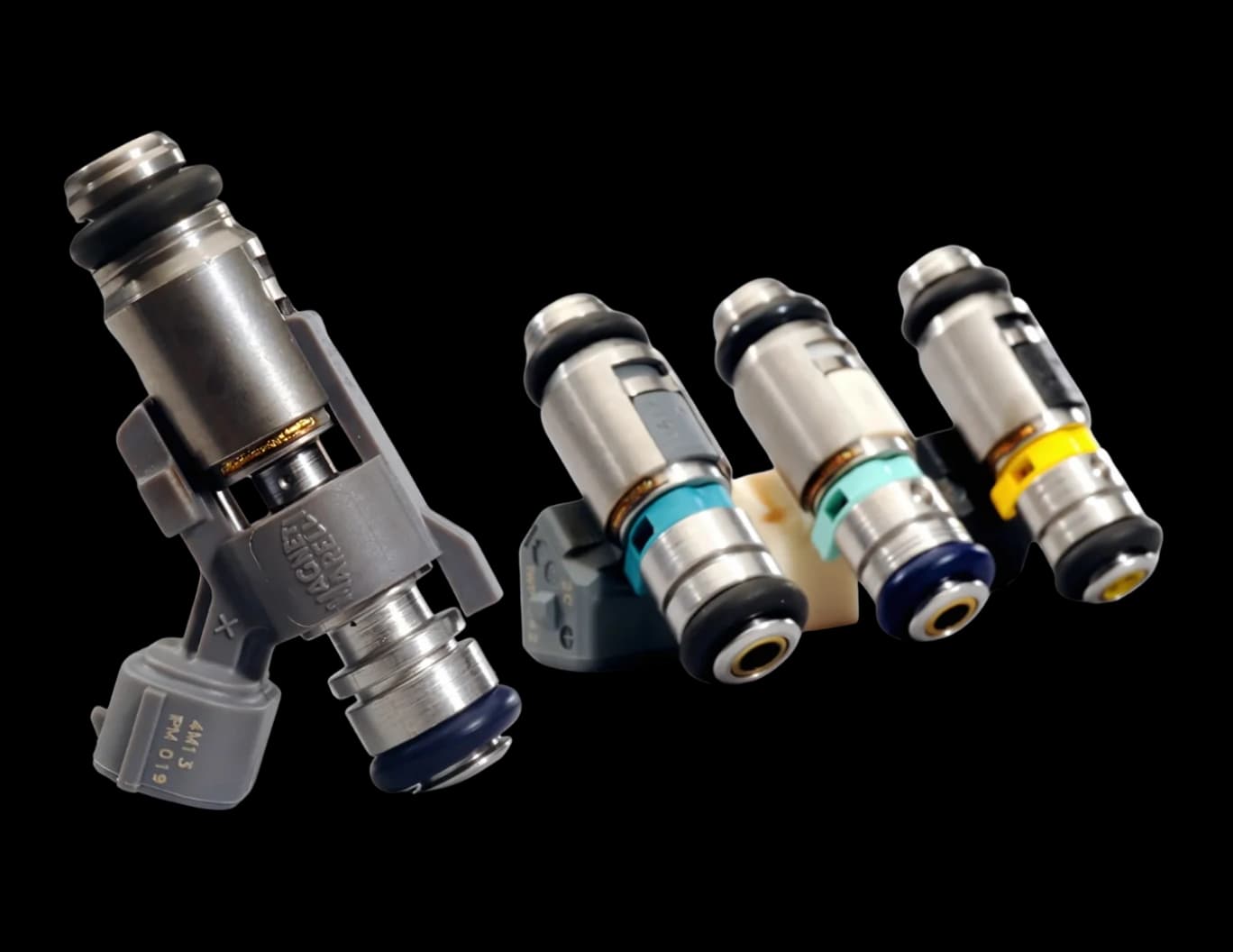
Fuel Injector Cleaning
Professional Jeep fuel injector cleaning and full fuel system servicing at Zenfo Auto Services, Musaffah. OEM parts, certified technicians, and upfront pricing.
Learn more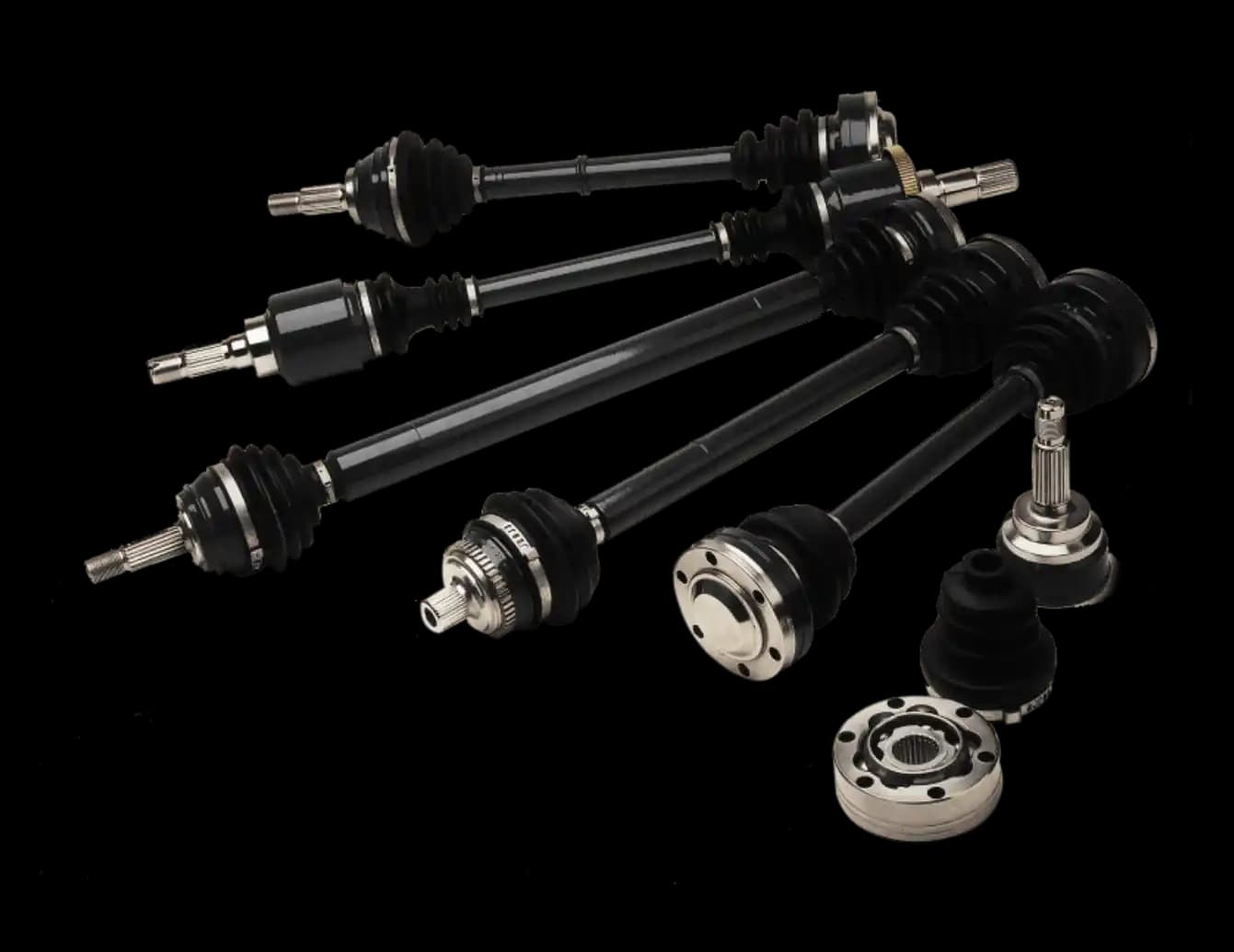
Driveshaft Repair
Zenfo Auto Services provides complete Jeep driveshaft repair in Musaffah, covering CV joint replacement, U-joint overhaul, prop shaft balancing, and diagnostics.
Learn more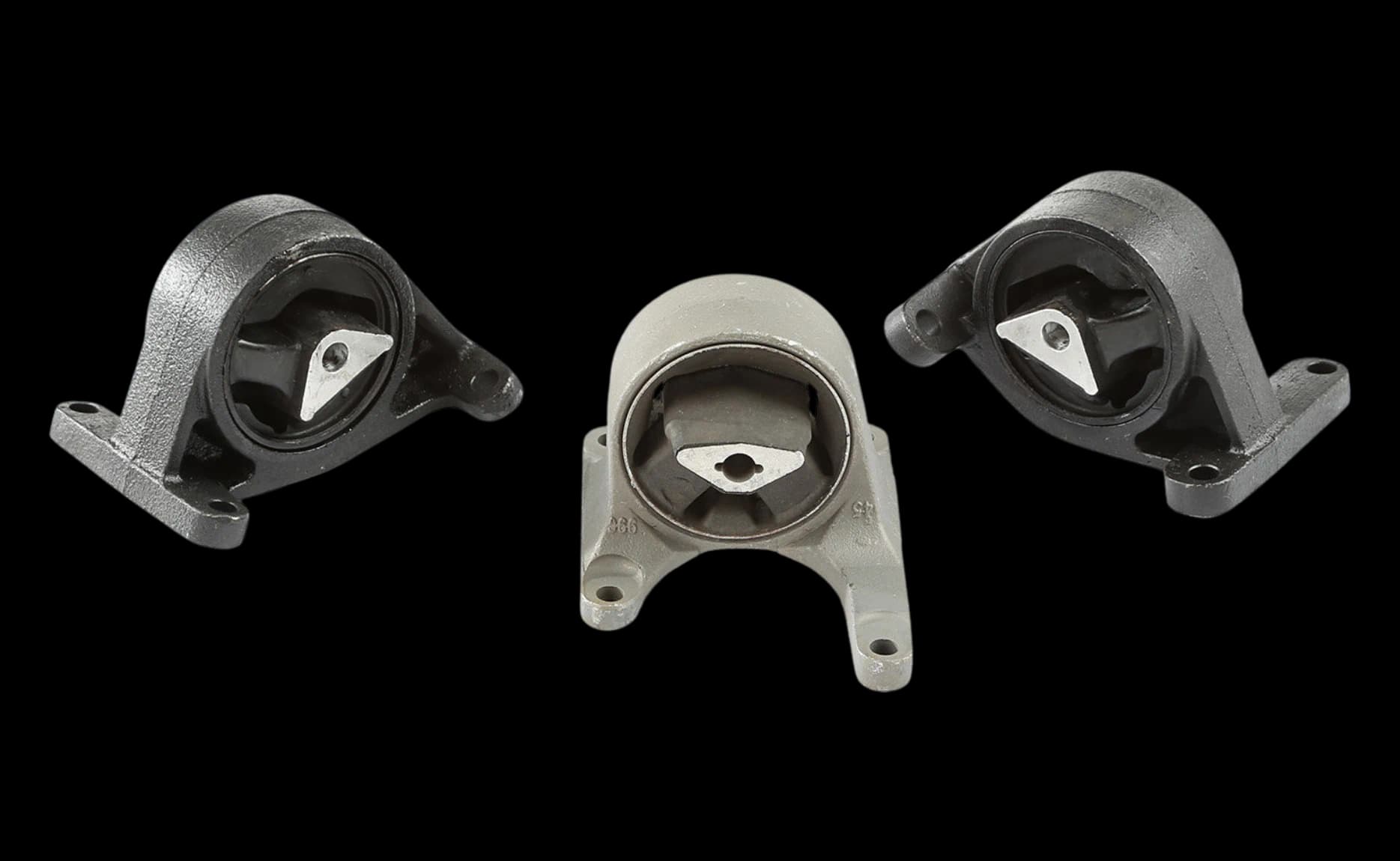
Engine Mount Replacement
Zenfo Auto Services provides certified Jeep engine mount replacement in Musaffah. OEM-grade rubber and hydraulic mounts, torque-spec installation, and inspection.
Learn more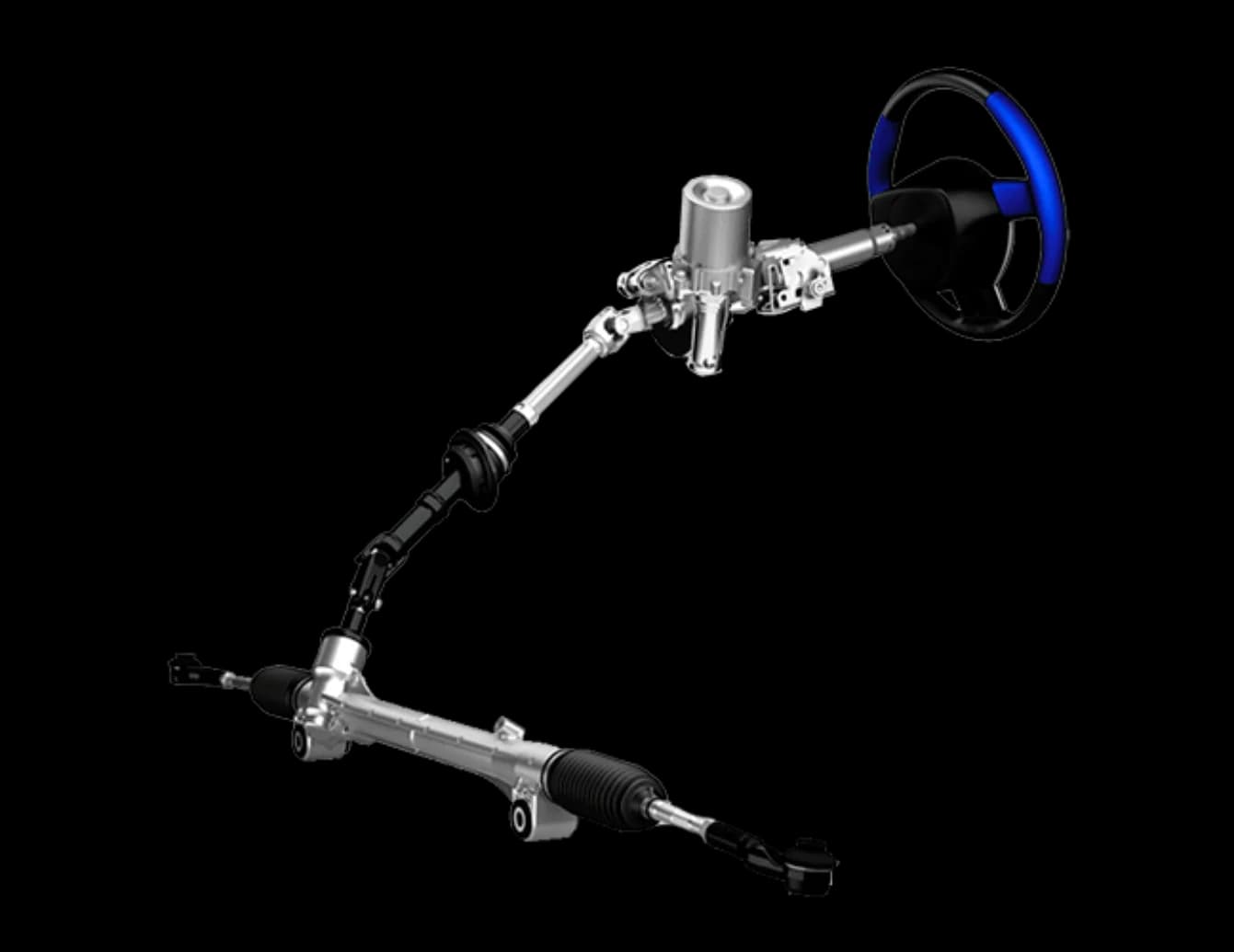
Steering Repair
Zenfo Auto Services provides Jeep steering repair in Musaffah, covering rack and pinion, EPS faults, tie rod replacement, and steering diagnostics. Book now!
Learn more
Leak Repair
Certified Jeep leak repair in Musaffah at Zenfo Auto Services. Engine oil, coolant, transmission and power steering leaks diagnosed by pressure testing.
Learn more
Benefits of Regular Jeep Suspension System Servicing
| Benefit | Description | Measurable Impact |
|---|---|---|
| Stable Ride Quality | Replacing worn shock absorbers and strut mounts restores OEM damping response and reduces road noise transfer | A serviced damper maintains rebound force within 5% of the OEM-rated value across the full travel range |
| Reduced Tyre Wear | Correct camber and toe settings distribute the contact patch load evenly across the tyre width | Camber deviation of 1° increases inner or outer tyre wear rate by up to 25% compared to aligned vehicles |
| Accurate ESC and ABS Performance | Correct ride height and wheel bearing condition provide stable wheel speed sensor signals for ABS and ESC intervention | Worn wheel bearings produce speed signal deviations of up to 3% that can delay ABS activation timing |
| Lower Long-Term Repair Costs | Identifying bushing wear, spring fatigue, and bearing play at service intervals avoids sudden structural failure | Proactive suspension servicing reduces total repair costs by up to 35% compared to post-failure replacement |
| Safe Off-Road Articulation | Inspected ball joints, track bars, and control arms maintain axle control during full suspension flex | Worn ball joints with 1.5 mm of axial play reduce steering precision by up to 12 mm of effective toe drift at full articulation |
| Warranty and Resale Value | Suspension component replacement at OEM intervals using genuine parts supports manufacturer warranty validity | Full suspension service records can improve vehicle resale confidence and value by up to 10% |
| Consistent Air Suspension Performance | A calibrated SCCM delivers correct ride height across all five suspension modes from Off-Road 2 to Aero mode | Correct height sensor calibration reduces corner-to-corner ride height variation to within ±3 mm across all modes |
Maintenance Guidance After Jeep Suspension Repair
- Check Ride Height After Replacement: Measure static ride height at all four corners with the vehicle on a level surface one week after any spring or shock absorber replacement.
- Monitor Handling After Repairs: Any return of body roll, bouncing, or directional pull following a repair should be reported to the workshop immediately.
- Use the OEM-Specified Suspension Fluid: Confirm the correct hydraulic fluid specification for electronically controlled damper models before any fluid service is carried out.
- Inspect Sway Bar Links at Every Oil Service: Check for axial free play and rubber boot condition at approximately every 10,000 km, or after any significant off-road use.
- Recheck Alignment After Suspension Work: Any replacement of suspension or steering components requires a four-wheel alignment check to confirm toe, camber, and caster are within OEM values.
- Schedule a 1,000 km Follow-Up: A post-repair inspection confirms stable alignment readings, correct ride height, and no movement in newly fitted component mounts.
- Avoid Loaded Off-Road Use After Air Strut Replacement: Allow 48 hours of normal on-road driving after an air strut replacement to allow the SCCM to complete its ride height self-learning cycle.
Testimonials
What Our Customers Say About Zenfo Auto Services?
Rated by Jeep owners across Abu Dhabi
Jeep Models We Service in Musaffah
Zenfo Auto Services provides suspension repair and complete suspension system servicing for the full range of Jeep models at the Musaffah workshop.
Portfolio
Our Recent Work
Tap any photo to view the full set.
Questions answered
Frequently Asked Questions
What does a Jeep suspension repair service at your workshop include?
A standard suspension service covers OBD-II SCCM fault code scanning, shock absorber rebound force testing, coil spring free-length measurement, control arm bushing movement check, ball joint axial and radial play testing, ride height measurement at all four corners, and full four-wheel alignment verification after any component replacement.
How do I know if my Jeep needs a shock absorber repair or full strut replacement?
Isolated shock absorber replacement is appropriate when the damper rod shows fluid seepage or rebound force below the OEM minimum of 450 N at 0.1 m/s, with the strut housing and upper mount in acceptable condition. Full strut assembly replacement is required when the upper bearing plate shows corrosion, the strut housing shows buckling, or the spring seat is cracked and structurally compromised.
What type of shock absorbers does my Jeep require?
Most current Wrangler JL and Gladiator JT models use monotube shock absorbers with nitrogen gas charging. Grand Cherokee WK2 and WL air suspension models use electronically controlled variable-damping struts paired with air spring assemblies. Cherokee KL and Compass MP models use twin-tube hydraulic struts at the front axle. The correct specification is confirmed from the platform parts reference and vehicle identification number before any replacement is carried out.
How long does a Jeep suspension repair take?
A front shock absorber replacement takes 2 to 3 hours. A control arm replacement with alignment correction takes 3 to 4 hours. A full strut assembly replacement takes 2 to 3 hours per axle. A wheel bearing replacement is completed within 2 to 3 hours. A full suspension system service covering all major components takes 5 to 8 hours. Exact times depend on the Jeep model and component availability on the day.
Do you service the suspension on Jeep 4xe hybrid models?
Yes. The Jeep Wrangler 4xe and Grand Cherokee 4xe retain a conventional mechanical or air suspension system that operates independently of the high-voltage battery circuit. Suspension repairs on these models follow standard platform procedures, with isolation of the high-voltage system carried out before any adjacent underbody work begins. Technicians hold the relevant training for hybrid powertrain safety compliance.
Can you clear suspension warning lights after a repair?
Yes. All active air suspension, ESC, and ride height warning indicators related to confirmed suspension system faults are cleared using a bi-directional OBD-II scan tool communicating with the SCCM, ABS module, and stability control module. Warning lights are only cleared after the repair is confirmed to be operating within all correct system parameters through a completed drive cycle.
How often should Jeep suspension components be inspected?
Shock absorbers and strut mounts should be inspected every 40,000 km. Control arm bushings and ball joints benefit from a movement check at every 20,000 km service interval. Sway bar links and end bushings should be checked at every oil service. Vehicles used for regular off-road driving or operating in high-temperature conditions require inspection at reduced intervals to account for accelerated component wear.
Do you offer a warranty on suspension system repairs?
Yes. All suspension system repairs carried out at the Musaffah workshop include a repair warranty covering both parts and labour. The warranty period and specific terms are confirmed in the written service report provided at vehicle handover. Any repeat concern within the warranty period is assessed and resolved at no additional cost to the customer.
Need your Jeep looked at today?
Same-day slots for battery, oil service, brake pads, tyre fitting, AC recharge and ECU coding. Written estimate before any work begins.
Near 21, As Salami 8 St, Musaffah Industrial Area, M9, Abu Dhabi, United Arab Emirates