Zenfo Auto Services · Mussafah
Complete Jeep Chassis Repair & Structural Services in Musaffah
Zenfo Auto Services provides structured chassis diagnosis and full suspension system repair for all Jeep models in Musaffah, using laser alignment equipment, OEM-grade components, and certified technicians trained in Jeep-specific structural systems.
- Open daily (Mon – Sun): 09:00 – 21:00
- Musaffah Industrial Area, M9, Abu Dhabi
- Years of Experience
- 10+Years of Experience
- Satisfied Clients
- 100%Satisfied Clients
- Pickup & Delivery Service
- 24/7Pickup & Delivery Service
- Quick Service
- 2xQuick Service
- 4.9 ★ Google reviews
- Free pick-up & delivery
- OEM-grade parts
- 12-month repair warranty
- Written estimate before any work
- Jeep-specific diagnostic software
- Certified Jeep technicians
- 24/7 breakdown assistance
- Same-day slots available
Why Choose Zenfo Auto Services for Jeep Chassis Repair in Musaffah?
Our chassis repair specialists inspect every Jeep structural system using defined diagnostic protocols. Each assessment begins with a visual examination of load-bearing points and progresses through laser-guided frame measurement across the suspension geometry, subframe mounts, and axle alignment planes.
Certified Jeep Chassis Diagnosis Technicians
Technicians are trained on Jeep chassis structures, suspension geometry, and axle alignment systems across multiple platforms. Every repair follows OEM diagnostic procedures to identify structural damage, worn components, corrosion, and alignment deviations affecting handling stability and vehicle safety.
OEM Components, Structural Hardware & Laser Measurement Equipment
Only OEM-approved control arms, bushings, ball joints, and structural brackets are installed during chassis repairs. Advanced workshop equipment, including 3D laser alignment systems and hydraulic straightening benches, verifies precise frame measurements and accurate structural correction throughout the repair process.
Efficient Chassis Repair Turnaround
Minor chassis repairs, including bushing and ball joint replacement, are completed within several hours on most Jeep models. Structural alignment and frame correction procedures require additional workshop time. Multiple vehicles are serviced daily without reducing repair quality or inspection accuracy.
Transparent and Consistent Pricing
All chassis repair costs are confirmed before work begins, including labour, structural measurements, and replacement components. Customers receive a written service report listing alignment readings, torque values, repaired chassis sections, and all completed structural correction procedures after vehicle handover.
Jeep Chassis Repair Services We Provide
Control Arm Replacement
Control arms maintain wheel alignment and suspension movement during acceleration, braking, and uneven road conditions. Worn bushings and damaged joints increase steering instability and tyre wear. OEM replacement control arms are installed and torqued according to Jeep factory alignment specifications.
Track Bar & Panhard Rod Repair
Track bars maintain lateral axle positioning on solid-axle Jeep suspension systems during vehicle movement and steering operation. Worn bushings increase axle shift, steering pull, and bump-steer behaviour. Replacement components are installed carefully, and axle centring is verified through laser alignment measurements.
Ball Joint Replacement
Ball joints support steering movement and suspension load across Jeep front axle assemblies during driving conditions. Excessive axial or radial movement affects steering accuracy and tyre wear patterns. New press-fit ball joints are installed using hydraulic equipment and OEM torque specifications.
Tie Rod & Drag Link Repair
Tie rods and drag links transfer steering input between the steering system and front axle components. Worn steering joints increase steering free play and reduce directional stability. Replacement parts are adjusted accurately to restore correct toe settings and steering geometry alignment.
Leaf Spring Replacement & Repair
Leaf springs support axle positioning and vertical load handling on Jeep rear suspension systems during operation. Cracked or sagging springs reduce ride height and alter driveline angles. OEM-matched replacement spring packs are installed with correctly torqued mounting hardware and alignment verification.
Coil Spring Replacement
Coil springs maintain proper suspension height, wheel travel, and load distribution across Jeep suspension systems. Collapsed springs reduce handling stability and increase tyre wear during driving. Replacement springs are matched carefully to the vehicle trim level and suspension load specification.
Shock Absorber Replacement
Shock absorbers control suspension rebound and compression movement to maintain stable vehicle handling and ride comfort. Weak damping and fluid leakage reduce suspension control significantly. OEM shock absorbers are installed carefully with correct upper and lower mounting torque specifications applied.
Sway Bar & End Link Replacement
Sway bars reduce body roll by balancing suspension movement between both sides of the vehicle during cornering. Worn links and damaged bushings increase body lean and instability. OEM replacement links and bushings are installed according to Jeep suspension mounting specifications.
Subframe & Crossmember Repair
Subframes and crossmembers support suspension mounting points, steering components, and drivetrain load distribution across Jeep platforms. Corrosion and collision damage affect suspension alignment and chassis stability. Damaged mounting sections are repaired or replaced using OEM structural hardware and specifications.
Frame Rail Straightening & Structural Correction
Frame rail alignment is critical for correct suspension geometry, drivetrain positioning, and vehicle stability after collision damage. Hydraulic chassis benches restore structural measurements within OEM tolerance ranges. Laser alignment verification confirms all datum points return to factory specification before reassembly.
Skid Plate & Underbody Protection Repair
Factory skid plates protect drivetrain and steering components from impact damage during off-road driving conditions. Bent or damaged skid plates reduce underbody protection and component clearance. Plates are repaired or replaced carefully using OEM mounting hardware and correct torque settings.
Wheel Bearing & Hub Assembly Replacement
Wheel bearings support rotational movement while carrying suspension and braking loads during vehicle operation. Excessive bearing noise and hub runout indicate internal wear beyond service limits. Sealed hub assemblies are replaced and torqued according to Jeep wheel bearing installation specifications.
Upper & Lower Strut Mount Replacement
Strut mounts support suspension movement and allow controlled steering rotation across front suspension assemblies. Worn bearings increase steering resistance and suspension noise during low-speed manoeuvres. OEM replacement mounts are installed carefully with correct load rating and mounting torque applied.
Chassis Inspection After Off-Road Use
Off-road driving places additional stress on suspension joints, frame sections, steering components, and skid plate assemblies. Comprehensive chassis inspections identify alignment deviation, structural damage, and worn suspension parts. Findings are documented carefully in a detailed post-inspection condition and measurement report.
How to Book a Jeep Chassis Repair at Zenfo Auto Services?
Booking a Jeep chassis repair at our Musaffah workshop follows a straightforward three-step process.
Book a slot
Talk to a Jeep technician, not a contact form
Call or message the workshop and you will speak to someone who works on Jeeps every day. You get a written, itemised estimate before any work starts, and nothing is charged beyond it.
What to send us
- Your Jeep model and year, such as Wrangler JL or Grand Cherokee WK2
- The fault or service you need, plus any warning lights or noises
- Photos or a short video of the problem, if you have them
- Your preferred drop-off day; same-day slots are usually available
- WhatsApp+971 52 515 0820Fastest reply; send photos of the fault
- Call the workshop+971 52 515 0820Same-day slots for oil, brakes, battery and AC
- Emailinfo@zenfoautoservices.aeWritten response within 4 business hours
- Walk in, no appointment neededNear 21, As Salami 8 St, Musaffah Industrial Area, M9, Abu Dhabi, United Arab EmiratesGet directions on Google Maps
Share Your Jeep Details
Provide your Jeep's model, year, current mileage, and the specific symptoms you have observed, such as steering pull, unusual tyre wear, suspension noise, or visible frame damage. This allows our technicians to prepare the correct OEM components and diagnostic equipment before your vehicle arrives at the workshop.
Make a Booking
Select a date and time that suits your schedule. Same-day and next-day appointments are available for most chassis repair types. Free pickup and delivery service is offered throughout the Musaffah area for customers who cannot bring their Jeep directly to the workshop.
We Repair
Our certified technicians carry out the full chassis diagnosis and targeted structural repair, then provide a written inspection and repair report upon job completion. You are kept informed at every stage, including any additional structural findings identified during the full chassis assessment.
What you get
Key Features We Provide
- Experienced & Certified Mechanics
- 24/7 Breakdown Assistance
- Timely & Efficient Delivery
- Instant Price Quotes
- Free Pickup & Delivery
- Repair Warranty on All Services
When Does Your Jeep Need Chassis Repair?
The following signs indicate that your Jeep's chassis or suspension system requires professional inspection or repair. Identifying these symptoms early prevents secondary structural damage to adjacent components.
| Issue | Symptoms / Signs | Possible Cause | Recommended Solution |
|---|---|---|---|
| Steering Pull to One Side | Vehicle drifts left or right on a level road without steering input | Front axle misalignment, worn tie rod end, or collapsed control arm bushing | Full front suspension geometry check and laser alignment measurement |
| Uneven Tyre Wear | Accelerated wear on inner or outer tyre edges or a diagonal feathering pattern | Incorrect toe, camber, or caster beyond OEM specification | 3D alignment correction and suspension component inspection |
| Clunking Under Suspension | Audible knock from the front or rear suspension during bumps or cornering | Worn ball joint, fractured end link, loose track bar, or degraded spring isolator | Suspension pivot inspection, component replacement, and torque verification |
| Vehicle Sits Lower on One Side | Visible ride height difference of 20 mm or more between sides | Collapsed coil spring, cracked leaf spring, or fractured spring seat | Ride height measurement, spring inspection, and OEM spring replacement |
| Vibration Through the Steering Wheel | Persistent vibration felt at the steering wheel between 80 and 120 km/h | Worn wheel bearing, unbalanced wheel, or loose steering linkage component | Wheel bearing radial runout check and full steering linkage inspection |
| Frame Corrosion or Visible Cracks | Rust scaling, pitting, or visible cracks at frame rail welds or crossmember joints | Prolonged moisture exposure or impact fatigue at load-bearing structural points | Frame datum, laser measurement, and structural repair assessment |
| Excessive Body Roll | Unusually high body lean during cornering at normal road speeds | Fractured sway bar end link or degraded anti-roll bar bushing | Sway bar and end link inspection and OEM bushing replacement |
| Off-Road Damage After Trail Use | Bent skid plates, unusual noises, or steering changes following off-road driving | Impact damage to frame, suspension arms, or steering linkage from rock or terrain contact | Full post-off-road chassis inspection covering all structural and pivot points |
Our services
Our Jeep Services in Mussafah
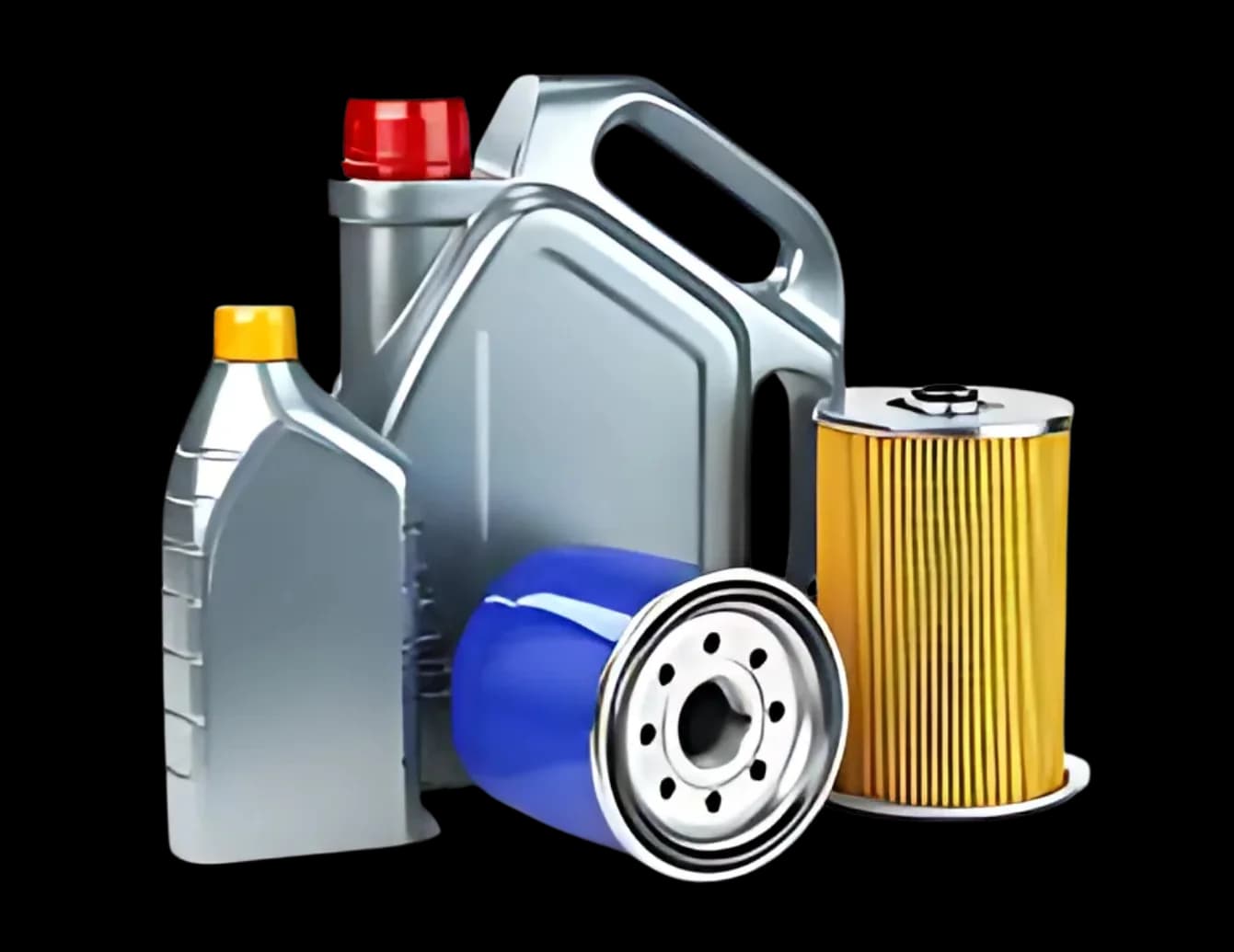
Major and Minor Services
Don't wait until it's too late! Book your Jeep major or minor service at Zenfo Auto Services, Musaffah. Genuine parts, transparent pricing & fast turnaround guaranteed.
Learn more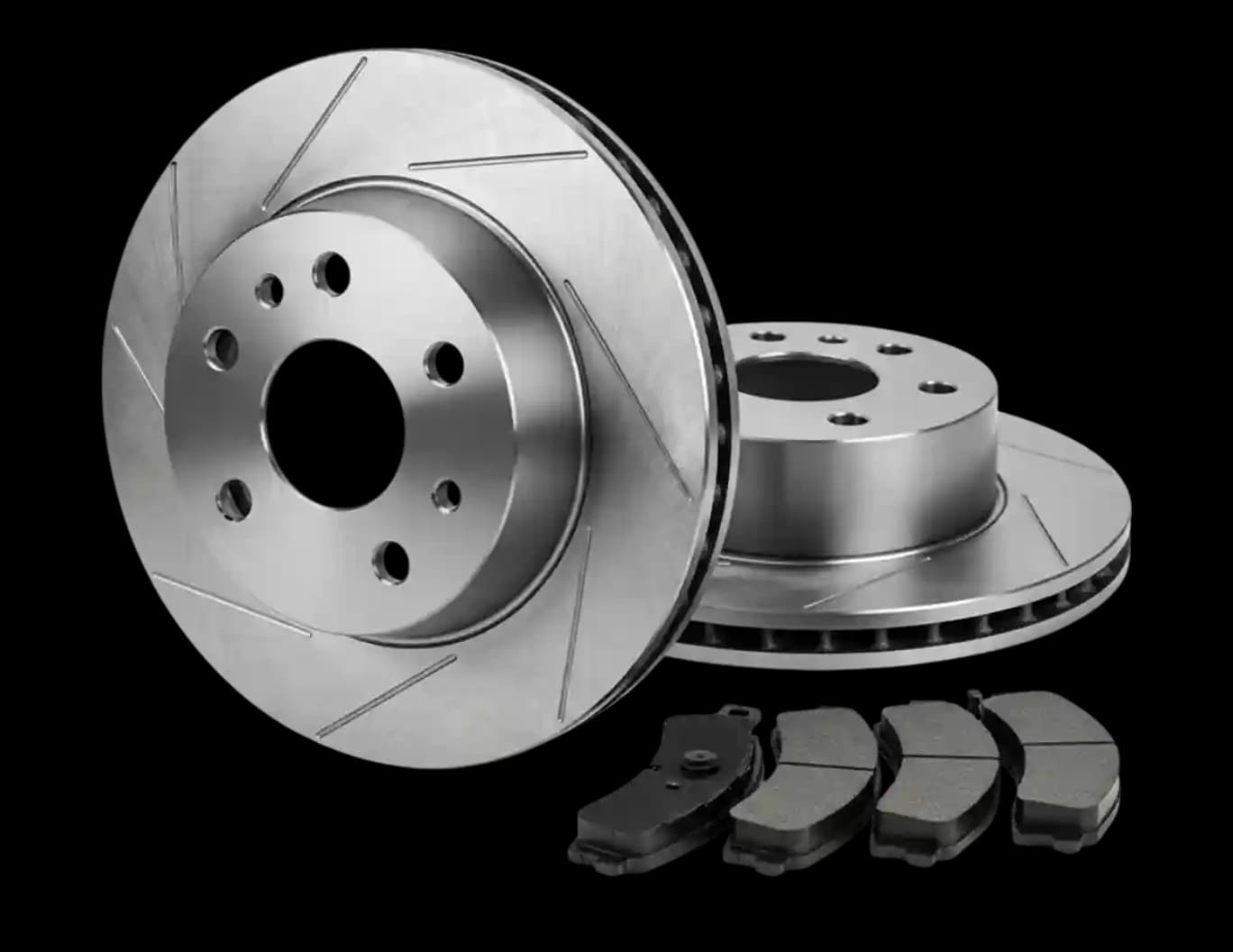
Brake Pad Replacement
Get professional Jeep brake pad replacement and full brake system servicing at Zenfo Auto Services, Musaffah. OEM parts, certified technicians, and transparent pricing.
Learn more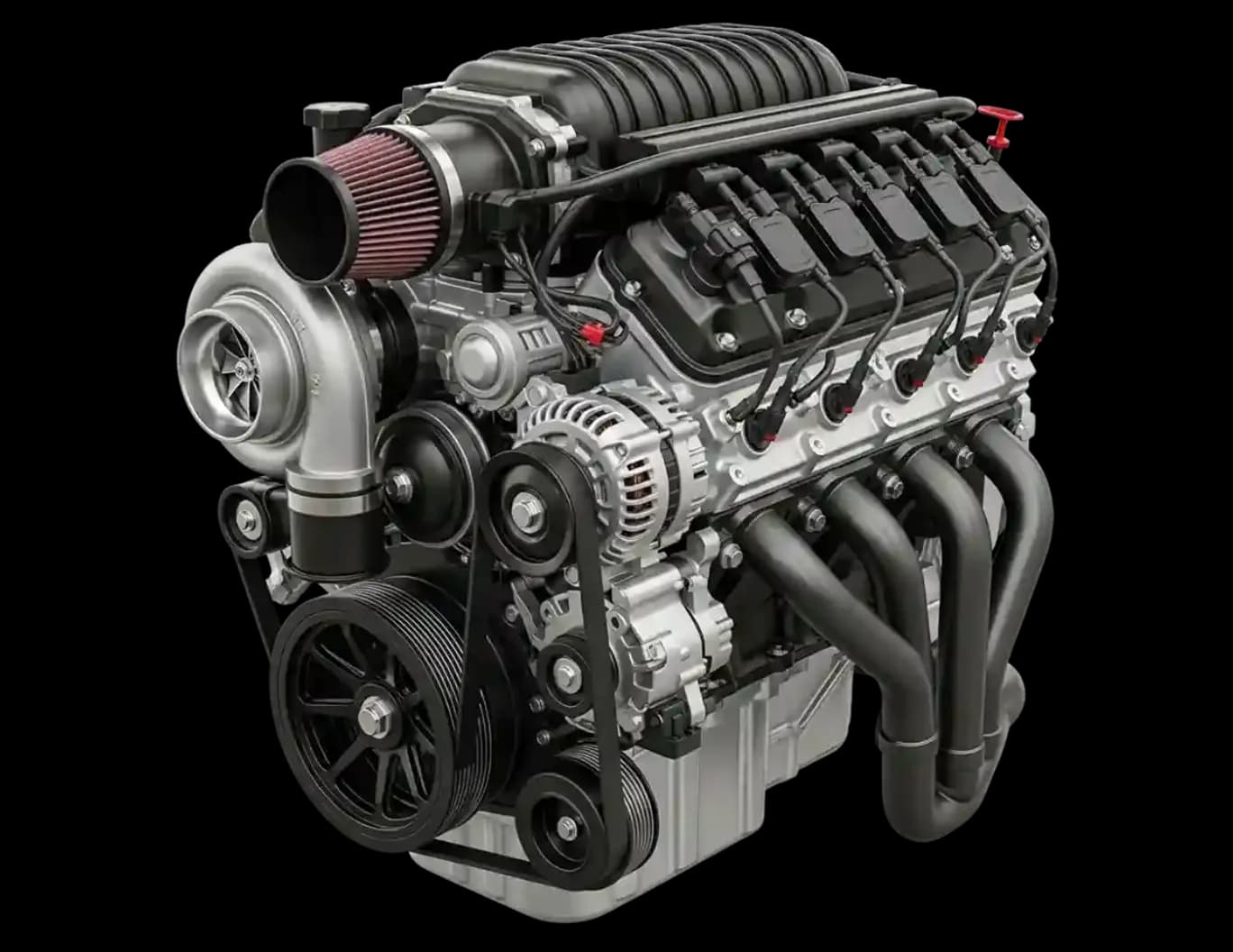
Engine Repair
Zenfo Auto Services provides certified Jeep engine repair in Musaffah, covering diagnostics, timing chain service, rebuilds, and overhauls. Book Now!
Learn more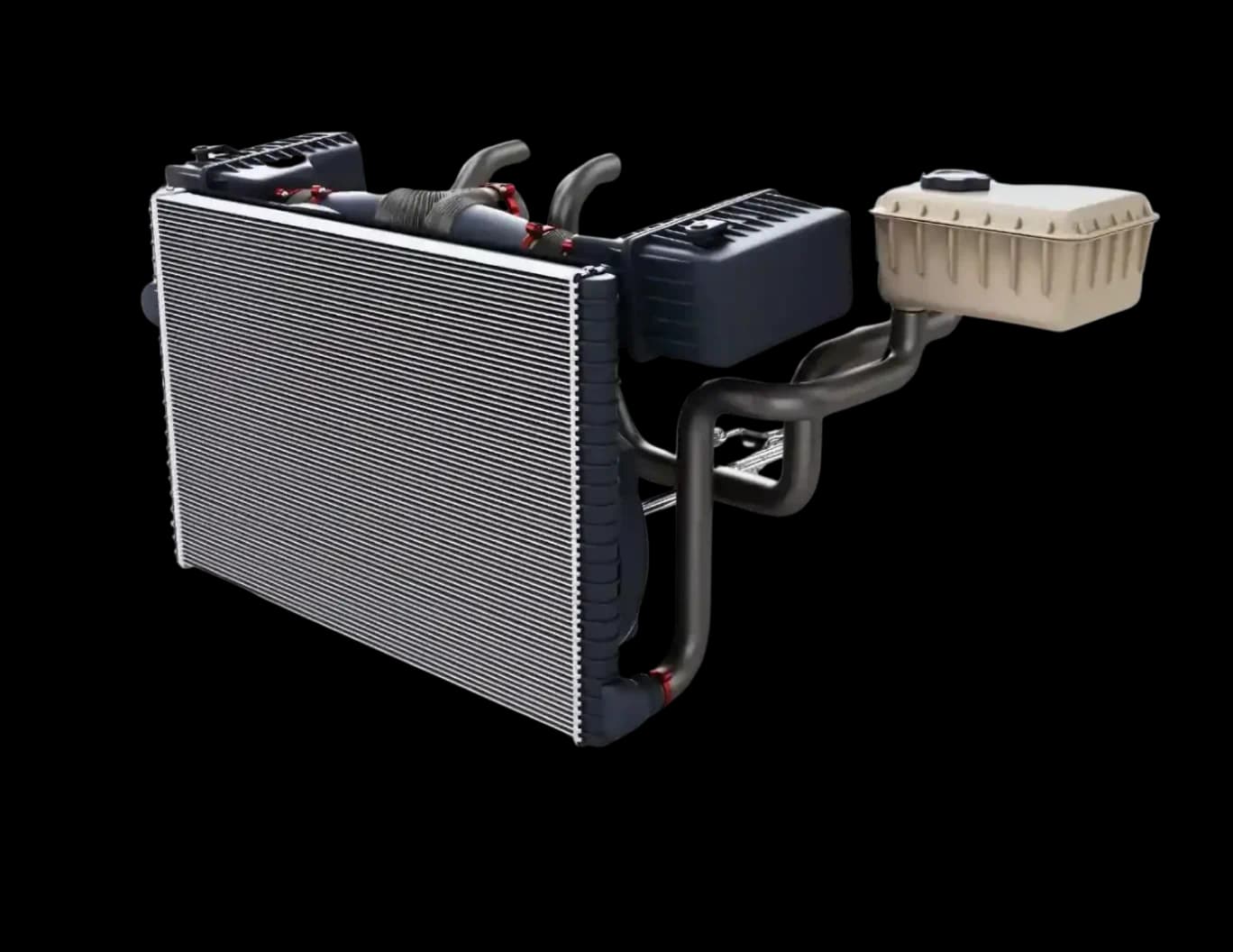
Radiator Repair
Zenfo Auto Services offers Jeep radiator repair in Musaffah, covering leak detection, coolant flush, and full cooling system diagnostics. Book your slot now!
Learn more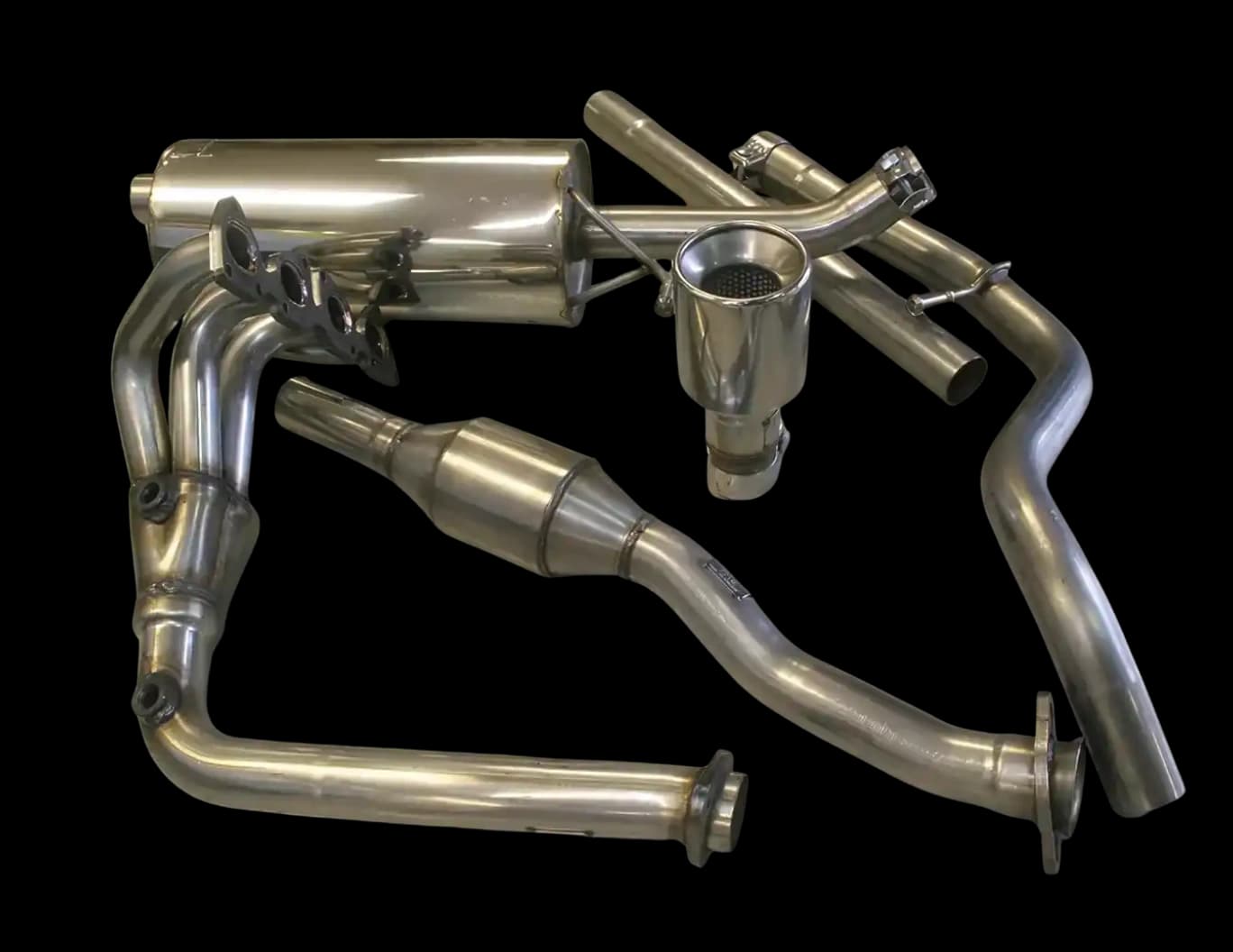
Exhaust Repair
Zenfo Auto Services offers complete Jeep exhaust repair in Musaffah, covering catalytic converters, DPF cleaning, manifold replacement, and full diagnostics.
Learn more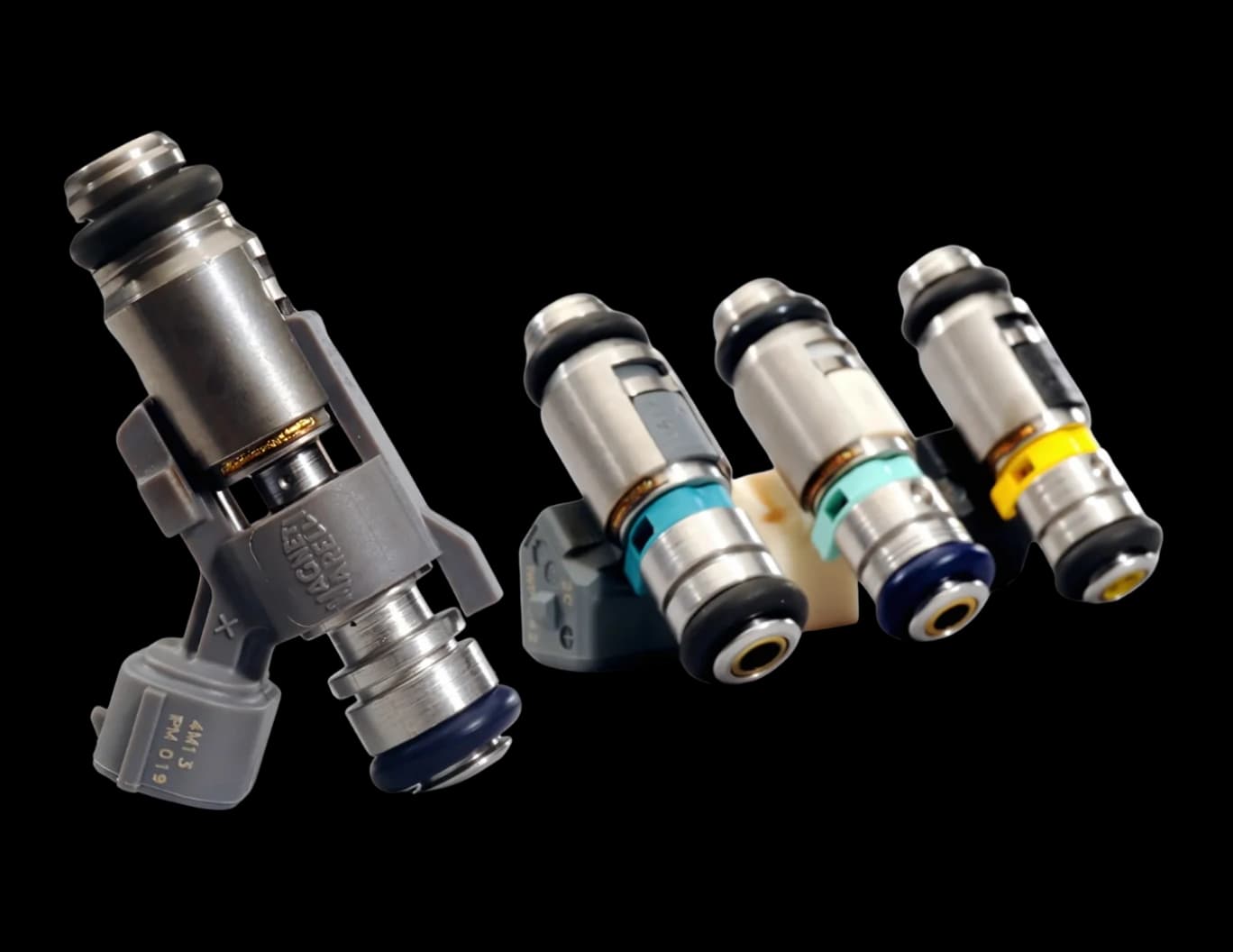
Fuel Injector Cleaning
Professional Jeep fuel injector cleaning and full fuel system servicing at Zenfo Auto Services, Musaffah. OEM parts, certified technicians, and upfront pricing.
Learn more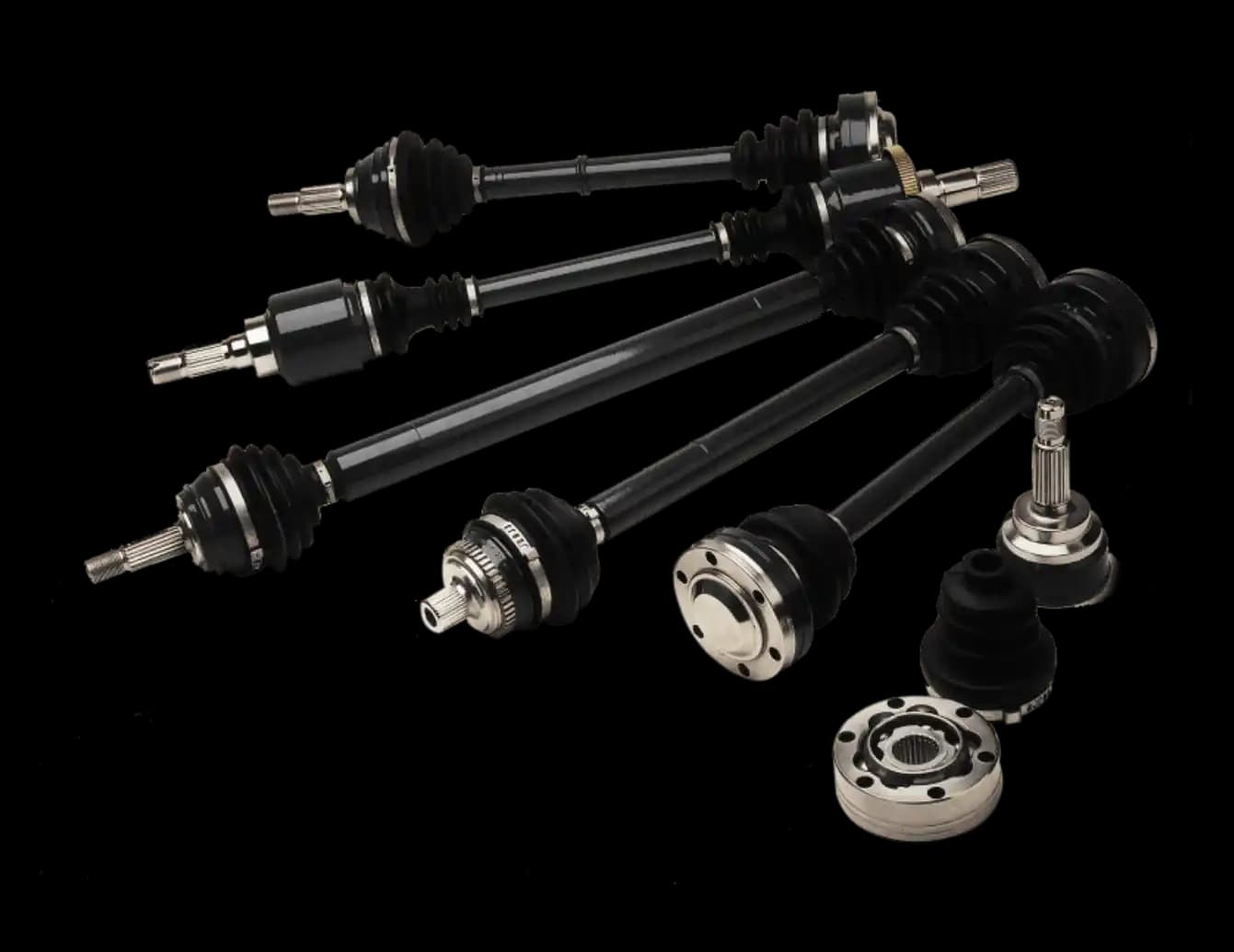
Driveshaft Repair
Zenfo Auto Services provides complete Jeep driveshaft repair in Musaffah, covering CV joint replacement, U-joint overhaul, prop shaft balancing, and diagnostics.
Learn more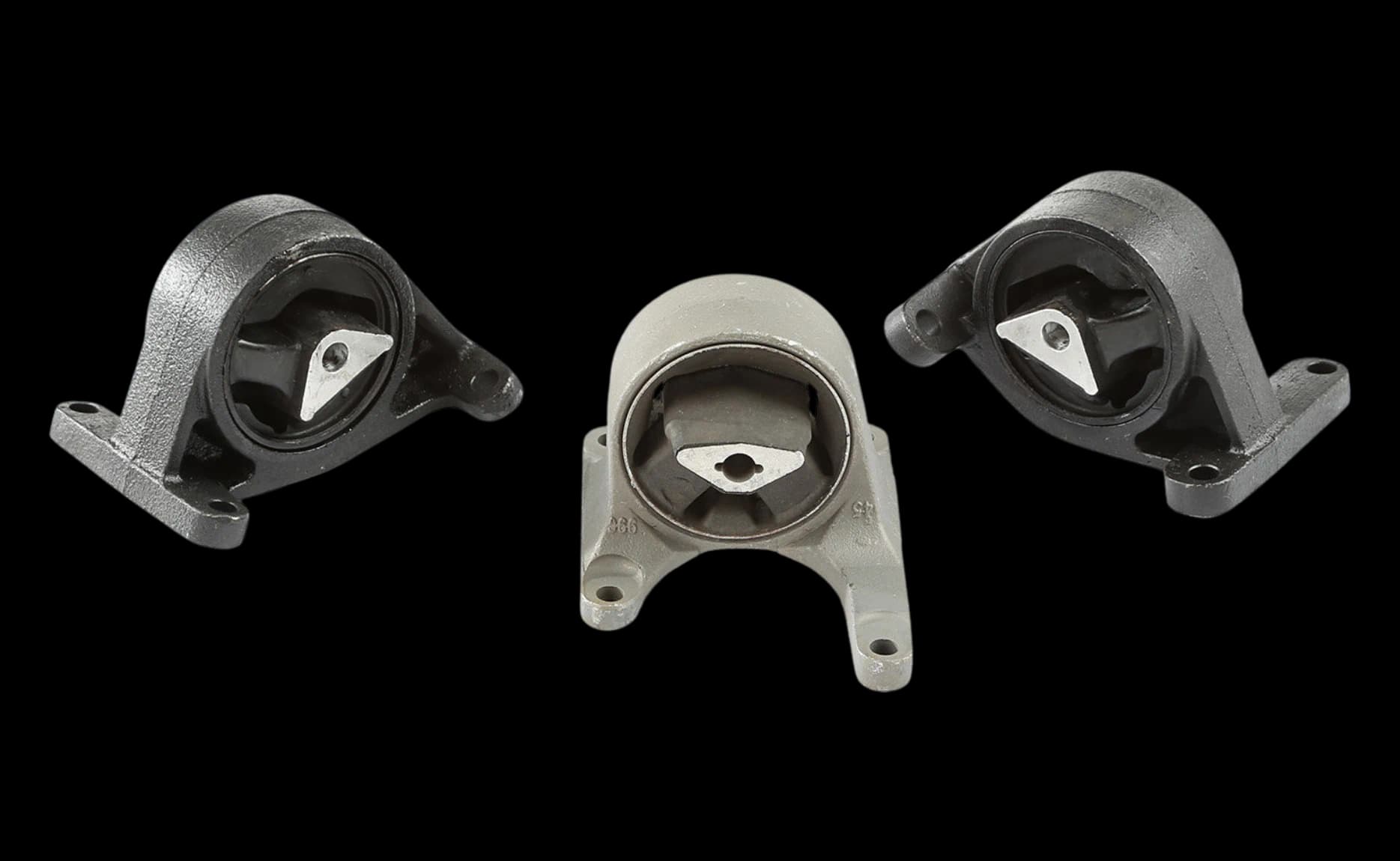
Engine Mount Replacement
Zenfo Auto Services provides certified Jeep engine mount replacement in Musaffah. OEM-grade rubber and hydraulic mounts, torque-spec installation, and inspection.
Learn more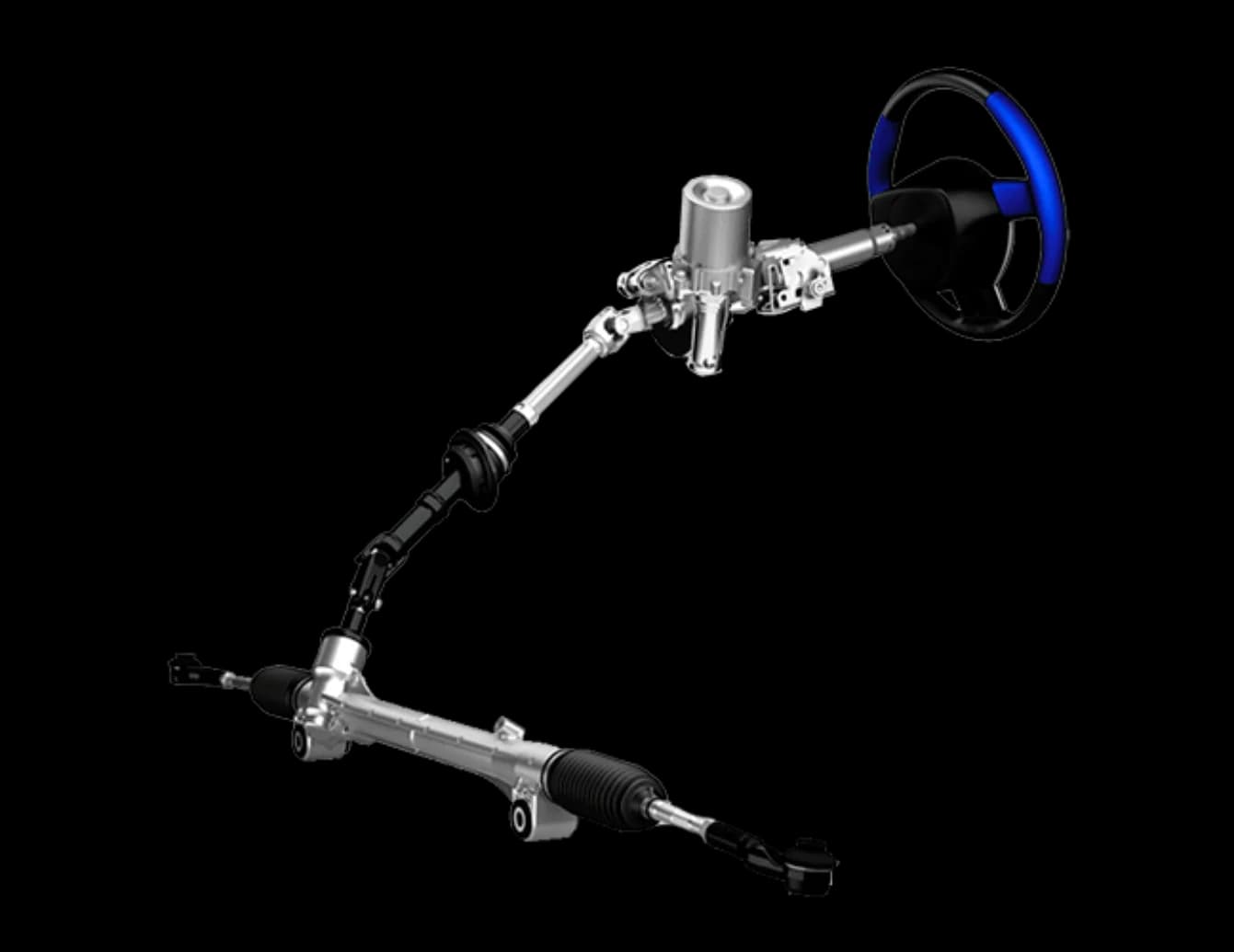
Steering Repair
Zenfo Auto Services provides Jeep steering repair in Musaffah, covering rack and pinion, EPS faults, tie rod replacement, and steering diagnostics. Book now!
Learn more
Leak Repair
Certified Jeep leak repair in Musaffah at Zenfo Auto Services. Engine oil, coolant, transmission and power steering leaks diagnosed by pressure testing.
Learn more
Benefits of Professional Jeep Chassis Repair
Regular chassis repair and structural inspection at correct intervals delivers measurable safety, handling, and long-term cost benefits for your Jeep.
| Benefit | Description | Impact |
|---|---|---|
| Structural Safety | Correcting frame rail deviations and subframe damage restores the designed load path through the chassis under braking and collision forces | Verified frame geometry maintains crush zone behaviour and occupant protection within the original vehicle safety design |
| Tyre Life Extension | Proper suspension geometry within ±0.1-degree toe and correct camber settings distributes contact patch load evenly across the tyre tread | Correct alignment can extend front tyre service life by 15,000 to 25,000 km compared to operation outside OEM geometry tolerances |
| Steering Precision | Replacing worn tie rods, track bars, and ball joints restores a defined steering response and eliminates vague or inconsistent wheel feedback | Correct front-end geometry reduces steering correction frequency and driver fatigue during extended highway driving |
| Drivetrain Protection | Accurate axle alignment and correct pinion angle prevent vibration transmission through the driveshaft at operating speeds above 80 km/h | Correct pinion angle within ±1 degree reduces U-joint stress cycling and extends driveshaft service life significantly |
| Fuel Efficiency | Correctly aligned suspension reduces rolling resistance caused by tyre scrub from misaligned axles and incorrect toe settings | Front axle toe correction within OEM limits can reduce rolling resistance losses by 3% to 5% in urban driving conditions |
| Manufacturer Warranty Compliance | Chassis repairs using OEM-specification components and torque values maintain the structural system within factory design parameters | Complete chassis repair records using genuine parts support Jeep manufacturer warranty claims and improve resale value |
| Off-Road Capability | Verified suspension geometry and intact structural components maintain the correct approach angle, breakover angle, and articulation travel for off-road use | Correct chassis alignment preserves the Wrangler and Gladiator's full suspension droop and ramp-travel index as designed |
Maintenance Tips After Jeep Chassis Repair
Following these structured practices between service intervals maintains the integrity of repaired chassis components and extends the service life of newly installed parts.
- Monitor Suspension Noise for the First 30 Days: Check for any new knocking, squeaking, or rattling after repairs. Report any noise returning within the first 500 km.
- Allow Fastener Settling Before Off-Road Use: Newly torqued suspension fasteners benefit from 300 to 500 km of road use before aggressive off-road articulation cycles are applied.
- Avoid Deep Water Crossings Near Repaired Bushings: Prolonged water submersion above the axle centreline within the first 1,000 km can accelerate initial wear in newly installed rubber bushing materials.
- Inspect Repaired Areas After First Off-Road Session: After any trail use following chassis repair, visually inspect all repaired pivot points, fastener heads, and frame brackets for movement or seepage.
- Check Tyre Wear Pattern at Each Fuel Stop: Uneven tyre wear developing within the first 5,000 km after alignment indicates a suspension component that requires re-examination.
- Service Steering Linkage Grease Points at Each Oil Change: Greaseable ball joints and tie rod ends on Jeep solid-axle models require lubrication every 10,000 km to prevent accelerated wear at the pivot contact surface.
- Schedule a Follow-Up Alignment Check at 5,000 km: A post-repair alignment verification at 5,000 km confirms that all geometry settings remain within OEM tolerance after initial component bedding.
Jeep Models, We Service in Musaffah
Zenfo Auto Services provides chassis diagnosis and full structural repair for the complete range of Jeep models at our Musaffah workshop.
Portfolio
Our Recent Work
Tap any photo to view the full set.
Questions answered
Frequently Asked Questions
What does a Jeep chassis inspection at your workshop include?
A standard chassis inspection covers visual assessment of all frame rails, crossmembers, and suspension mounting points. It also includes 3D laser alignment measurement of front and rear axle geometry, inspection of all ball joints, bushings, and tie rod ends for play beyond tolerance, and a full review of steering linkage condition and skid plate integrity.
How do I identify whether my Jeep has a chassis or suspension problem?
Steering pull on a level road, audible knocking under the suspension during bumps, uneven tyre wear on inner or outer edges, and visible ride height differences between sides are the most common indicators. Frame corrosion at weld seams, visible cracks at crossmember joints, or changes in handling behaviour after off-road use also point toward a structural or suspension issue requiring inspection.
How long does a Jeep chassis repair typically take?
Control arm bushing and ball joint replacements take 1 to 3 hours. Track bar renewal and tie rod replacement are completed within 2 to 3 hours. Full suspension geometry correction with 3D alignment takes 4 to 6 hours. Frame straightening and subframe repair require 6 to 8 hours, depending on the extent of structural deviation and the Jeep model involved.
Do you use OEM components for Jeep chassis repairs?
Yes. All control arms, ball joints, bushings, track bars, tie rods, springs, shock absorbers, and structural fasteners used across every Jeep chassis repair are OEM-approved components matched to the correct specification for each model, trim level, and suspension configuration. Non-OEM substitutes are not used in structural repairs.
Can you repair chassis damage caused by off-road use?
Yes. Impact damage to frame rails, bent suspension arms, cracked spring perches, and distorted skid plates from off-road use are all assessed and repaired at our Musaffah workshop. A full chassis datum check using laser measurement equipment confirms the extent of structural deviation, and hydraulic straightening or component replacement is carried out to restore the frame and suspension to within OEM tolerances.
Do you carry out 3D wheel alignment after chassis repairs?
Yes. Every chassis repair that affects suspension geometry, including control arm replacement, ball joint renewal, track bar adjustment, and frame correction, is followed by a full 3D four-wheel alignment check. Post-repair alignment measurements are documented in the written service report issued at vehicle handover.
Does a repaired chassis component come with a warranty?
Yes. All chassis repair work carried out at our Musaffah workshop includes a repair warranty covering the replaced component or structural correction performed. The warranty period and specific terms are confirmed on the written service report provided at vehicle handover.
How often should I have my Jeep's chassis inspected?
Chassis and suspension integrity should be assessed at every 15,000 km service interval or immediately upon observing any of the warning signs described above. Jeep models used regularly on off-road terrain or graded roads benefit from a full chassis inspection every 5,000 km due to the elevated structural stress placed on frame rails, suspension pivot points, and steering linkage components.
Need your Jeep looked at today?
Same-day slots for battery, oil service, brake pads, tyre fitting, AC recharge and ECU coding. Written estimate before any work begins.
Near 21, As Salami 8 St, Musaffah Industrial Area, M9, Abu Dhabi, United Arab Emirates