Zenfo Auto Services · Mussafah
Certified Jeep Gearbox & Transmission Repair Specialists in Musaffah
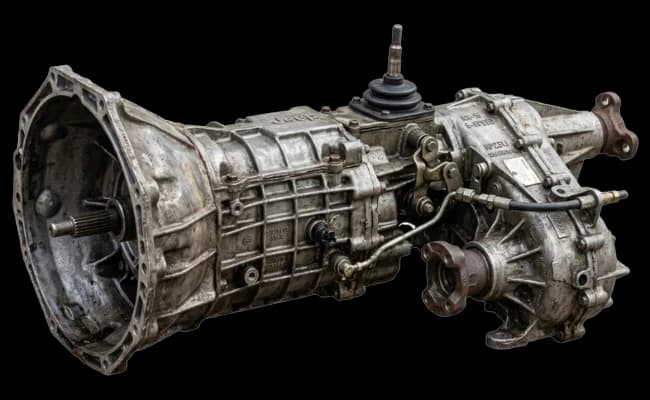
Zenfo Auto Services delivers full-scope Jeep transmission repair in Musaffah, covering automatic and manual gearbox overhaul, torque converter service, valve body reconditioning, solenoid replacement, and TCM diagnostics using OEM-grade components.
- Open daily (Mon – Sun): 09:00 – 21:00
- Musaffah Industrial Area, M9, Abu Dhabi
- Years of Experience
- 10+Years of Experience
- Satisfied Clients
- 100%Satisfied Clients
- Pickup & Delivery Service
- 24/7Pickup & Delivery Service
- Quick Service
- 2xQuick Service
- 4.9 ★ Google reviews
- Free pick-up & delivery
- OEM-grade parts
- 12-month repair warranty
- Written estimate before any work
- Jeep-specific diagnostic software
- Certified Jeep technicians
- 24/7 breakdown assistance
- Same-day slots available
Why Choose Zenfo Auto Services for Jeep Transmission Repair in Musaffah?
Transmission faults on Jeep models affect shift quality, torque converter lockup efficiency, and overall drivetrain reliability across all terrain conditions. Every gearbox repair at the Musaffah workshop follows OEM hydraulic circuit pressures, clutch pack clearances, and shift solenoid timing calibrations. This ensures correct power delivery, smooth gear progression, and long-term internal component durability across city and off-road driving.
Certified Jeep Transmission Technicians
Technicians are trained on Jeep automatic and manual transmission systems, including ZF, Aisin, and NAG1 gearboxes. Every repair follows structured inspection procedures covering hydraulic pressure testing, shift timing calibration, and drivetrain performance verification according to OEM operating standards.
Genuine OEM Transmission Parts & Specialist Equipment
Only OEM-approved clutch packs, torque converters, valve bodies, seals, and solenoids are installed during repairs. Advanced workshop equipment, including hydraulic pressure testers, TCM programming tools, and live data scan systems, verifies correct transmission operation after every completed service.
Efficient Transmission Service Turnaround
Transmission fluid servicing and solenoid cleaning are completed within several hours on most Jeep models. Major gearbox repairs and rebuilds require additional time depending on internal wear and parts availability. Multiple vehicles are serviced daily without reducing inspection quality or accuracy.
Clear and Consistent Pricing
All transmission repair costs are confirmed before work begins, including labour, fluid, replacement parts, and diagnostic procedures. Customers receive a written service report listing pressure readings, replaced components, clutch pack measurements, and post-repair shift performance verification after vehicle handover.
Jeep Transmission Repair Services We Provide
Transmission Diagnostic & Fault Code Analysis
Transmission diagnostics identify faults affecting shift quality, torque transfer, and gearbox performance during operation. OBD-II scan tools retrieve transmission fault codes and live sensor data. Hydraulic pressure testing confirms whether issues originate from solenoids, clutch packs, or internal mechanical components.
Automatic Transmission Fluid (ATF) Service & Filter Replacement
Automatic transmission fluid loses viscosity stability and friction protection under excessive operating temperatures and heavy driving conditions. Old fluid accelerates clutch wear and hydraulic contamination. Fluid replacement with OEM filters restores proper hydraulic pressure, lubrication performance, and smooth gear engagement characteristics.
Valve Body Overhaul & Replacement
The valve body controls hydraulic pressure distribution for clutch engagement and gear selection inside the transmission assembly. Worn valves and contaminated passages cause delayed or harsh shifting behaviour. Each valve body is cleaned, inspected, and rebuilt using OEM replacement components.
Torque Converter Service & Replacement
The torque converter transfers engine power hydraulically during low-speed operation and lockup conditions. Internal clutch wear often produces vibration or shudder during acceleration. Replacement includes contamination flushing, converter installation, and verification of proper lockup operation through diagnostic road testing procedures.
Clutch Pack & Friction Disc Renewal
Transmission clutch packs engage specific gear ratios through hydraulic pressure applied to friction discs and steel plates. Worn friction material reduces shift quality and increases slippage under load. Complete OEM clutch pack assemblies are installed after accurate clearance measurements and inspection.
Shift Solenoid Replacement & Calibration
Shift solenoids regulate hydraulic pressure flow through electronically controlled pulse signals from the transmission control module. Faulty solenoids create erratic shifting and incorrect gear selection. Replacement is followed by TCM adaptation reset procedures to restore accurate shift response and pressure calibration.
Transmission Input & Output Speed Sensor Replacement
Transmission speed sensors provide shaft rotation data required for gear ratio calculation and shift timing control. Failed sensors often trigger limp-home mode and incorrect shifting behaviour. New OEM sensors are installed and tested to confirm accurate frequency signal output during operation.
Planetary Gearset Inspection & Reconditioning
Planetary gearsets transmit engine torque through multiple gear ratios inside the transmission assembly during operation. Bearing wear and damaged gear teeth create whining noises and internal vibration. Gear surfaces and carrier clearances are inspected carefully before repair or replacement procedures begin.
Transmission Oil Cooler Flush & Line Inspection
The transmission cooler maintains safe operating temperatures during towing, off-road driving, and heavy load conditions. Restricted cooler passages increase fluid temperature and accelerate clutch wear. Cooler lines and fittings are flushed, inspected, and tested for contamination, corrosion, and leakage problems.
Manual Gearbox Overhaul (NSG370 & BA10/5)
Manual Jeep gearboxes develop synchroniser wear that causes grinding during gear engagement and shifting operation. Internal components, including synchro rings, bearings, and shift forks, are inspected carefully during overhaul. Fresh gear oil is filled according to Jeep lubrication specifications afterward.
Transfer Case-to-Transmission Interface Inspection
The transmission output shaft connects directly with the transfer case through a sealed adapter assembly. Damaged seals allow fluid migration between components and increase contamination risks. Shaft runout and seal condition are checked carefully before reassembly to maintain proper drivetrain alignment.
TCM Programming & Adaptation Reset
The transmission control module stores adaptive pressure values based on transmission wear and operating conditions. Internal repairs require adaptation of reset procedures for accurate hydraulic recalibration. Manufacturer-level programming equipment restores correct shift timing, pressure control, and gearbox communication after repair completion.
Transmission Mount & Crossmember Inspection
Transmission mounts support drivetrain alignment and absorb vibration during acceleration and gear engagement conditions. Worn mounts allow excessive movement that increases driveline stress and vibration. Mount assemblies and crossmembers are inspected for cracks, compression damage, and loose mounting hardware.
Full Transmission Removal, Rebuild & Reinstallation
Complete transmission rebuilding includes gearbox removal, clutch inspection, bearing replacement, valve body servicing, and torque converter renewal. Hydraulic pressure values and shift timing are verified before reinstallation. Final road testing confirms smooth operation, correct lockup engagement, and fault-free gearbox performance.
How to Book a Jeep Transmission Repair Service at Zenfo Auto Services?
Scheduling a Jeep transmission repair at the Musaffah workshop follows three simple steps.
Book a slot
Talk to a Jeep technician, not a contact form
Call or message the workshop and you will speak to someone who works on Jeeps every day. You get a written, itemised estimate before any work starts, and nothing is charged beyond it.
What to send us
- Your Jeep model and year, such as Wrangler JL or Grand Cherokee WK2
- The fault or service you need, plus any warning lights or noises
- Photos or a short video of the problem, if you have them
- Your preferred drop-off day; same-day slots are usually available
- WhatsApp+971 52 515 0820Fastest reply; send photos of the fault
- Call the workshop+971 52 515 0820Same-day slots for oil, brakes, battery and AC
- Emailinfo@zenfoautoservices.aeWritten response within 4 business hours
- Walk in, no appointment neededNear 21, As Salami 8 St, Musaffah Industrial Area, M9, Abu Dhabi, United Arab EmiratesGet directions on Google Maps
Share Your Jeep Details
Provide your Jeep model, model year, current mileage, transmission type (automatic or manual), and a description of the gear change symptom or warning indicator you have noticed. This information allows technicians to prepare the correct OEM transmission components and diagnostic calibration files before the vehicle arrives at the workshop.
Make a Booking
Select a date and time that suits your schedule. Same-day and next-day appointments are available, and a free pickup and delivery service operates across Musaffah for customers who prefer not to bring their Jeep in directly.
We Repair
Certified transmission technicians carry out the complete gearbox repair and issue a written inspection report at job completion. Progress updates are provided at each stage of the repair, including any additional findings identified during internal transmission assessment.
What you get
Key Features We Provide
- Experienced & Certified Mechanics
- 24/7 Breakdown Assistance
- Timely & Efficient Delivery
- Instant Price Quotes
- Free Pickup & Delivery
- Repair Warranty on All Services
When Does Your Jeep Need Professional Transmission Repair?
The following indicators suggest that your Jeep's gearbox or transmission system requires a professional inspection. Addressing these symptoms early prevents further damage to the torque converter, valve body, and internal clutch assemblies.
| Issue | Symptoms / Signs | Possible Cause | Recommended Solution |
|---|---|---|---|
| Delayed or Slipping Gear Shifts | Transmission hesitates before engaging a gear; engine RPM rises without a corresponding increase in vehicle speed | Worn clutch pack friction discs; low ATF level; faulty shift solenoid | ATF level check, solenoid resistance test, hydraulic line pressure measurement, and clutch pack inspection |
| Harsh or Jerky Gear Changes | Noticeable jolt when shifting between gears at normal road speeds; worsens when cold | Contaminated valve body spool valves; incorrect ATF viscosity; TCM adaptive table corruption | Valve body cleaning and measurement, ATF drain and correct-specification refill, and TCM adaptation reset |
| Shudder During Acceleration | Vibration felt through the cabin floor during light-throttle cruising between 60 and 100 km/h | Torque converter lockup clutch slipping; contaminated ATF reducing friction modifier performance | Torque converter lockup test via TCM live data, ATF contamination check, and converter replacement if lockup slip exceeds 30 RPM |
| Transmission Warning Lamp Illuminated | MIL or dedicated transmission warning indicator active; gearbox enters limp-home mode restricted to one gear | DTC stored in TCM from speed sensor failure, solenoid fault, or internal ratio error | OBD-II DTC scan, speed sensor signal verification, solenoid resistance and duty-cycle test |
| Fluid Leak Beneath Vehicle | Dark red or brown ATF pooling under the Jeep near the transmission pan or output shaft area | Worn transmission pan gasket; deteriorated output shaft seal; cracked oil cooler line | Leak point identification, seal and gasket replacement, and ATF level restoration to correct capacity |
| Grinding or Whining Noise | Continuous mechanical whine varying with road speed; grinding during gear engagement on manual gearbox models | Worn planetary pinion bearings; worn synchro rings on manual NSG370 unit | Internal inspection, planetary carrier radial clearance measurement, and synchro ring replacement |
| Overheating Transmission | High transmission temperature warning on instrument cluster; burning smell from underbody area | Blocked transmission oil cooler; low ATF level; sustained towing above rated capacity | Cooler flush, ATF level and condition check, and temperature sensor verification |
| No Movement in Drive or Reverse | Vehicle does not move when Drive or Reverse is selected; engine runs normally | Broken input shaft; completely failed clutch pack; failed torque converter | Full transmission removal and internal strip-down for component assessment |
Our services
Our Jeep Services in Mussafah
Major and Minor Services
Don't wait until it's too late! Book your Jeep major or minor service at Zenfo Auto Services, Musaffah. Genuine parts, transparent pricing & fast turnaround guaranteed.
Learn more
Brake Pad Replacement
Get professional Jeep brake pad replacement and full brake system servicing at Zenfo Auto Services, Musaffah. OEM parts, certified technicians, and transparent pricing.
Learn more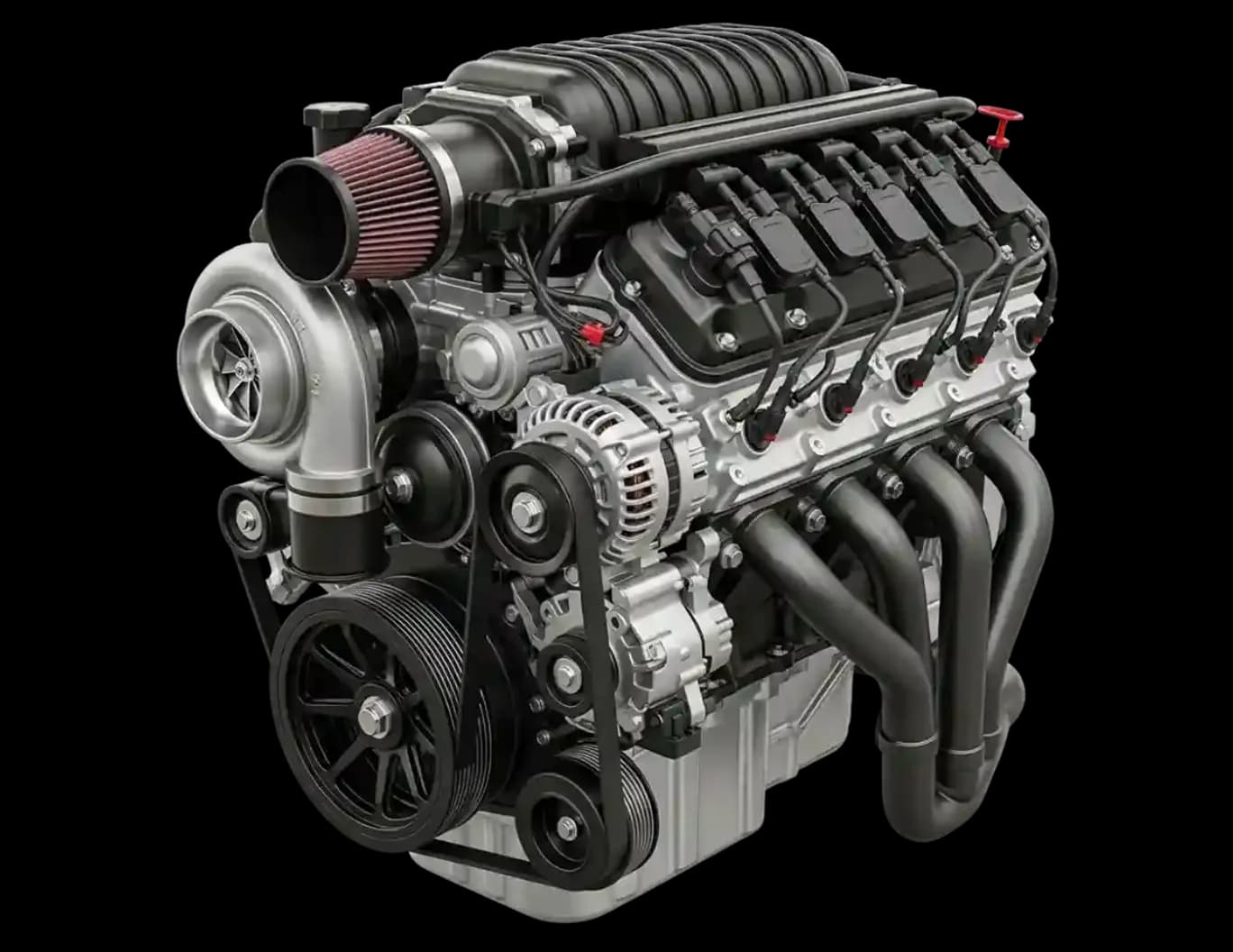
Engine Repair
Zenfo Auto Services provides certified Jeep engine repair in Musaffah, covering diagnostics, timing chain service, rebuilds, and overhauls. Book Now!
Learn more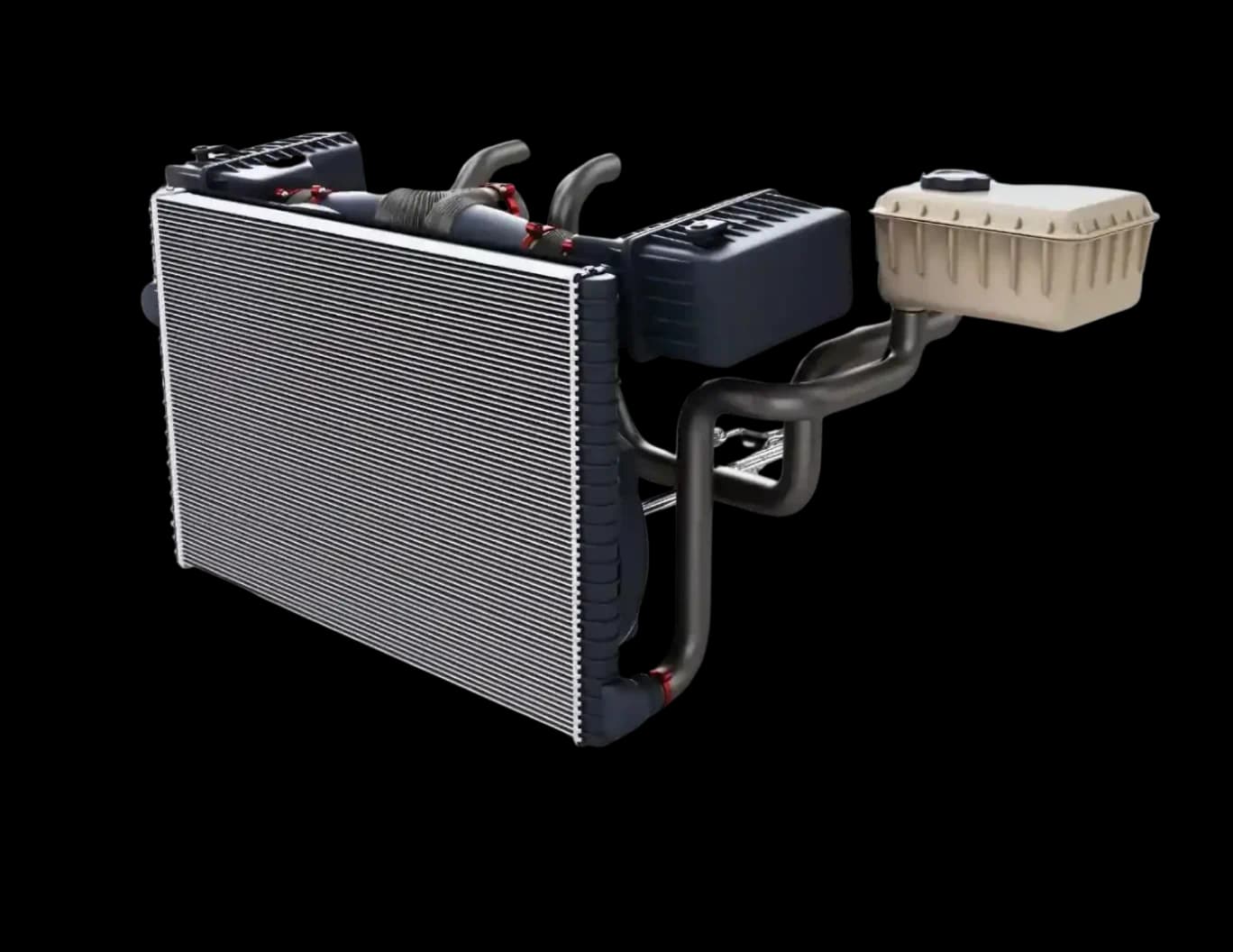
Radiator Repair
Zenfo Auto Services offers Jeep radiator repair in Musaffah, covering leak detection, coolant flush, and full cooling system diagnostics. Book your slot now!
Learn more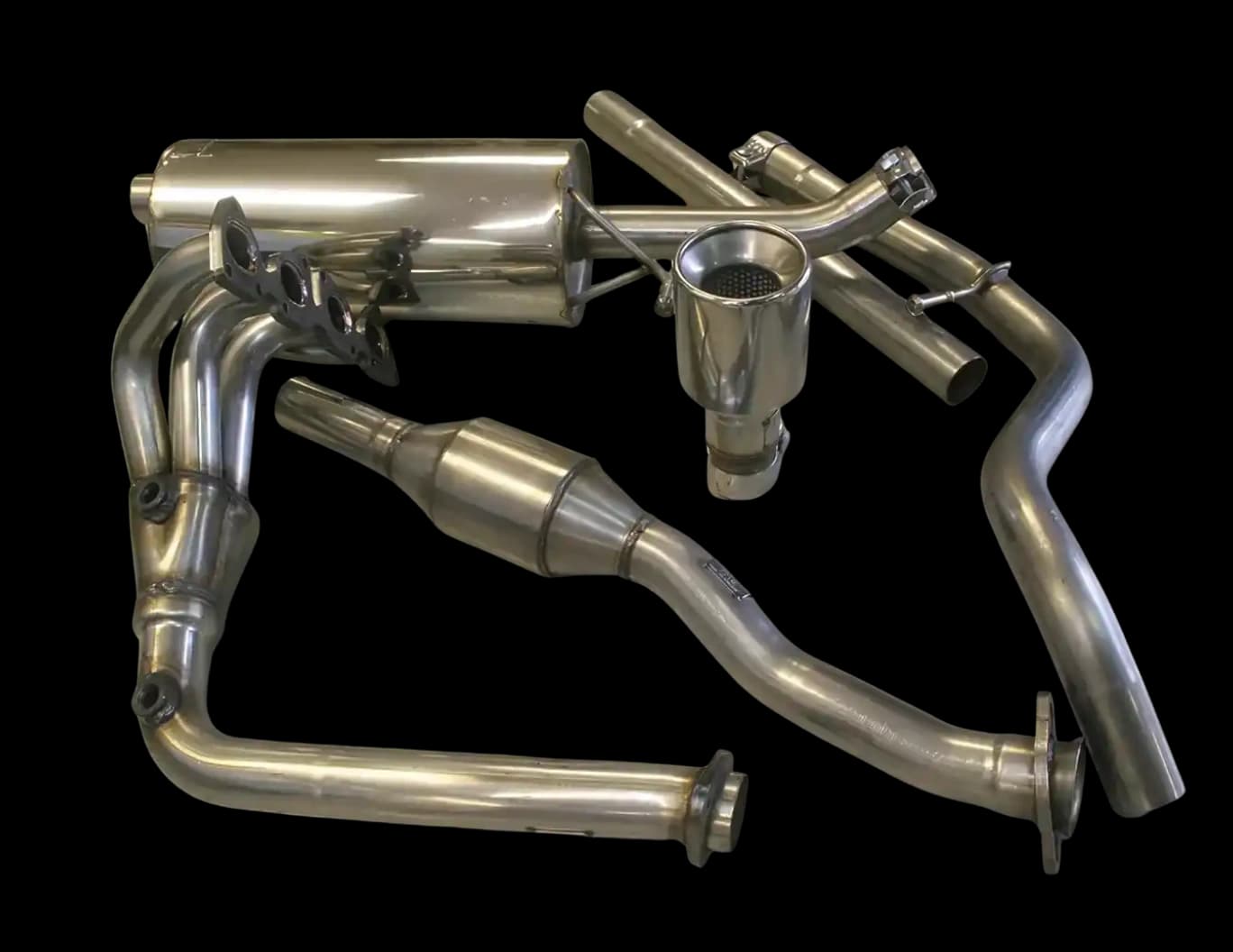
Exhaust Repair
Zenfo Auto Services offers complete Jeep exhaust repair in Musaffah, covering catalytic converters, DPF cleaning, manifold replacement, and full diagnostics.
Learn more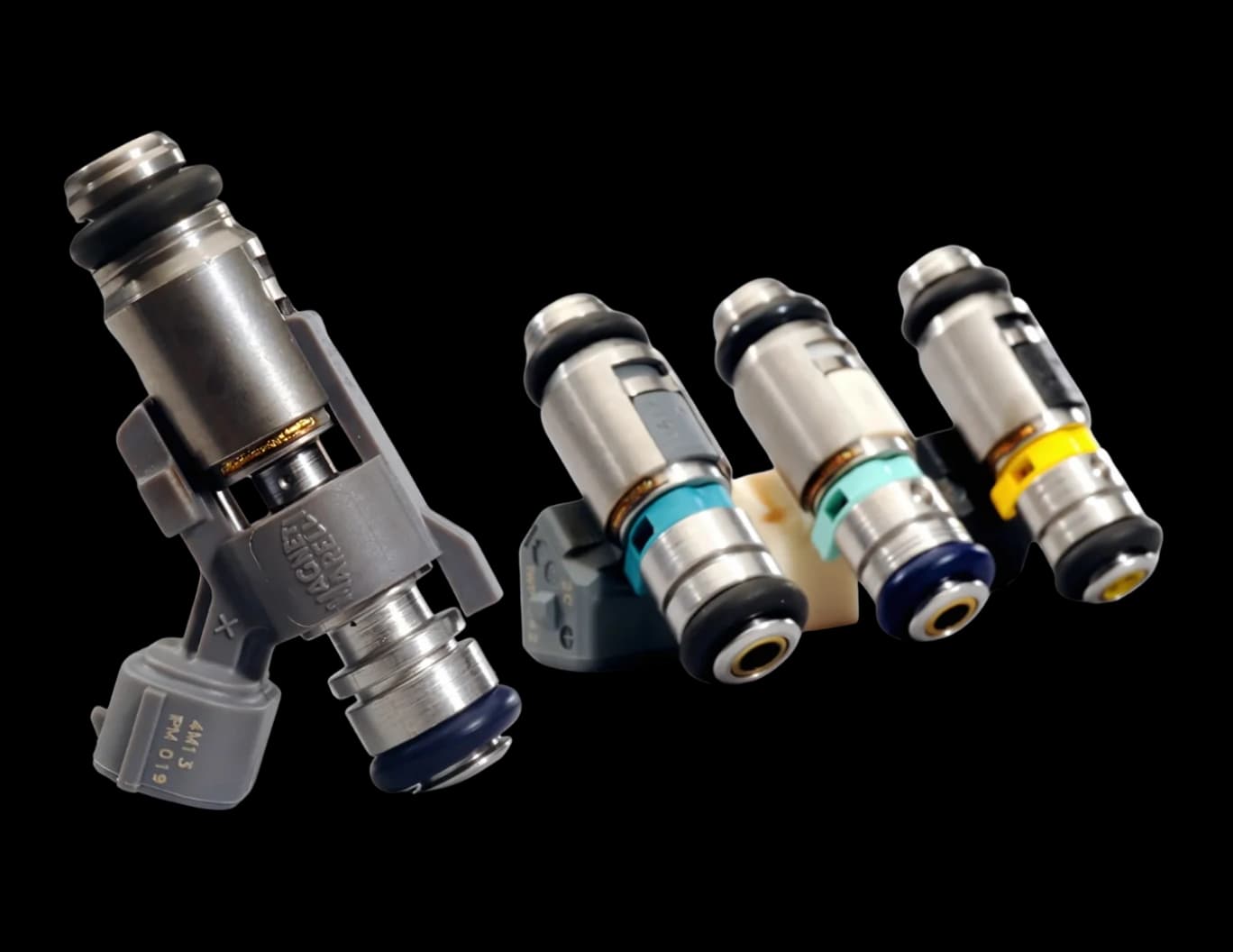
Fuel Injector Cleaning
Professional Jeep fuel injector cleaning and full fuel system servicing at Zenfo Auto Services, Musaffah. OEM parts, certified technicians, and upfront pricing.
Learn more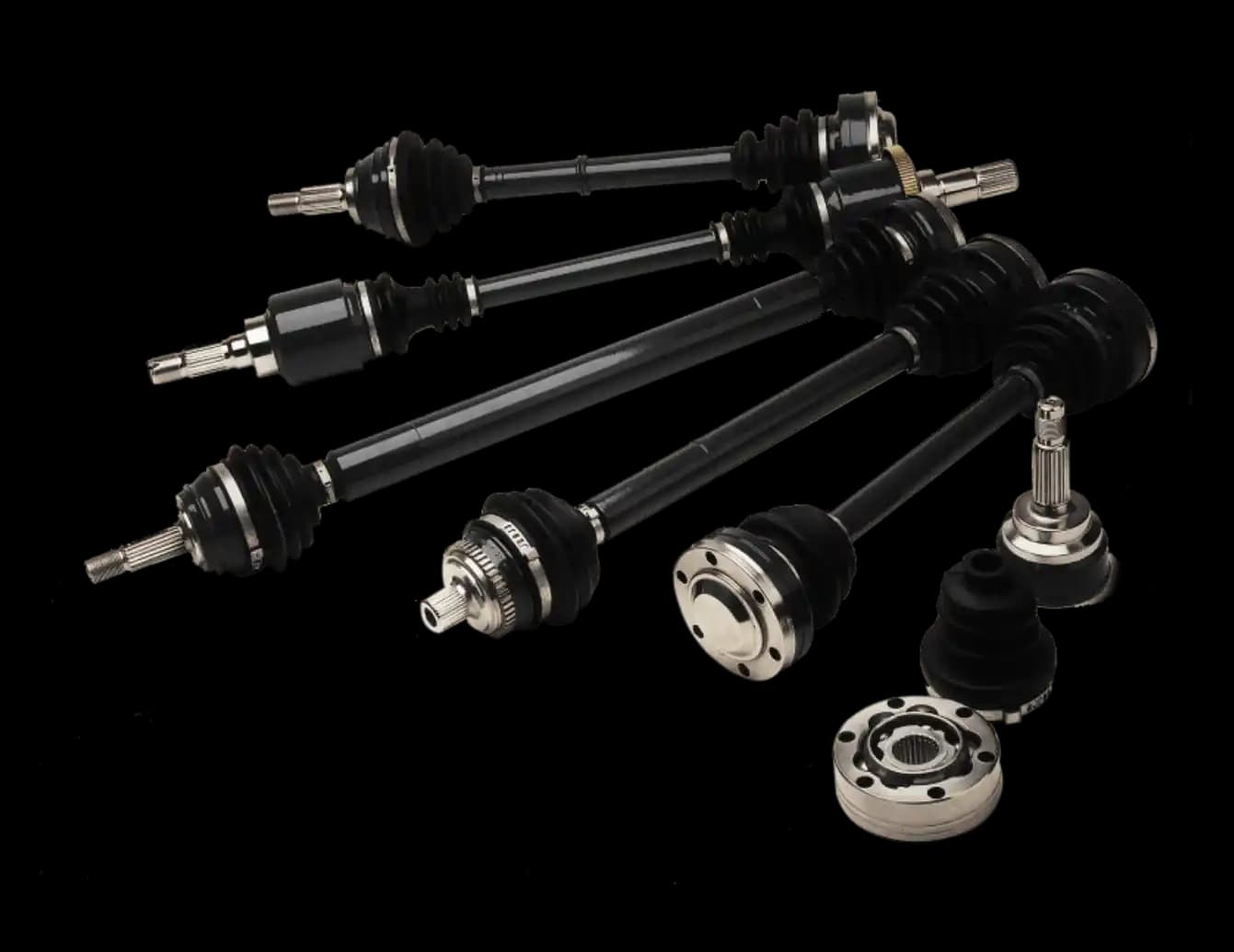
Driveshaft Repair
Zenfo Auto Services provides complete Jeep driveshaft repair in Musaffah, covering CV joint replacement, U-joint overhaul, prop shaft balancing, and diagnostics.
Learn more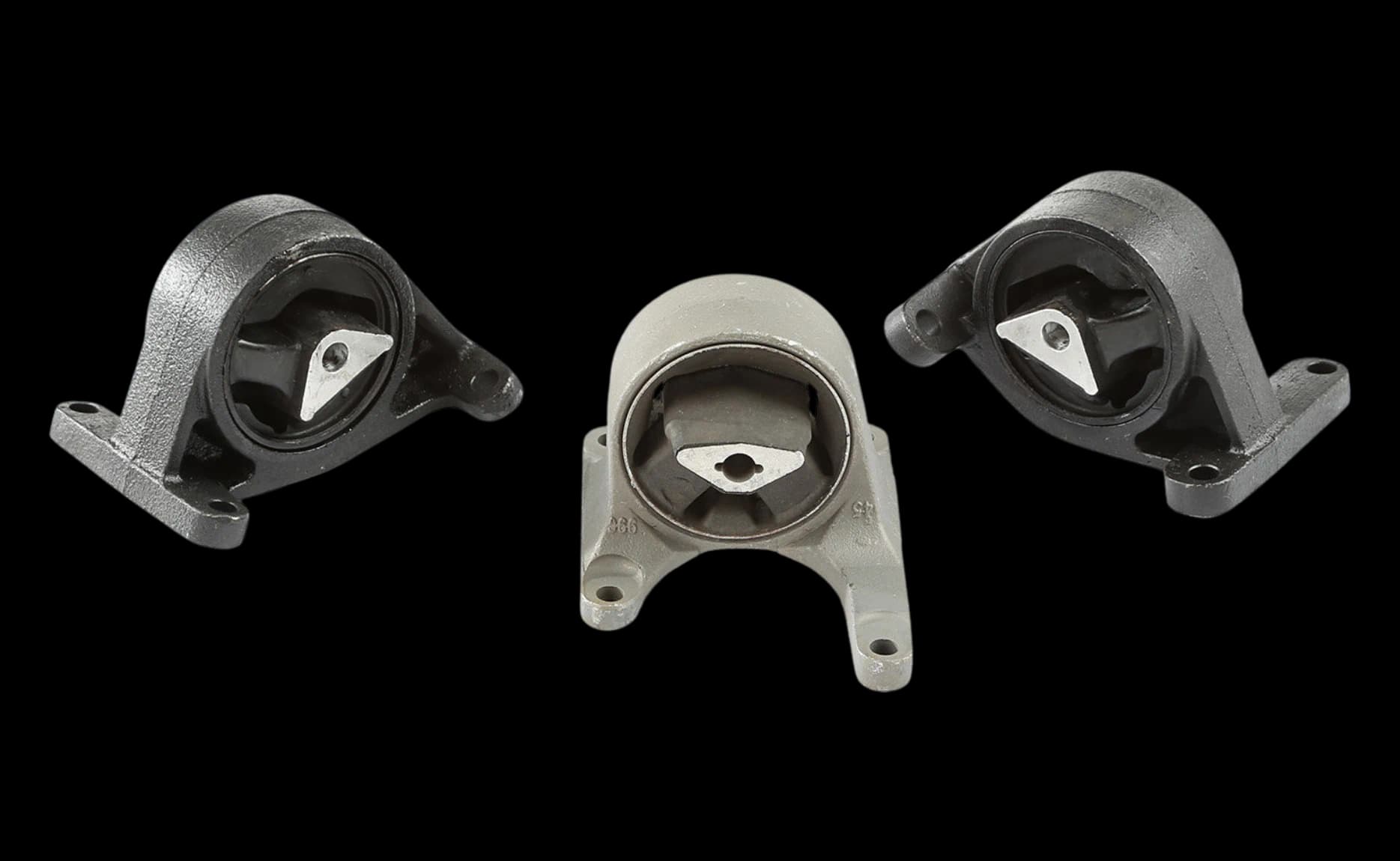
Engine Mount Replacement
Zenfo Auto Services provides certified Jeep engine mount replacement in Musaffah. OEM-grade rubber and hydraulic mounts, torque-spec installation, and inspection.
Learn more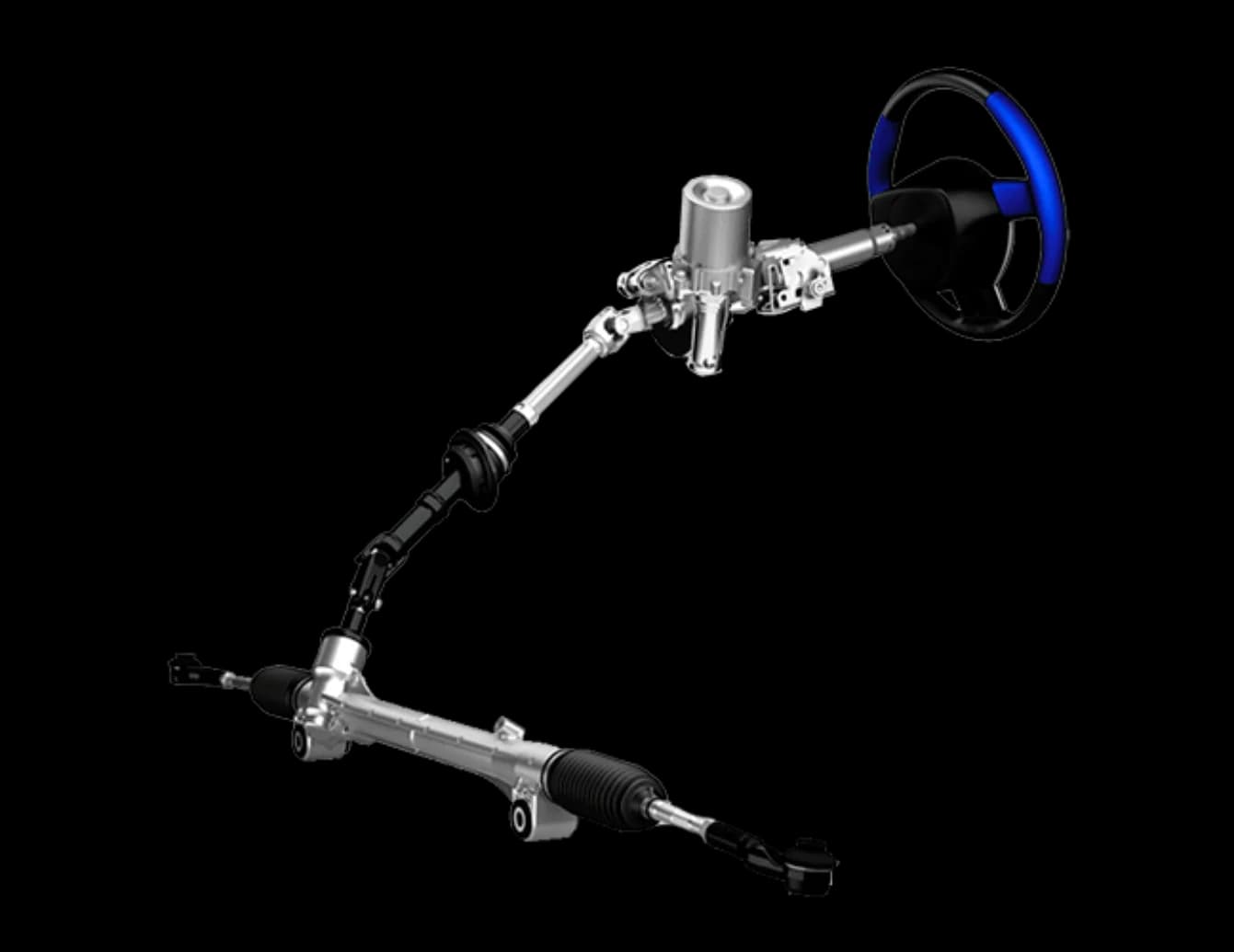
Steering Repair
Zenfo Auto Services provides Jeep steering repair in Musaffah, covering rack and pinion, EPS faults, tie rod replacement, and steering diagnostics. Book now!
Learn more
Leak Repair
Certified Jeep leak repair in Musaffah at Zenfo Auto Services. Engine oil, coolant, transmission and power steering leaks diagnosed by pressure testing.
Learn more
Benefits of Professional Jeep Transmission Servicing
Timely transmission servicing delivers measurable improvements in shift quality, fuel economy, component service life, and drivetrain reliability across all Jeep models.
| Benefit | Description | Impact |
|---|---|---|
| Restored Smooth Gear Shifting | Replacement of worn solenoids, friction discs, and valve body components eliminates shift hesitation and harshness across all gear ranges | A correctly calibrated transmission maintains shift timing within 50 milliseconds of the OEM target across all operating temperatures |
| Improved Torque Transfer Efficiency | Correct clutch pack clearances and solenoid duty cycles ensure full hydraulic engagement without energy loss through clutch slippage | Proper clutch pack clearance reduces internal slip losses and can recover fuel economy to within 2% of the manufacturer's rated figure |
| Extended Transmission Service Life | Addressing ATF degradation, filter blockage, and solenoid wear early prevents accelerated clutch glazing and valve body bore erosion | Regular ATF and filter replacement at 60,000 km intervals can extend internal component service life by up to 40% compared to neglected units |
| Maintained Off-Road & Towing Capability | Correct torque converter function and clutch pack integrity ensure consistent low-speed torque multiplication for off-road terrain and trailer towing | A correctly functioning torque converter provides a stall torque multiplication ratio of 1.8 to 2.4:1 for low-speed pulling capability |
| Reduced Transmission Operating Temperature | A clean oil cooler and fresh ATF maintain sump temperatures below 90°C, preventing accelerated seal deterioration and friction material breakdown | Every 10°C reduction in operating temperature approximately doubles the service life of ATF friction modifier additives |
| Resale & Warranty Compliance | Complete transmission service records with OEM parts support, manufacturer drivetrain warranty validity, and confirm correct gearbox function to future buyers | Full transmission service documentation contributes to resale value retention and meets UAE technical inspection standards for drivetrain integrity |
Maintenance Tips After Jeep Transmission Repair
- Allow Transmission Adaptation to Complete Before Spirited Driving: Drive at moderate speeds and through all gear ranges for the first 200 km following a TCM adaptation reset to allow the control module to relearn correct hydraulic pressure values for the rebuilt components.
- Monitor ATF Colour and Level Within the First 1,000 km: Check the transmission fluid colour and level at the 1,000 km mark after any internal rebuild. A darkening colour or a drop in fluid level below the MIN mark on the dipstick indicates an early leak or residual internal debris requiring immediate inspection.
- Inspect the Transmission Pan at the First Service Post-Repair: A small quantity of metallic debris in the pan is acceptable during the initial run-in period. Debris accumulation exceeding fine metallic particles on the magnetic drain plug after the first 5,000 km indicates abnormal wear requiring further diagnosis.
- Avoid Sustained Towing Immediately After a Cooler Flush: Allow 500 km of standard driving after a transmission cooler flush before resuming trailer towing. This allows the fresh ATF to fully circulate and reach stable operating viscosity throughout the hydraulic circuit.
- Do Not Switch Between Drive and Reverse While the Vehicle is Still Rolling: Engaging Reverse with forward motion above 3 km/h places sudden reverse torque on the planetary carrier pinion pins, accelerating wear beyond the 0.003-inch radial clearance limit.
- Schedule a Follow-Up Transmission Check at 3,000 km Post-Repair: A hydraulic pressure test and OBD-II scan at 3,000 km confirms that all replaced components are functioning within specification and that no new DTCs have been stored since the repair was completed.
Jeep Models, We Service in Musaffah
Zenfo Auto Services provides gearbox and transmission repair for the complete range of Jeep models at our Musaffah workshop.
Portfolio
Our Recent Work
Tap any photo to view the full set.
Questions answered
Frequently Asked Questions
What does a Jeep transmission repair service at your workshop include?
A standard transmission repair covers OBD-II DTC scanning across the TCM and PCM, hydraulic line pressure measurement at primary and secondary test ports, shift solenoid resistance and duty-cycle verification, clutch pack clearance measurement with a feeler gauge, torque converter slip speed assessment through TCM live data, ATF condition and level check, and a structured multi-range road test. A written service report confirming all pressure readings, clearance measurements, and DTC status is issued at vehicle handover.
How do I know if my Jeep needs a valve body overhaul or a full transmission rebuild?
A valve body overhaul is appropriate when shift quality faults originate from spool valve wear, separator plate cracking, or solenoid bore contamination. At the same time, internal clutch pack clearances and planetary gear condition remain within OEM tolerance. A full rebuild is required when clutch friction material is below the minimum thickness, when planetary pinion bearing radial clearance exceeds 0.003 inches, or when debris contamination indicates widespread internal wear. Both conditions are assessed through hydraulic pressure testing and internal inspection before any parts are ordered.
How long does a Jeep transmission repair take?
An ATF service with filter replacement takes 2 to 4 hours. A valve body overhaul or solenoid replacement takes 4 to 8 hours. A full transmission removal, rebuild, and reinstallation covering clutch packs, planetary components, and bearing renewal takes 2 to 4 working days, depending on internal wear findings, OEM parts availability for the specific Jeep model, and any additional TCM programming requirements identified during the repair.
Can a slipping transmission be fixed without a full rebuild?
In many cases, yes. If slippage originates from a single worn solenoid, a clogged valve body circuit, or low ATF level causing insufficient hydraulic clutch engagement pressure, targeted repair resolves the fault without full disassembly. A full rebuild becomes necessary when clutch pack clearance exceeds 1.5 mm across multiple packs, indicating friction disc wear beyond the serviceable limit. Hydraulic line pressure testing and internal inspection confirm which repair path is appropriate before any work begins.
Do you service Jeep models with hybrid or 4xe transmission configurations?
Yes. The Jeep Wrangler 4xe uses a hybrid module integrated with the ZF 8HP75H automatic transmission, combining an electric motor, disconnect clutch, and conventional torque converter within the same housing. Repair procedures for this unit require high-voltage isolation protocols, specific hybrid-compatible ATF, and manufacturer-level TCM and hybrid control module programming. Separate tooling and calibrated insulated equipment are used for all 4xe transmission work in compliance with high-voltage safety standards.
What causes harsh or delayed shifting on a Jeep automatic transmission?
Delayed or harsh shifting typically originates from one of four sources: contaminated ATF that has lost its viscosity index and friction modifier properties; solenoid resistance outside the 12 to 25 ohm range, preventing correct hydraulic pressure switching; valve body spool valve wear that allows internal pressure bypass; or a corrupted TCM adaptive pressure table following a battery disconnect or module replacement. Each cause produces distinct hydraulic pressure signatures that can be identified through line pressure testing and TCM live data analysis before disassembly.
How often should transmission components be inspected on a Jeep?
ATF condition and level should be checked at every 20,000 km service interval, with a full drain, filter replacement, and refill recommended at 60,000 km for vehicles used in severe-duty conditions, including towing, off-road use, or frequent stop-start driving. Solenoid function and shift timing are assessed during any OBD-II diagnostic scan. Torque converter lockup behaviour and clutch pack condition are evaluated if shift quality complaints arise between scheduled service intervals.
Do you clear transmission fault codes after completing the repair?
Yes. All transmission-related DTCs stored in the TCM, PCM, and ABS module are cleared using OBD-II scan tools only after the specific fault has been repaired and physically confirmed through measurement or road test. Codes are cleared once hydraulic pressure readings, solenoid duty-cycle data, and shift timing all fall within OEM specifications. This process prevents a stored historical code from reappearing on the first drive and confirms to the customer that the fault has been resolved rather than erased.
Need your Jeep looked at today?
Same-day slots for battery, oil service, brake pads, tyre fitting, AC recharge and ECU coding. Written estimate before any work begins.
Near 21, As Salami 8 St, Musaffah Industrial Area, M9, Abu Dhabi, United Arab Emirates