Jeep Lower Control Arm Replacement & Suspension Geometry Service in Musaffah
800Sayara performs lower control arm (LCA) replacement and full front suspension assessment for all Jeep models in Musaffah, using OEM-grade components, calibrated alignment equipment, and technicians trained in Jeep-specific suspension geometry systems.
Years of Experience
Satisfied Clients
Pickup & Delivery Service
Quick Service
Why Choose 800Sayara for Jeep Lower Control Arm Services in Musaffah?
Our suspension specialists handle every Jeep lower control arm and bushing replacement. We follow OEM torque specifications and precise wheel geometry standards. All work uses manufacturer-grade alignment and fastening equipment.
Certified Jeep Suspension Technicians
Our technicians hold manufacturer-level certifications covering Jeep suspension systems. They are trained on LCA geometry, ball joint ratings, and subframe diagnostics. Both solid axle and IFS configurations are fully supported.
Genuine OEM Lower Control Arm Components & Precision Equipment
Only OEM-approved forged steel arms, polyurethane bushings, hardened ball joints, and Grade-8 fasteners are used. Digital torque wrenches and computerised alignment machines ensure correct caster, camber, and full bracket compatibility.
Efficient Lower Control Arm Service Turnaround
A single LCA replacement takes 90 to 150 minutes. A full front suspension overhaul takes 4 to 6 hours. Multiple vehicles are serviced simultaneously to keep wait times manageable.
Clear and Consistent Pricing
All service costs are confirmed before work begins. Pricing covers parts, labour, and full suspension inspection findings. No additional charges are added after the job starts.
Jeep Lower Control Arm Replacement Services We Provide
Read More
Front Lower Control Arm Replacement (OEM Grade)
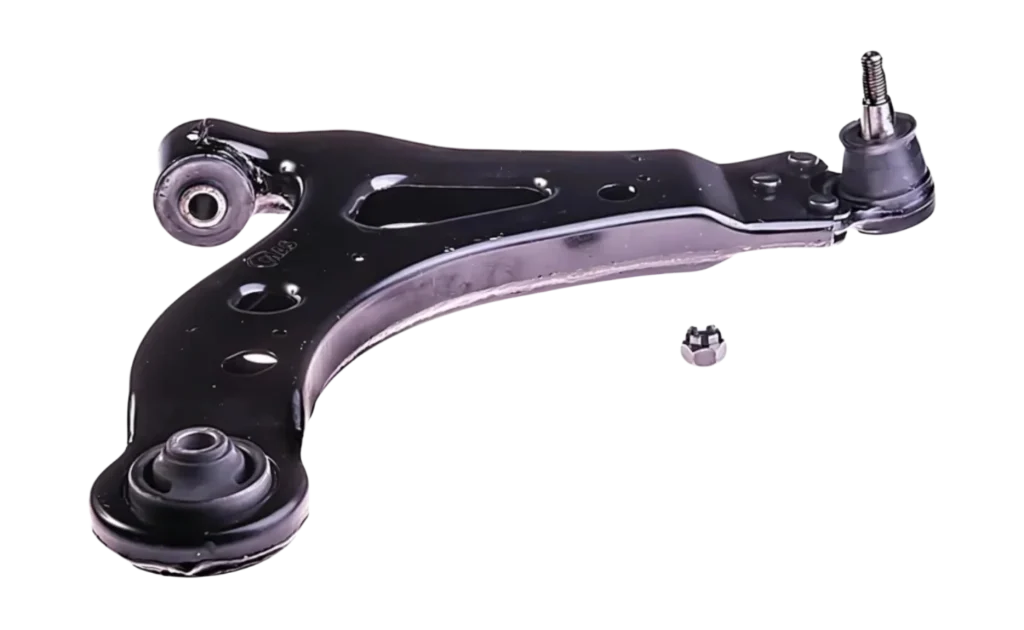
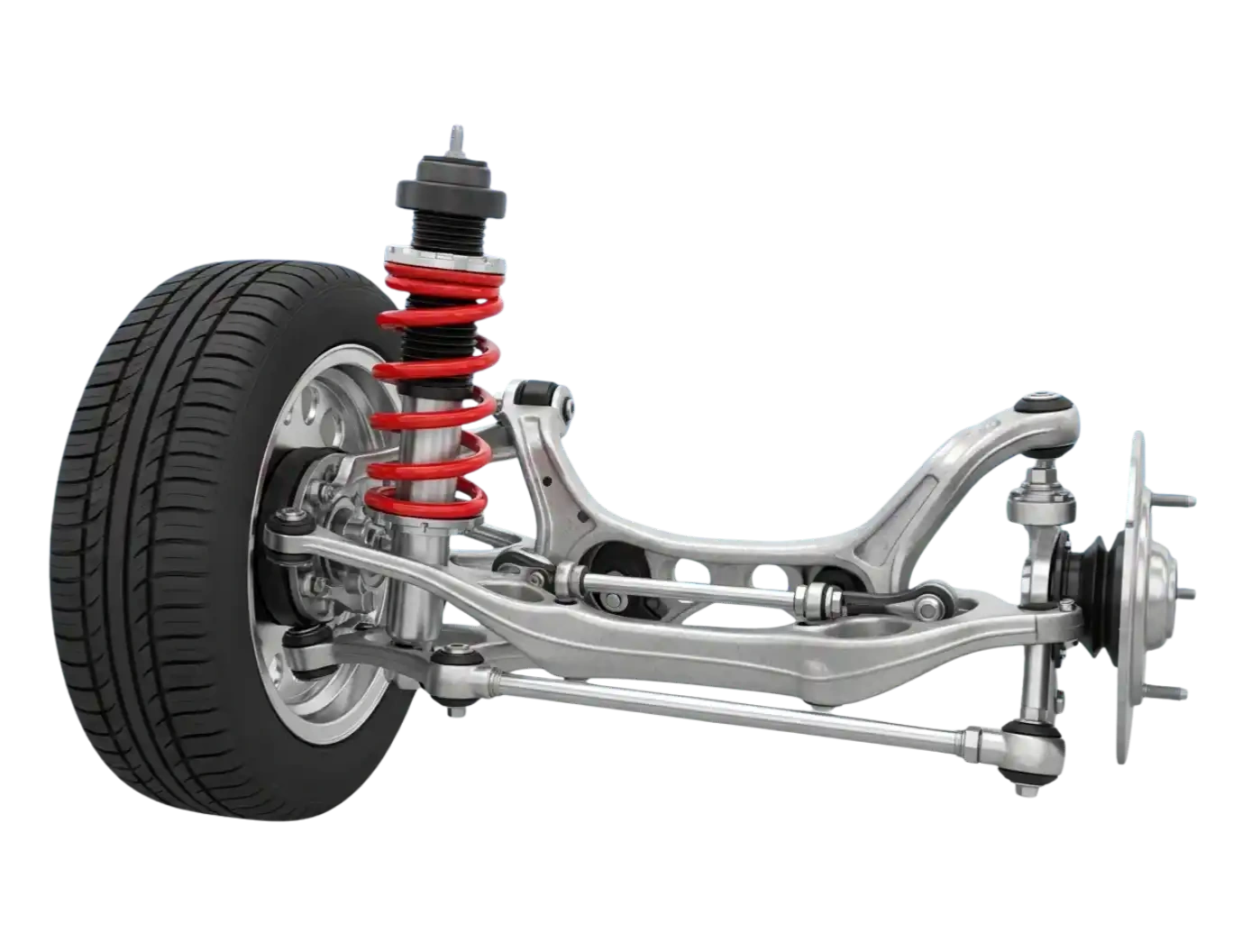
The front LCA connects the wheel hub carrier to the subframe. It manages vertical wheel travel and braking loads. Fasteners are torqued to 130–160 Nm, with caster and camber verified post-installation.
Lower Control Arm Bushing Replacement
LCA bushings absorb road vibrations before they reach the cabin. Worn bushings cause 3 to 5 mm of rear arm deflection. A hydraulic press seats new OEM units to the correct interference fit depth.
Lower Ball Joint Replacement
The lower ball joint carries 1.5 to 2.5 times the static axle weight during driving. Axial play exceeding 1.0 mm causes steering wander. Replacement includes press-fit extraction and full torque verification after installation.
Rear Lower Control Arm Replacement (Solid Axle Models)
Rear LCAs on Wrangler and Gladiator models maintain axle positioning under full suspension travel. Worn arms shift the axle by 5 to 10 mm. Arms are torqued to 190–220 Nm with a full driveline angle check.
Adjustable Lower Control Arm Installation (Lifted Models)
Jeep models with 2-inch or more lifts need adjustable LCAs to restore caster angles. Fixed OEM arms cannot correct the 4° to 7° caster specification after lifting. Threaded end links allow precise digital inclinometer-measured caster correction.
Control Arm Bracket & Subframe Inspection
LCA brackets are inspected for corrosion, stress fractures, and deformation from off-road impacts. Damaged brackets cause misalignment even after new arms are fitted. Dye penetrant testing identifies surface cracks before any installation proceeds.
Wheel Alignment After Lower Control Arm Replacement
A four-wheel computerised alignment is performed after every LCA or ball joint replacement. Caster, camber, and toe are adjusted to within ±0.1° of OEM spec. Incorrect toe accelerates front tyre wear by 30 to 50 percent.
Vibration & Suspension Geometry Diagnosis
Suspension issues are diagnosed through road testing, visual inspection, and chassis measurement tools. LCA-related symptoms typically appear between 20 and 60 km/h. These include steering pull, shimmy, and irregular tyre wear patterns.
Steering Knuckle & Hub Carrier Inspection
The steering knuckle and hub carrier are inspected during every LCA replacement. A deformed taper seat causes premature ball joint loosening within 10,000 to 15,000 km. Knuckles with taper damage beyond 0.3 mm are replaced immediately.
Sway Bar Link & End Link Inspection
The sway bar connects to the LCA through a drop link assembly. Each end link is checked for bushing cracks and ball stud wear. Free-play exceeding 2.0 mm triggers immediate replacement during the same service visit.
Control Arm Hardware & Fastener Replacement
OEM-specification bolts, flanged nuts, and hardened washers are replaced during every LCA service. Reusing fatigued fasteners reduces clamping accuracy and shortens the new arm’s service life. Final torque values are confirmed to within ±5% of specification.
Full Front Suspension System Service
A complete front suspension service covers both LCA positions, ball joints, bushings, sway bar links, and alignment. This service is recommended at 80,000 to 100,000 km intervals. Replacing all wear items together prevents uneven load distribution and premature failure.
Post-Replacement Road Test & Handling Verification
Every LCA replacement ends with a structured road test covering urban, cornering, and highway conditions. The technician monitors steering response, straight-line tracking, and suspension noise. Any residual handling issues are corrected before the vehicle is returned.
How to Book a Jeep Lower Control Arm Service at 800Sayara?
Booking a Jeep lower control arm replacement at our Musaffah workshop follows a clear three-step process.
Share Your Jeep Details
Provide your Jeep's model, year, current mileage, and the specific suspension symptom you have noticed, whether steering pull, knocking over bumps, vibration at speed, or uneven tyre wear. This allows our technicians to prepare the correct OEM control arm components and diagnostic equipment before your vehicle arrives.
Make a Booking
Select a date and time that suits your schedule. Same-day and next-day appointments are available. Free pickup and delivery are offered across the Musaffah area for customers who cannot bring their Jeep in directly.
We Repair
Our certified technicians carry out the full LCA service and provide a written inspection and repair report at the conclusion of the job. You are kept informed at every stage of the process, including any additional findings identified during the suspension inspection.
Key Features We Provide
When Does Your Jeep Need a Lower Control Arm Replacement?
The following symptoms indicate that your Jeep’s front or rear suspension requires professional assessment. Addressing these conditions early prevents secondary damage to the steering system, tyres, and connected suspension components.
| Issue | Symptoms / Signs | Possible Cause | Recommended Solution |
|---|---|---|---|
| Knocking Over Bumps | A repetitive knocking sound from the front suspension when passing over road irregularities | Worn LCA bushing or deteriorated ball joint, allowing excess movement at the pivot points | LCA bushing inspection, deflection measurement, and OEM replacement |
| Steering Pull to One Side | The vehicle drifts consistently left or right without steering input on a flat road | LCA deformation or bushing collapse, shifting the caster angle beyond ±0.5° of specification | Four-wheel alignment check, LCA inspection, and OEM arm replacement if out of tolerance |
| Uneven Front Tyre Wear | Accelerated wear on the inner or outer tyre shoulder, or feathering across the tread face | Incorrect camber or toe caused by LCA wear, allowing the wheel to deviate from its design plane | LCA and bushing inspection, OEM replacement, and computerised alignment |
| Vibration at Highway Speeds | A persistent shimmy or steering wheel oscillation between 80 and 120 km/h | Ball joint axial play exceeding 1.0 mm introduces dynamic wheel instability | Ball joint measurement, LCA assembly inspection, and OEM ball joint or full arm replacement |
| Clunking During Cornering | A single audible knock when turning at low speed or in a parking area | Sway bar end link separation or LCA ball joint play, allowing lateral knuckle movement | Ball joint free-play test, sway bar link check, and targeted OEM replacement |
| Loose or Imprecise Steering | Steering requires constant small corrections, and the on-centre feel is reduced | LCA rear bushing deterioration, allowing rotational arm movement that shifts the toe under load | Rear bushing deflection measurement and pressed OEM bushing or full arm replacement |
| Visible Suspension Gap or Misalignment | One front wheel sits at a noticeably different angle or height compared to the other side | LCA bracket deformation or fractured subframe mounting point after an off-road impact | Subframe bracket inspection, dye penetrant crack testing, and bracket or LCA replacement |
| Excessive Body Roll During Cornering | The vehicle leans heavily to one side in corners beyond normal for the model | LCA bushing softening, reducing lateral stiffness and allowing greater suspension deflection under cornering load | Full LCA bushing assessment, OEM replacement, and sway bar inspection |
Our Services In Mussafah

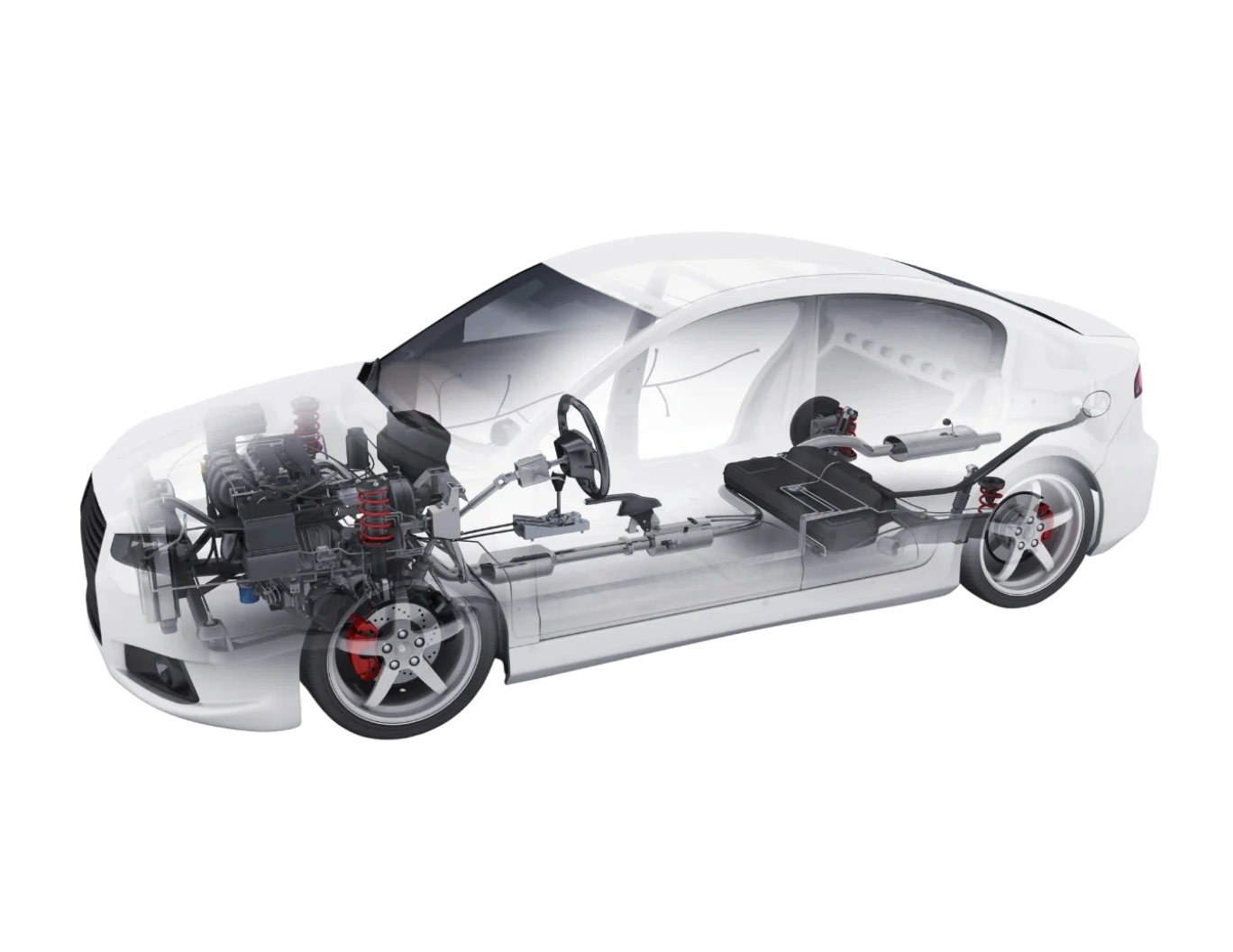
Benefits of Professional Jeep Lower Control Arm Servicing
Regular control arm servicing at correct intervals provides measurable handling, safety, and long-term financial benefits for your Jeep throughout its service life.
| Benefit | Description | Impact |
|---|---|---|
| Restored Steering Precision | Fresh OEM LCAs and bushings return caster and camber to factory specification, restoring direct and predictable steering response | Correct geometry reduces steering correction effort and eliminates torque steer during acceleration |
| Extended Tyre Service Life | Accurate wheel alignment, maintained by correctly installed LCAs, distributes tyre contact load evenly across the full tread width | Proper alignment extends front tyre service life by 30% to 50% compared to tyres running with 1° of camber deviation |
| Protected Wheel Bearings | Stable LCA geometry maintains correct wheel bearing pre-load and prevents side-loading from misaligned hub carriers | Maintaining correct bearing load extends front wheel bearing service intervals by up to 40% |
| Reduced Secondary Suspension Damage | Correct LCA positioning prevents uncontrolled knuckle movement that stresses steering rack tie rods, CV axles, and brake hose brackets | Timely LCA replacement prevents secondary damage costing 3 to 5 times more than the control arm itself |
| Improved Off-Road Capability | Structurally sound LCAs maintain correct suspension travel and axle positioning during full off-road articulation | Worn or bent LCAs reduce effective suspension travel by up to 25%, limiting articulation on uneven terrain |
| Lower Long-Term Repair Costs | Identifying deteriorated bushings, worn ball joints, and cracked brackets during routine inspection prevents sudden arm failure | Addressing LCA wear before failure reduces total repair costs by up to 55% compared to post-failure rectification |
| Warranty and Resale Value | Servicing at OEM-specified intervals with genuine components maintains manufacturer warranty validity | Documented suspension service records increase resale value by up to 15% and confirm mechanical history to buyers |
Maintenance Tips After Jeep Lower Control Arm Replacement
Following these practices after a new LCA installation helps maintain suspension geometry performance and extends component service life.
- Allow a Break-In Period of 500 to 800 km: New rubber bushings require gradual load settling before reaching their full rated stiffness, so avoid aggressive cornering or high-impact kerb strikes during the initial driving period.
- Check Alignment After the First 1,000 km: Minor bushing compression settling can shift caster and toe values slightly after the initial break-in, and a follow-up alignment check at this interval confirms geometry remains within ±0.1° of specification.
- Inspect Ball Joint Free-Play at Every Service: Ball joint axial play should be measured at each routine service using a dial gauge, as play developing beyond 1.0 mm requires prompt attention before the joint reaches the point of failure.
- Delay Aggressive Off-Road Use After Replacement: Wrangler and Gladiator models place higher vertical and lateral loads on fresh LCA bushings during off-road articulation, so allowing normal on-road settling first ensures the rated deflection limit is achieved before extreme loads are applied.
- Verify LCA Fastener Torque at 10,000 km: Through-bolts at both the subframe and knuckle ends experience minor clamping force relaxation over the first 10,000 km, and torque verification against OEM specification during routine servicing confirms secure arm retention.
- Schedule the Next Suspension Inspection at 40,000 km: Lower control arm bushings, ball joints, and hardware condition require assessment at this interval, or earlier if knocking, tyre wear irregularities, or handling changes develop during normal driving.
Customer Reviews
"I noticed a persistent knocking from the front suspension every time I drove over a speed bump. The technician identified worn LCA bushings during the inspection and completed the replacement the same day. The front end is completely quiet now, and the steering feels noticeably more direct than before."
"I had the full front suspension service done after returning from a long desert trip. Both lower control arms, the ball joints, and the sway bar links were replaced at the same visit. The written report listed every torque value and alignment reading, which I found very useful for my records."
"The front tyres were wearing unevenly on the inner edges, which I noticed during a tyre rotation. The inspection found the right-side LCA bushing had deteriorated and was causing negative camber deviation. After the bushing replacement and alignment, the wear pattern returned to normal within the next service interval."
"I had an adjustable rear control arm installed after fitting a 3-inch suspension lift. The technician corrected the pinion angle and caster using a digital inclinometer before locking the alignment. The driveline vibration I had experienced since the lift was completely resolved after the installation."
Jeep Models, We Service in Musaffah
800Sayara provides lower control arm replacement and full suspension servicing for the complete range of Jeep models at our Musaffah workshop.
Our Recently Work
Frequently Asked Questions
What does a Jeep lower control arm service at your workshop include?
A standard LCA service covers inspection of both front LCA positions, measurement of bushing deflection and ball joint axial play, assessment of subframe mounting brackets and hardware, a four-wheel computerised alignment following replacement, and a post-repair road test to confirm the handling outcome. A written report with all torque values and alignment angles is provided at handover.
How do I know if my Jeep's lower control arms need replacement?
Common indicators include a knocking or clunking sound from the front suspension over bumps, steering pull to one side on a flat road, uneven inner or outer tyre shoulder wear, vibration at highway speeds between 80 and 120 km/h, or a loose and imprecise steering feel during normal driving.
What is the difference between replacing an LCA bushing and replacing the full control arm?
A bushing replacement addresses wear at the rear pivot point only and is suitable when the arm structure remains straight and undamaged. A full LCA replacement is required when the arm itself is deformed, cracked, or when the ball joint, which is pressed or cast into the arm on many Jeep models, reaches the end of its serviceable condition. Both options use OEM-grade components.
How long does a Jeep lower control arm replacement take?
A single LCA replacement is typically completed within 90 to 150 minutes. A complete front suspension overhaul covering both LCA positions, ball joints, bushings, and a four-wheel alignment takes between 4 and 6 hours depending on the specific Jeep model and configuration.
Do you replace the control arm hardware and brackets as well?
Yes. All LCA fasteners are replaced as a standard part of the service, as reused hardware introduces inaccurate clamping torque. Mounting brackets are inspected for cracks, corrosion, and deformation, and any bracket found outside serviceable condition is replaced before the new arm is installed.
Can a worn lower control arm damage other suspension components?
Yes. A deteriorated LCA allows the wheel hub to move beyond its design envelope, placing undue stress on steering rack tie rod ends, CV axle boots, wheel bearings, and brake hoses. Incorrect wheel geometry caused by a worn LCA also accelerates front tyre wear significantly, with inner edge wear developing within 5,000 to 8,000 km of continued operation.
How often should Jeep lower control arms be inspected?
LCA bushings, ball joints, and mounting hardware should be assessed at every 40,000 km service interval. Jeep models used regularly for off-road driving should have suspension components inspected more frequently, typically every 20,000 to 25,000 km, due to the increased vertical and lateral loads involved in off-road operation.
Do you service Jeep models with lifted suspensions and aftermarket control arms?
Yes. Lifted Jeep models require adjustable LCAs to correct caster angles that deviate significantly from factory specifications after lift installation. All suspension work on lifted models includes a full four-wheel alignment using the correct specifications for the installed lift height and arm geometry, ensuring the suspension operates within safe and predictable parameters.