Complete Jeep Leak Detection & Repair Services in Musaffah
800Sayara delivers structured leak diagnosis and full fluid system repair for all Jeep models in Musaffah, using pressure testing equipment, OEM-grade seals, and certified technicians trained in Jeep-specific fluid retention systems.
Years of Experience
Satisfied Clients
Pickup & Delivery Service
Quick Service
Why Choose 800Sayara for Jeep Leak Repair in Musaffah?
Our leak repair specialists inspect every Jeep fluid system using structured diagnostic protocols. We start with a visual inspection of static seals. Then we progress through dynamic pressure testing. Engine, transmission, cooling, and hydraulic circuits are all covered. All repair work follows OEM torque specifications and seal compatibility standards.
Certified Jeep Leak Diagnosis Technicians
Our technicians hold manufacturer-level certifications covering Jeep-specific fluid systems. These include engine lubrication circuits, AT and transfer case sealing, and power steering hydraulic lines. Continuous training keeps them current with updated gasket materials and O-ring specifications. Every repair traces each leak source to downstream contamination points.
OEM Seals, Gaskets & Pressure Testing Equipment
Only OEM-approved gaskets, lip seals, O-rings, and sealing compounds are used in all repairs. Our workshop uses cooling system pressure testers rated to 1.4 bar. UV dye kits, smoke machines, and electronic refrigerant detectors ensure accurate root cause identification. No component disassembly begins before diagnosis is confirmed.
Efficient Leak Repair Turnaround
A valve cover gasket repair takes 1 to 2 hours. Coolant hose replacement is completed within 2 hours. Rear main seal and transmission pan gasket renewal take 3 to 5 hours. Multiple vehicles are processed simultaneously without extending wait times or compromising inspection depth and repair quality.
Transparent and Consistent Pricing
All leak repair costs are confirmed upfront before work begins. Pricing covers parts, labour, and full fluid circuit inspection findings. No additional charges are applied once the job starts. A written service report documenting all leak sources, replaced parts, torque specs, and pressure test results is issued at handover.
Jeep Leak Repair Services We Provide
Read More
Engine Oil Leak Repair
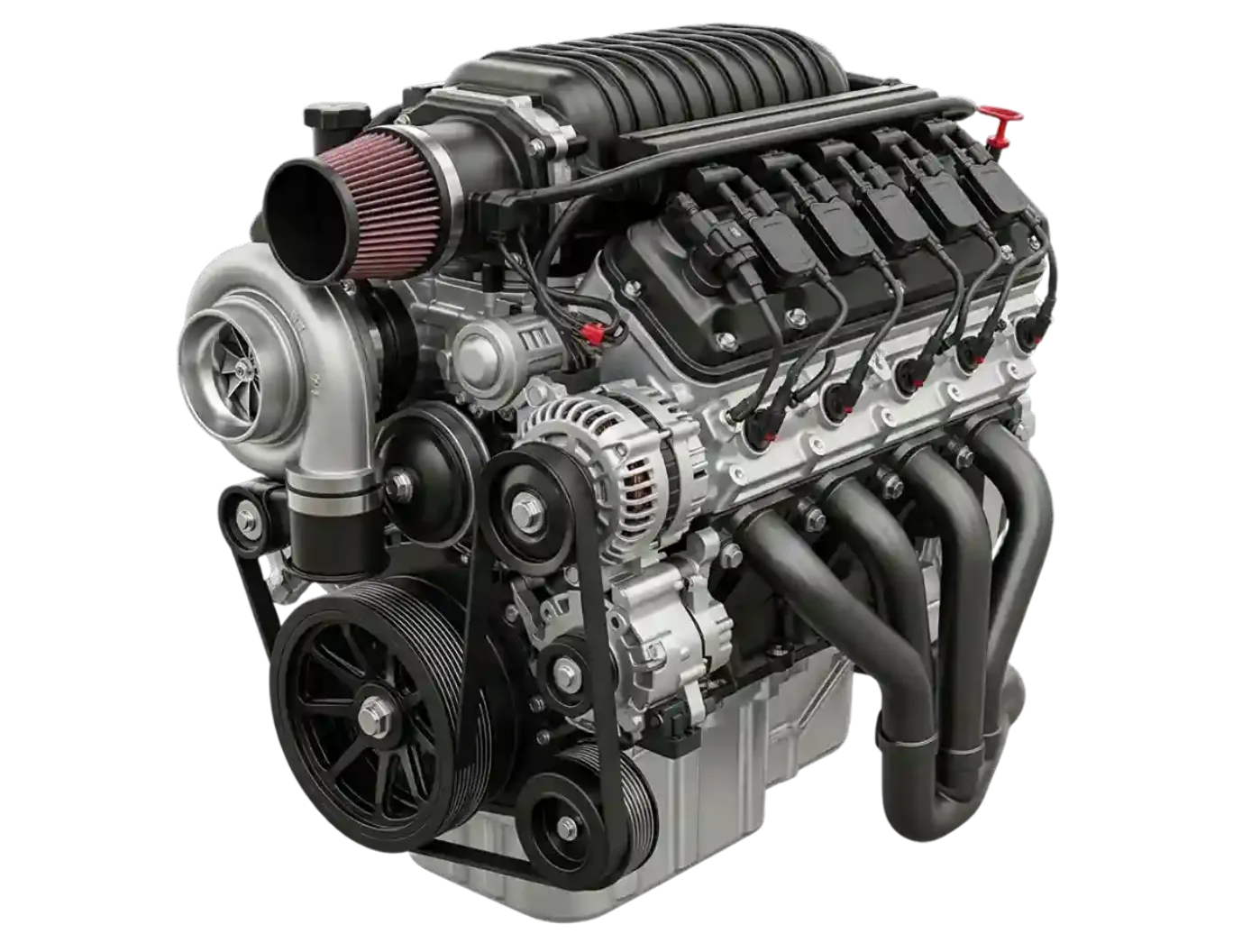
Leaks originate from the valve cover gasket, CMP sensor O-ring, crankshaft seals, or oil pan gasket. Oil loss exceeding 0.5 litres per 1,000 km confirms active seal failure. UV dye and black-light inspection identify the origin point. Mating surfaces are then cleaned to a 0.05 mm flatness tolerance.
Coolant Leak Repair (Engine Cooling System)
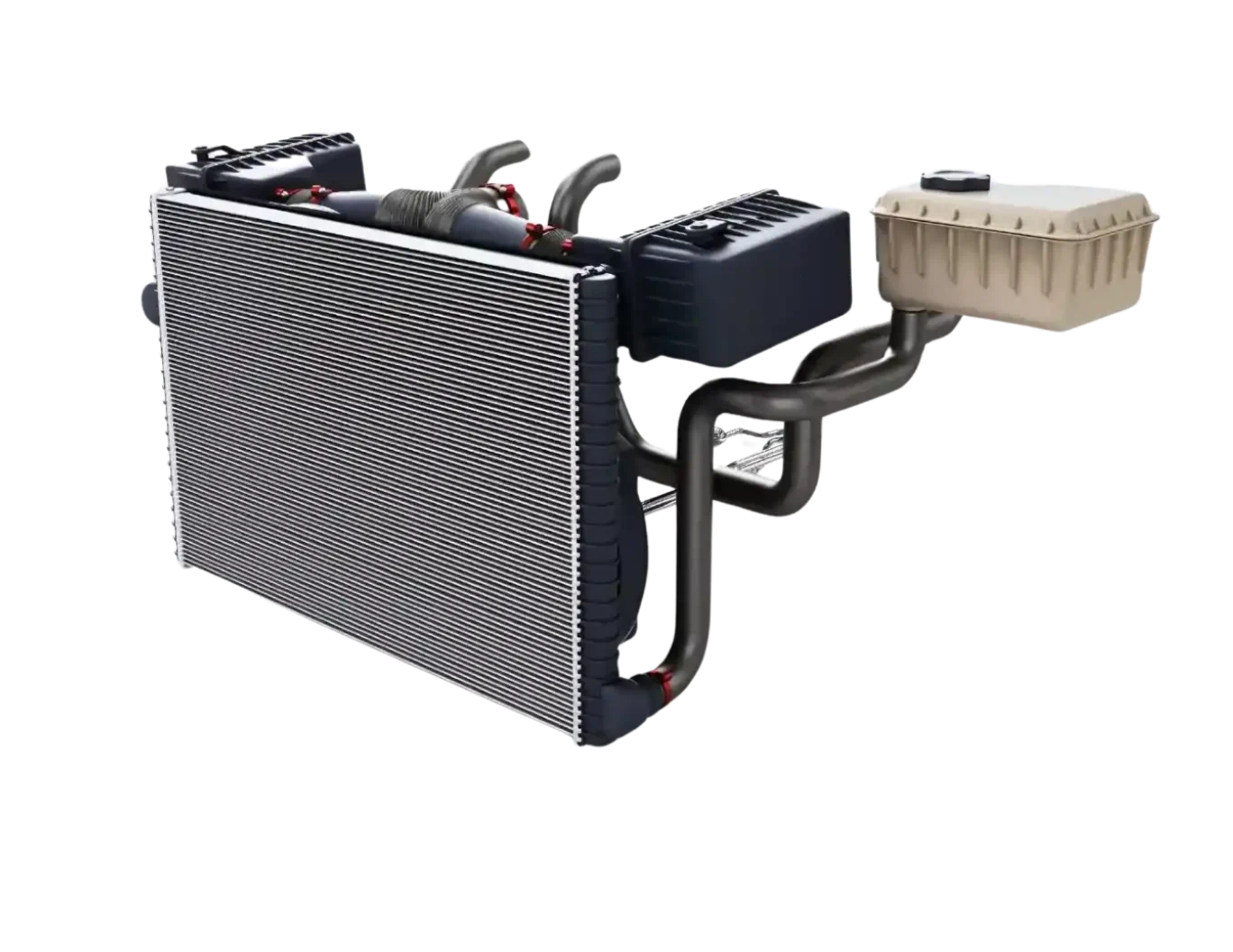
Leaks develop at the radiator core, hoses, water pump seal, thermostat housing gasket, or heater core connections. A pressure test at 1.0 to 1.4 bar identifies external leaks and internal combustion gas ingress. A compromised head gasket causes coolant loss above 100 ml per week and requires immediate attention.
Transmission Fluid Leak Repair
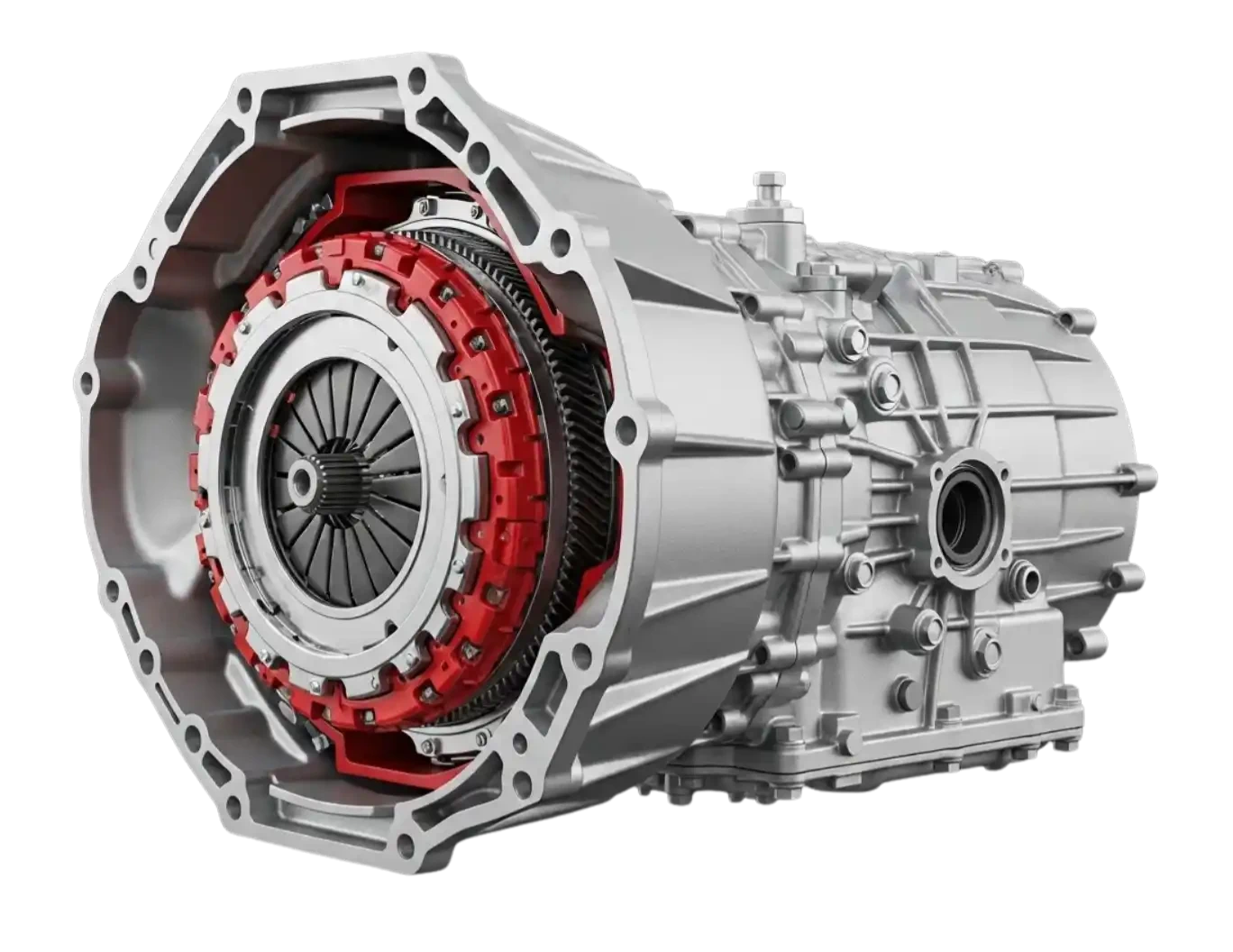
ATF leaks develop at the transmission pan gasket, input shaft seal, output shaft seal, or cooler line fittings. Operating pressure in Jeep AT systems reaches 250 to 400 kPa under load. The pan is removed and the full gasket set replaced. ATF is then refilled to OEM specification.
Transfer Case Fluid Leak Repair
The NV241, NV242, and NV244 transfer cases use lip seals and an RTV front-to-rear case gasket. Low fluid causes chain, gear, and mode fork wear within 5,000 km. Replacement seals are OEM-matched after measuring the shaft diameter. Measurements are taken within the 0.02 mm seal contact tolerance for accuracy.
Power Steering Fluid Leak Repair
Hydraulic pressure in Jeep steering systems reaches 8 to 12 MPa under full lock. Leaks develop at the pump shaft seal, high-pressure hose crimps, rack end seals, and banjo fittings. The full circuit is pressure-tested before any parts are replaced. Only OEM seals, O-rings, and hoses are installed.
Differential Fluid Leak Repair (Front & Rear Axle)
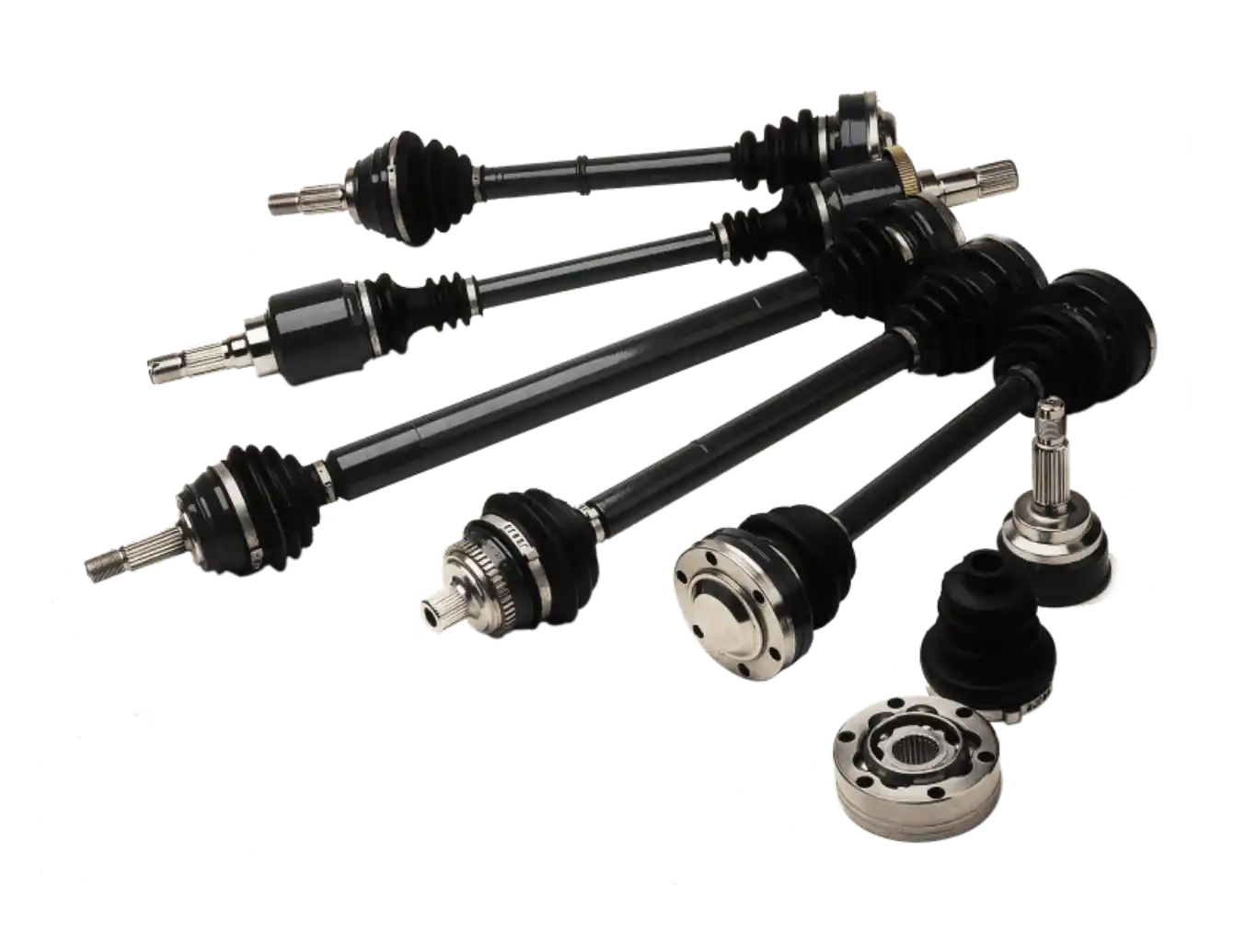
Leaks originate from axle shaft seals, the pinion seal, or the differential cover gasket. Pinion seal reinstallation on Dana 44 and Dana 30 axles requires 1.7 to 2.8 Nm rotational drag torque. Incorrect preload risks seal re-failure within 15,000 km and accelerated carrier bearing wear beyond serviceable tolerances.
Engine Coolant Hose & Pipe Replacement
Coolant hoses degrade from the inside out through electrochemical degradation. External cracking only appears after significant internal wall erosion has already occurred. A collapsed hose reduces heat exchanger efficiency by up to 30%. All hoses are replaced with OEM-grade silicone or EPDM materials after wall thickness inspection.
Engine Oil Pan Gasket Replacement
Oil pan gasket failure is common on Jeep 3.6L Pentastar and 5.7L HEMI engines. Thermal cycling degrades the rubber bead compound over time. Mating surfaces are cleaned with a plastic scraper and solvent to protect aluminium faces. New OEM multi-piece gaskets are torqued to 12 Nm in a cross pattern.
Valve Cover Gasket Replacement
The valve cover gasket seals the camshaft housing against oil migration to spark plug tubes. Oil on hot exhaust components produces visible smoke and a burning odour. Gasket channels are cleaned to bare metal before installation. Cover bolts are then torqued to 8 to 10 Nm for a secure seal.
Intake Manifold Gasket Leak Repair
Gasket leaks on Jeep 4.0L and 3.7L engines create vacuum leaks that alter the air-fuel ratio. This causes rough running and idle speed above 900 rpm. A smoke machine pressurises the intake at 0.5 bar to locate leak paths. OEM multi-layer gaskets are installed with correct fastener torque sequences.
Head Gasket Inspection & Replacement
Head gasket failure causes coolant-in-oil contamination and combustion gas in the cooling circuit. A CO block test confirms internal leakage. Cylinder head flatness is measured within 0.04 mm per 150 mm. OEM MLS gaskets are installed with TTY head bolts torqued in the manufacturer’s specified sequence throughout.
A/C Refrigerant Leak Detection & Repair
R-134a and R-1234yf leaks reduce system pressure below the 1.4 to 1.7 MPa operating range. This causes compressor short-cycling and loss of cabin cooling. UV dye and black-light inspection locate leaks at the compressor seal, condenser, and Schrader valves. The system is recharged to ±30 grams tolerance after evacuation.
Fuel System Leak Inspection & Repair
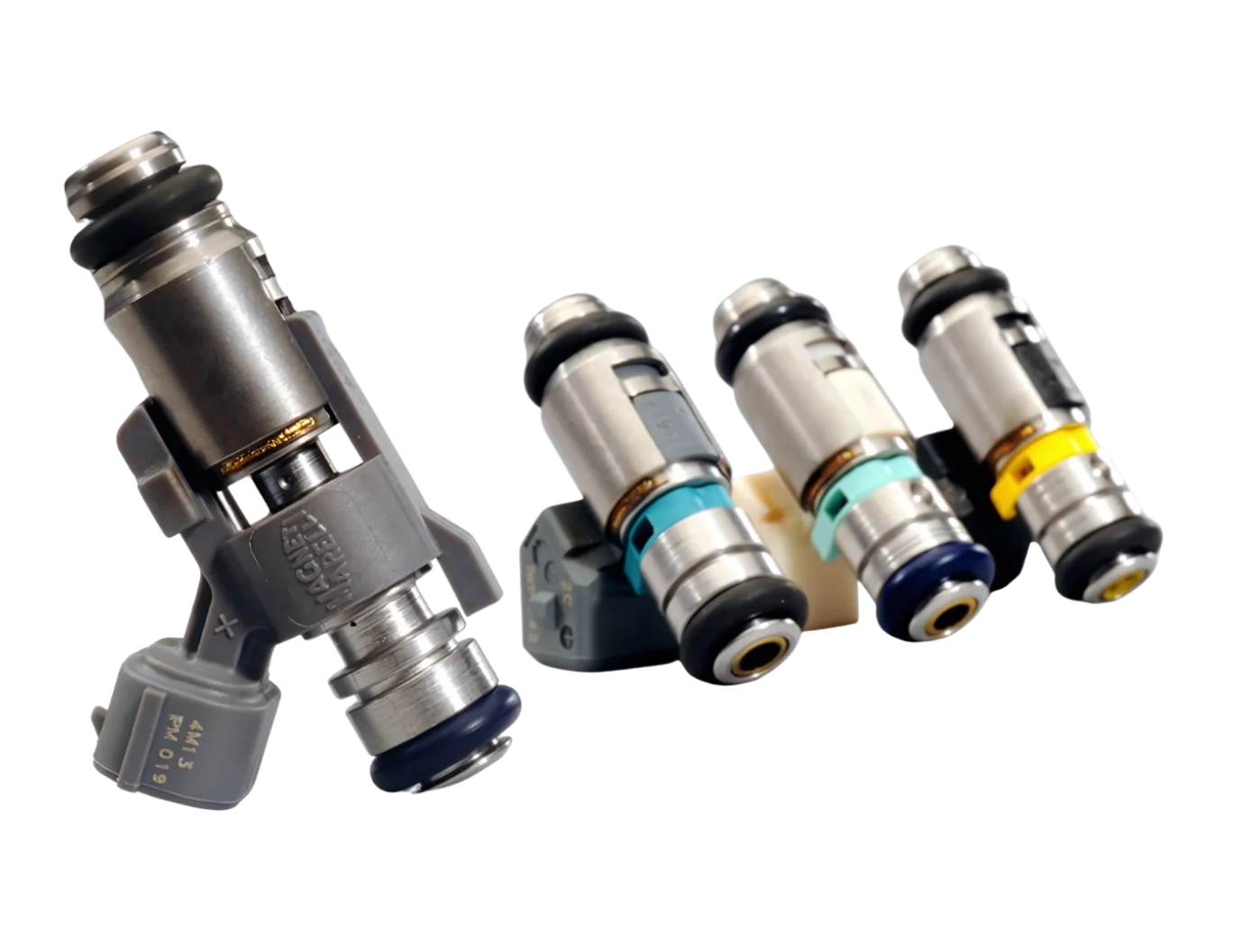
Fuel leaks develop at injector O-ring seals, fuel rail fittings, return lines, and the tank sender gasket. An O-ring leak raises hydrocarbon emissions beyond Euro 4 limits. Return lines are tested under 340 to 380 kPa rail pressure. Sender seals are inspected for perimeter seepage and replaced where needed.
Windscreen Washer & Reservoir Leak Repair
Reservoir cracks and pump seal leaks cause complete fluid loss within hours of a full fill. The reservoir is inspected for stress fractures at mounting bracket points. Pump grommet seals are verified for correct seating. Cracked reservoirs and degraded pump grommets are replaced with OEM components for lasting performance.
Differential & Gearbox Breather Valve Inspection
Blocked breather valves cause internal pressure build-up that forces fluid past lip seals rapidly. A blocked Dana 44 rear differential breather increases internal pressure by 0.3 to 0.5 bar during highway driving. This directly reduces axle seal service life. All breather locations are cleaned, tested, and replaced where damaged.
How to Book a Jeep Leak Repair at 800Sayara?
Booking a Jeep leak repair at our Musaffah workshop is straightforward. Follow these three steps to schedule your service.
Share Your Jeep Details
Provide your Jeep's model, year, current mileage, and the specific symptoms you have observed, such as fluid colour, leak location under the vehicle, or warning lights on the instrument cluster. This allows our technicians to prepare the correct OEM seals, gaskets, and diagnostic equipment before your vehicle arrives.
Make a Booking
Select a date and time that fits your schedule. Same-day and next-day appointments are available for most leak types, and free pickup and delivery service is offered throughout the Musaffah area for customers who are unable to bring their Jeep directly to the workshop.
We Repair
Our certified technicians carry out the full leak diagnosis and targeted repair, then provide a written inspection and repair report at job completion. You are kept informed at every stage, including any additional fluid system findings identified during the full circuit inspection.
Key Features of Our Jeep Leak Repair Service
When Does Your Jeep Need Leak Repair?
The following signs indicate that your Jeep’s fluid systems require professional inspection or repair. Identifying these symptoms early prevents secondary mechanical damage to seals, bearings, and fluid-cooled components.
| Issue | Symptoms / Signs | Possible Cause | Recommended Solution |
|---|---|---|---|
| Fluid Puddle Under Vehicle | Dark brown, red, or green liquid visible on the ground after parking | Engine oil, ATF, coolant, or differential fluid leaks from static seals | Full undercarriage leak inspection with UV dye and pressure testing |
| Oil Warning Light | The low oil pressure indicator illuminated on the instrument cluster | Active engine oil leak, reducing sump level below the minimum dipstick mark | Immediate oil level check, UV dye inspection, and seal replacement |
| Coolant Temperature Warning | The temperature gauge is rising above the normal operating range | Coolant loss from a hose, water pump seal, or head gasket, reducing system pressure | Cooling system pressure test at 1.4 bar and full circuit inspection |
| Burning Smell from Engine Bay | Acrid smoke or oil-burning odour during or after driving | Engine oil or power steering fluid contacting the hot exhaust manifold or turbo surfaces | Visual inspection of the valve cover, turbo oil feed lines, and power steering pump |
| Gear Slipping or Hard Shifting | Transmission hesitation, delayed engagement, or abnormal shift patterns | Low ATF level caused by transmission pan gasket or input shaft seal leak | ATF level and condition check, transmission pan inspection, and gasket replacement |
| Steering Heaviness | Increased effort is required to turn the steering wheel at low speed | Low power steering fluid from the pump shaft seal or a high-pressure line leak | Power steering circuit pressure test and full hose and seal inspection |
| Fuel Smell in Engine Bay | Strong petrol odour at idle or after engine shutdown | Fuel injector O-ring leak or fuel rail fitting seepage under operating pressure | Fuel rail pressure test at 340–380 kPa and injector seat O-ring inspection |
| White Exhaust Smoke | White or grey smoke is visible from the exhaust during warm-up or under load | Coolant entering the combustion chamber from a head gasket or a cracked cylinder head | CO combustion gas block test and cylinder compression differential check |
Our Services In Mussafah

Benefits of Professional Jeep Leak Repair
Regular leak repair and fluid system inspection at correct intervals delivers measurable safety, mechanical, and long-term cost benefits for your Jeep.
| Benefit | Description | Impact |
|---|---|---|
| Engine and Drivetrain Protection | Correcting oil and differential fluid leaks maintains lubrication film thickness across bearing surfaces and gear contact faces | Sustained correct fluid levels reduce internal wear rates by up to 40% compared to low-fluid operation |
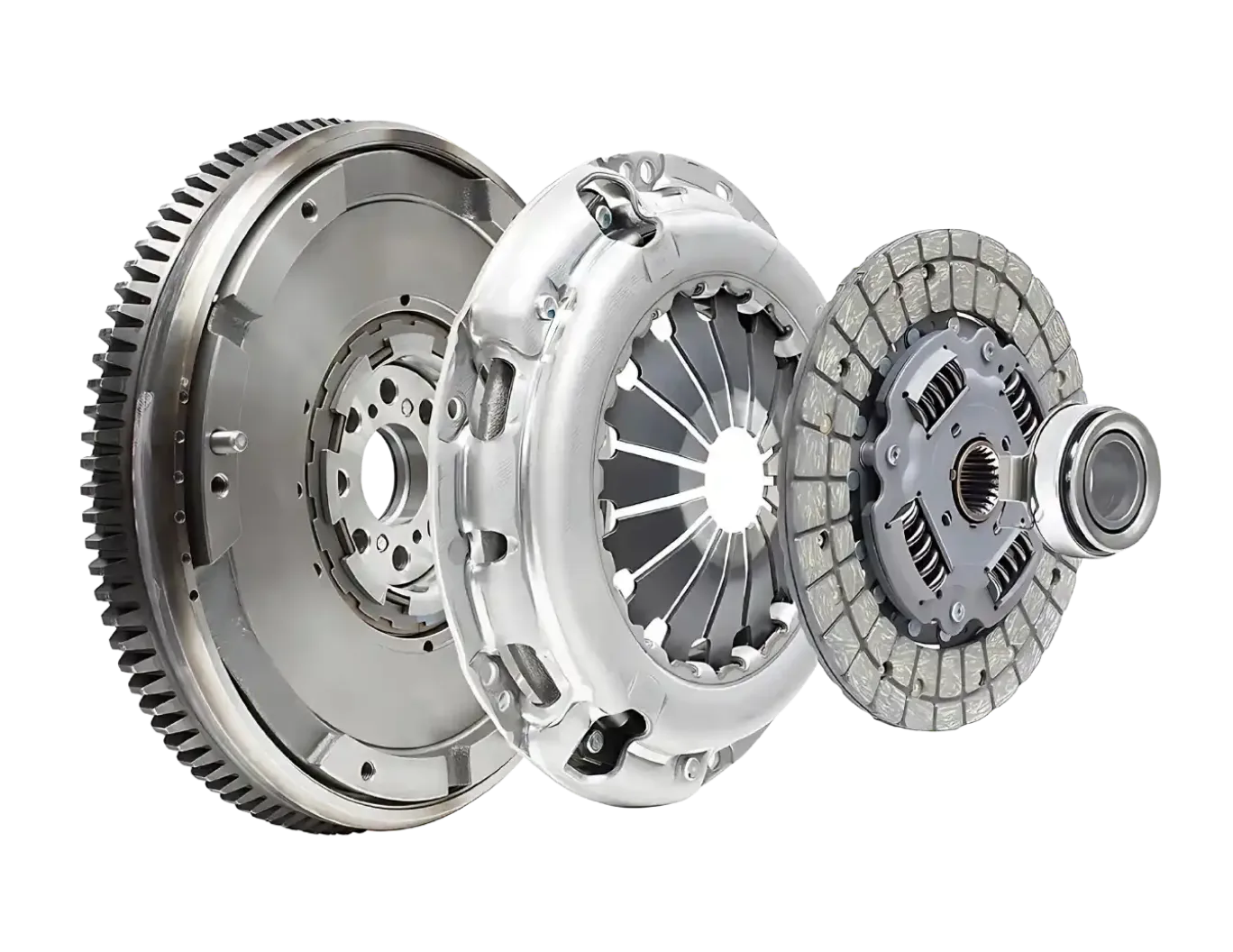
| Prevention of Secondary Damage | Early leak repair prevents fluid contamination of adjacent components such as clutch friction surfaces, brake pads, and suspension bushings | Addressing an axle seal leak before differential oil contacts the rear brake components avoids brake assembly replacement |
| Cooling System Efficiency | Sealed coolant circuits maintain the 88°C to 105°C operating range required for correct combustion efficiency and catalytic converter function | Correct coolant level and pressure reduce overheating risk and cylinder head distortion by maintaining consistent thermal management |
| Transmission Service Life | Sealed ATF circuits maintain correct fluid volume for hydraulic clutch pack engagement and torque converter operation | Proper ATF level extends automatic transmission service life by up to 60,000 km compared to systems operating with progressive fluid loss |
| Fuel Economy Improvement | Corrected intake manifold gasket leaks, restoring the correct air-fuel ratio at idle, reducing fuel consumption caused by PCM enrichment compensation | Eliminating vacuum leaks at the intake manifold can improve idle fuel consumption by 5% to 8% on affected Jeep models |
| Manufacturer Warranty Compliance | Leak repairs using OEM-specification seals and gaskets maintain the integrity of the fluid system within factory design parameters | Complete leak repair records using genuine parts support Jeep manufacturer warranty claims and improve vehicle resale value |
| Cabin Air Quality | Sealing fuel injector and A/C refrigerant leaks eliminates hydrocarbon and refrigerant vapour ingress through the HVAC fresh air intake | Corrected fuel and refrigerant leaks restore cabin air quality to within regulated VOC and refrigerant exposure limits |
Maintenance Tips After Jeep Leak Repair
Following these structured practices between service intervals helps maintain the integrity of repaired seals and fluid systems and extends the life of newly installed components.
- Monitor Fluid Levels Weekly for the First 30 Days: Check engine oil, coolant, ATF, and power steering fluid every 7 days. Report any unexplained drop exceeding 50 ml immediately.
- Allow Sealant Cure Times Before Full Load: RTV gasket compound requires 1 hour before fluid refill and 24 hours before full operating pressure and thermal cycling are applied.
- Avoid High-Pressure Washing Near Repaired Seals: Water pressure above 80 bar directed at crankshaft, axle, or transmission seals can dislodge seal lip positioning within the first 500 km.
- Check for Leak Residue After First Heat Cycle: After the first 20 to 30 km, inspect the undercarriage and engine bay to distinguish old contamination residue from active secondary seepage.
- Service Breather Valves at Each Oil Change Interval: Clean or replace differential and gearbox breather valves every 10,000 km to prevent internal pressure build-up that shortens recently replaced seal life.
- Address Warning Lights Without Delay: Any oil pressure, coolant temperature, or transmission warning light after a leak repair signals a fluid or pressure issue requiring immediate technician attention.
- Schedule a Follow-Up Inspection at 5,000 km: A fluid system check at 5,000 km confirms seal integrity, stable fluid levels, and identifies any adjacent seepage from post-repair pressure redistribution.
Customer Reviews
"I noticed an oil stain under my Grand Cherokee and brought it in for inspection. The technicians traced the source to the rear main seal using UV dye and replaced it the same day. The repair report included the torque specifications applied during reassembly, which gave me confidence that the job had been done correctly."
"My Wrangler had a persistent coolant smell but no visible external leak. The cooling system pressure test identified a slow internal leak past the head gasket that was causing coolant vapour in the exhaust. The head gasket was replaced with a full inspection of the cylinder head surface. The engine runs correctly now, and there is no further coolant loss."
"The transmission in my Compass was slipping slightly, and I found reddish fluid in my parking spot. The ATF pan gasket had failed. The full service included a pan clean, a new gasket, fresh ATF, and a pressure test. The shifting is smooth, and there is no further fluid on the ground."
"I had a strong petrol smell from the engine bay that had been present for several weeks. The technicians identified a leaking fuel injector O-ring under rail pressure testing and replaced the seals on all four injectors. The smell is completely gone, and the fuel consumption has also improved slightly."
"Brought my Gladiator in after noticing gear oil on the rear axle near the differential cover. The technicians found that the cover gasket and the pinion seal were both seeping. Both were replaced with OEM seals, and the correct pinion preload was verified. A detailed inspection report was provided at handover documenting all measurements and parts used."
Jeep Models, We Service in Musaffah
800Sayara provides leak detection and full fluid system repair for the complete range of Jeep models at our Musaffah workshop.
Our Recently Work
Frequently Asked Questions
What does a Jeep leak inspection at your workshop include?
A standard leak inspection covers visual inspection of all external sealing points, UV dye application and black-light scan for concealed oil leaks, cooling system pressure test at 1.0 to 1.4 bar, fuel rail pressure hold test, ATF level and condition check, and a full undercarriage review of differential seals, axle shaft seals, and transfer case output seals.
How do I identify which fluid is leaking from my Jeep?
Engine oil is dark brown to black and has a slightly viscous texture. Coolant is typically green, orange, or pink and has a faintly sweet odour. Automatic transmission fluid (ATF) is red or pink and thinner than engine oil. Power steering fluid is clear to light yellow. Differential fluid is dark and has a sulphur compound odour. Fuel is clear to pale yellow with a strong petrol smell. Identifying the colour and location of the fluid helps narrow the circuit before inspection begins.
How long does a Jeep leak repair typically take?
Valve cover gasket and oil pan gasket replacements take 1 to 2 hours. Cooling system hose replacements and water pump seal repairs are completed within 2 to 3 hours. Transfer case seal and rear main seal replacements take 3 to 5 hours. Head gasket replacement, which is a major repair, requires 6 to 8 hours, depending on the cylinder head condition and Jeep model.
Do you use OEM gaskets and seals for Jeep leak repairs?
Yes. All gaskets, lip seals, O-rings, and sealing compounds used across every Jeep leak repair are OEM-approved components matched to the correct material specification for each fluid system and operating temperature range. Aftermarket substitutes are not used.
Can you diagnose a leak that has no visible fluid under the vehicle?
Yes. Internal leaks, such as coolant entering the combustion chamber from a head gasket failure, and slow seeps that evaporate before reaching the ground, are identified through cooling system pressure testing, UV dye inspection, combustion gas block testing, and smoke machine vacuum leak detection. Many leak sources are confirmed without visible external fluid.
Do you repair A/C refrigerant leaks?
Yes. R-134a and R-1234yf refrigerant leaks are diagnosed using UV dye injection and electronic leak detectors. After sealing the identified leak point, the A/C system is evacuated to below 500 microns on a recovery and recharge station before being recharged to the manufacturer-specified refrigerant weight.
Does a repaired seal come with a warranty?
Yes. All leak repair work carried out at our Musaffah workshop includes a repair warranty covering the replaced seal, gasket, or component. The warranty period and terms are confirmed on the written service report provided at vehicle handover.
How often should I have my Jeep checked for fluid leaks?
Fluid system integrity should be assessed at every 10,000 km service interval or immediately if any of the warning signs listed above are observed during normal operation. High-mileage Jeep models above 100,000 km benefit from a full seal inspection at every oil change service, as thermal cycling and extended use accelerate elastomer degradation in lip seals and gasket materials.