Complete Jeep Engine Mount Replacement & Drivetrain Vibration Service in Musaffah
800Sayara delivers precise engine mount replacement and full powertrain support assessment for all Jeep models in Musaffah, using OEM-grade components, calibrated torque tooling, and technicians trained in Jeep-specific drivetrain systems.

Years of Experience
Satisfied Clients
Pickup & Delivery Service
Quick Service
Why Choose 800Sayara for Jeep Engine Mount Services in Musaffah?
Our drivetrain specialists handle every Jeep engine and transmission mount replacement following OEM torque specifications and structural alignment standards. Each job is performed using manufacturer-grade fastening equipment to ensure powertrain stability meets factory vibration-damping benchmarks.
Certified Jeep Drivetrain Technicians
Our technicians hold manufacturer-level certifications covering Jeep-specific powertrain support systems, including engine mount geometry, torque reaction bracket alignment, and transmission crossmember diagnostics. Continuous technical training keeps them current with evolving Jeep drivetrain configurations, and every repair follows structured inspection protocols across the full engine support circuit.
Genuine OEM Engine Mount Components & Precision Equipment
Only OEM-approved rubber isolator mounts, hydraulic fluid-filled mounts, transmission crossmember bushings, and grade-8 fasteners are used across all engine mount services. The workshop is equipped with hydraulic engine support bars, digital torque wrenches calibrated to ±2% accuracy, and full bracket compatibility across all Jeep platforms.
Efficient Engine Mount Service Turnaround
A single engine mount replacement typically takes 90 to 120 minutes, while a full engine and transmission mount overhaul takes 3 to 5 hours. Multiple vehicles are serviced simultaneously, keeping wait times manageable without reducing inspection depth or installation quality.
Clear and Consistent Pricing
All engine mount service costs are confirmed before any work begins, covering parts, labour, and findings from the full drivetrain inspection. No additional charges are applied after the job starts, and a written service report documenting all work performed, torque values applied, and measurements recorded is provided at handover.
Jeep Engine Mount Replacement Services We Provide
Read More
Front Engine Mount Replacement (OEM Grade)
The front engine mount supports a large share of the powertrain’s static weight and resists torque-induced movement during acceleration. Underhood temperatures near the exhaust manifold regularly reach 120°C to 150°C. Replacement includes bracket removal, subframe surface cleaning, OEM isolator installation, and fastener torquing to 60–80 Nm on Grand Cherokee models.
Rear Engine Mount (Torque Strut) Replacement
The rear torque strut resists rotational engine movement during acceleration and engine braking. A deteriorated strut allows the engine to rock 15 to 20 mm under load, sending vibration into the firewall. Replacement involves disconnecting both anchor points, fitting a new OEM unit, and road-testing under varied throttle conditions.
Transmission Mount Replacement
The transmission mount isolates gearbox and transfer case vibration from the vehicle chassis. Worn mounts on Wrangler and Grand Cherokee automatic models produce a noticeable clunk during low-speed gear engagement. A transmission jack supports the crossmember during removal, and the new OEM mount is installed at the correct powertrain ride height before final torquing.
Transfer Case Mount Replacement
Four-wheel-drive Jeep models carry a dedicated transfer case rubber isolator mount that absorbs torque spikes during 4WD engagement and low-range operation, where drivetrain loads reach three to four times normal 2WD levels. Wear is assessed through rubber deflection inspection and powertrain droop measurement before OEM mount installation, with the transfer case fully supported.
Hydraulic Engine Mount Replacement
Certain Grand Cherokee and Commander models use hydraulic fluid-filled mounts offering variable damping across different RPM ranges. Internal fluid loss causes the unit to behave like a fully deteriorated solid rubber mount. Post-installation, idle vibration is measured with a calibrated meter to confirm that factory damping performance has been restored.
Engine Mount Bracket & Subframe Inspection
Engine and transmission mounts attach to steel brackets bolted directly to the engine block and vehicle subframe. Corrosion, stress fractures, or overtightened fasteners can crack or deform these brackets, causing persistent vibration even after new mounts are fitted. Dye penetrant testing is used where surface cracks are suspected, and damaged brackets are replaced before the mount installation.
Engine Position Realignment After Mount Replacement
Following any engine or transmission mount replacement, the powertrain position is verified against OEM alignment specifications using precision measuring gauges. An off-centre engine reduces clearance between the cooling fan shroud, steering rack, and exhaust manifold, creating contact noise and accelerated component wear. Final torque is applied only after the mount position is confirmed within tolerance.
Vibration Diagnosis & Mount Condition Assessment
Powertrain mount vibration complaints are diagnosed using a tri-axial vibration analyser measuring frequency response across vertical, lateral, and longitudinal axes. Engine-related vibrations are typically present between 10 and 30 Hz at idle. The analysis distinguishes between degraded mounts, transmission mount wear, driveshaft imbalance, and worn CV joints, preventing unnecessary replacements and reducing total diagnostic time.
Exhaust Hanger & Powertrain Isolation System Inspection
Engine mount failure causes secondary powertrain movement that stresses rubber exhaust hangers and flexjoint isolators throughout the exhaust system. During every mount replacement, the full exhaust length is inspected for torn hangers, cracked flex pipes, and chassis contact points caused by excessive powertrain travel. Damaged hangers are replaced to prevent exhaust noise after the primary repair.
Motor Mount Bolt & Hardware Replacement
Grade-8 through-bolts, flanged nuts, and lock washers are replaced during every engine mount service. Reusing heat-cycled and vibration-fatigued fasteners introduces inaccurate clamping force that reduces the new mount’s performance and service life. All replacement hardware meets OEM specification, and final torque values are verified using a calibrated wrench to within ±5% of the manufacturer’s figure.
Full Powertrain Support System Service
A complete powertrain mount service addresses all engine, transmission, and transfer case mount positions in a single workshop visit. This service is recommended at 80,000 to 100,000 km intervals or when multiple mounts approach the end of their serviceable condition. Replacing all positions together eliminates uneven load transfer, a leading cause of premature failure in newly installed mounts.
Post-Replacement Road Test & Vibration Verification
Every engine mount replacement concludes with a structured road test covering idle, urban acceleration, and sustained highway cruising. The technician monitors vibration transmission through the steering wheel, floor pan, and seats to confirm the new mount has resolved the reported symptom. Any residual vibration identified during the test is diagnosed and corrected before the vehicle is returned.
How to Book a Jeep Engine Mount Service at 800Sayara?
Booking a Jeep engine mount replacement at our Musaffah workshop is a straightforward three-step process.
Share Your Jeep Details
Provide your Jeep's model, year, current mileage, and the specific drivetrain symptom you have noticed. This allows our technicians to prepare the correct OEM mount components and diagnostic equipment before your vehicle arrives.
Make a Booking
Select a date and time that fits your schedule. Same-day and next-day appointments are available. Free pickup and delivery are offered across the Musaffah area for customers who cannot bring their Jeep in directly.
We Repair
Our certified technicians carry out the full engine mount service and provide a written inspection and repair report at the conclusion of the job. You are informed at every stage of the process, including any additional findings identified during the powertrain inspection.
Key Features We Provide
When Does Your Jeep Need an Engine Mount Replacement?
The following symptoms indicate that your Jeep’s powertrain support system requires professional assessment. Addressing these conditions early prevents secondary damage to the engine, gearbox, and surrounding components.
| Issue | Symptoms / Signs | Possible Cause | Recommended Solution |
|---|---|---|---|
| Excessive Idle Vibration | Noticeable shaking through the cabin, steering wheel, or floor at engine idle | Deteriorated rubber isolator core in front or rear engine mount, allowing direct metal-to-metal contact | Engine mount visual inspection, deflection measurement, and OEM mount replacement |
| Clunking on Acceleration or Braking | A single or repeated knocking sound when the throttle is applied or released abruptly | Worn torque strut, allowing excessive rotational engine movement during load changes | Torque strut inspection and replacement with the OEM unit torqued to specification |
| Engine Movement Visible Under Bonnet | Engine rocking or shifting position noticeably when revved from the stationary position | Hydraulic mount fluid loss or rubber isolator compression set beyond serviceable limits | Hydraulic mount inspection, fluid leakage assessment, and full mount replacement |
| Vibration Worsening at Specific RPM | Cabin vibration increases sharply at a particular engine speed range | Resonance caused by a failed hydraulic mount is unable to damp the corresponding frequency band | Tri-axial vibration analysis to confirm the mount source, followed by OEM hydraulic mount replacement |
| Gearbox Clunk During Gear Engagement | Audible thud when selecting Drive, Reverse, or shifting between gears under load | Worn transmission mount allowing gearbox movement beyond design limits during torque transfer | Transmission mount inspection, crossmember assessment, and OEM mount replacement |
| Pulling or Misalignment Sensation | The vehicle requires steering correction during hard acceleration | Engine positional shift due to mount failure, changing the driveshaft or CV joint angle | Full powertrain alignment measurement, mount replacement, and post-repair alignment check |
| Exhaust Contact or Rattle Noise | Metallic rattling from underneath the vehicle, particularly on uneven road surfaces | Engine movement beyond normal limits is causing exhaust components to contact the floor or chassis | Engine mount deflection test, mount replacement, and exhaust hanger inspection |
| Oil or Fluid Leaks Near Mount Area | Visible fluid accumulation around engine mount brackets | Hydraulic mount internal seal failure, releasing damping fluid onto surrounding components | Hydraulic mount inspection and immediate replacement to prevent secondary wiring or sensor contamination |
Our Services In Mussafah
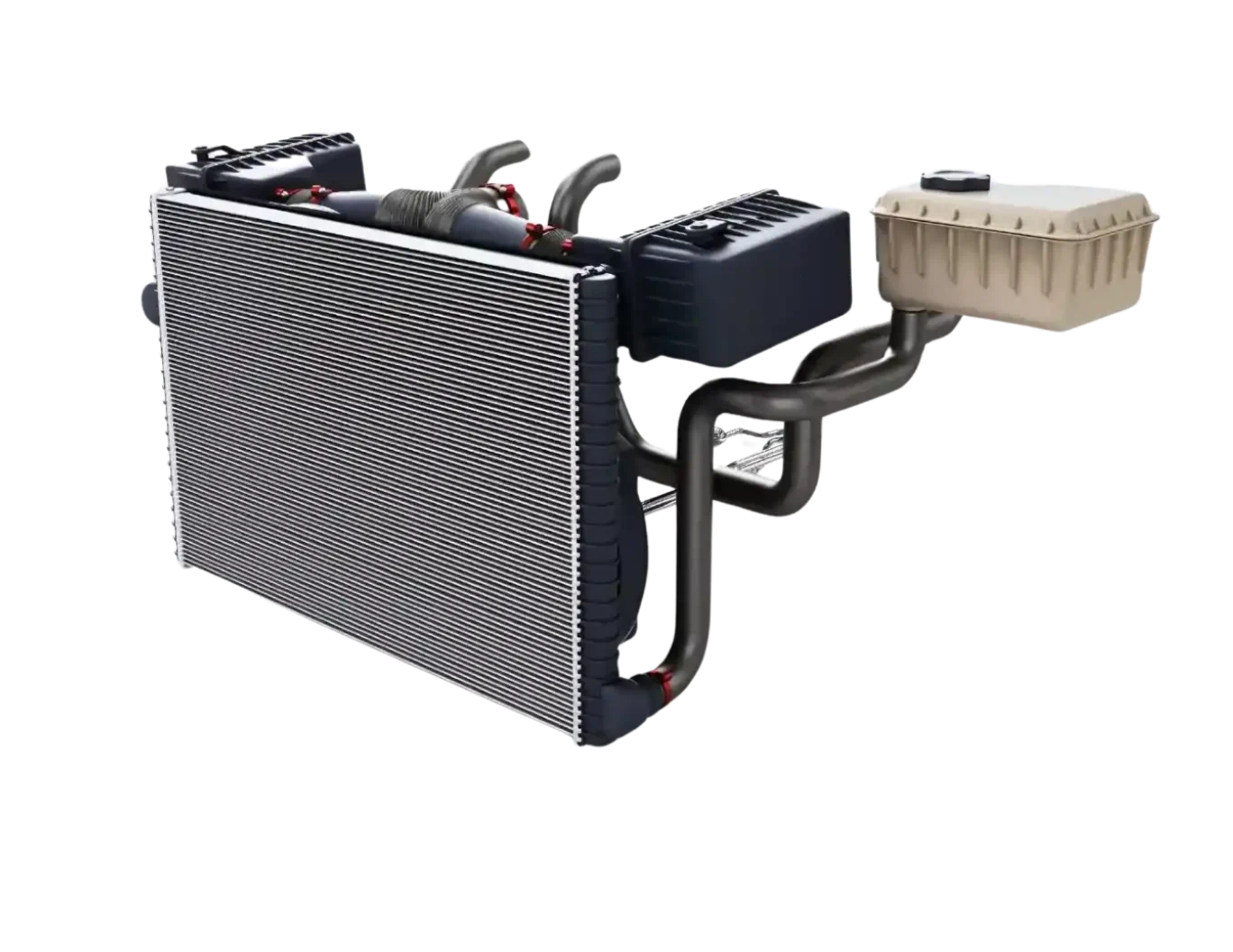
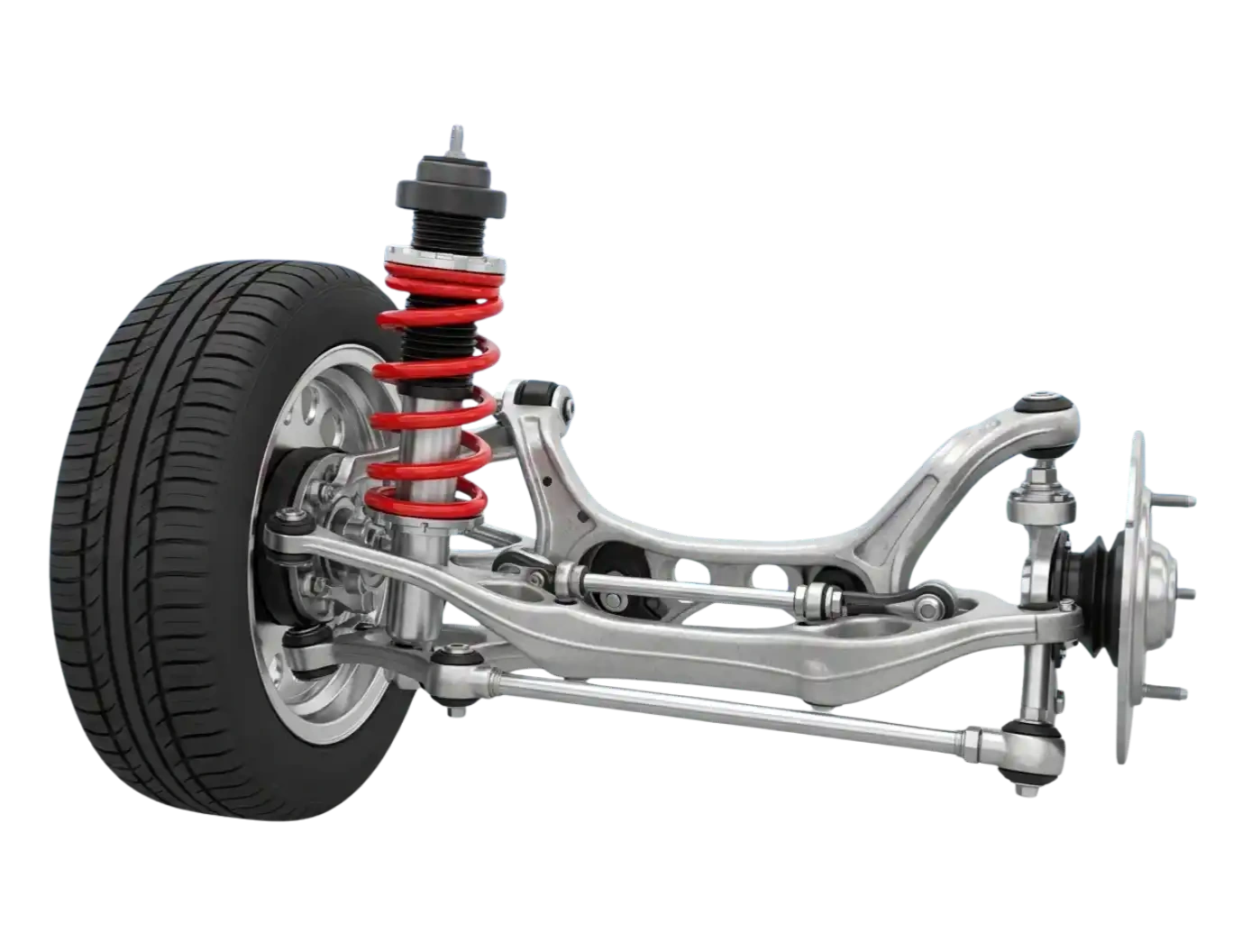
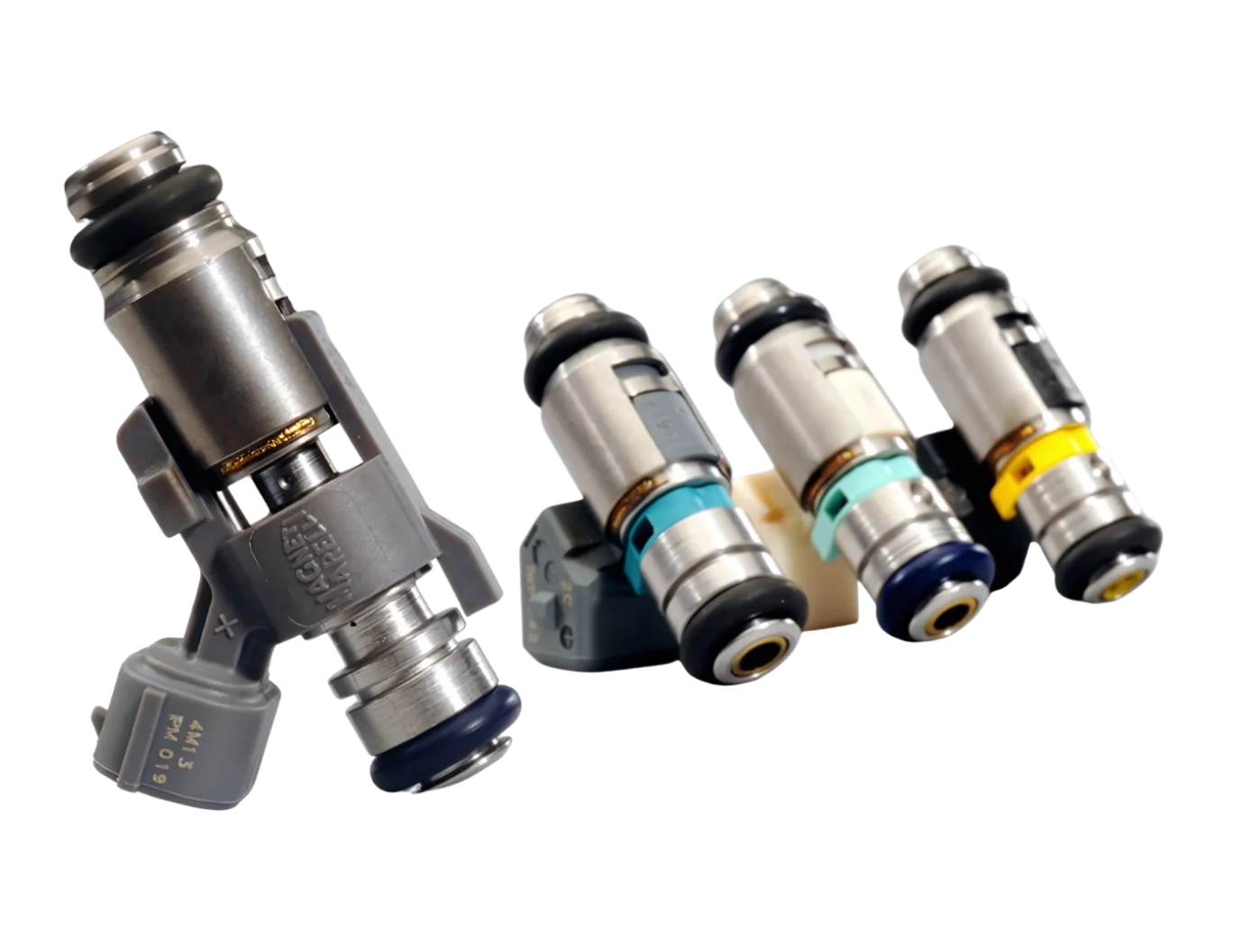
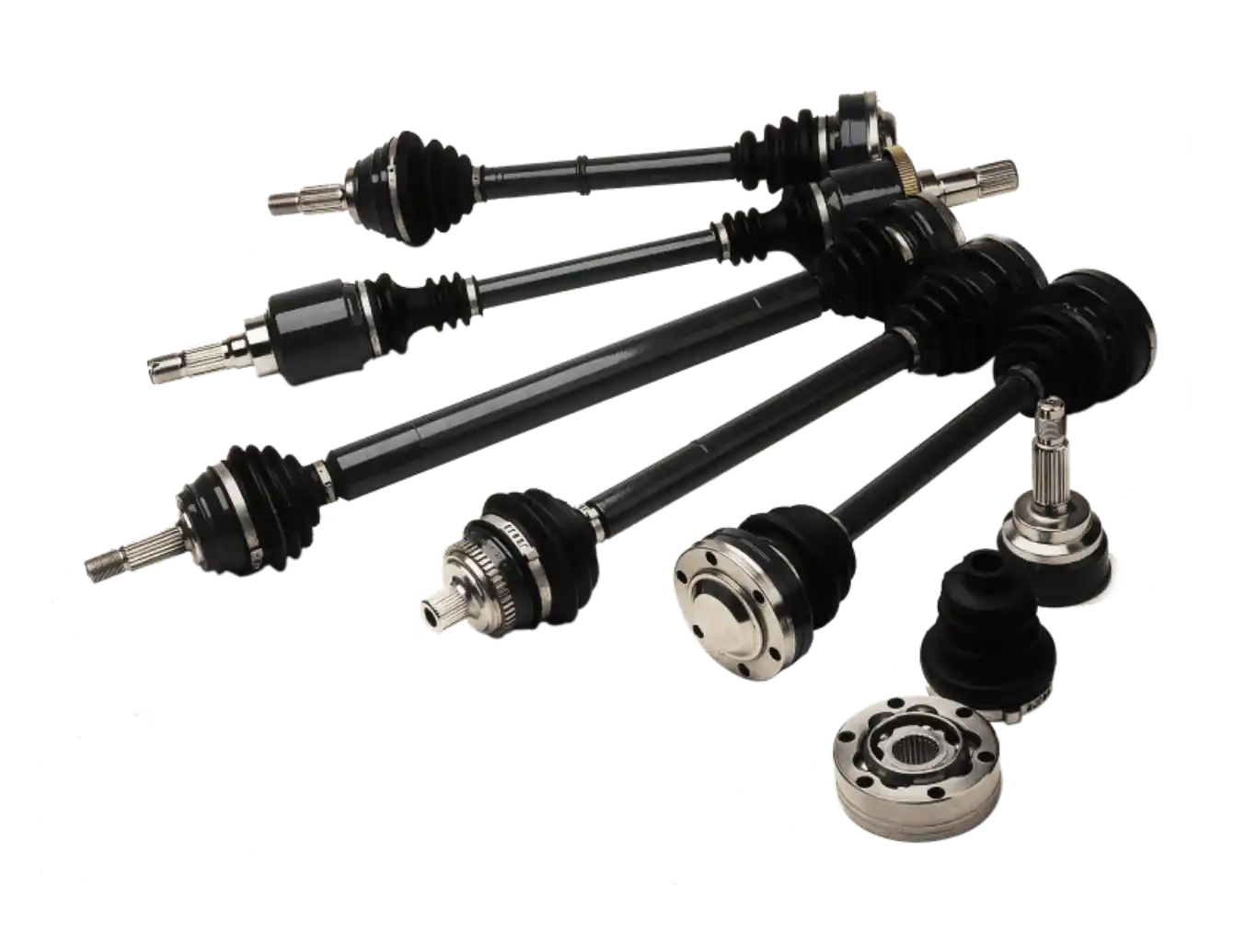

Benefits of Professional Jeep Engine Mount Servicing
Regular engine mount servicing at correct intervals delivers measurable structural, mechanical, and long-term financial advantages for your Jeep throughout its service life.
| Benefit | Description | Impact |
|---|---|---|
| Reduced Cabin Vibration | Fresh OEM rubber or hydraulic mounts restore the correct dynamic stiffness rating, isolating powertrain vibration from the vehicle body | Well-maintained mounts reduce transmitted vibration by up to 85% compared to mounts with a compression set exceeding 30% |
| Protected Surrounding Components | Correct powertrain positioning prevents contact between the engine, exhaust, steering components, and chassis members | Timely mount replacement prevents secondary damage to exhaust flex pipes, CV boots, and wiring harnesses costing 3 to 5 times more than the mount itself |
| Extended Transmission and Gearbox Life | Stable powertrain support reduces shock loading on gearbox input shafts and torque converter connections | Controlled powertrain movement extends automatic transmission service life by reducing internal wear from uncontrolled torque spikes |
| Accurate Driveshaft and CV Joint Angles | Correct engine and transmission position maintains driveshaft angles within the 1° to 3° design tolerance | Maintaining correct joint angles reduces CV joint and driveshaft bearing wear, extending these components' service intervals by up to 40% |
| Improved Steering Precision | Stable engine positioning maintains consistent steering rack and subframe geometry during acceleration and braking | Eliminating powertrain movement improves on-centre steering feel and reduces torque steer in front-wheel-drive Jeep models |
| Lower Long-Term Repair Costs | Identifying deteriorated mounts, cracked brackets, and fatigued fasteners during routine inspection prevents powertrain displacement events | Addressing mount wear before failure reduces total repair costs by up to 60% compared to post-failure rectification of secondary damage |
| Warranty and Resale Value | Servicing at OEM-specified intervals with genuine parts preserves manufacturer warranty validity | Documented powertrain service records increase resale value by up to 15% and confirm the vehicle's mechanical history to prospective buyers |
Maintenance Tips After Jeep Engine Mount Replacement
Following these practices after a new engine mount installation helps maintain powertrain isolation performance and extends component service life.
- Allow a Settling Period of 500 to 1,000 km: New rubber mounts need gradual compression settling before reaching full load capacity, so avoid aggressive throttle inputs during the initial break-in period.
- Check for Hydraulic Fluid Seepage Monthly: Exposure to engine degreasers or prolonged heat cycling can compromise external mount seals, and early fluid loss detection prevents progressive damping efficiency reduction before complete mount failure.
- Monitor Idle Vibration for Early Rubber Degradation: Any gradual increase in floor or steering column vibration at idle may indicate early isolator compression set developing, which requires prompt technician assessment before full mount deterioration occurs.
- Delay High-Impact Off-Road Use After Replacement: Wrangler and Gladiator models place higher vertical and rotational loads on fresh mounts, so allowing the isolator material to settle under normal conditions first ensures the rated load capacity is achieved.
- Verify Mount Fastener Torque at Every Service Interval: Through-bolts experience minor clamping force relaxation over the first 10,000 km, and torque verification against OEM specification during routine servicing confirms secure mount retention throughout the component’s full service life.
- Schedule the Next Powertrain Inspection at 40,000 km: Engine and transmission mount condition requires assessment at this interval, or earlier if vibration, clunking, or noticeable powertrain movement develops during normal driving.
Customer Reviews
"I noticed a persistent vibration through the floor at idle and brought my Grand Cherokee in for diagnosis. The technician used a vibration analyser and identified a failed hydraulic front mount within the first inspection. The replacement was done the same day, and the difference in cabin refinement was immediate."
Jeep Models, We Service in Musaffah
800Sayara provides engine mount replacement and full powertrain support servicing for the complete range of Jeep models at our Musaffah workshop.
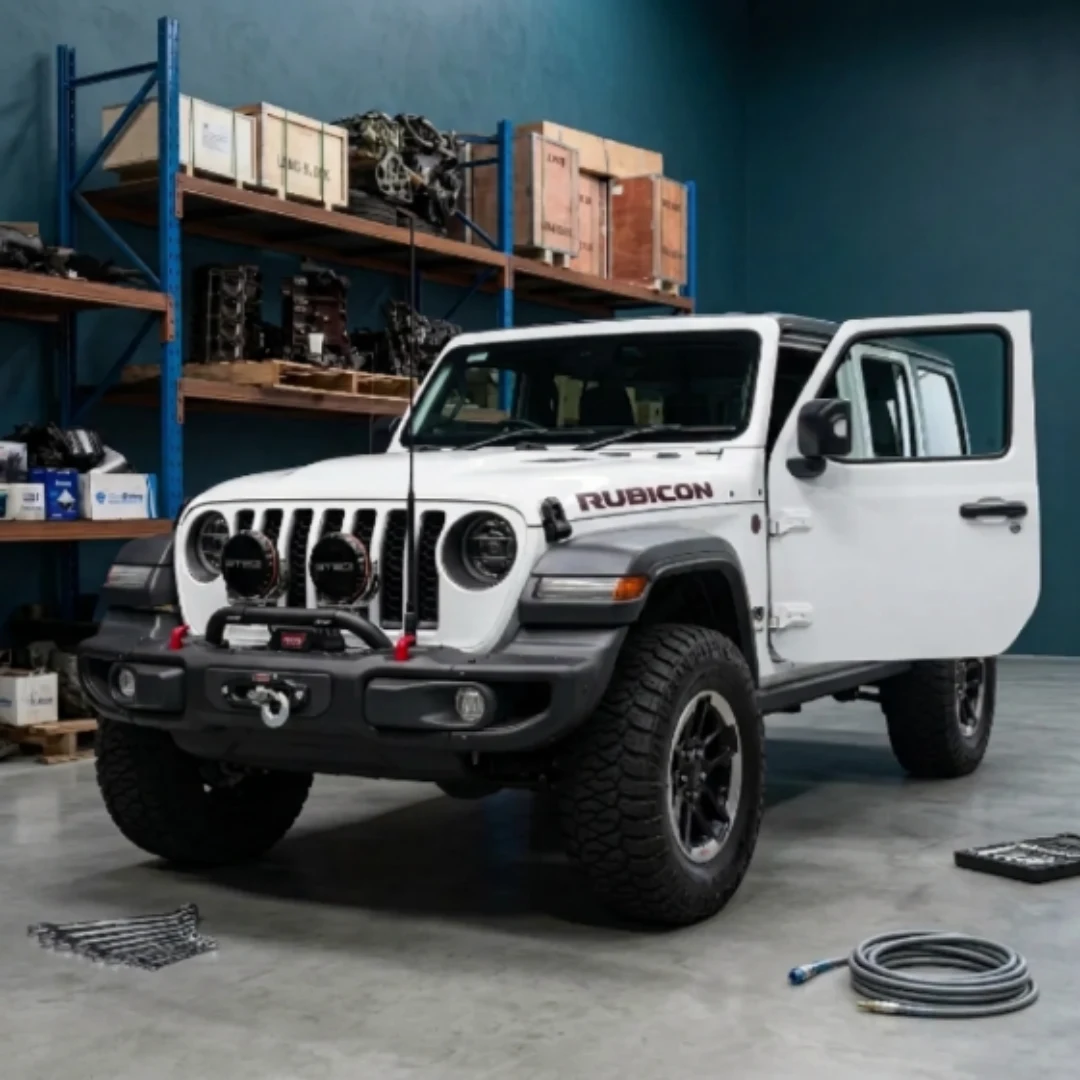
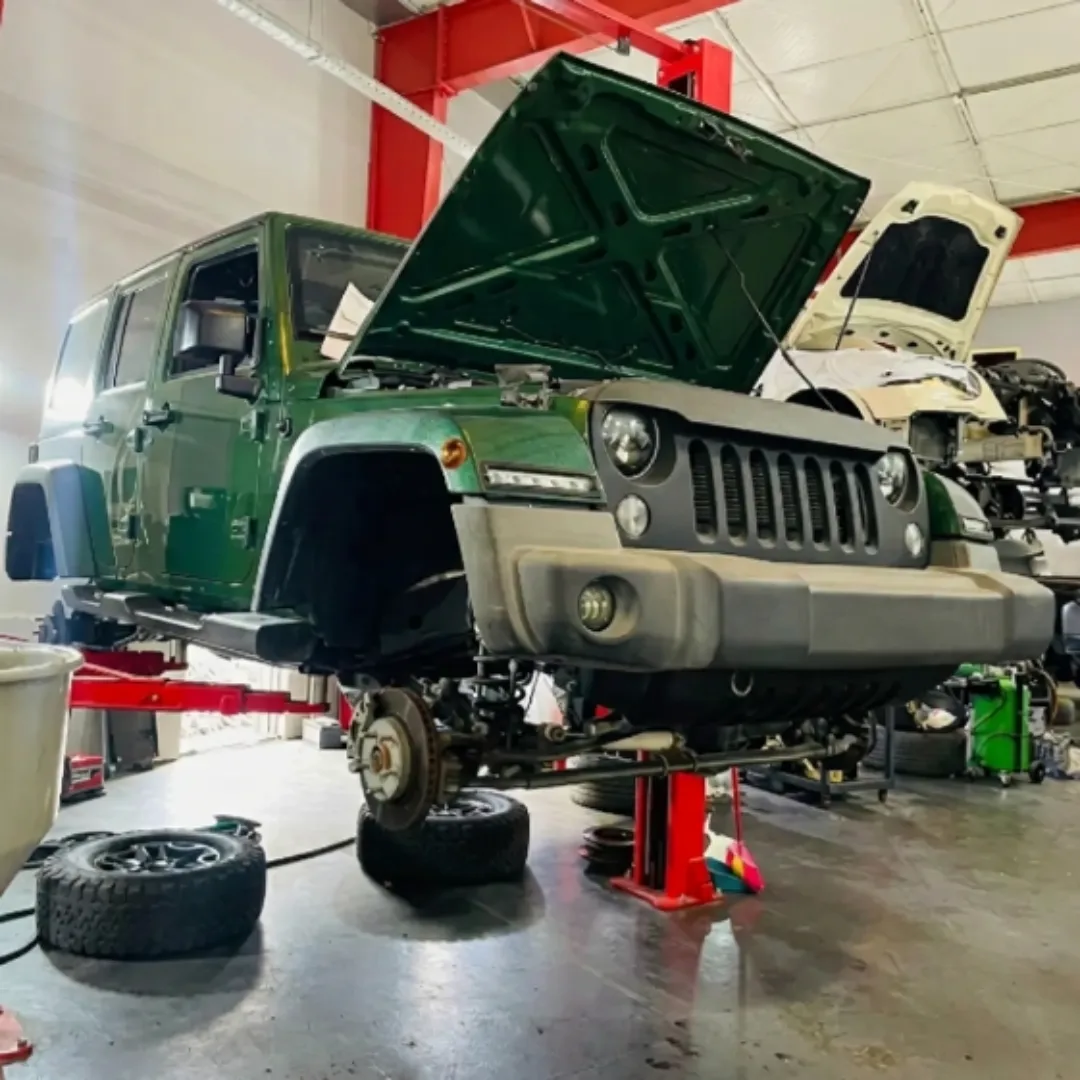
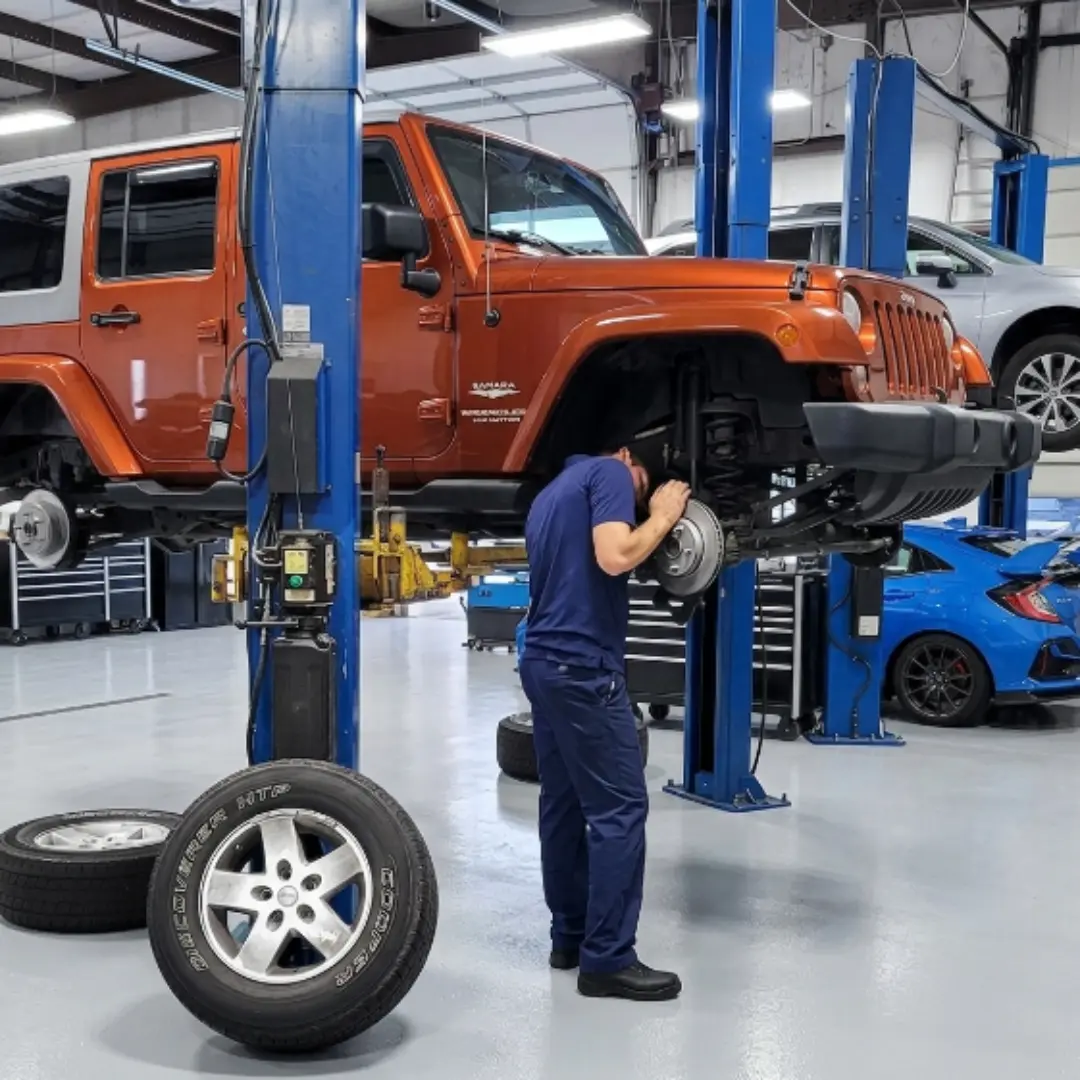
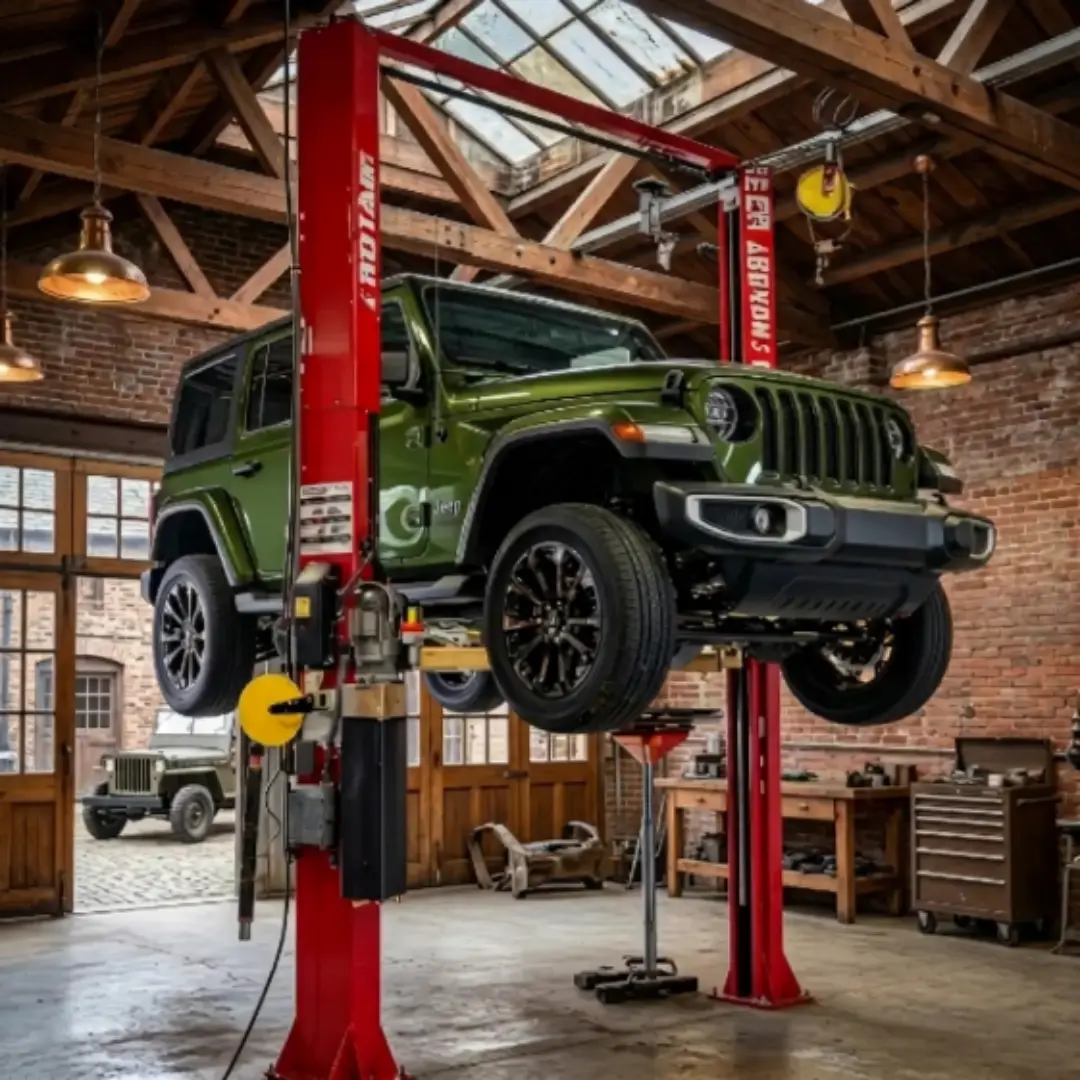
Our Recently Work
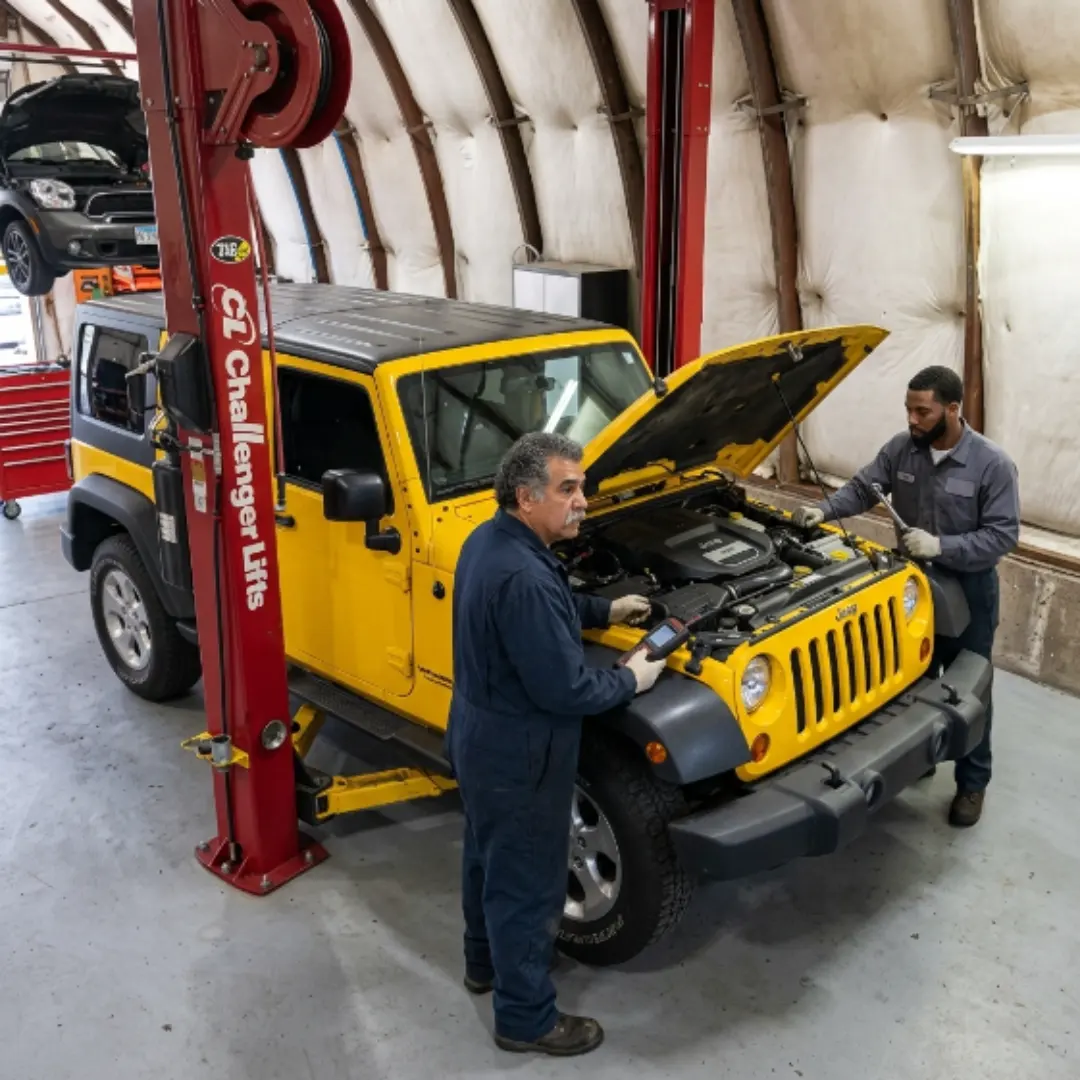
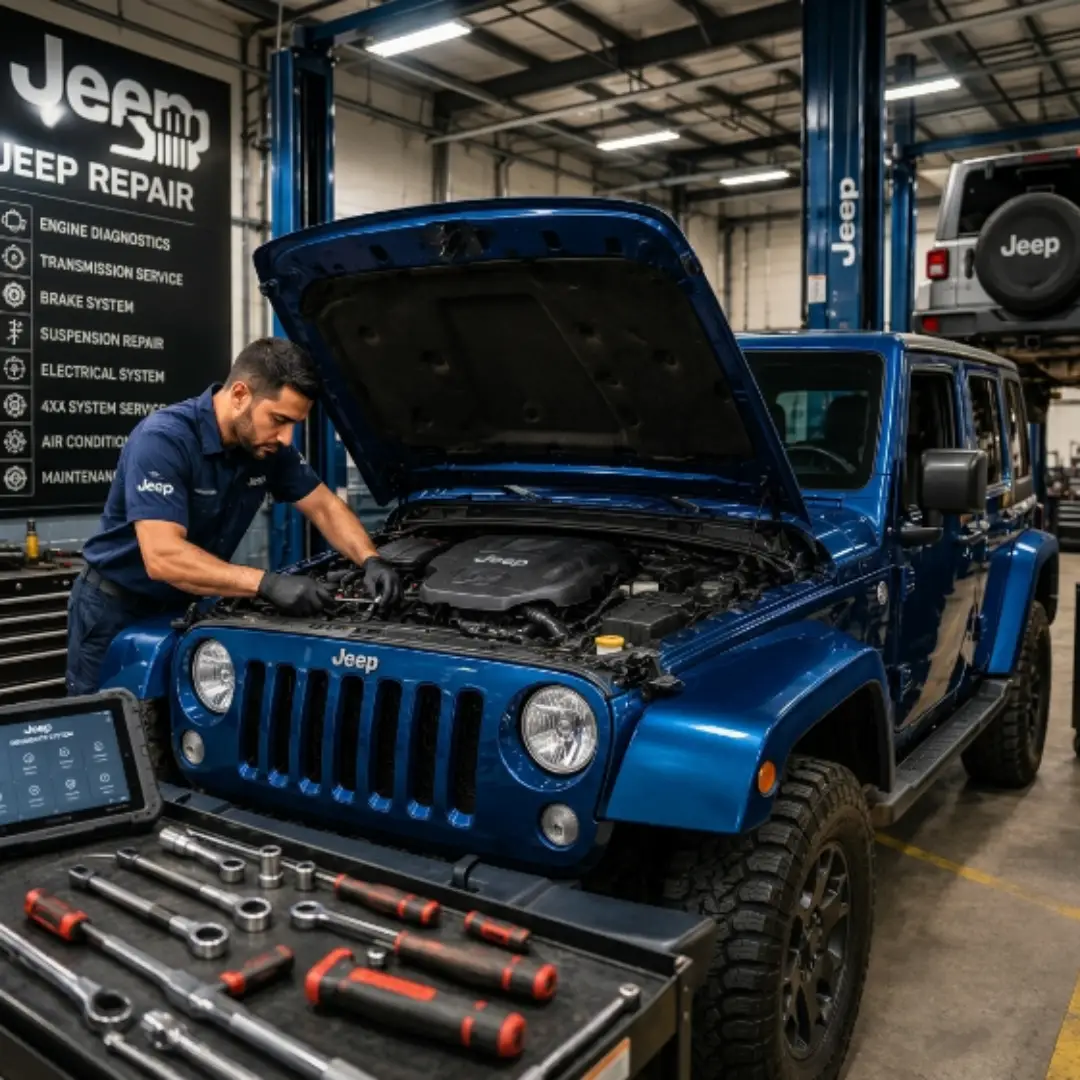
Frequently Asked Questions
What does a Jeep engine mount service at your workshop include?
A standard engine mount service covers inspection of all front, rear, and transmission mount positions, measurement of rubber deflection and isolator compression set, assessment of mount brackets and subframe attachment hardware, a tri-axial vibration analysis where symptoms are reported, and a post-replacement road test to confirm the repair outcome.
How do I know if my Jeep's engine mounts need replacement?
Common indicators include vibration through the cabin at idle or during acceleration, a clunking noise when engaging drive or reverse, visible engine movement when revving under the bonnet, a worsening ride harshness at certain engine speeds, or a pulling sensation during hard acceleration due to powertrain shift.
What is the difference between a rubber engine mount and a hydraulic engine mount?
A solid rubber engine mount uses a vulcanised rubber isolator to absorb vibration through material damping alone. A hydraulic engine mount adds a sealed chamber filled with glycol-based fluid, which provides variable damping across a wider RPM range. Hydraulic mounts are more effective at isolating low-frequency vibration at idle but require replacement if the internal fluid seal deteriorates.
How long does a Jeep engine mount replacement take?
A single front or rear engine mount is typically replaced within 90 to 120 minutes. A complete powertrain mount overhaul covering all four mounting positions, including the transmission and transfer case mounts, takes between 3 and 5 hours, depending on the model.
Do you replace the mount brackets and hardware as well as the mounts themselves?
Yes. All mount fasteners are replaced as a standard part of the service, as reused hardware introduces inaccurate clamping torque. Mount brackets are inspected for cracks, corrosion, and deformation, and any bracket found outside serviceable condition is replaced before the new mount is installed.
Can a worn engine mount damage other components?
Yes. A deteriorated engine mount allows the powertrain to move beyond its design limits, stressing exhaust hangers, CV boots, wiring harnesses, cooling hoses, and steering components. Hydraulic mount fluid loss can also contaminate nearby rubber components and accelerate their deterioration if not addressed promptly.
How often should Jeep engine mounts be inspected?
The engine and transmission mount condition should be assessed at every 40,000 km service interval as a minimum. Jeep models used for regular off-road driving should have mounts inspected more frequently.
Do you service Jeep models with turbocharged and 4xe hybrid powertrains?
Yes. Turbocharged Jeep engines generate higher torque reaction forces that place greater stress on engine mounts, and the 4xe hybrid system introduces additional motor weight and torque characteristics that require correct mount specification. All engine mount replacements are performed using OEM components matched to the exact engine variant and transmission combination of your specific Jeep model.