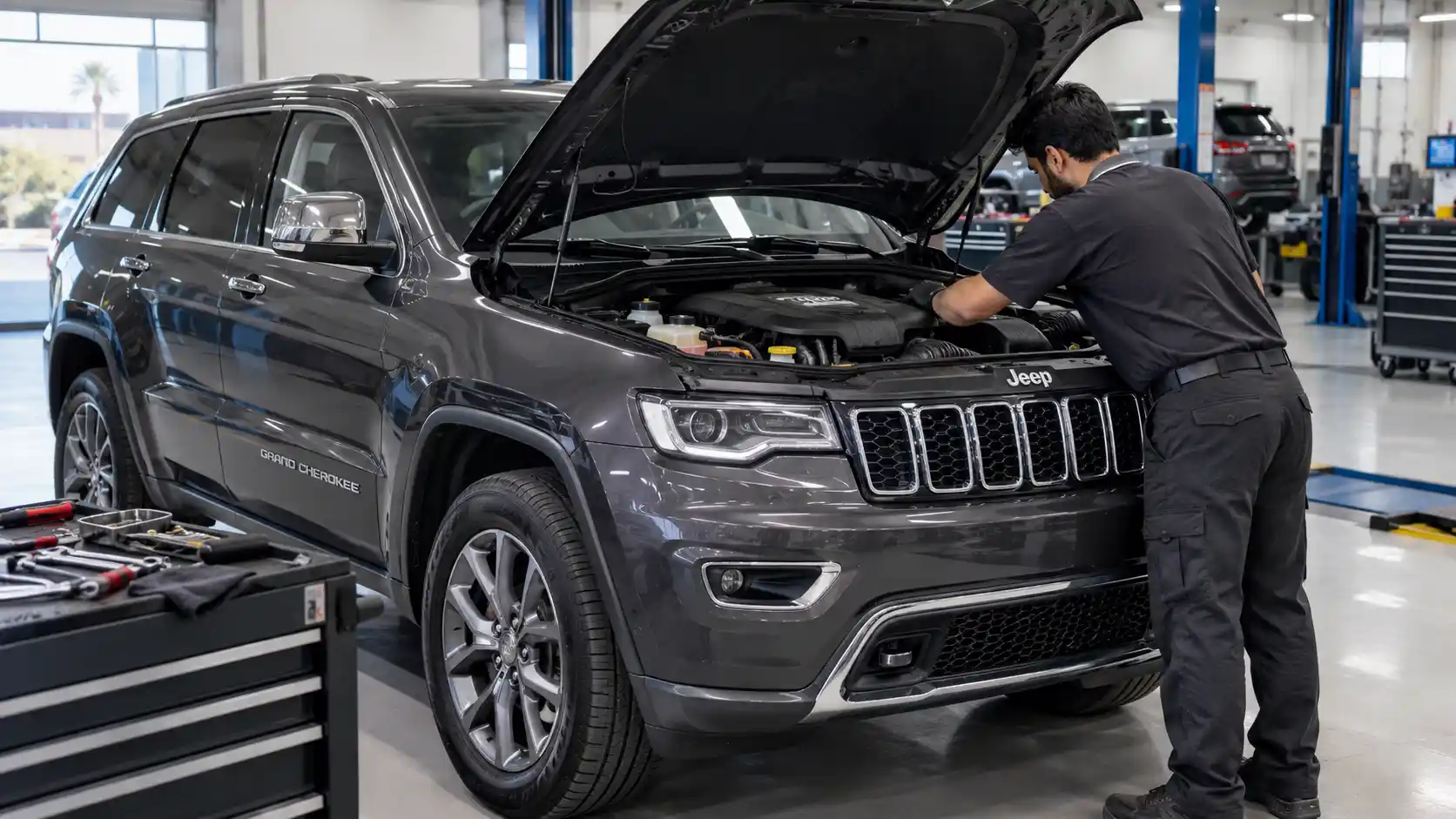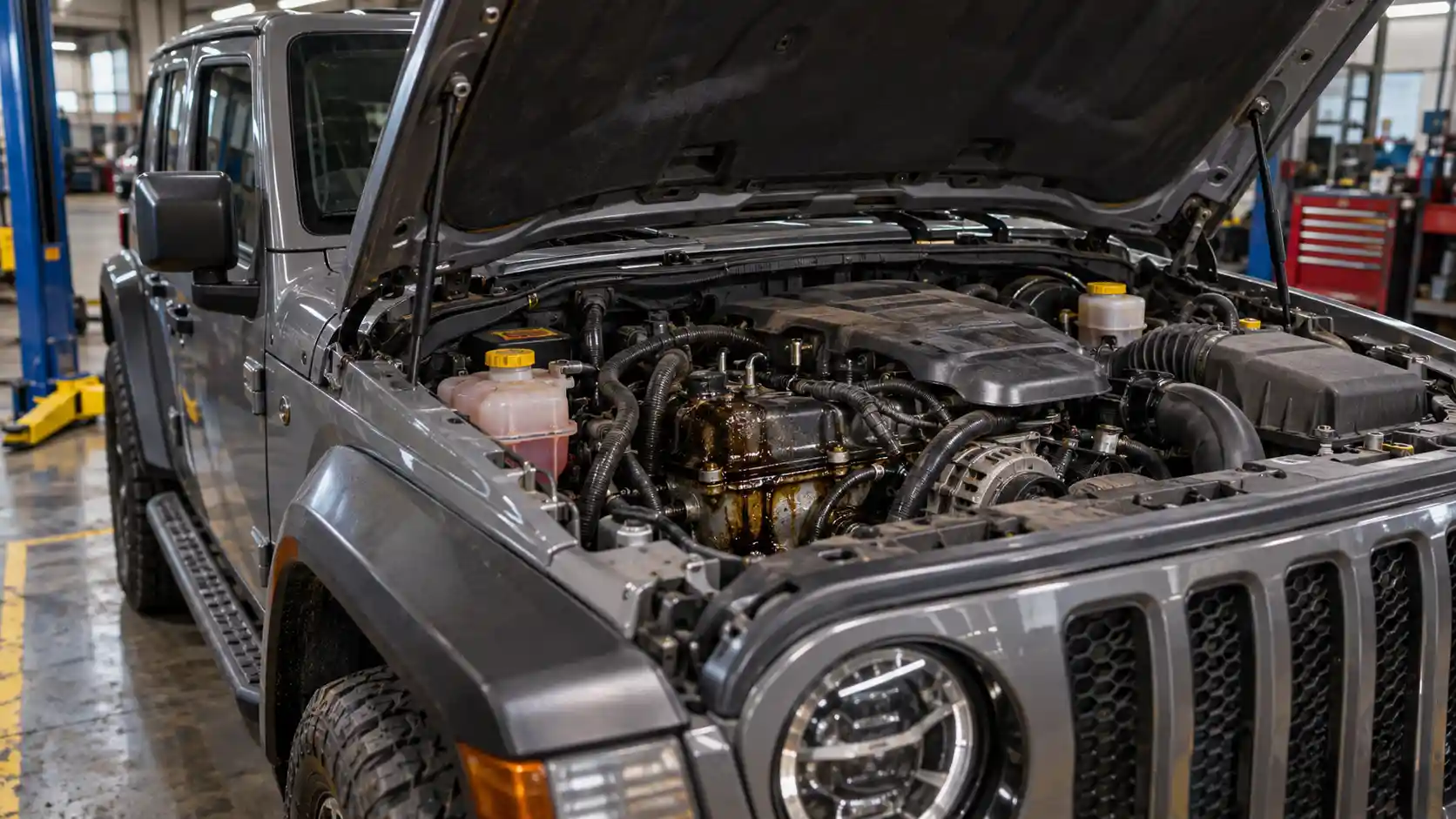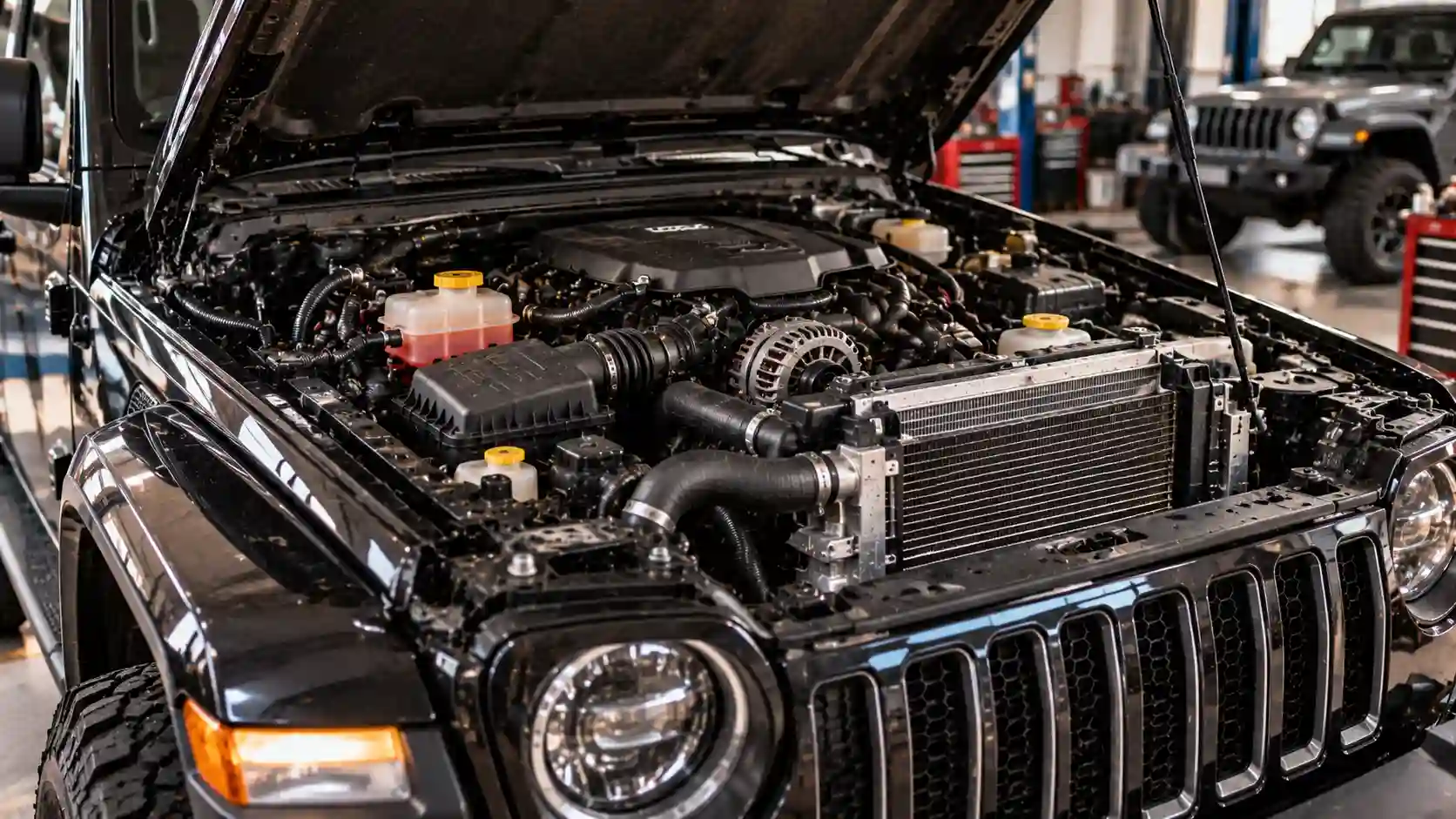
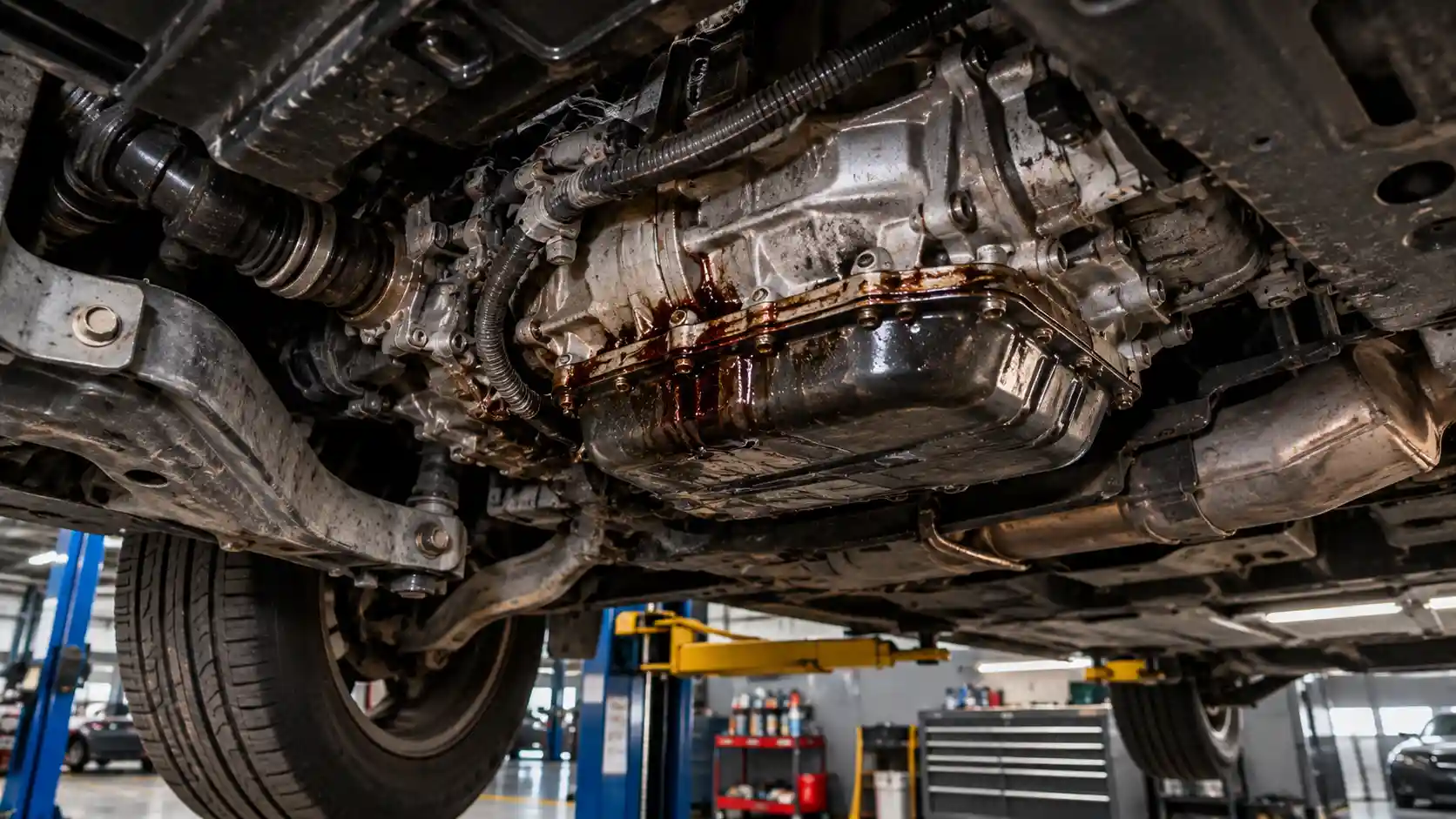
The transmission plays an important role in how your Jeep Grand Cherokee drives. It transfers engine power to the wheels and helps the vehicle change gears smoothly. When something goes wrong, you may notice unusual noises, delayed gear changes, or poor acceleration.
Jeep Grand Cherokee transmission problems can develop due to low transmission fluid, worn internal parts, faulty sensors, damaged solenoids, or software issues. Some problems only need a fluid leak repair or electrical fix, while others may require valve body replacement or a complete gearbox rebuild.
The symptoms can differ depending on the model year, engine, and transmission type. Early diagnosis helps prevent further damage and expensive repairs. Regular inspections are especially important in the UAE, where high temperatures and heavy traffic can put extra pressure on vehicle systems.
Common Jeep Grand Cherokee Transmission Problems
The Jeep Grand Cherokee has been offered with different automatic transmission systems over the years. Depending on the model and engine, it may use a five-speed or eight-speed automatic gearbox, among other configurations. Each system has different parts and service needs.
Some owners may experience rough shifting, delayed engagement, fluid leaks, or warning lights. These problems do not always mean the gearbox needs replacement. A proper inspection can help identify whether the issue comes from the transmission fluid, electronic controls, valve body, or internal components.
Delayed Gear Shifting
Delayed gear shifting happens when the transmission takes longer than normal to move into the next gear. You may notice a pause when accelerating or when shifting from Park to Drive or Reverse. This can make the vehicle feel slow to respond.
Low transmission fluid, worn internal parts, or faulty pressure control solenoids can cause this issue. Software problems may also affect gear selection.
A mechanic should check the transmission fluid condition, scan for fault codes, and inspect the shifting system. Fixing the actual cause early can help prevent further wear.
Rough or Hard Gear Changes
A Jeep Grand Cherokee should change gears smoothly during normal driving. If you feel a sudden jerk, strong vibration, or a hard movement between gears, there may be a problem with the transmission system.
Common causes include incorrect fluid levels, damaged solenoids, valve body problems, and worn clutch components. In some cases, outdated transmission control software may affect shift timing.
A diagnostic scan can help identify stored fault codes. Depending on the result, the repair may involve a software update, fluid service, or replacement of a faulty component.
Transmission Slipping
Transmission slipping occurs when the engine speed increases but the vehicle does not accelerate as expected. You may notice the engine revving higher than normal while the Jeep struggles to gain speed.
This can happen due to low fluid levels, worn clutch packs, damaged seals, or internal transmission wear.
Slipping can become worse over time if the vehicle continues to be driven without repair. A mechanic should inspect the fluid, check for leaks, and test transmission pressure. If internal parts are badly worn, a gearbox rebuild or replacement may be required.
Transmission Fluid Leaks
Transmission fluid helps lubricate internal parts, control heat, and support smooth gear changes. A leak can reduce the fluid level and affect the gearbox's performance.
Common leak points include transmission pan gaskets, cooler lines, seals, and connections around the transmission housing. You may notice reddish, brown, or dark fluid under your Jeep, depending on the fluid type and condition.
A mechanic should locate the leak, repair the damaged seal or connection, and set the fluid level correctly using the manufacturer's recommended procedure.
Transmission Warning Light
A transmission warning or check engine light may appear when the vehicle detects a problem with its mechanical or electronic systems. The warning may be linked to a faulty sensor, solenoid, wiring connection, or transmission control module.
You may also notice rough shifting, reduced power, or unusual engine behaviour. A computerised diagnostic scan helps read the stored Diagnostic Trouble Codes (DTCs).
These codes give mechanics useful information about the affected system. However, the code alone does not confirm which part needs replacement. Further testing is required before deciding on a repair.
Transmission Overheating
An automatic transmission produces heat as its internal parts work together. However, excessive heat can damage seals, reduce fluid performance, and increase wear on clutch components.
Low transmission fluid, restricted cooler lines, a faulty cooling system, and heavy driving loads can contribute to overheating. The problem may be more noticeable during long journeys, heavy traffic, or towing.
Warning messages, unusual shifting, and burning smells may indicate a problem. A mechanic should check the cooling system, fluid condition, and transmission temperature to find the cause.
Torque Converter Problems
The torque converter transfers engine power to the automatic transmission and helps the vehicle move smoothly from a stop. A faulty torque converter can cause vibration, shuddering, unusual noises, and poor acceleration.
These symptoms may become noticeable when driving at a steady speed or changing gears. Possible causes include worn internal parts, damaged bearings, and problems with the torque converter clutch.
A mechanic can use a diagnostic scan and road test to check its operation. Depending on the damage, the repair may involve replacing the torque converter or repairing related transmission components.
What Causes Jeep Grand Cherokee Transmission Problems?
Transmission issues can develop due to several mechanical and electronic faults. Understanding the possible causes helps mechanics choose the correct repair instead of replacing parts without proper testing.
Low or Incorrect Transmission Fluid
Transmission fluid helps lubricate moving parts and maintain hydraulic pressure inside the gearbox. If the level becomes too low because of a leak, the transmission may struggle to engage gears properly.
Using the wrong fluid can affect shift quality and transmission performance as well. Different Jeep models and transmission systems require specific fluid standards. Always check the owner's manual before adding or replacing transmission fluid. A mechanic should inspect the system for leaks and use the correct fluid for your vehicle.
Worn Internal Transmission Parts
A transmission contains several moving parts, including clutch packs, bearings, gears, and seals. These components experience regular friction and pressure during driving.
Over time, wear can affect how the gearbox transfers engine power. Damaged clutch plates may cause slipping, while worn bearings can create unusual sounds.
If the damage becomes severe, the transmission may struggle to move the vehicle. A detailed inspection helps determine whether individual parts can be replaced or whether a complete rebuild is needed.
Faulty Solenoids and Valve Body
The valve body controls the flow of transmission fluid through different channels. It contains valves and solenoids that help control gear changes and hydraulic pressure.
A faulty solenoid may cause delayed shifting, hard gear changes, or incorrect gear selection. Dirt and debris inside the fluid passages can also affect valve movement. Mechanics may need to test the solenoids, inspect the valve body, and check fluid condition. Depending on the fault, cleaning, repair, or valve body replacement may solve the problem.
Transmission Control Module Problems
The Transmission Control Module (TCM) manages electronic transmission functions. It receives information from different sensors and helps control gear changes based on vehicle speed, engine load, and driving conditions.
A software fault, damaged wiring, or faulty electronic connection can affect its operation. You may notice warning lights, unexpected shifting, or limp mode.
Mechanics can scan the system, inspect wiring, and check for available software updates. Reprogramming or replacing the module may be required if testing confirms an electronic fault.
Jeep Grand Cherokee Transmission Problems by Model Generation
The Grand Cherokee has changed significantly across its generations. Different model years use different engines, gearboxes, and electronic systems. Therefore, a transmission issue in an older model may not have the same cause as a problem in a newer one.
Older Jeep Grand Cherokee Models
Older Grand Cherokee models may use five-speed or other earlier automatic transmission systems, depending on the year and engine. With age and higher mileage, fluid leaks, worn seals, damaged clutch components, and valve body issues can develop.
Drivers may notice delayed gear engagement, slipping, or unusual transmission noises. Regular fluid checks and early repairs can help protect these older systems. The correct repair depends on the gearbox fitted to the specific vehicle.
2014 to 2021 Jeep Grand Cherokee
Many Grand Cherokee models from these years use an eight-speed automatic transmission, although the exact gearbox and calibration depend on the engine and model.
Some owners may experience rough shifting, delayed gear changes, or transmission shudder. Possible causes include fluid-related problems, worn components, faulty sensors, and software issues.
Not every vehicle will experience these problems. A mechanic should check the model-specific service information and available software updates before recommending major repairs.
2022 and Newer Jeep Grand Cherokee
Newer Grand Cherokee models use more advanced electronic systems and automatic transmissions. Depending on the version, they may include different powertrain options, including plug-in hybrid technology.
Transmission warning messages, shifting issues, and electronic faults should be checked using suitable diagnostic equipment.
Some problems may require software updates or replacement of specific control components. Always use the correct repair information for the model year and powertrain rather than following a general repair procedure.
How to Diagnose Jeep Grand Cherokee Transmission Problems
Finding the exact cause of a transmission issue requires a proper inspection. Replacing the gearbox without checking the fluid, sensors, and electronic controls can lead to unnecessary expenses.
A professional diagnosis may include:
- Visual inspection: Check the transmission housing, fluid lines, seals, and connections for leaks or visible damage.
- Diagnostic scan: Read stored fault codes from the transmission control system.
- Fluid inspection: Check the fluid condition and level using the correct procedure.
- Road test: Observe gear changes, acceleration, vibration, and unusual noises.
- Electrical testing: Inspect sensors, wiring, connectors, and solenoids.
- Mechanical inspection: Check internal transmission parts if the initial tests indicate mechanical damage.
These steps help identify whether the issue is electrical, hydraulic, or mechanical. The mechanic can then recommend a suitable repair.
Jeep Grand Cherokee Transmission Repair Options
The right repair depends on the condition of the gearbox and the source of the problem. Some issues can be fixed without removing the transmission, while serious internal damage may require more detailed work.
Transmission Fluid Service
If the problem is related to contaminated fluid or an incorrect fluid level, a suitable fluid service may help. The mechanic should inspect for leaks and follow the correct service procedure.
Not every Grand Cherokee requires routine transmission fluid replacement at the same interval. Some owner manuals state that fluid and filter changes are only needed under specific conditions, such as contamination or transmission disassembly. Always follow the maintenance requirements for your exact model.
Solenoid or Valve Body Replacement
If testing confirms a faulty solenoid or valve body, the affected component may need repair or replacement. These parts control fluid flow and hydraulic pressure during gear changes.
Replacing a damaged component can restore proper shifting when the rest of the transmission is in good condition. However, the mechanic should check for related problems before completing the repair.
Transmission Software Update
Some shifting problems may be linked to transmission control software. An approved software update or module reprogramming may improve shift timing and correct certain electronic faults.
A mechanic should first confirm whether an update is available for the vehicle and whether the symptoms match the relevant technical information. Software updates cannot fix worn clutch packs, damaged gears, or other mechanical problems.
Torque Converter Replacement
A damaged torque converter may need replacement if it causes persistent shuddering, vibration, or power transfer problems. The mechanic should inspect the transmission fluid and related components before approving the repair.
The transmission may need to be removed to access the torque converter. During the repair, other parts should be checked for wear or contamination to avoid repeating the same problem.
Transmission Rebuild or Replacement
A transmission rebuild involves opening the gearbox and repairing or replacing damaged internal components. It may be suitable when the housing and other major parts are still in good condition.
If the damage is extensive, complete transmission replacement may be a better option. The mechanic should compare the repair cost, parts availability, and condition of the existing gearbox before recommending either solution.
How to Prevent Jeep Grand Cherokee Transmission Problems
Regular maintenance helps protect the gearbox and reduce the risk of unexpected repairs. Although some faults cannot be prevented, good driving habits and timely inspections can reduce unnecessary wear.
Follow these tips to keep your transmission in good condition:
- Use the correct transmission fluid: Always follow the fluid specifications listed for your gearbox.
- Check for leaks: Look for fluid spots under the vehicle and arrange an inspection if you notice them.
- Avoid harsh acceleration: Sudden acceleration and aggressive driving can put extra pressure on transmission parts.
- Follow the maintenance schedule: Check your owner's manual for the correct inspection and fluid service requirements.
- Do not ignore warning lights: Get electronic faults checked before they affect transmission performance.
- Allow the vehicle to warm up normally: Drive gently when starting in very cold conditions rather than using sudden acceleration.
- Get unusual noises checked: Whining, grinding, and repeated shuddering may indicate a problem.
These steps help keep gear changes smooth and reduce the risk of major gearbox damage.
Frequently Asked Questions
Can I keep driving a Jeep Grand Cherokee with a slipping transmission?
It is better not to. Slipping can get worse over time if you keep driving without a repair. You may see the engine rev higher while the Jeep struggles to gain speed. A mechanic should check the fluid, look for leaks, and test transmission pressure.
What color is leaking transmission fluid?
Leaking transmission fluid can look reddish, brown, or dark. The color depends on the fluid type and its condition. Common leak points are the pan gasket, cooler lines, seals, and connections around the transmission housing. A mechanic should fix the leak and set the fluid level using the correct procedure.
Can a software update fix Grand Cherokee shifting problems?
Sometimes it can. An approved software update or module reprogramming may improve shift timing and correct some electronic faults. It cannot fix worn clutch packs, damaged gears, or other mechanical wear. A mechanic should first check that an update exists for the vehicle and that it matches the symptoms.
How often should Jeep transmission fluid be changed?
It depends on the exact model. Not every Grand Cherokee needs transmission fluid changes at the same interval. Some owner manuals say the fluid and filter only need changing in certain cases, such as contamination or when the gearbox is taken apart. Check the owner's manual for your model.
Does a check engine light mean the gearbox needs a new part?
Not always. A warning light means the vehicle has found a fault, but the stored code alone does not confirm which part has failed. The cause could be a sensor, a solenoid, a wiring connection, or the transmission control module. Further testing is needed before deciding on a repair.
Conclusion
Jeep Grand Cherokee transmission problems can develop due to low fluid levels, worn clutch components, faulty solenoids, valve body damage, torque converter faults, or electronic issues. Common warning signs include delayed shifting, hard gear changes, slipping, unusual noises, and dashboard warnings.
The correct repair depends on the vehicle's model year, transmission type, and actual condition. Some problems only require a fluid leak repair or software update, while serious internal damage may need a gearbox rebuild or replacement. Regular inspections and the correct transmission fluid help protect the gearbox and reduce repair costs.
If your Jeep Grand Cherokee is showing signs of transmission trouble, contact Zenfo Auto Services in Abu Dhabi. Book a professional Jeep service with an inspection to identify the problem and get the right repair before further damage occurs.